

Carved Giltwood Mirror Glass
A carved giltwood mirror glass brings warmth and reflected light to a room through centuries of craftsmanship.
Carved Giltwood Mirror Glass
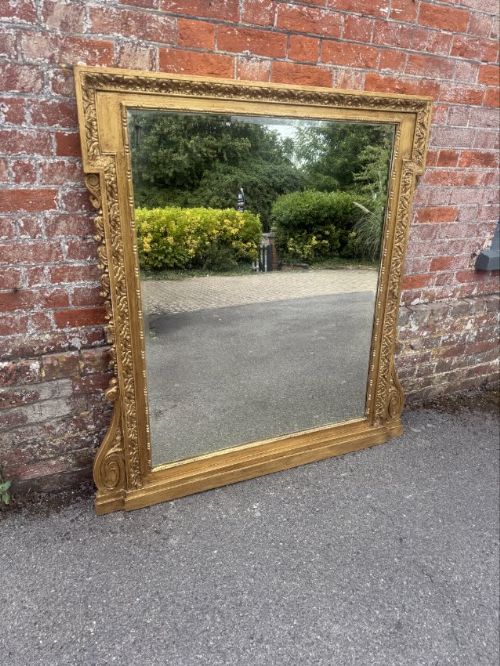
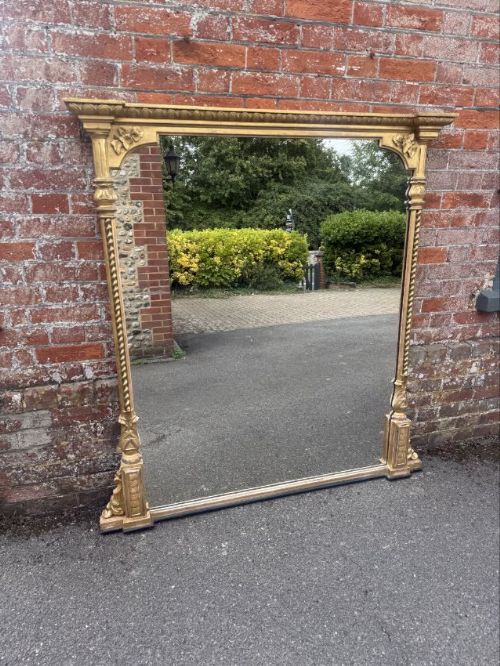
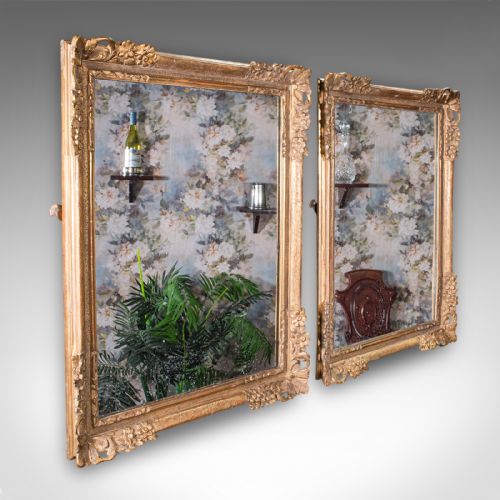
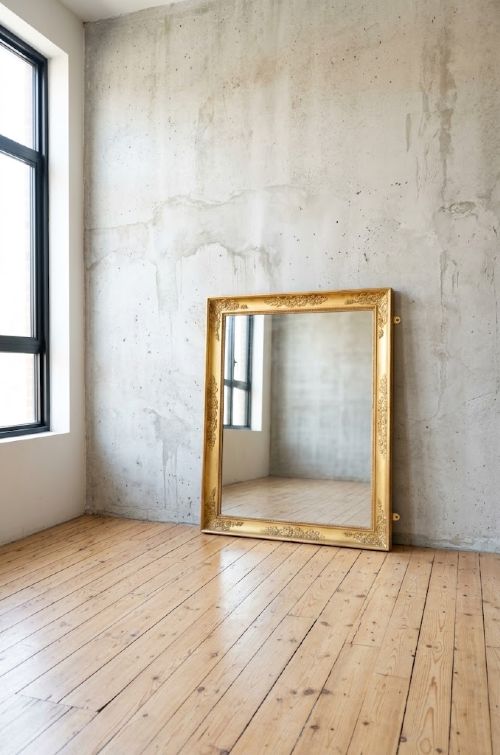
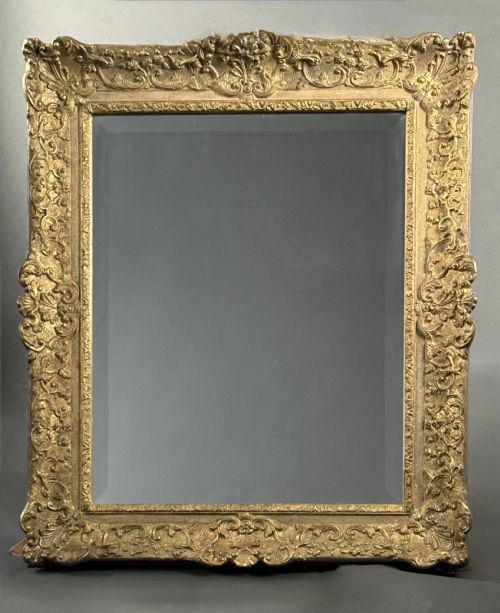
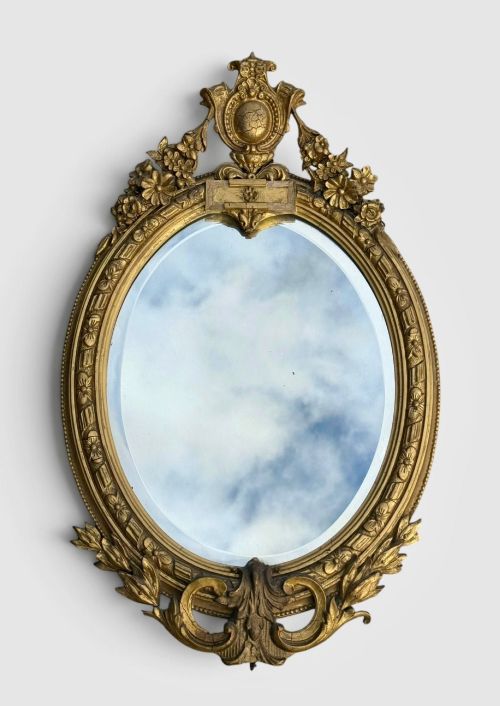
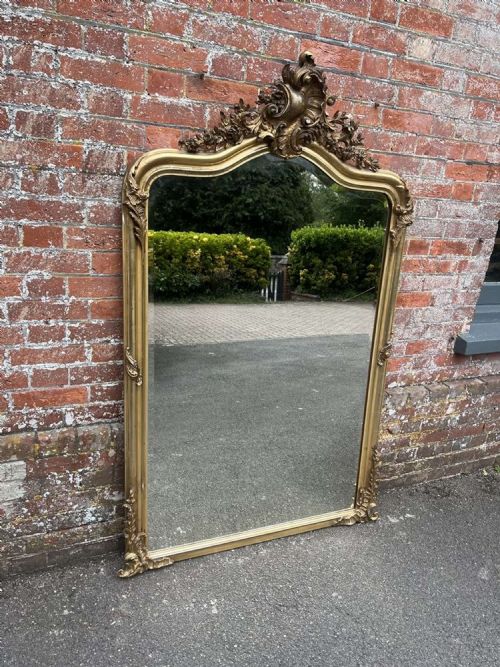
When searching for carved giltwood mirror glass, buyers encounter wall mirrors, overmantel mirrors, pier mirrors, and console tables designed to reflect light and ornament a room. These pieces originate primarily from the 18th and 19th centuries, spanning periods such as Regency, Georgian, Victorian, and Edwardian. English and French workshops produced the majority of these items, alongside Italian pieces from Venice.
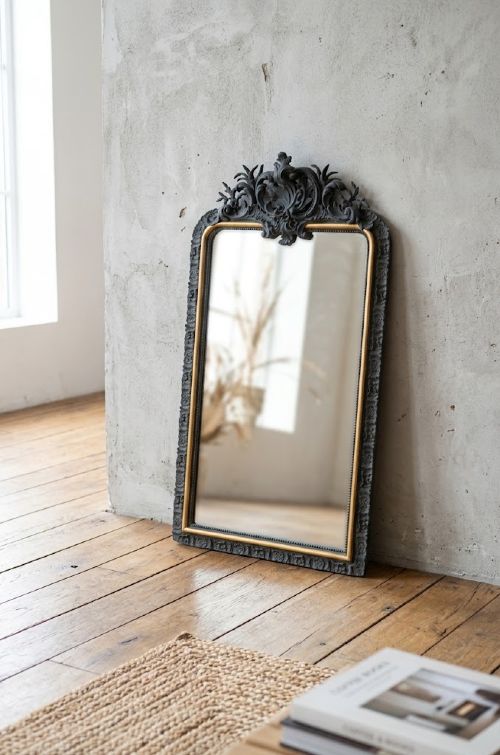
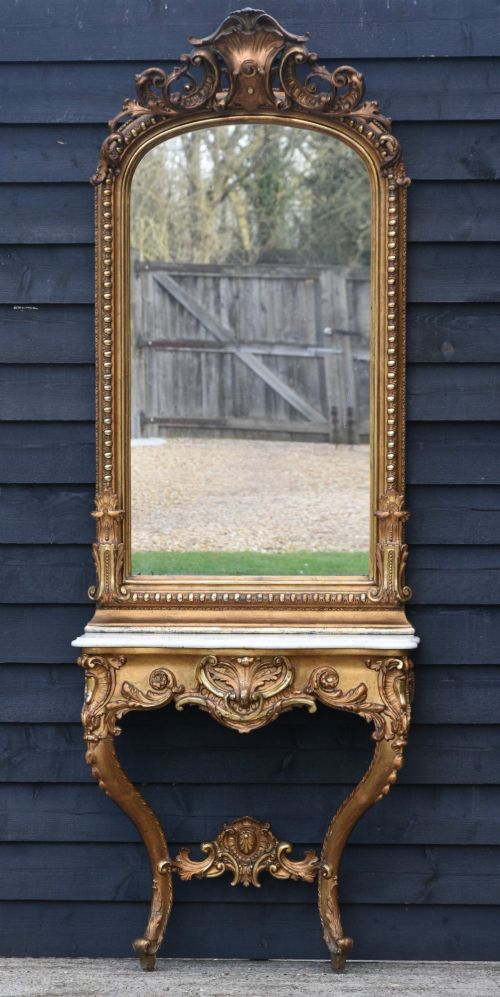
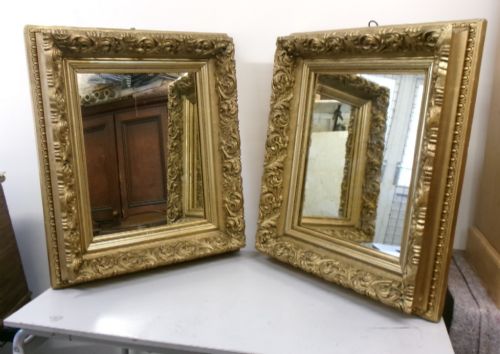
The most common form on this page is the large 19th-century overmantel mirror or wall mirror framed in carved wood and gesso. These incorporate stylistic revivals including Rococo Revival, French Chateau, and Grand Regency. Pier mirrors and console tables also appear, often designed to fit specific architectural spaces between windows.
How they were made
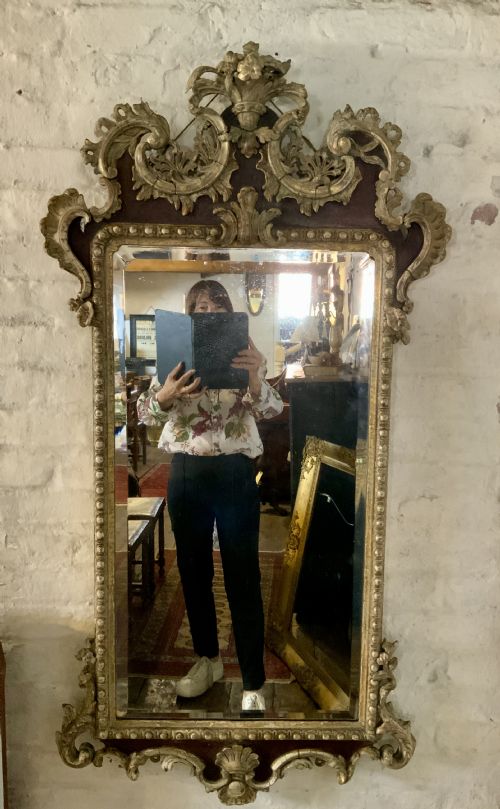
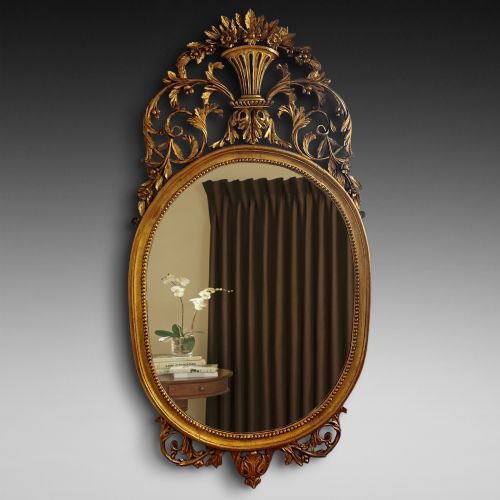
Carved giltwood mirror glass pieces rely on a wooden base framework, frequently constructed from pine or other timbers, which is then layered with gesso to receive intricate surface carving. Artisans applied gold leaf or composition over the gesso ground to achieve the characteristic metallic sheen. Painted wood variants also utilise contrasting black or coloured finishes alongside gilding.
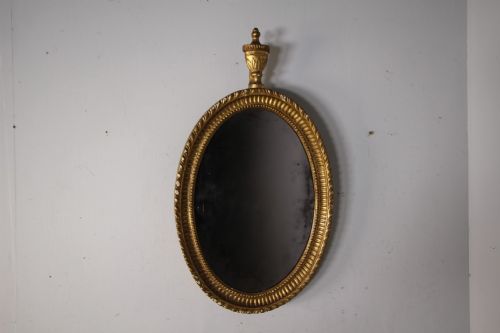
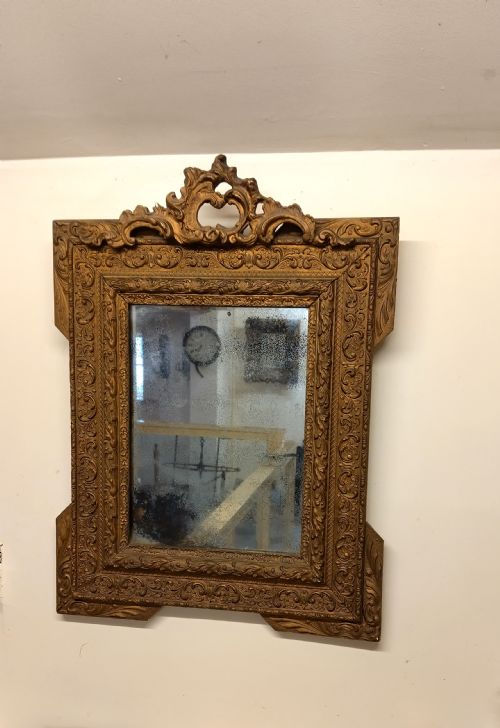
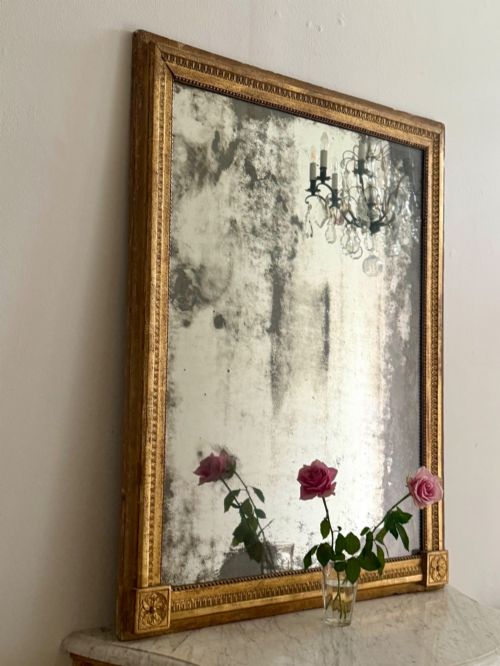
Mirror glass plates within these frames include original mercury glass, bevelled mirror plates, and verre eglomise panels. Older 18th-century examples often exhibit foxed mercury glass plates, while 19th-century pieces frequently retain original flat or bevelled glass.
Listings span the 18th century, 19th century, Regency, Georgian, and Victorian periods, featuring materials such as giltwood, gesso, gold leaf, and mercury glass.
What varies in quality
The standard of carving determines much of the distinction across these items, separating crisp, deep relief work from softer, moulded composition details. Hand-carved wood and gesso frames display sharper floral, mythological, and scroll motifs that hold their definition under the layers of gold leaf.
Preservation of the original glass plate and the underlying gilding further differentiates the range. Pieces retaining untouched foxed mercury glass or original Regency and Georgian plates command greater interest than later replacements.
The Carved Giltwood Mirror Glass Glossary
- Giltwood
- Wood that has been coated with gold leaf or a gold-coloured finish. This material defines the bright, reflective frames typical of these decorative mirrors.
- Gesso
- A plaster-like mixture applied to wooden frames as a smooth base for carving and gilding. It allows artisans to shape intricate ornamental details.
- Mercury glass
- A double-walled glass blown type silvered with a mercury amalgam between the layers. It produces a distinctive mottled reflection seen in older pieces.
- Pier mirror
- A tall mirror designed to hang on the wall between two windows, often placed directly above a matching console table.
- Verre eglomise
- A cold decoration technique where gilt and painted designs are applied to the reverse of glass panels. This adorns the upper sections of specific Regency pier mirrors.
- Foxed glass
- Mirror glass that has developed spots and discolouration due to the degradation of the backing over time. This ageing process creates a characteristic mottled appearance.
Carved Giltwood Mirror Glass: Frequently Asked Questions
How do I identify an 18th-century mirror?
Eighteenth-century examples, including George II and Georgian pieces, generally display hand-carved wooden frames beneath the gesso and gold leaf rather than mass-produced composition ornament. They frequently house original mercury glass plates with natural foxing.
Construction methods on these earlier items show traditional joinery and heavier timber bases compared to later Victorian reproductions.
Where should I hang an overmantel mirror?
Overmantel mirrors are traditionally proportioned to hang directly above a fireplace mantelpiece. Their wide frames and expansive glass plates were engineered to draw the eye and reflect room interiors.
Ensure the wall structure and fixings can support the substantial weight of these carved wood and gesso frames.
What causes foxing in mirror glass?
Foxing occurs when atmospheric moisture penetrates behind the glass plate and reacts with the silvering or mercury backing. This chemical breakdown creates dark spots and cloudy patches across the reflective surface.
Collectors often value this natural ageing process as evidence of genuine age on 18th-century and 19th-century mirror glass.