
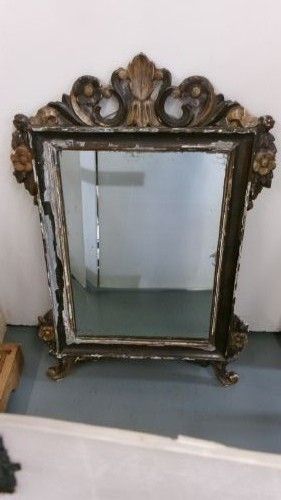

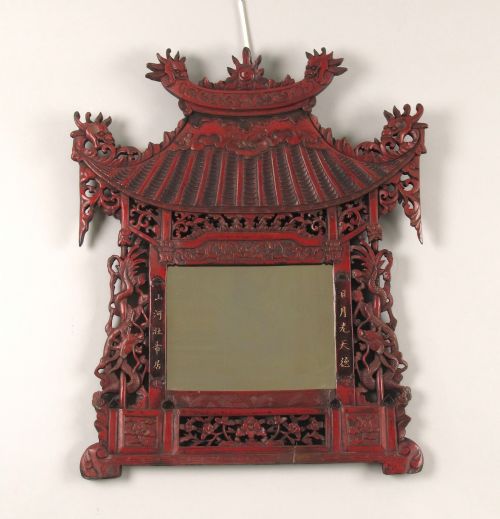


Carved Gilt Vanity Mirror
A carved gilt vanity mirror brings warmth and reflective light to a dressing table, combining decorative woodwork with functional glass.
Carved Gilt Vanity Mirror
When you search for a carved gilt vanity mirror, you encounter a selection of smaller looking-glasses designed for dressing tables, tabletops, and bedrooms. The examples recorded here span from the eighteenth century through the twentieth century, taking forms such as dressing table mirrors, toilet mirrors, and easel table mirrors.
The assortment includes pieces rendered in distinct regional traditions, from English walnut and mahogany designs to ornate Italian and French items. You will frequently find versions executed in the Rococo style or the Georgian manner, alongside later nineteenth and early twentieth-century interpretations.
How they were made
The construction relies heavily on traditional timber frames fashioned from walnut, mahogany, or carved wood, which provide a stable structural carcass. Artisans then applied gesso and gold leaf or paint to the wooden surface to achieve the characteristic gilded finish.
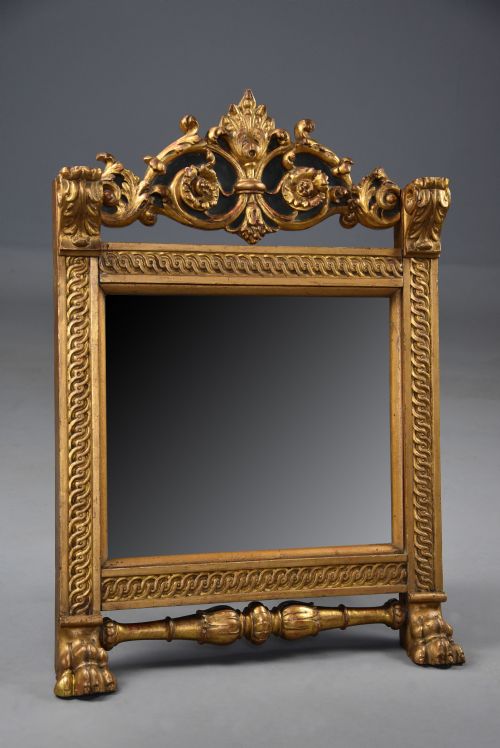
Carving techniques created intricate surface decoration, such as the elaborate scrolling foliage seen in Rococo items and the architectural fretwork typical of Georgian pieces. Mirrors were often fitted with pivoting frames or easel backs to allow adjustment on a tabletop or dressing surface.
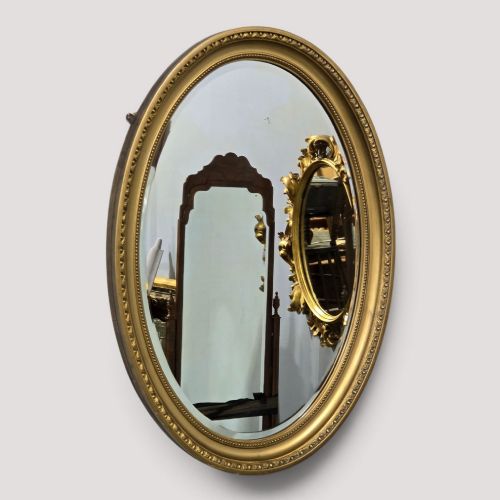
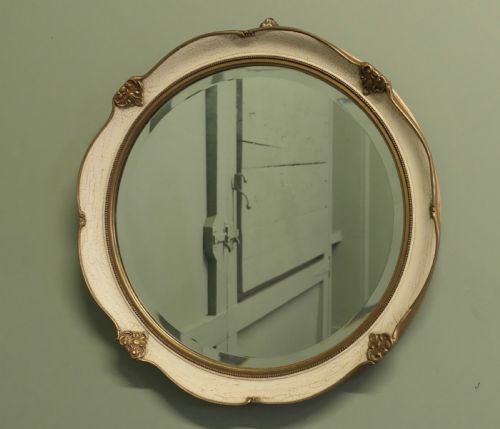
The object types span wall mirrors, table mirrors, dressing table mirrors, toilet mirrors, and vanity mirrors across Georgian, Victorian, and Rococo styles.
What varies in quality
The finesse of the woodwork and the depth of the carving separate standard items from finer examples. Hand-carved details in giltwood display crispness and nuance, whereas mass-produced or later revival pieces often rely on moulded composition ornament.
The preservation of the original gilding and the quality of the glass plate also distinguish the range. Finer pieces retain their historic surfaces, showing natural patination on the gold leaf and the underlying gesso.
The Carved Gilt Vanity Mirror Glossary
- Giltwood
- Wood that has been coated with gold leaf. This material forms the primary reflective frame for many traditional decorative mirrors.
- Gesso
- A plaster-like mixture applied to wood surfaces as a preparation for gilding. It allows craftsmen to carve intricate relief decoration before applying gold leaf.
- Toilet mirror
- A small mirror designed to sit upon a dressing table or chest. These pieces often feature pivoting frames supported by upright arms.
- Parcel gilt
- Woodwork that is partially gilded, leaving areas of natural wood grain visible alongside the gold leaf. This technique highlights specific carved details.
- Fret mirror
- A wall or dressing mirror featuring flat wooden frames cut with pierced scrollwork patterns. This style is particularly associated with Georgian craftsmanship.
Carved Gilt Vanity Mirror: Frequently Asked Questions
Where should I place a vanity mirror?
These mirrors suit dressing tables, chest tops, and console surfaces where they provide both a reflective function and a decorative focal point. They sit comfortably in bedrooms and dressing rooms.
Because many examples feature easel backs or pivoting frames, you can adjust the angle of the glass to suit the room's lighting and your eye level.
How do I date a gilt mirror?
Dating relies on observing the construction timber, the style of the carving, and the materials used in the gesso and frame. Eighteenth-century pieces often utilise walnut or mahogany carcasses with hand-cut fretwork or deep gesso moulding.
Later nineteenth and twentieth-century examples frequently adopt revival styles such as French Rococo or Renaissance Revival, incorporating machine-assisted elements or different backing boards.
What is the difference between a toilet mirror and a vanity mirror?
In historical terminology, toilet mirrors specifically denote small tabletop looking-glasses made for grooming during the eighteenth and nineteenth centuries. They usually incorporate small drawer bases or pivoting stands.
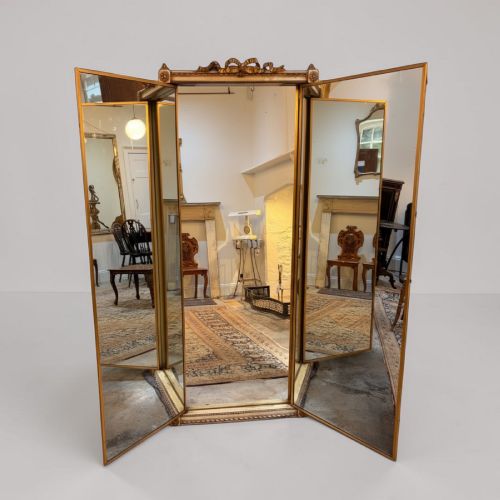
Vanity mirrors encompass a broader category of dressing table and tabletop looking-glasses across various periods, including folding triple mirrors and easel designs.
Are these mirrors fragile?
The combination of historic wood, gesso, and glass requires careful handling during placement and cleaning. Gilded surfaces can be sensitive to moisture and abrasive cleaning products.
Positioning them away from direct heat sources and strong sunlight helps preserve the integrity of the wood and the delicate gold leaf finish.