


Carved Gemstone Sculpture
A carved gemstone sculpture brings natural mineral colour and ancient carving skill straight to your room.
Carved Gemstone Sculpture
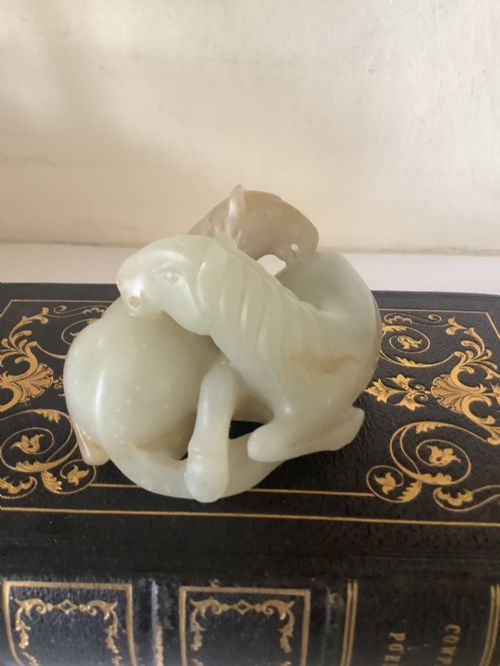
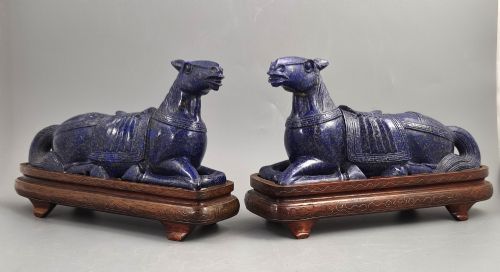
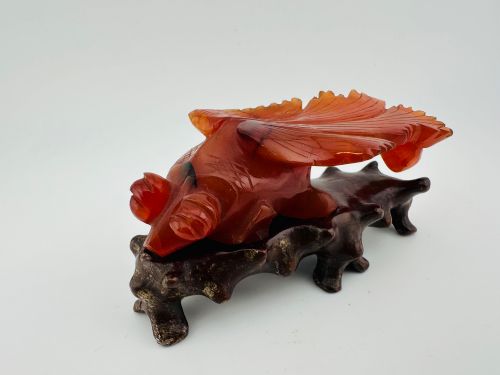
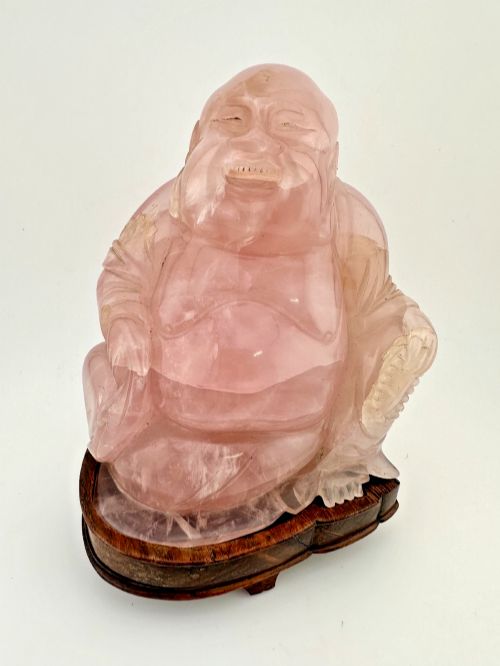
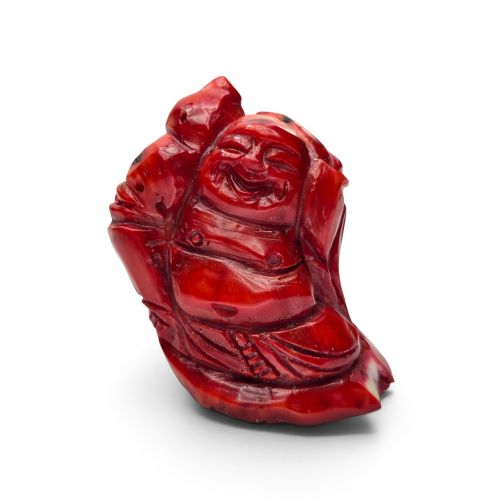
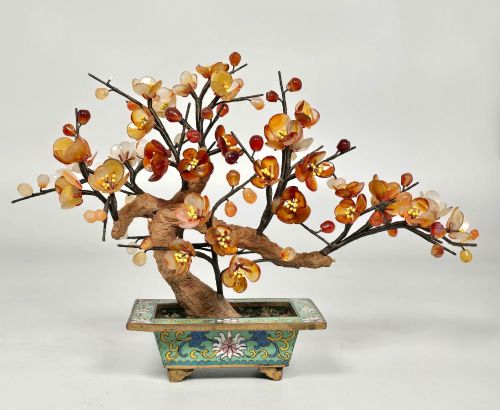
When you search for carved gemstone sculpture, you are looking at mineral carvings that range from nineteenth century items to pieces from the nineteen forties. The pieces on this page lean heavily toward Chinese decorative styles, including figures of horses, Buddha forms, goldfish and bonsai trees.
You will encounter various hardstone materials such as jade, lapis lazuli, carnelian agate, rose quartz and precious red coral. Many of these table ornaments and decorative sculptures retain their original fitted hardwood stands or incorporate silver inlaid work.
How they were made
The makers utilised natural minerals like jade, hardstone, agate, quartz and lapis lazuli, shaping tough stones into detailed figures and plant forms. These materials required patient abrasive grinding and cutting techniques.
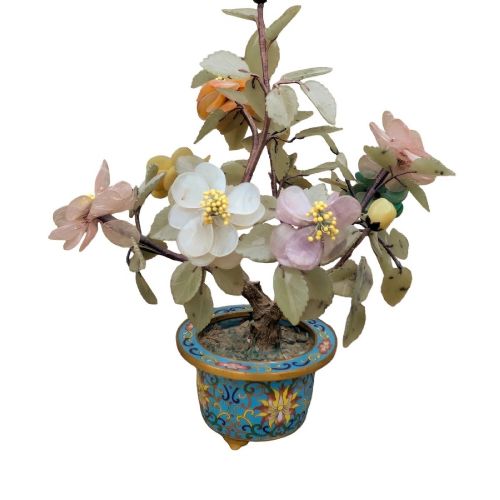
Many of the sculptures incorporate supplementary media, mounting hardstone flowers and cloisonné enamel into jardinières. Others rest upon carved hardwood bases or feature silver inlaid stands.
Listings feature periods spanning from the eighteen eighties to nineteen forty, predominantly showing Chinese decorative styles and bonsai forms.
What varies in quality
The degree of fineness in the carving separates simpler items from the top of the range. Natural stone variation also plays a role, with choice pieces showing striking colour distribution within the jade, agate or lapis lazuli.
Completeness alters the character of the piece, particularly where original fitted wooden stands or delicate cloisonné bonsai elements remain intact alongside the main gemstone sculpture.
The Carved Gemstone Sculpture Glossary
- Hardstone
- A generic term for semi-precious stones harder than ordinary marble, utilised for carvings and decorative objects. Craftsmen carved these dense minerals into complex figures and naturalistic forms.
- Cloisonne
- Enamelwork in which enamel compartments are created by soldering silver or gold wire onto a metal base. This technique appears frequently in the jardinières supporting gemstone bonsai trees.
- Budai
- A representation of the laughing Buddha depicted as a stout, jovial figure. These figures appear frequently in nineteenth century and early twentieth century quartz and coral carvings.
- Jardiniere
- An ornamental pot or stand designed to hold plants or flowers. In these listings, they typically house mixed hardstone and cloisonné bonsai trees.
Carved Gemstone Sculpture: Frequently Asked Questions
What materials make up a carved gemstone sculpture?
The listings show minerals like jade, lapis lazuli, carnelian agate, rose quartz and precious red coral.
Some examples also incorporate cloisonné enamel, silver inlay and carved hardwood stands.
How do I know the period of my sculpture?
Pieces span from the late nineteenth century through to nineteen forty, often reflecting Qing Dynasty or Republic Period traditions.
Stylistic cues and material handling help indicate whether a piece originates from the eighteen eighties or the nineteen thirties.
Were these sculptures meant as table ornaments?
Many items function specifically as decorative table ornaments or figural groups designed for display.
Examples like the recumbent horses and bonsai trees served primarily aesthetic purposes in traditional interiors.