


Antique Style Jade
Antique style jade brings together centuries of lapidary work, spanning intricate scholar's carvings and silver or gold jewellery.
Antique Style Jade
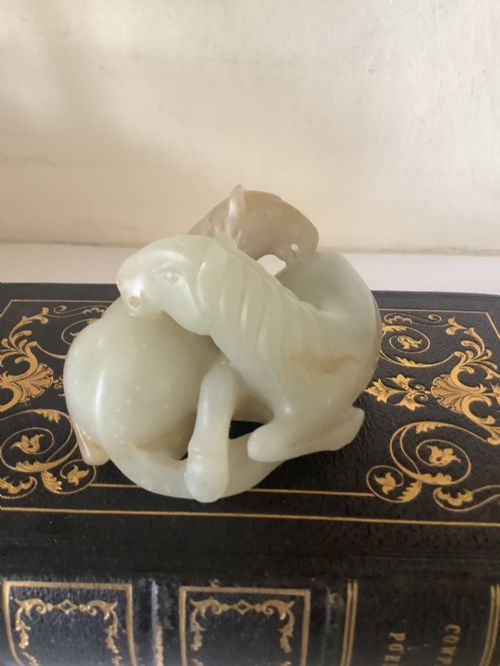
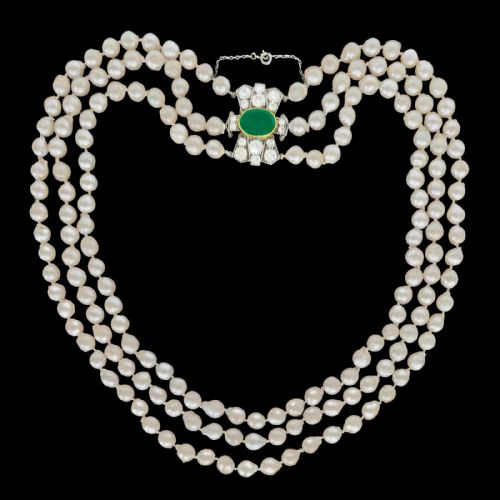
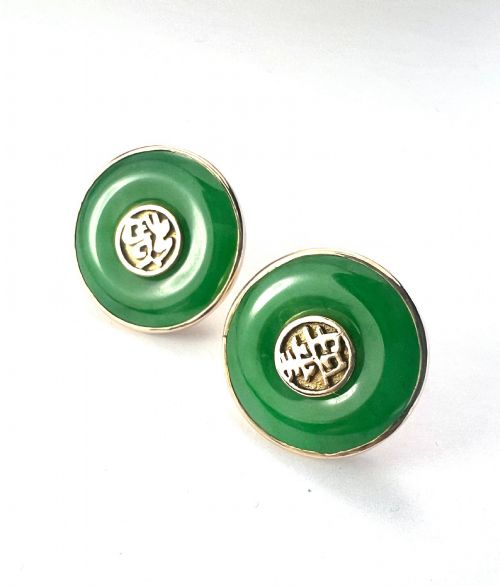
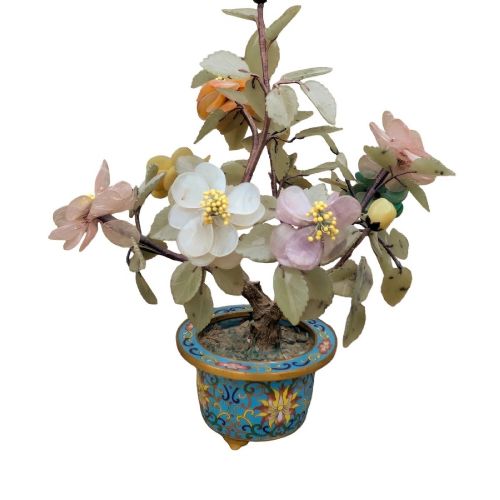
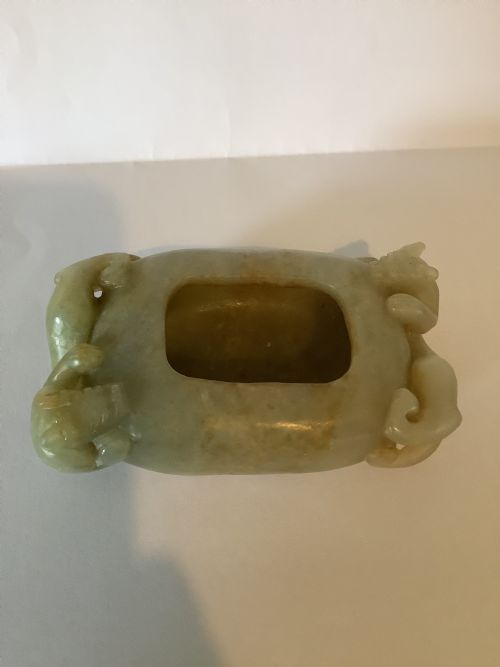
When buyers search for antique style jade, they encounter a diverse range of objects that cross multiple centuries and stylistic traditions. The selection includes decorative carvings, ceremonial vessels, scholar's items such as brush washers, and personal jewellery including rings and pendants.
The pieces on this page cover periods from the 18th Century through to the mid 20th Century, alongside Victorian interpretations and Art Deco designs. Traditional Chinese forms and Mughal influences appear frequently among the items currently listed.
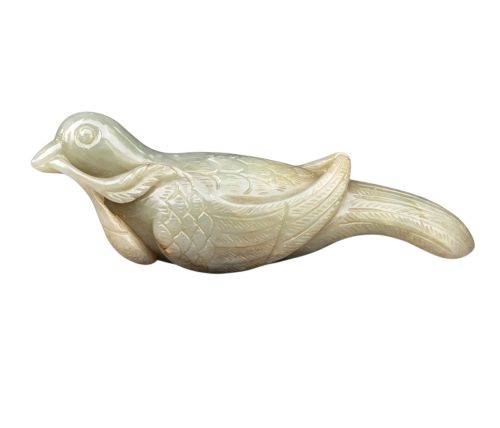
Object types vary widely, encompassing sculptures, incense burners, powder flasks, and belt buckles alongside necklaces and rings. Buyers are most likely to meet nephrite, white jade, celadon jade, and lavender jade carved into animal figures, vessels, and masks.
How they were made
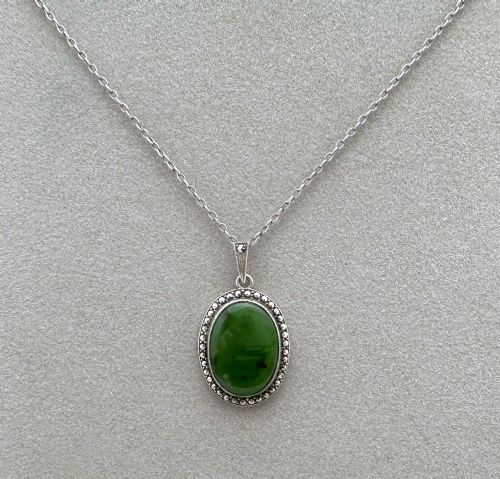
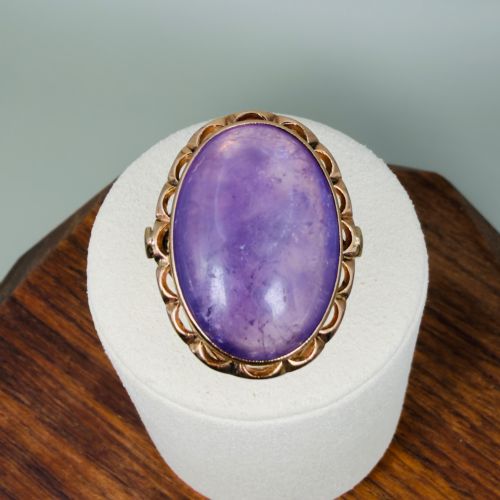
Mounts and clasps utilise precious metals including silver, 14ct rose gold, and standard gold settings. Pieces like Art Deco pendants and vintage rings integrate these metals securely with carved jadeite cabochons and pearls.
A powder flask carved from 19th Century white jade proves that even gunpowder management occasionally required imperial Mughal elegance.
What varies in quality
The sophistication of the lapidary work dictates the upper tier of the range, where fine carving brings out anatomical details in horses or intricate plumage in water birds. Superior items display a harmonious relationship between the natural tone of the stone and the subject carved from it.
Mount execution and metalwork finish differentiate jewellery pieces, where secure stone settings and balanced proportions elevate the object. Provenance or assay documentation, such as official gem reports, also separates standard items from exceptional examples.
The Antique Style Jade Glossary
- Nephrite
- A dense, tough amphibole mineral that forms one of the two distinct mineral species recognised as jade. It is historically favoured for weapons, tools, and intricate carvings.
- Celadon
- A term describing a pale green glaze or jade tone reminiscent of sea green ceramics. This subtle colourway appears frequently on scholar's carvings and vessels.
- Cabochon
- A gem polishing style where the stone is shaped and polished with a smooth, convex upper surface rather than faceted. This cut highlights the internal lustre and colour of lavender and green jade.
- Mughal
- Pertaining to the art and lapidary traditions of the Mughal Empire, known for delicate floral designs and thin-walled jade vessels. Pieces in this style often incorporate refined decorative details.
- Brush Washer
- A scholar's vessel designed for cleaning calligraphy brushes in traditional East Asian studies. These items frequently take carved forms such as shallow bowls or naturalistic basins.
Antique Style Jade: Frequently Asked Questions
What is antique style jade?
Antique style jade refers to carved mineral objects and jewellery that either date from historical periods or adopt traditional Asian and Art Deco design motifs. The category includes everything from scholarly desk items to personal adornments.
Buyers find materials ranging from white and celadon nephrite to lavender jade, set within gold, silver, or left as standalone sculptures.
How are different jade periods told apart?
Periods are identified through a combination of stylistic markers, carving depth, and associated metalwork techniques. Eighteenth-century pieces often reflect Qing Dynasty or Qianlong imperial aesthetics.
Later items from the 1920s and 1930s frequently incorporate Art Deco geometries, while mid-century examples utilise standard gold settings for cabochon stones.
Were these jade items used daily?
Many items served practical functions within scholarly or ceremonial contexts, such as water washers for ink preparation, incense burners, and belt buckles. Other objects, like talismans and pendants, served personal or spiritual purposes.
Jewellery pieces like rings and necklaces were worn for fashion and status during the Victorian era and the 20th century.
How do I care for jade jewellery?
Jade is a remarkably tough stone due to its interlocking microfibrous structure, but it still benefits from gentle handling. Clean pieces with warm soapy water and a soft cloth, avoiding harsh chemical ultrasonic cleaners.
Store jade jewellery separately from harder gemstones to prevent scratching any accompanying pearls or precious metal mounts.