



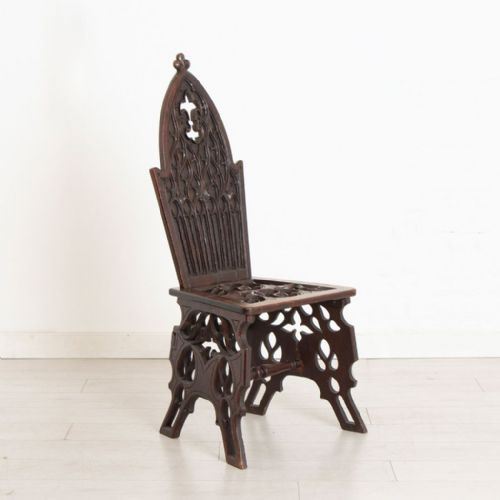
Carved French Oak Seating
Carved french oak seating brings substantial timber and regional character into a room, offering robust dining chairs, settles, and armchairs built to last.
Carved French Oak Seating
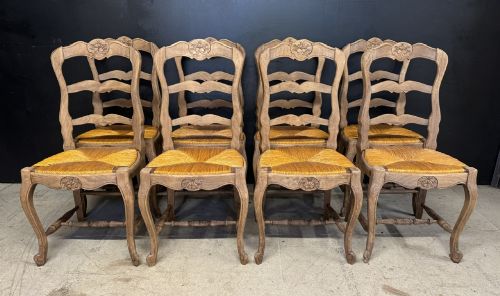
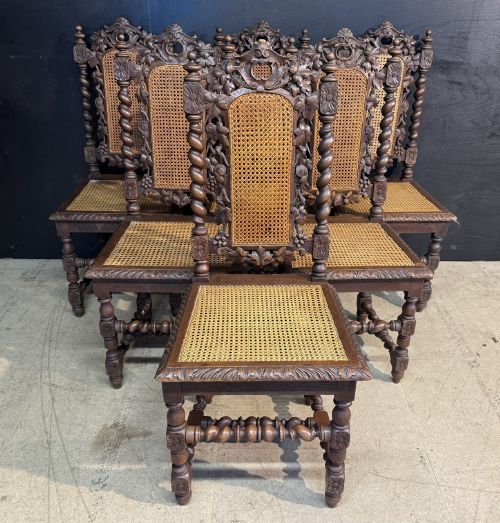
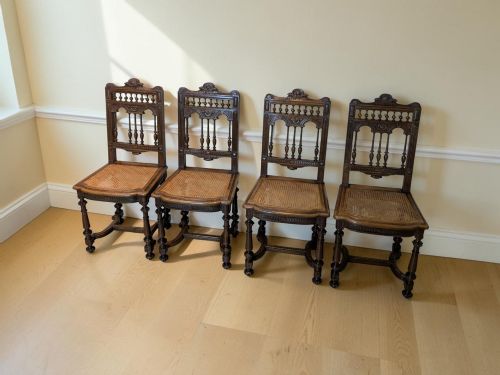
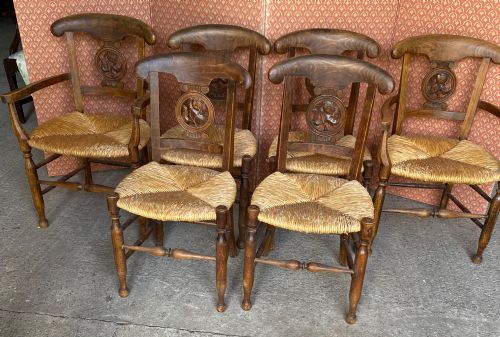
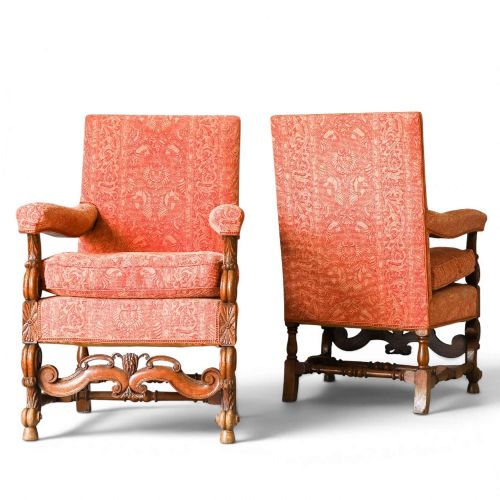
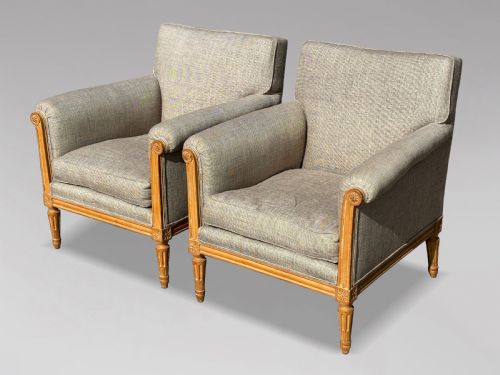
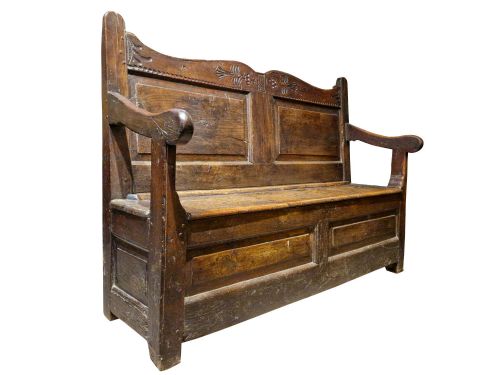
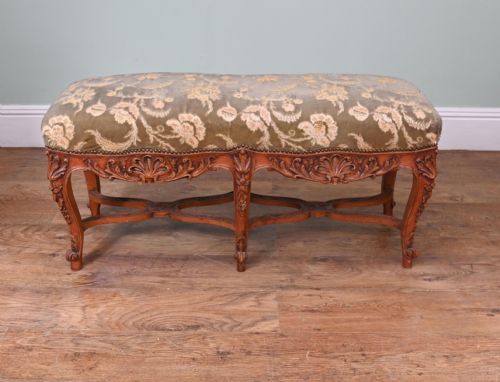
When you search for carved french oak seating, you encounter a robust mix of regional and revival forms spanning multiple centuries. The selection centres heavily upon dining chairs, armchairs, settles, and window seats rooted in French provincial and revival traditions.
You are most likely to meet nineteenth-century examples, ranging from ladder-back kitchen chairs with rush seats to heavily carved Renaissance and Gothic revival armchairs. Pieces emerge from periods including the eighteenth, nineteenth, and early twentieth centuries, constructed primarily in solid oak.
Forms vary from pairs of armchairs to sets of six or eight dining chairs, alongside occasional daybeds and footstools. These items reflect both rustic utility and formal revivalism across French regional centres.
Materials and construction methods
Makers relied on solid oak as the primary structural timber, complemented by secondary timbers and hardwoods where appropriate. Joinery combined traditional framing with hand-carved ornamentation executed directly into the dense grain.
Seating surfaces incorporate woven rush, natural cane, rattan cane, leather, and various upholstery fabrics. Frames frequently demonstrate deep relief carving characteristic of provincial workshops and revivalist studios.
Some nineteenth-century French armchairs were thoughtfully scaled down as child-sized bergères, offering miniature comfort with full-scale carved elegance.
Evaluating quality and execution
Quality reveals itself in the crispness of the hand-carving and the structural integrity of the oak frame. Superior pieces maintain tight joints and retain original rush or cane work without undue sagging or replacement.
The depth and complexity of the carved motifs distinguish standard provincial output from ambitious revival pieces. Harmony between the timber frame and the upholstery materials dictates the overall success of the seating.
The Carved French Oak Seating Glossary
- Bergère
- An enclosed upholstered armchair with wooden framing, often featuring cane panels to the sides and back. This form appears frequently in nineteenth-century French seating.
- Settle
- A wooden bench with a high back, solid arms, and a box seat underneath for storage. These robust items provide traditional seating for hallways and kitchens.
- Rush
- Dried marsh grass twisted into cords and hand-woven to form durable chair seats. It is commonly found on ladder-back dining chairs.
- Fauteil
- An open-armed upholstered armchair with exposed wooden armrests and legs. These formal seats often display characteristic French revival carving.
- Ladder-back
- A chair back constructed with multiple horizontal wooden slats between the upright posts. This traditional regional style supports woven seating materials.
Carved French Oak Seating: Frequently Asked Questions
How do I care for antique oak seating?
Maintain a stable room climate away from direct heat sources to prevent the solid oak from splitting. Apply traditional wax polish sparingly to nourish the timber surface without building up residue.
Protect cane and rush panels by avoiding excessive downward pressure and keeping the natural fibres conditioned with slight moisture when rooms turn dry.
What is the difference between provincial and revival styles?
Provincial seating reflects practical regional traditions, often favouring simpler ladder-backs with rush seats designed for everyday kitchen or dining use.
Revival styles look back to historical periods like the Renaissance or Louis eras, incorporating elaborate carved ornamentation and formal upholstery for grander interiors.
Are these chairs suitable for daily dining?
Most antique oak dining chairs and sets are structurally sound for regular use, provided the joints remain tight and stable. Solid timber construction offers substantial durability for everyday meals.
It remains wise to check the capacity of woven rush or cane seats before hosting heavy daily usage around the dining table.
How do I identify a nineteenth-century piece?
Examine the tooling marks on the oak and the consistency of the hand-carved details, which often reflect nineteenth-century revival enthusiasm. Tool marks and timber ageing provide clues to the production era.
Hardware, joinery methods, and the style of the upholstery support accurate dating alongside regional design markers.