






Carved French Architectural Salvage
Carved french architectural salvage brings historic chateau and provincial woodwork, from panels to doors, directly into modern interiors.
Carved French Architectural Salvage
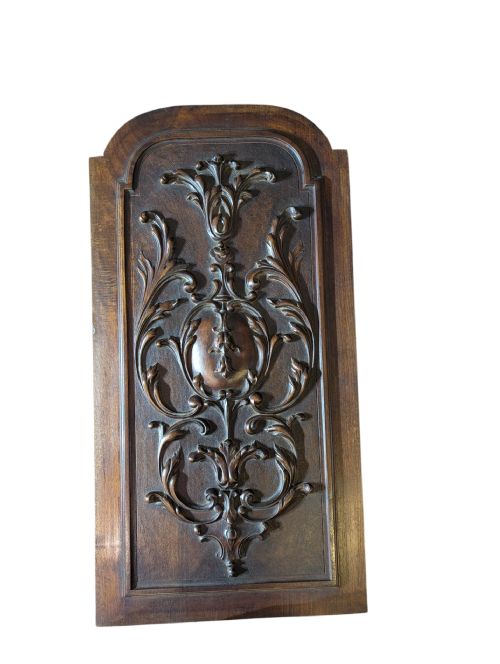
When you search for carved french architectural salvage, you encounter structural and decorative elements rescued from period buildings. These pieces originate primarily from the eighteenth and nineteenth centuries, spanning distinct regional styles like baroque, rococo, and provincial.
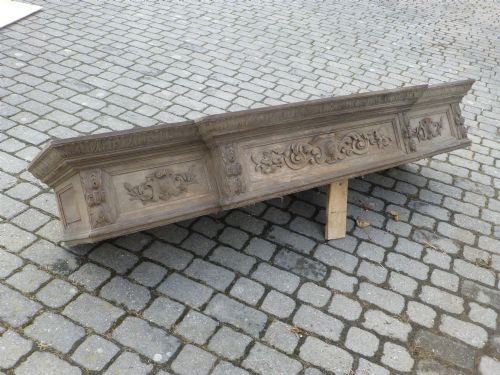
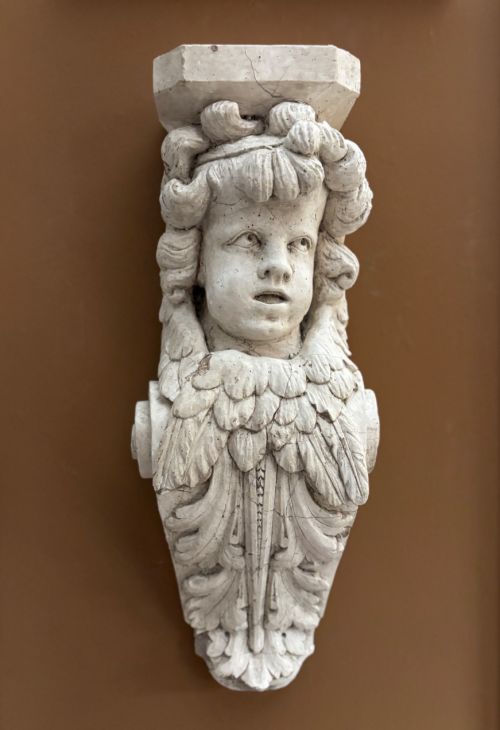
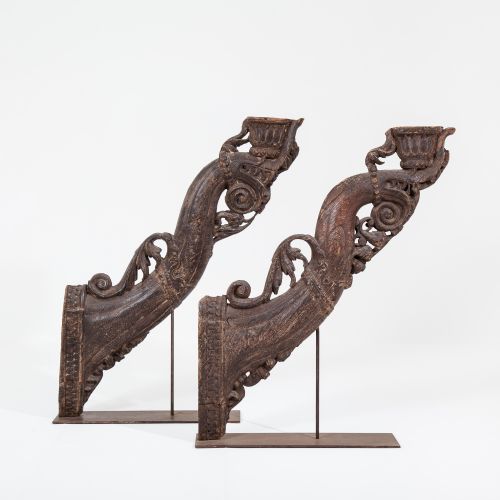
The items on this page range from large doors and wall panels to smaller wall brackets, corbels, and bed canopies. Oak, walnut, and cherrywood form the structural foundation of these rescued fragments.
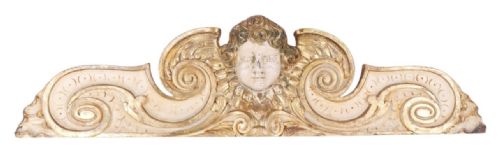
Most examples arrive from French chateaux and townhouses, showing the heavy hand-carved ornamentation typical of European domestic architecture. You will frequently find painted surfaces, gilt gesso, and exposed timber in various states of preservation.
Materials and construction methods
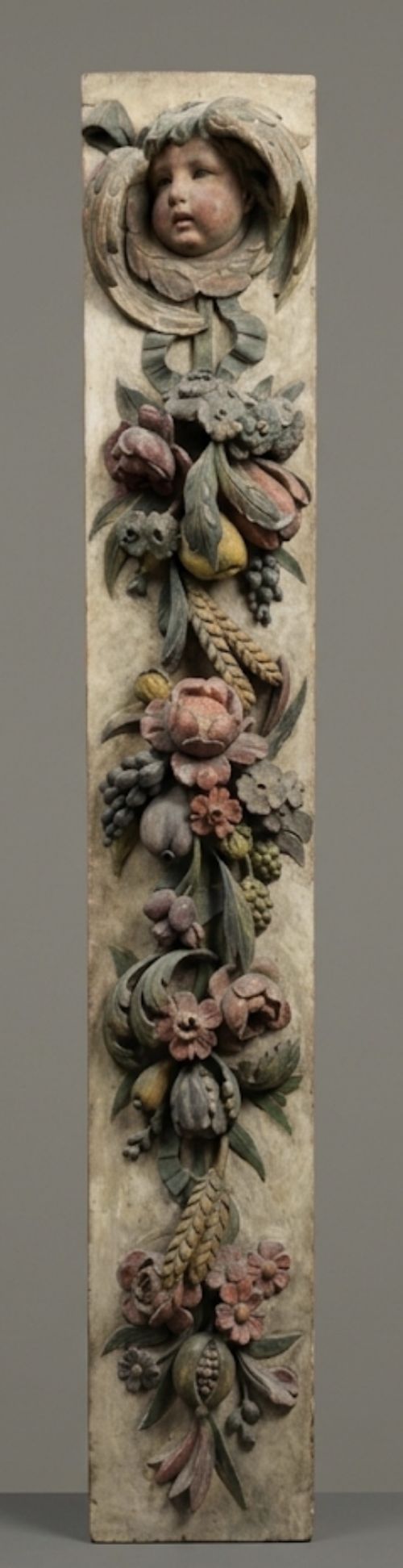
The makers of these architectural elements relied on solid hardwoods such as oak, walnut, and cherrywood, carved entirely by hand. Artisans utilised traditional joinery and deep relief carving to create complex motifs like cherubs, putti, and acanthus leaves.
Many surfaces received layers of paint, gesso, or gold leaf to enhance the decorative impact within grand rooms. Over the centuries, these finishes have developed natural wear and patination that reveal the underlying timber and plaster.
Listings feature eighteenth and nineteenth century oak, walnut, and cherrywood elements including doors, panels, and stone corbels.
Judging the quality of carved elements
Quality in these salvaged pieces rests on the depth, sharpness, and fluidity of the hand carving. Superior examples exhibit expressive detail in figures like cherubs and angels, whereas lesser pieces show mechanical or shallow execution.
The integrity of the original material and the preservation of historic surface treatments, such as early paint or gold leaf, also define the tier of the piece. Balanced proportions and complete matching pairs command greater architectural presence than isolated fragments.
The Carved French Architectural Salvage Glossary
- Boiserie
- Carved wood panel measured for interior wall decoration. These panels define grand French rooms of the eighteenth and nineteenth centuries.
- Corbel
- A structural stone or wooden bracket projecting from a wall to support weight. Many surviving examples take decorative figural forms.
- Gesso
- A plaster mixture applied to wood surfaces as a base for gilding or painting. It accepts fine detail work before leaf application.
- Pediment
- The triangular or decorative gable above a door, window, or piece of furniture. It often carries heavy carved ornamentation in architectural settings.
- Putto
- A figure of a small infant, frequently winged, carved in relief on panels and brackets. These figures appear widely in baroque and rococo decoration.
Carved French Architectural Salvage: Frequently Asked Questions
How do I hang a heavy wooden panel?
Heavy architectural panels require secure anchoring directly into wall studs using steel battens or heavy-duty French cleats. Weight distribution is critical given the density of old oak and walnut.
Consult a professional installer to assess the wall structure before mounting large carvings or doors.
Can I use antique doors as room dividers?
Antique doors function effectively as room dividers when mounted on heavy sliding tracks or hinged floor pivots. Their substantial timber construction provides a solid physical barrier between spaces.
Ensure the frame and hardware can support the considerable weight of nineteenth-century hardwood doors.
Should I clean chipped paint on salvage?
Preserve original chipped paint and distressed surfaces, as these layers contribute historic character and visual depth. Aggressive cleaning or stripping removes the patination gathered over centuries.
Dust gently with a dry brush and avoid chemical solvents that might react with old gesso or pigment.
How do I date a carved wooden bracket?
Examine the tool marks, timber species, and stylistic vocabulary to determine the period of a carved bracket. Eighteenth-century pieces typically display asymmetric rococo curves, while Victorian items lean toward heavier neoclassical symmetry.
Nail holes, saw marks, and wood shrinkage patterns further indicate the age of the piece.