

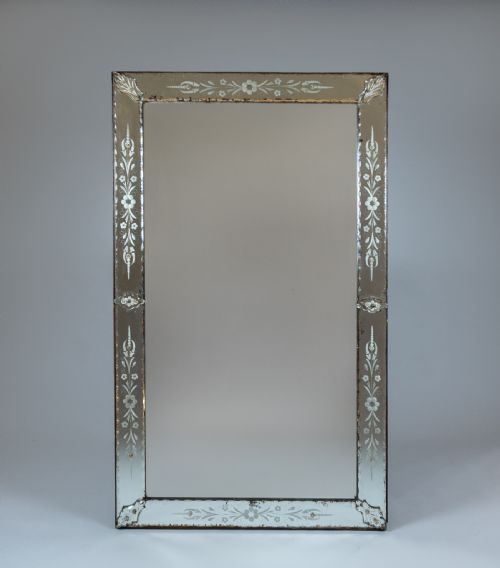
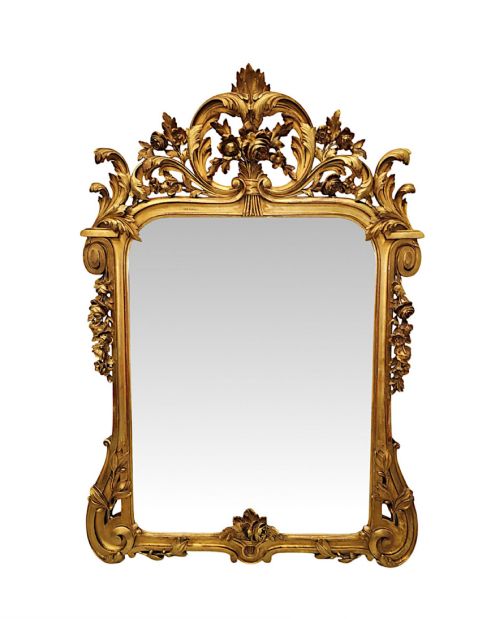
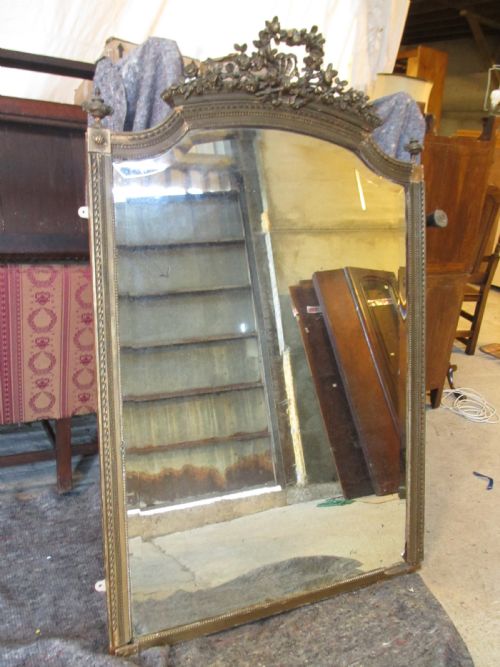
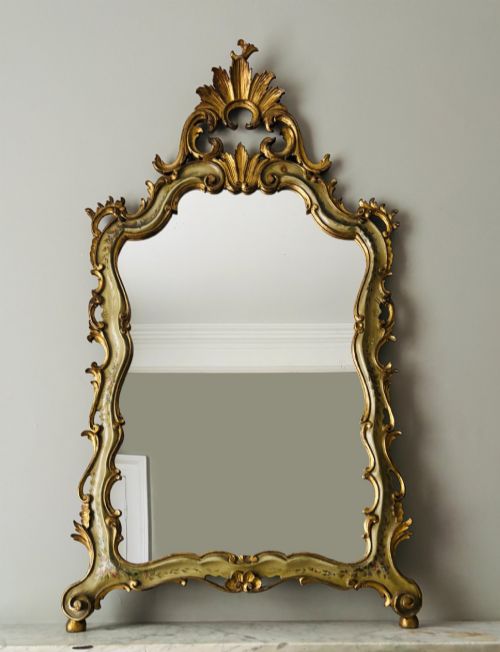


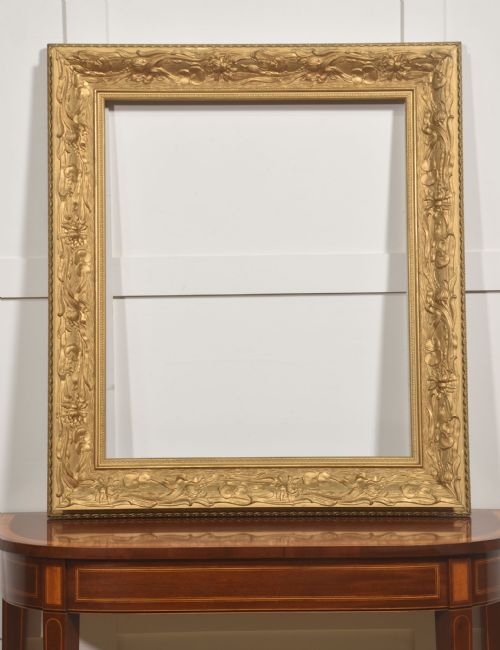
Carved Floral Wall Mirror
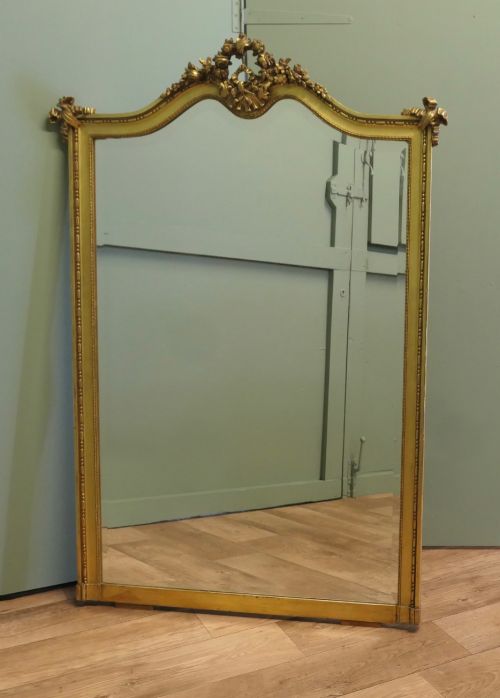
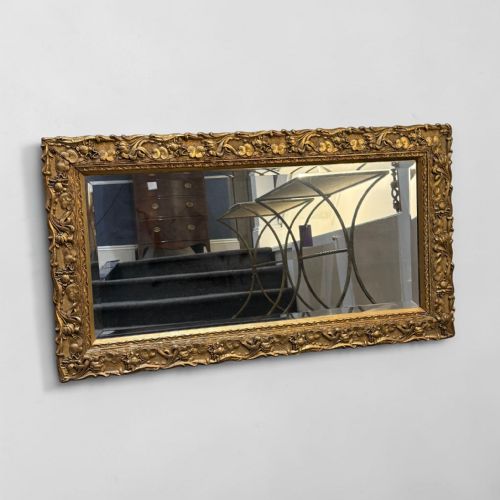
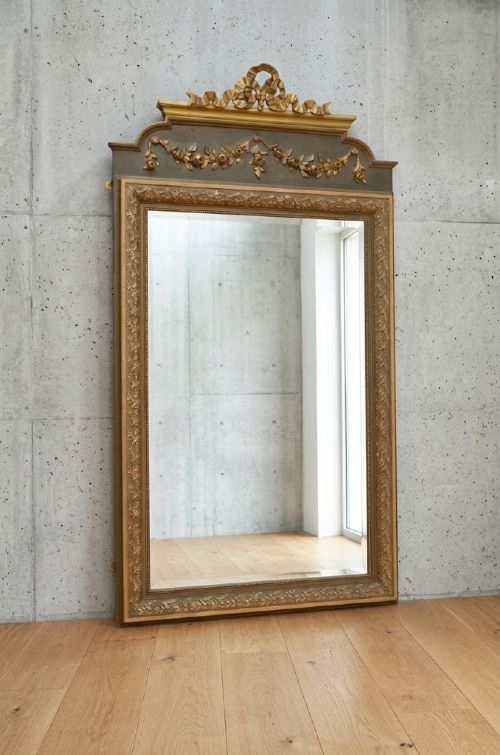
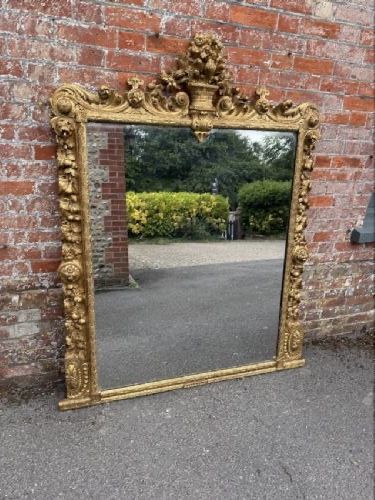
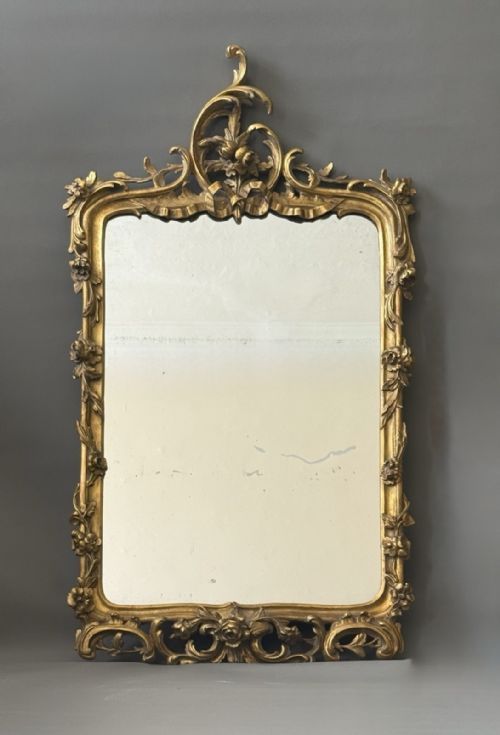
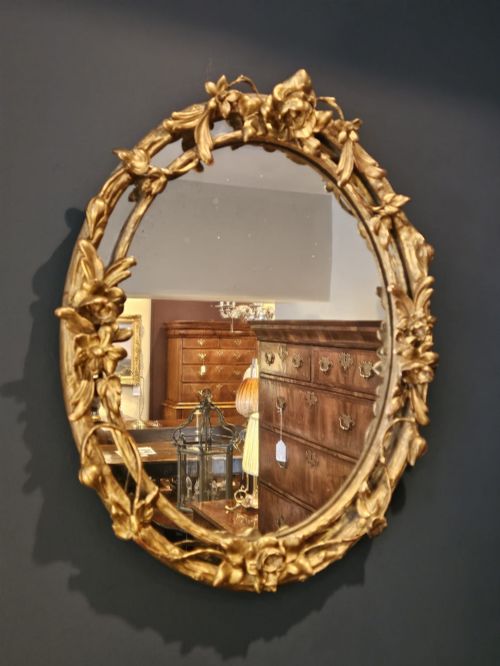
A carved floral wall mirror brings organic movement and historical depth into a room through carved wood, giltwood, and gesso.
Carved Floral Wall Mirror
A carved floral wall mirror is a reflective glass panel set within a decorative wooden or gesso frame adorned with plant motifs, flowers, and vines. When you search for a carved floral wall mirror, you encounter pieces originating from the eighteenth, nineteenth, and early twentieth centuries.
How they were made
Carved floral wall mirrors rely on solid timber foundations such as walnut, pine, beech, and mahogany, shaped through hand carving. Artisans applied layers of gesso to wooden substrates to build up relief details before gilding them with gold leaf or applying paint.
Surface finishes include painted wood, reverse painting, etching, and giltwood treatments that highlight carved rose vines, lilies of the valley, and ribbon crests. Mirrors often combine original antique glass plates with structural frames joined by traditional methods.
Carved Floral Wall Mirror Retail Price Guide 2026
Typical asking prices for carved floral wall mirror among the pieces listed under this phrase on Sellingantiques today, from the lower quarter to the upper quarter. They describe what is for sale here now, not the wider market.
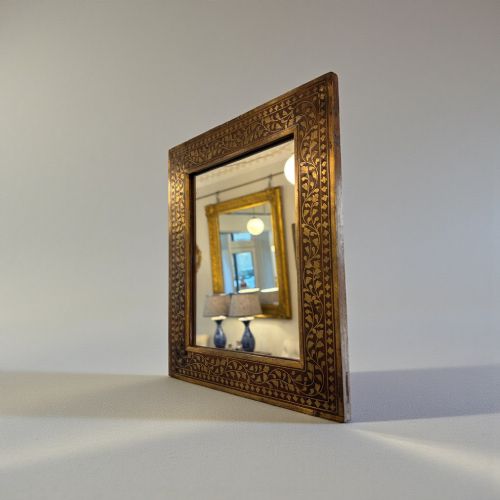
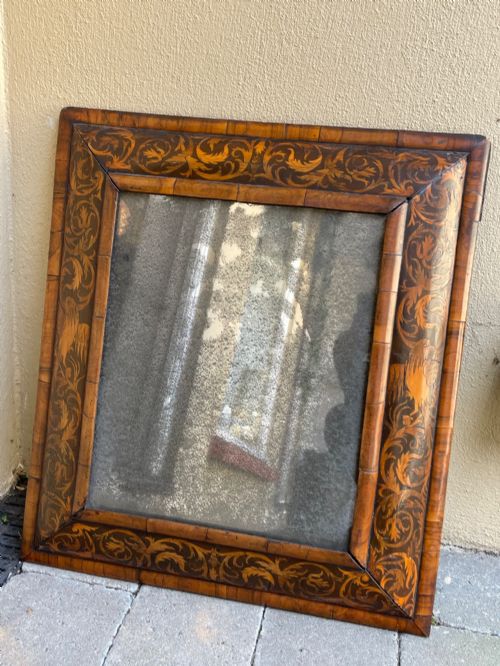
Listings span from the 18th century to the 1930s, featuring materials such as giltwood, gesso, walnut, brass inlay, and painted wood.
What varies in quality
Quality in a carved floral wall mirror rests upon the crispness and depth of the hand carving within the wood or gesso. Skilled carvers achieved naturalistic movement in floral and vine motifs, whereas lesser examples present shallow, rigid ornamentation.
The integrity of the surface finish further distinguishes the pieces, from finely applied gold leaf and hand-painted details to later, heavier repaint layers. The preservation of original mirrored plates and structurally sound timber frames also marks the upper tier of the range.
The Carved Floral Wall Mirror Glossary
- Giltwood
- Wood that has been coated with gold leaf or gold paint. This finish creates a reflective, luminous surface on ornate frames.
- Gesso
- A plaster-like mixture applied to wood frames to create a smooth surface for carving and gilding. Artisans built up relief details in gesso before applying gold leaf or paint.
- Overmantel mirror
- A large mirror designed to hang above a fireplace mantel. These pieces often feature architectural proportions and elaborate crests.
- Trumeau mirror
- A decorative wall mirror combined with a painted panel or artwork above the glass. Originating in French interiors, these tall pieces integrated into wall panelling.
- Pier glass
- A tall mirror designed to hang on the wall space between windows. They frequently sat above small console tables in nineteenth-century rooms.
Carved Floral Wall Mirror: Frequently Asked Questions
How do I hang a heavy overmantel mirror safely?
Large overmantel mirrors require professional wall anchors suited to the weight of the timber frame and glass plate. Fixing the mirror directly to wall studs ensures stable load distribution.
Position the mirror at a height that reflects natural light from windows or balances the proportions of the surrounding furniture.
How do I clean an antique mirror frame?
Dust giltwood and painted carved frames gently with a soft, dry brush to protect delicate gesso and gold leaf layers. Avoid using liquid cleaners or abrasive cloths on the carved surfaces.
Glass plates tolerate mild glass cleaner applied to a cloth rather than sprayed directly, preventing moisture from seeping behind the frame.
How do I identify a Victorian floral mirror?
Victorian examples frequently display dense floral carvings such as rose vines, lilies, or naturalistic foliage rendered in giltwood or dark timber. These pieces often take the form of substantial overmantels or rectangular wall hangings with bevelled glass.
Maker styles and registration marks sometimes accompany nineteenth-century pieces, distinguishing them from earlier eighteenth-century Rococo or later twentieth-century revival works.
Where should I place a floral wall mirror?
Hang a carved floral wall mirror opposite a window to maximise natural light distribution across the room. Entryways, living spaces, and above mantelpieces serve as traditional locations for these decorative forms.
The scale of the mirror should correspond to the wall space, allowing the carved frame to act as a focal point.