
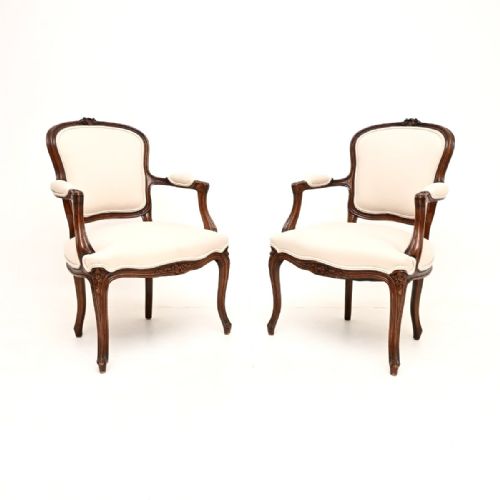
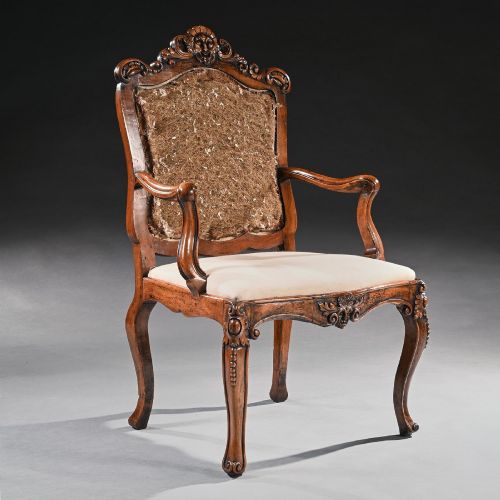
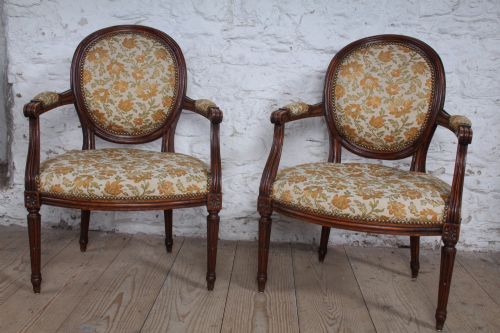
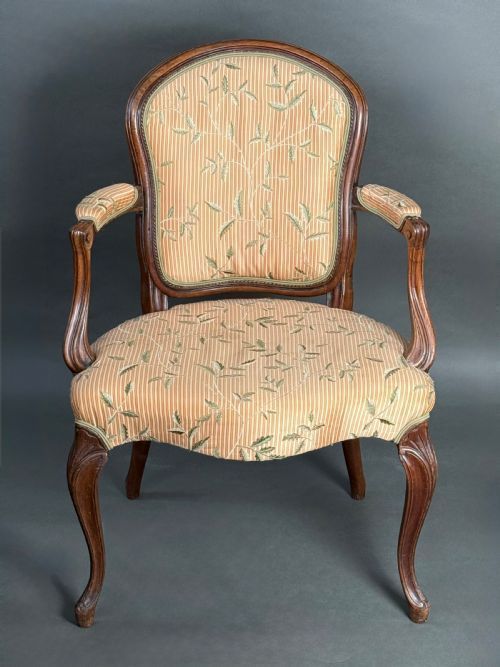
Carved Fauteuil Chair
When you search for a carved fauteuil chair, you are seeking an open-armed seat rooted in French seating traditions.
Carved Fauteuil Chair
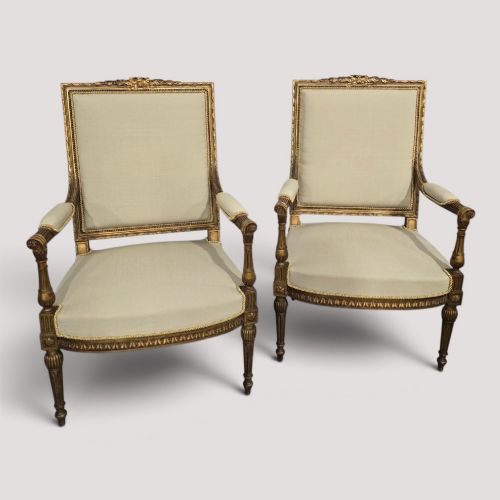
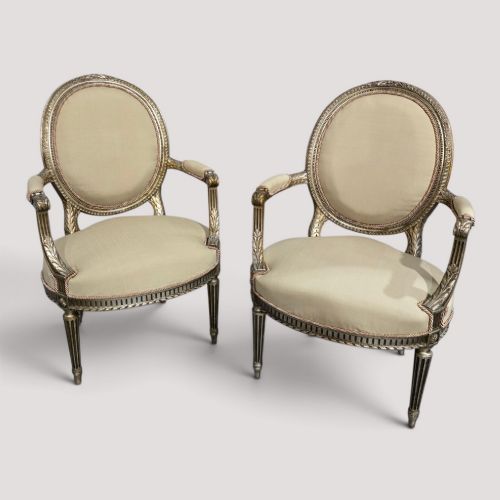
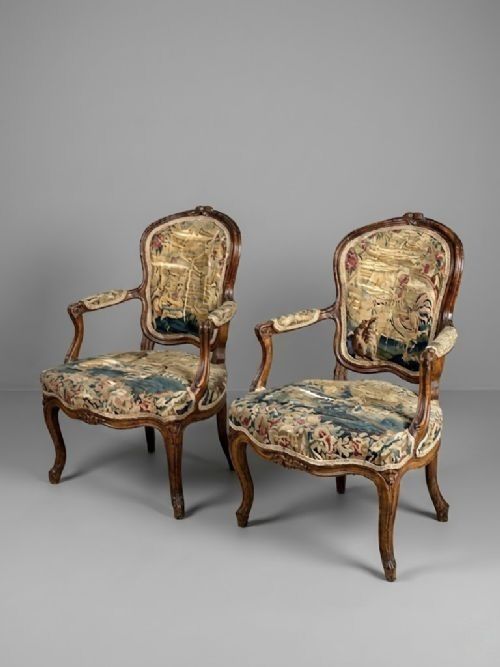
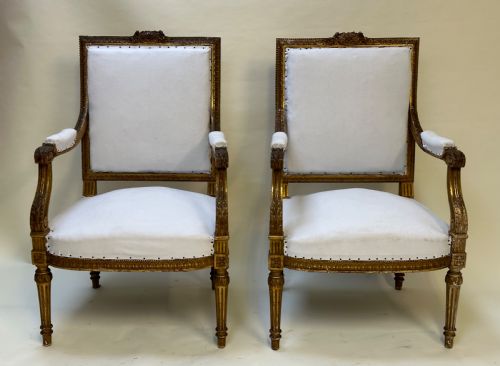
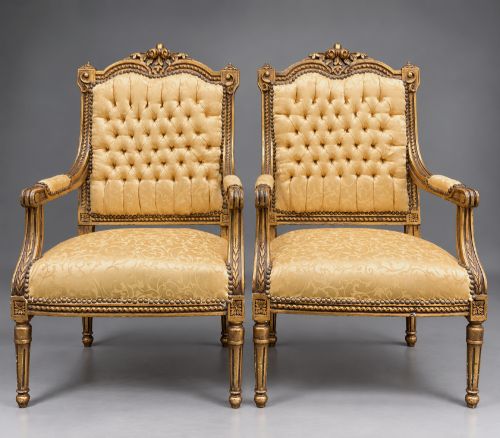
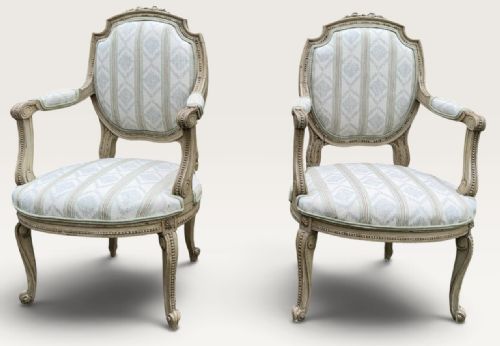
A carved fauteuil chair represents an open-armed seating form designed primarily in French styles such as Louis XV, Louis XVI, and Regence. These upholstered open armchairs span multiple centuries, with significant representation from the eighteenth and nineteenth centuries.
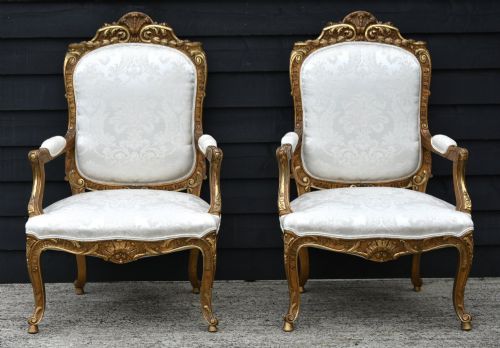
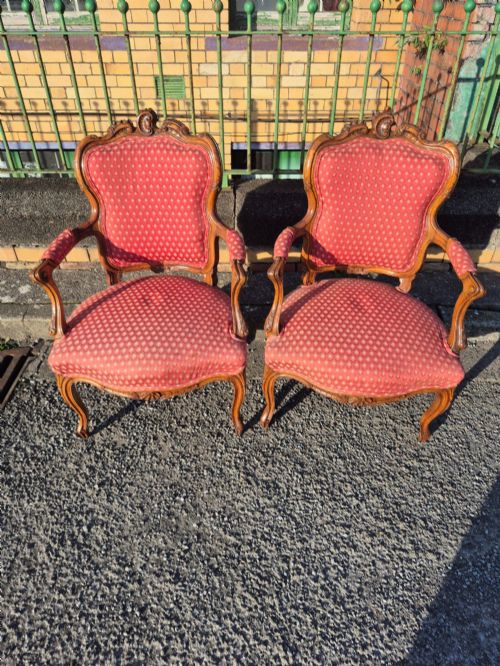
Buyers frequently encounter nineteenth-century revival pieces alongside genuine eighteenth-century examples, often fashioned from walnut, beech, or giltwood. The form functions as a prominent salon or drawing-room seat, balancing structural woodwork with textile upholstery.
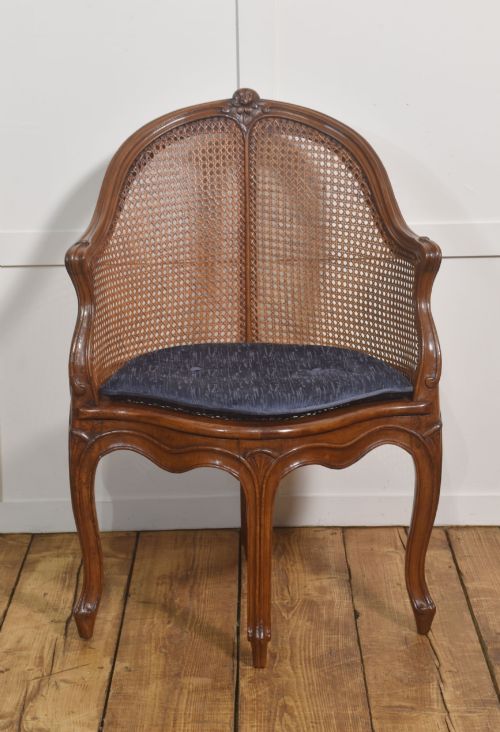
Regional variations extend beyond standard French designs to include Italian and English interpretations featuring comparable carved wooden frames and open elbow supports.
How They Were Made
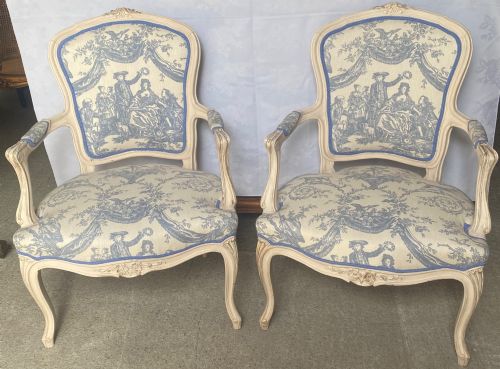
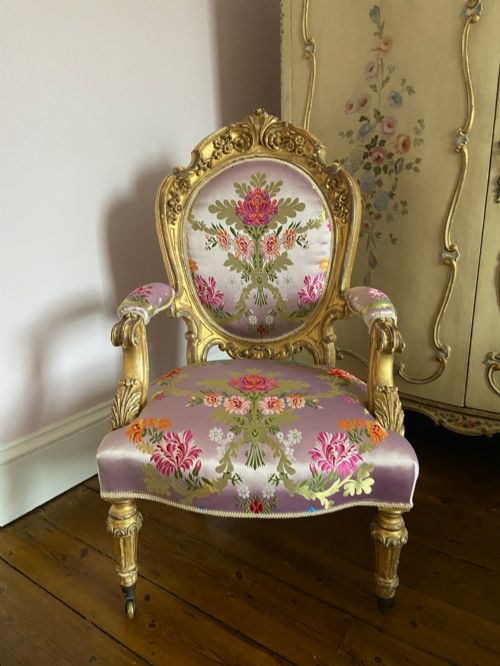
Cabinetmakers shaped the structural frames from solid hardwoods like walnut, beech, oak, and mahogany, applying intricate hand-carved detailing directly into the timber. Many frames received finishes such as giltwood, parcel gilt, original paint, or ebonisation to enhance the decorative surface.
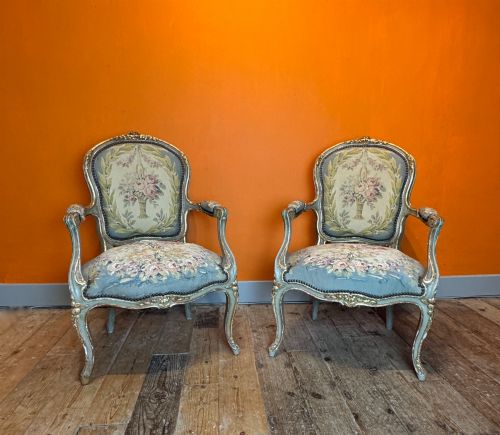
Upholstery techniques incorporated traditional materials including silk, velvet, tapestry, needlework, and fabric secured to the open arm framework. Artisans frequently utilised webbing and stuffing to build up the seat and back support before applying the final textile covering.
Some nineteenth-century makers borrowed eighteenth-century style books so enthusiastically that even the armrests developed elaborate architectural opinions.
What Varies in Quality
The sophistication of the hand-carving defines the upper tier of these armchairs, showing crisp depth, fluid lines, and balanced proportions across the wooden frame. Lesser examples display mechanical stiffness or shallow detail work that lacks the organic flow of the design style.
The integrity of the timber and the authenticity of the finish separate exceptional pieces from ordinary ones, particularly where original gilding or period paint survives intact. Superior upholstery choices, including period tapestry or documented silk fabrics, elevate the overall execution.
Jacob Desmalter·Thomas Chippendale·Blaise Maucuy
The Carved Fauteuil Chair Glossary
- Giltwood
- Timber coated with a thin layer of gold leaf or gesso preparation. It provides a bright, reflective surface common on high-status seating.
- Tapestry
- A heavy hand-woven textile featuring pictorial or decorative designs. It serves as a durable and ornate upholstery covering for historic chairs.
- Parcel Gilt
- A finishing technique where only specific raised portions of the carved wooden surface receive gilding. The remaining areas display paint or polished wood.
- Rococo Revival
- A nineteenth-century design movement mimicking the asymmetrical scrolls and shell motifs of the eighteenth-century French style. It relies on curved structural lines.
Carved Fauteuil Chair: Frequently Asked Questions
What is a carved fauteuil chair?
A carved fauteuil chair is an open-armed wooden armchair originating primarily from French decorative traditions. These seats feature exposed carved frames combined with upholstered backs and seats.
Craftsmen shaped these chairs across various historical periods, incorporating styles from the seventeenth century through to later revival eras.
How do I identify a period frame?
Identifying the period relies on examining the timber species, joint construction methods, and the specific style of the hand-carved ornamentation. Details such as tool marks and wear patterns provide clues to age.
Revival pieces from the nineteenth century often copy eighteenth-century motifs but use nineteenth-century manufacturing techniques and hardware.
Where were these armchairs placed?
These armchairs served as prominent seating within formal salons, drawing rooms, and libraries of historic homes and chateaux. Their decorative open frames allowed them to sit visibly in the centre of a room rather than against walls.
They functioned as comfortable seating for conversation or reading while displaying the wealth and taste of the owner.
How should I care for antique upholstery?
Preserving historic textiles like silk, velvet, or tapestry requires shielding the fabric from direct sunlight and regular gentle dusting. Professional textile conservation prevents the fibres from degrading over time.
The underlying wooden frame benefits from occasional gentle cleaning with appropriate wood care products that protect the original finish or gilding.