

Carved Drop Leaf Table
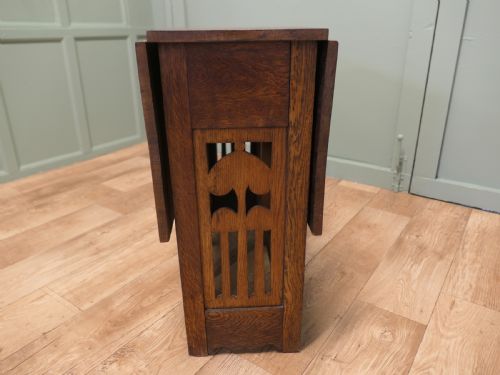
A carved drop leaf table provides a folding surface with sculpted wooden detail, serving homes that need flexible dining and parlour furniture.
Carved Drop Leaf Table
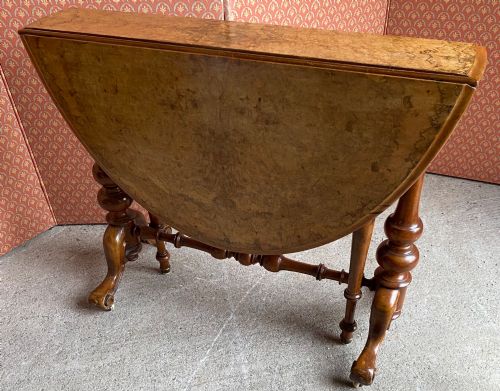
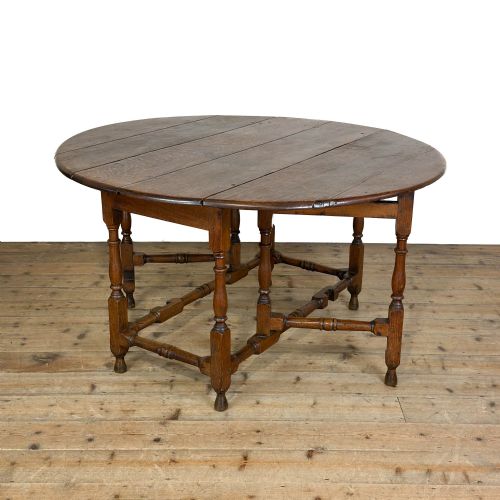
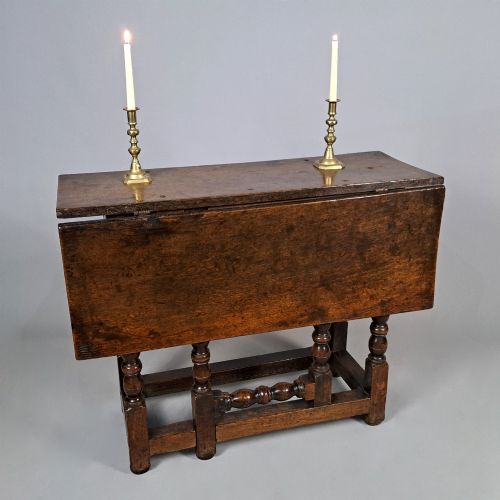
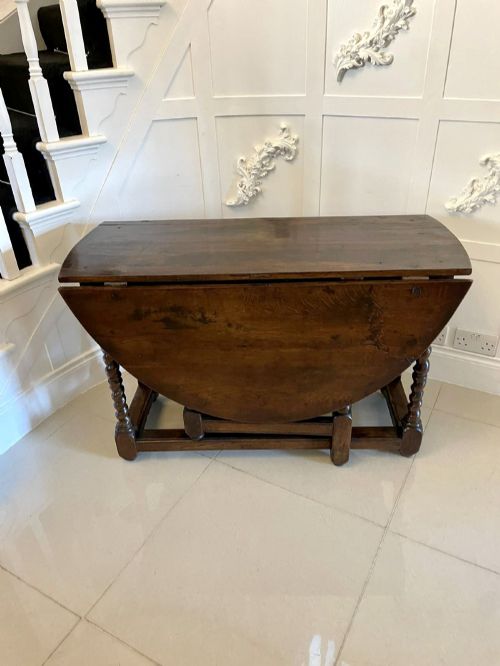
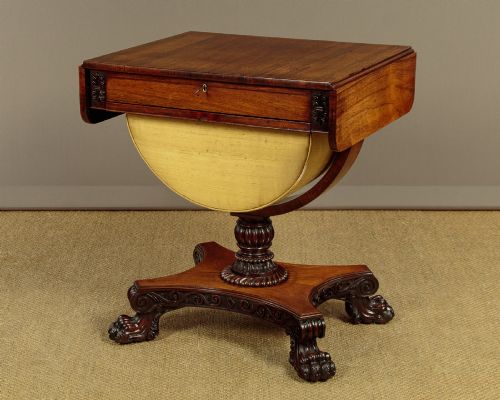
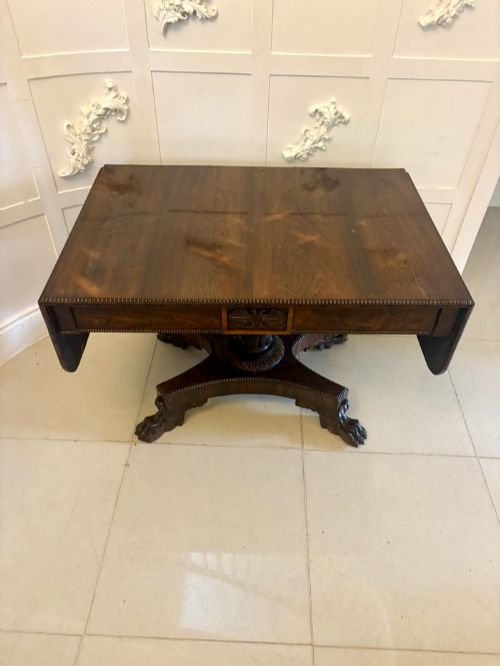
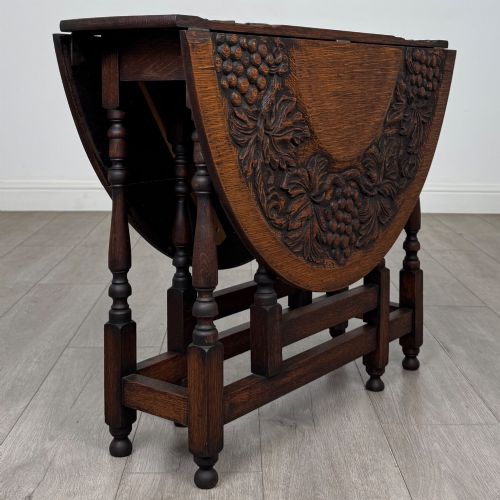
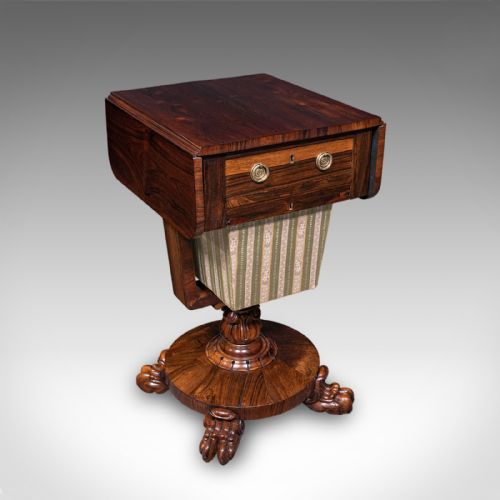
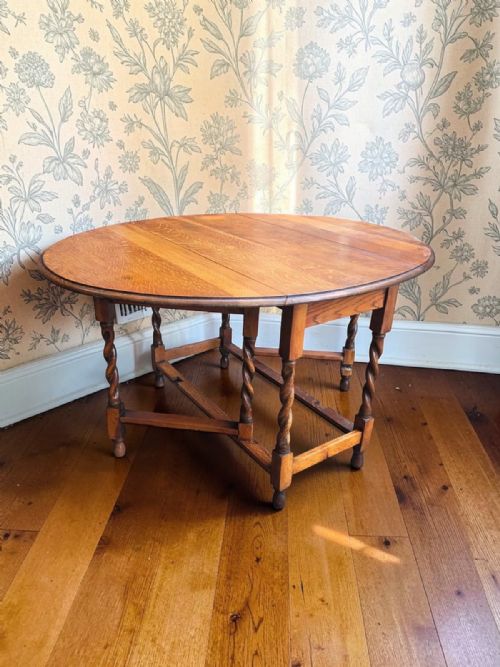
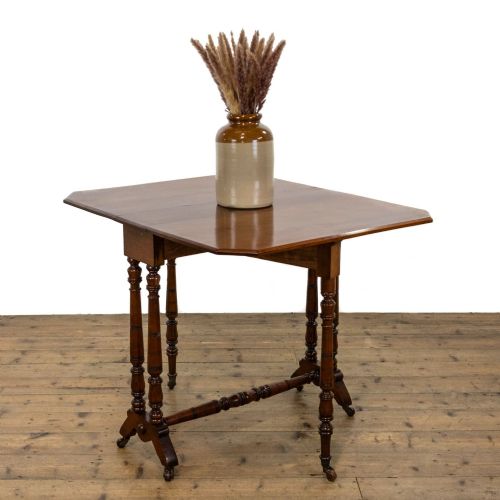
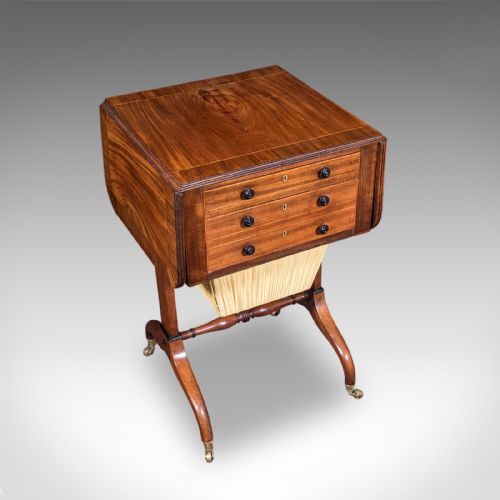
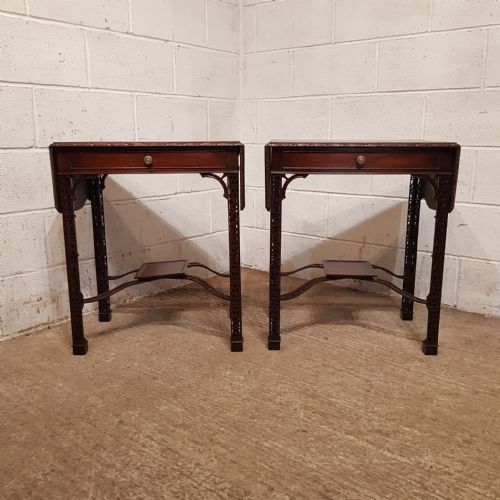
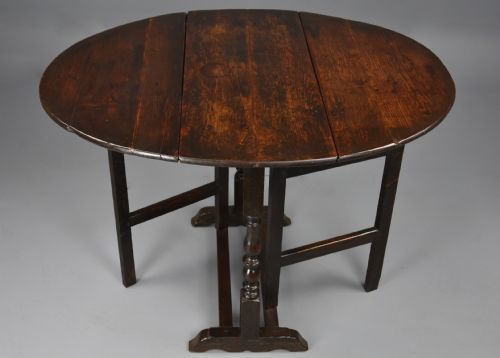
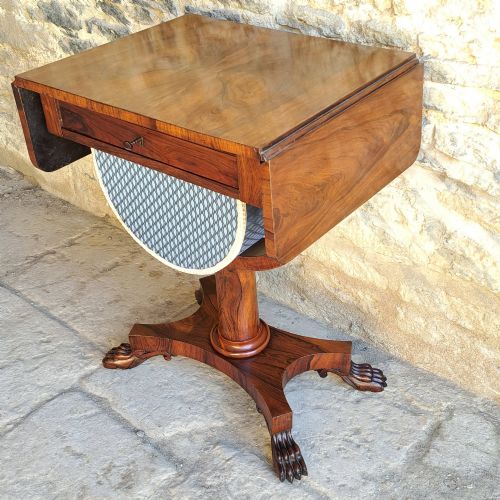
A carved drop leaf table combines hinged flaps with decorative wooden carving, appearing in forms such as gateleg dining tables, Pembroke tables, and Sutherland tables. These pieces emerge across several centuries, spanning seventeenth-century oak designs up to Victorian and Edwardian walnut and mahogany examples.
Buyers seeking this phrase most frequently encounter nineteenth-century walnut and mahogany pieces alongside earlier seventeenth-century oak gateleg formats. The selection ranges from compact occasional tables to large dining surfaces used for everyday meals and entertaining.
Originating in domestic interiors from the Georgian, Victorian, and earlier periods, these items adapt to modern spaces by folding flat against walls when floor space is required.
Materials and Techniques
Cabinet makers utilised dense hardwoods including oak, mahogany, rosewood, and walnut, frequently selecting burr walnut veneers for ornamental surfaces. Structural supports relied on solid timber framing for legs and swing brackets.
Decoration involved hand carving directly into the timber, producing motifs such as barley twists, bobbin turnings, and carved cabriole legs. Hinges and fittings utilised brass elements to secure the folding flaps and internal mechanisms.
Listings feature oak, mahogany, rosewood, and walnut across periods spanning the seventeenth century to the early twentieth century.
Judging the Standard
Superior examples display crisp, deep hand carving on the legs and frame rather than shallow machine tooling. The choice of timber grain, particularly on burr walnut and figured mahogany surfaces, determines the visual depth of the top.
Construction integrity separates finer pieces from lesser ones, visible in the smooth operation of the drop leaf hinges and the rigidity of the gateleg or scissor action under weight.
Johnstone and Jeanes·Jean-Joseph Chapuis
The Carved Drop Leaf Table Glossary
- Drop leaf table
- A table with a fixed centre section and hinged flaps that fold down to save space. These flaps are supported by swing legs or brackets when raised.
- Gateleg table
- A table with hinged legs that swing outward like a gate to support the drop flaps. This form is common in seventeenth-century and revival oak designs.
- Pembroke table
- A small rectangular table with two short drop leaves on opposite sides, frequently fitted with a drawer. It developed during the eighteenth century for parlour and occasional use.
- Sutherland table
- A narrow table featuring particularly slender drop leaves and narrow folding legs. It became popular during the Victorian era for drawing rooms.
- Patina
- The surface sheen and colour developed by wood over centuries through age, handling, and wax polishing. This quality indicates genuine period use.
Carved Drop Leaf Table: Frequently Asked Questions
How do I use a drop leaf table in a small room?
Keep both leaves folded down against a wall to use the piece as a side console or writing surface. Raise one or both flaps when you need extra surface area for dining or working.
Position the table where the swinging legs or support brackets have clear space to move without striking surrounding furniture.
How can I tell an 17th-century oak table from a revival piece?
Seventeenth-century pieces display traditional joinery methods such as pegged mortise and tenon joints, alongside hand-planed surfaces and natural wear. Revival pieces made in later centuries often show standardised machine cuts and modern hardware fixings.
Examine the underside and interior framing for tool marks and timber shrinkage consistent with early forestry and workshop practices.
How do I care for antique mahogany and walnut surfaces?
Apply traditional beeswax polish sparingly and buff with a soft cloth to maintain the natural timber finish without building up greasy residue. Avoid placing wooden tables near direct heat sources or strong sunlight to prevent warping and fading.
Use protective coasters and mats beneath hot dishes or liquids to safeguard the polished top from water marks and heat rings.