



Carved Child Statue
A carved child statue brings historical portraiture and devotional sculpture into a room, spanning devotional wooden figures and neoclassical marble busts.
Carved Child Statue
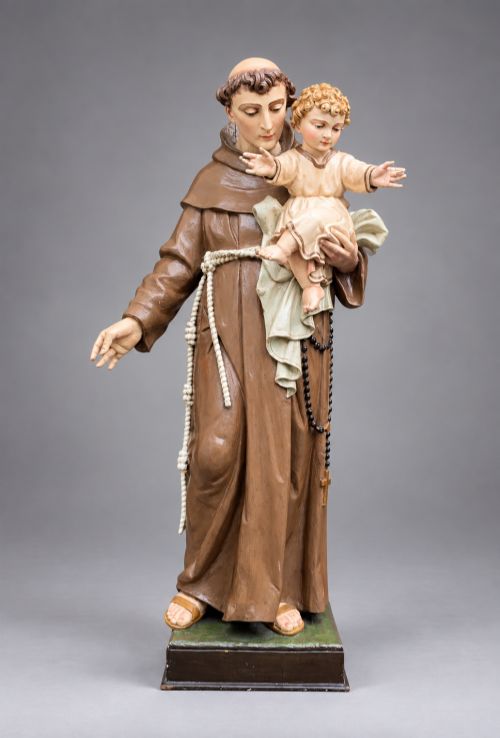
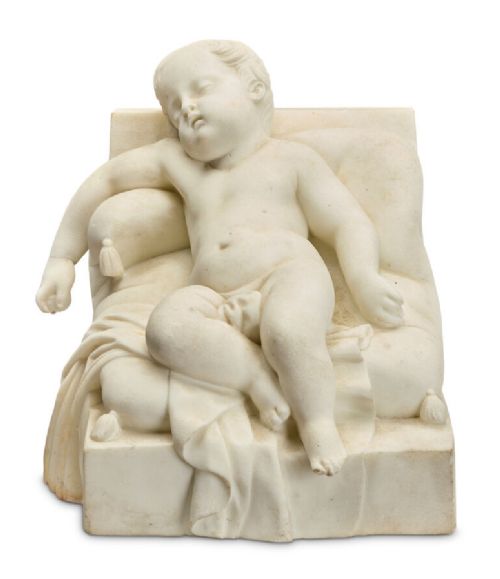
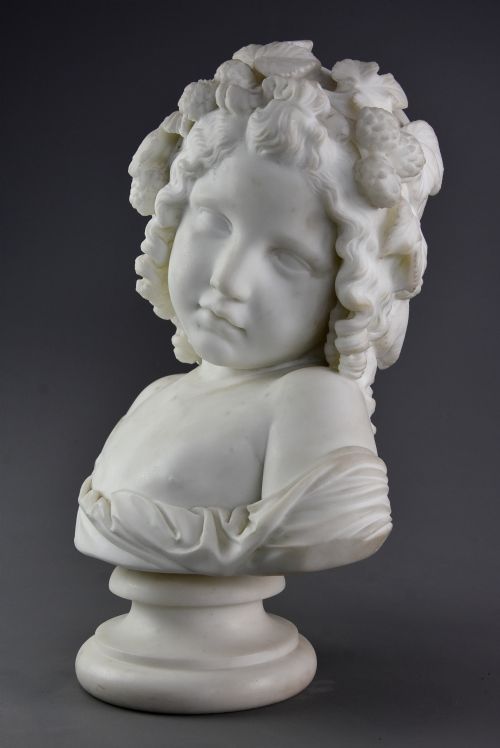
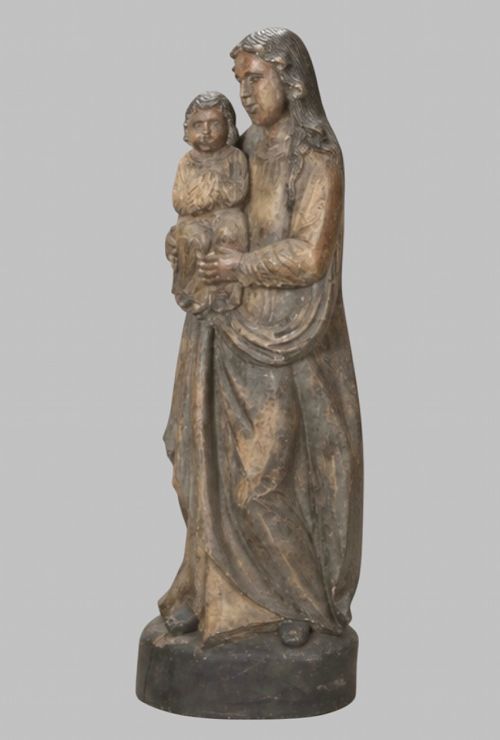
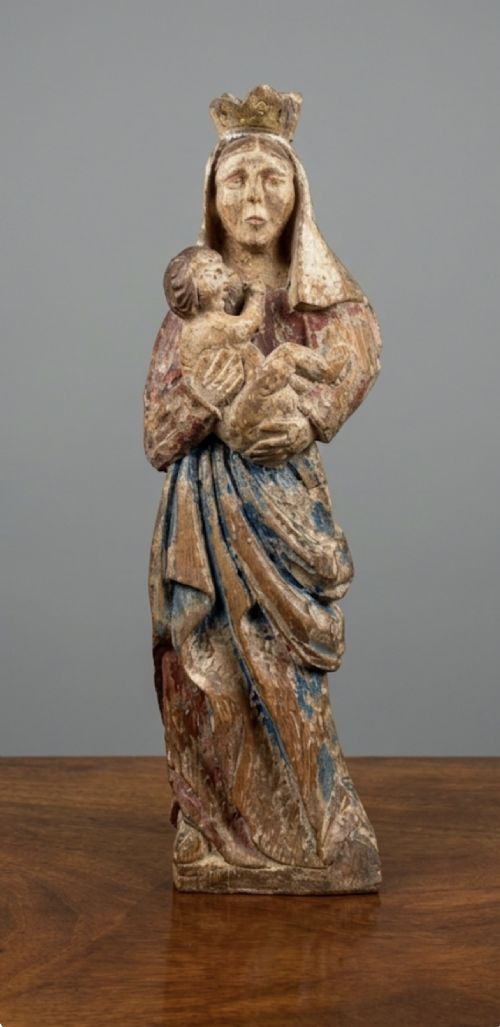
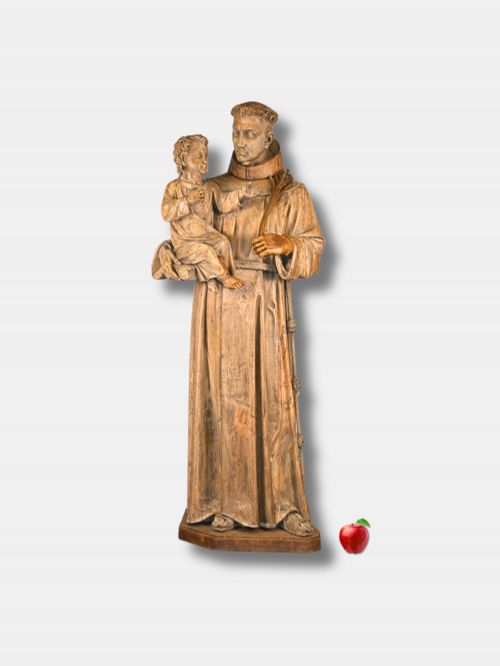
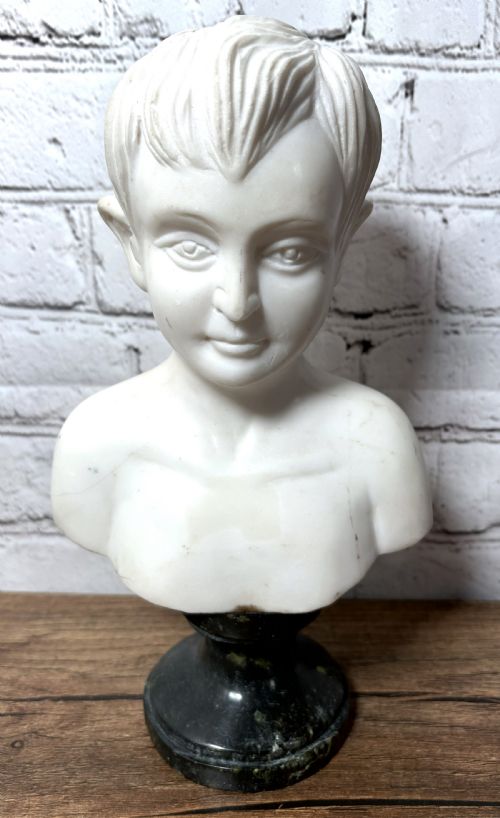
A carved child statue encompasses religious subjects like the Christ child or Madonna and child alongside secular portrait busts and figures of youths. You encounter devotional figures carved from lime wood and oak, as well as Italian marble and alabaster library busts representing young boys and girls.
The pieces range from medieval oak carvings to nineteenth-century Grand Tour marbles and French life-size wooden figures. Religious depictions include Saint Anthony with Christ and the Madonna, whilst secular works feature children with puppies or pushing carts.
Materials and carving methods
Carvers utilised dense hardwoods such as oak, lime wood, and assorted hardwoods, often applying polychrome paint and gold leaf to religious figures. Sculptors also worked in Carrara marble and alabaster for smooth, finely detailed portrait busts and sculptural groups.
Techniques varied from the rustic hand-chizzled surfaces of early devotional figures to the refined chisel and polish of nineteenth-century Neoclassical and Baroque studio pieces. Many works retain traces of their original gesso and pigment layers.
The selection includes periods from the sixteenth century through to the twentieth century.
Evaluating the carving
Quality rests in the anatomical precision of the hands, face, and drapery, distinguishing workshop output from master carvers. The depth of undercut work and the liveliness of expression separate standard decorative figures from superior sculptural pieces.
Preservation of original surface finishes, such as polychrome pigment or untouched marble patina, dictates the standing of an antique piece. Finer marbles show subtle translucency and careful polishing, whereas lesser works exhibit mechanical finishing.
P. Della Vedova·Pugi
The Carved Child Statue Glossary
- Carrara marble
- A type of white or blue-grey marble from Italy, prized for classical sculpture and portrait busts. Sculptors selected this stone for its fine grain and ability to hold delicate facial details.
- Polychrome
- The practice of decorating sculptural surfaces in multiple colours using paints or stains. This technique was common on devotional wooden figures to create lifelike appearances.
- Santos figure
- A carved representation of a saint or holy figure used in religious devotions and processions. These wooden figures frequently wear real textiles and possess articulated joints.
- Grand Tour
- A cultural journey of Europe undertaken by wealthy young men in the eighteenth and nineteenth centuries. Travellers often returned with small marble busts and sculptures.
- Lime wood
- A pale, fine-grained wood favoured by European carvers for intricate religious altarpieces and figures. The tight grain permits sharp undercutting without splitting.
Carved Child Statue: Frequently Asked Questions
How do I date a wooden child statue?
Examine the tool marks left by the carver, the species of wood used, and any remaining traces of gesso or polychrome paint. Early works often display hand- adzed backs and irregular chisel rhythms.
Compare the style of the carving and drapery to known periods like Gothic or Baroque. Wood shrinks and develops distinct shrinkage cracks over centuries, which helps confirm age.
Where were marble busts displayed?
Nineteenth-century collectors placed marble busts on library columns, pedestals, or mantelpieces within domestic interiors. These pieces formed part of broader classical decorative schemes.
Grand Tour acquisitions were brought home to Britain and Europe to showcase the owner's cultural education and taste in classical sculpture.
What is an Anna Selbdritt?
An Anna Selbdritt depicts Saint Anne with her daughter the Virgin Mary and the infant Jesus. This grouping was popular in medieval and Renaissance European religious art.
Carved mostly from oak during the fifteenth century, these devotional sculptures symbolise the matrilineal heritage of Christ.
How should I clean an antique marble bust?
Dust the marble gently with a soft, dry brush to prevent dirt from settling into the porous stone. Avoid using household detergents or acidic cleaners that strip the historic surface.
Consult a professional restorer if the marble has deep staining or encrusted grime. Moisture can damage older stone and residual polychrome layers.