





Italian Carved Portrait
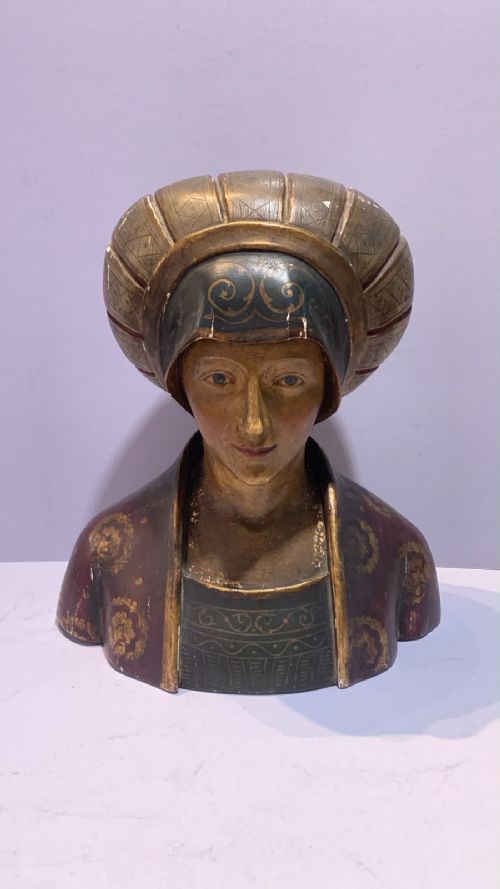
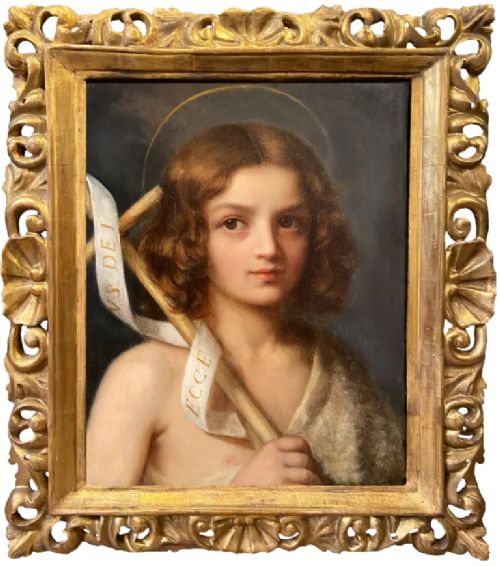
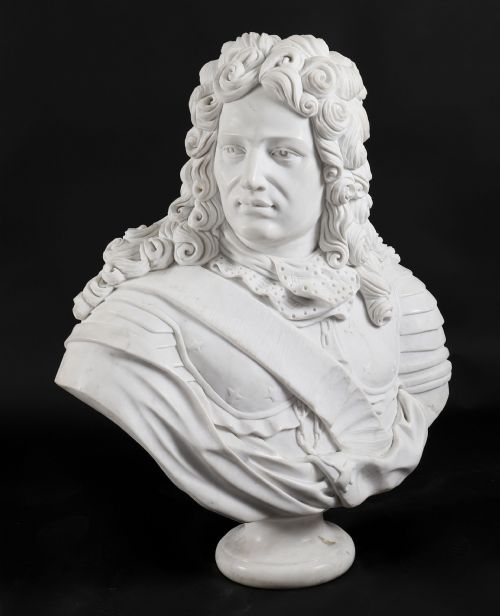
An italian carved portrait brings centuries of classical refinement into a room through marble, shell, and oil on canvas.
Italian Carved Portrait
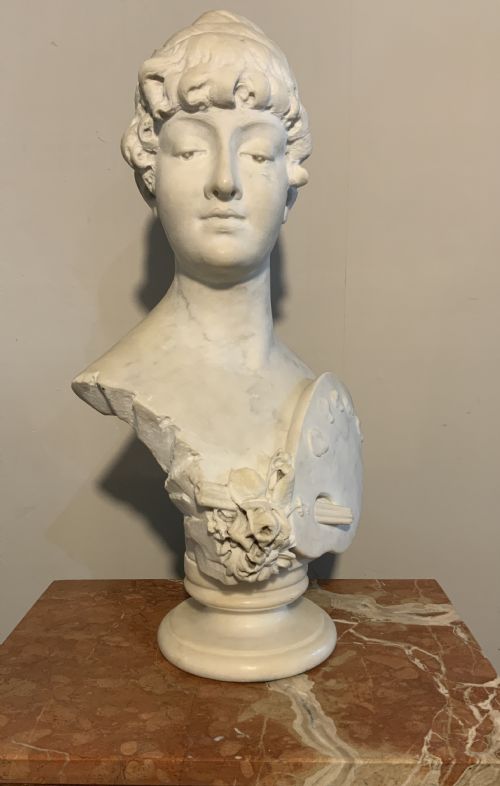
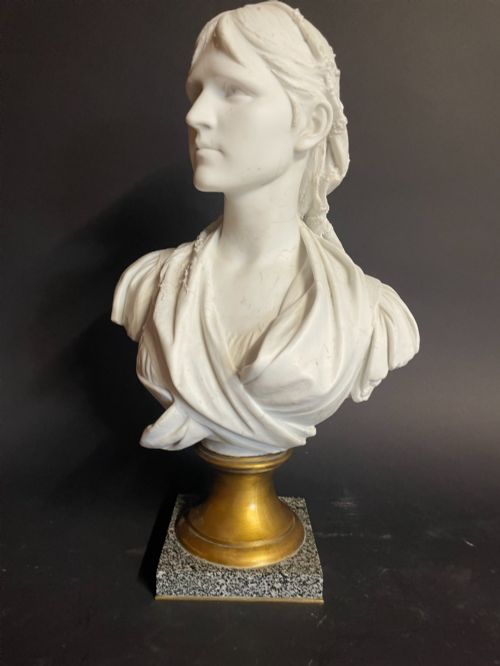
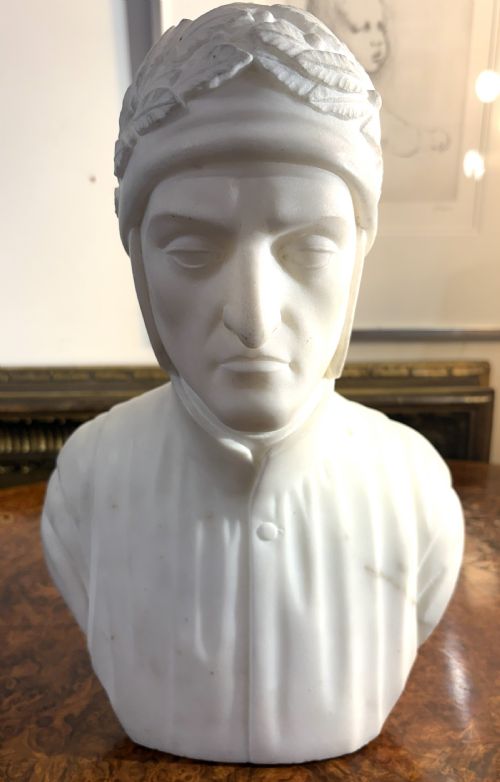
An italian carved portrait encompasses sculptural busts, profile reliefs, and painted likenesses originating from Italian workshops over multiple centuries. Buyers examine works depicting noblemen, classical poets, and religious figures created during distinct artistic revivals.
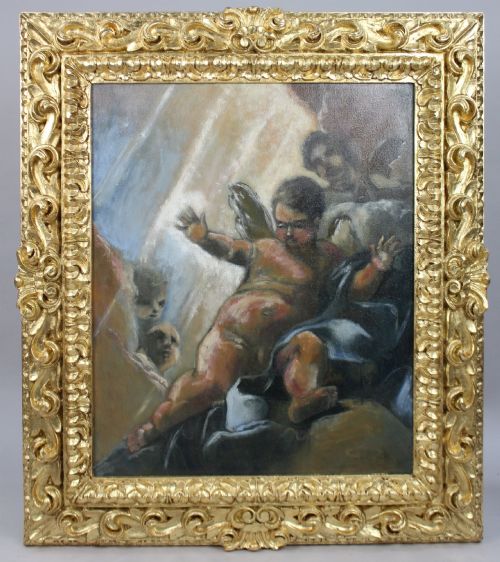
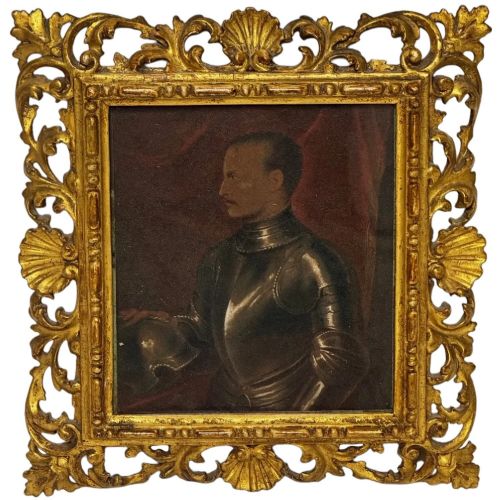
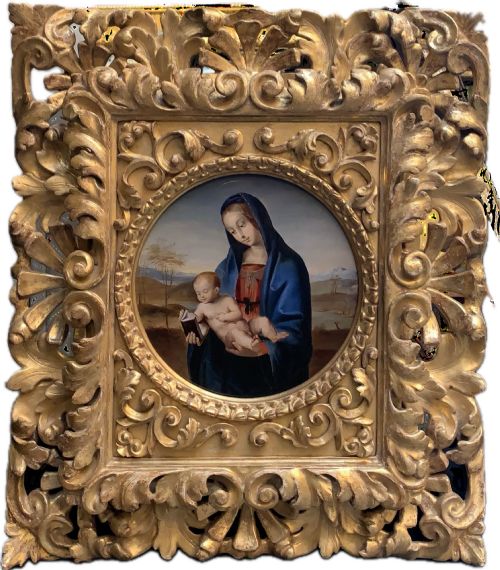
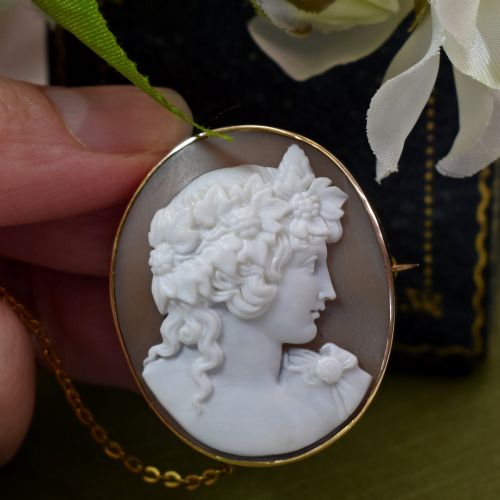
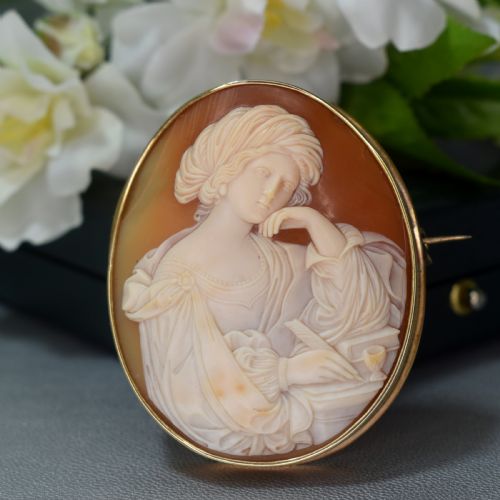
The versions met most frequently on this page include nineteenth-century Carrara marble library busts, shell cameo brooches from the Victorian Grand Tour, and oil paintings set within carved giltwood frames. These objects span small personal ornaments to monumental wall plaques and freestanding sculptures.
Dating ranges from sixteenth-century devotional panels to twentieth-century carved stone and bronze studies. The form bridges traditional portraiture and decorative arts through diverse regional Italian craftsmanship.
What Varies in Quality
Depth of relief and precision in facial musculature distinguish skilled sculptural carving from commercial production. Master carvers render fine details in hair, drapery, and expression that lesser hands leave soft.
The selection of raw materials dictates the final character of a piece, from uniform statuary marble to richly figured shell layers in cameos. Original frames, particularly carved giltwood cassetta designs matching the period of the artwork, elevate the overall integrity of the object.
Listings feature eighteenth-century charcoal drawings alongside seventeenth-century oil paintings and Victorian shell cameo brooches.
R. Pernice·Gory Paris
The Italian Carved Portrait Glossary
- Carrara marble
- A white or blue-grey marble quarried in the city of Carrara in Tuscany, widely favored by Italian sculptors for its fine grain. It provides a smooth surface that holds sharp sculptural detail.
- Cameo
- A method of carving an object such as a engraved gem, item of shell, or piece of stone. The design stands out in relief against a contrasting background colour.
- Giltwood
- Wood that has been treated with a thin layer of gold leaf or powder. It forms ornate frames and decorative elements across Italian furniture and mirrors.
- Grand Tour
- A traditional trip of Europe undertaken by upper-class European young men of sufficient means. Souvenirs included carved marble busts, lava cameos, and bronze profile plaques.
Italian Carved Portrait: Frequently Asked Questions
What periods do these portraits cover?
The selections span from the sixteenth century through the nineteenth century and into the early twentieth century. Pieces reflect historical revivals including the Renaissance style and Neoclassical movements.
Earlier items connect to old master traditions, while later works often capture nineteenth-century Grand Tour souvenirs and Victorian tastes.
How were marble busts displayed?
Large marble sculptures typically sat upon dedicated pedestals, torchere stands, or sturdy library tables. Smaller profile plaques and reliefs were designed to hang directly on walls or rest on specialised brackets.
Library busts of literary figures like Dante frequently occupied study spaces and private reading rooms during the Victorian era.
What materials are cameos made from?
Cameos utilise natural shell, such as sardonyx or helmet shell, alongside volcanic lava and hardstone. The carver cuts through contrasting natural strata to reveal the portrait subject in relief.
Mounts for these wearable pieces commonly consist of gold, including nine-carat gold settings designed for brooches and pendant combinations.
How do I care for marble sculptures?
Marble requires gentle dusting with a soft, dry cloth to prevent surface grime accumulation. Avoid harsh chemical cleaners or abrasive materials that strip the natural finish of the stone.
Stable indoor humidity and moderate temperatures protect both the marble structure and any underlying wooden or gilt bases.