



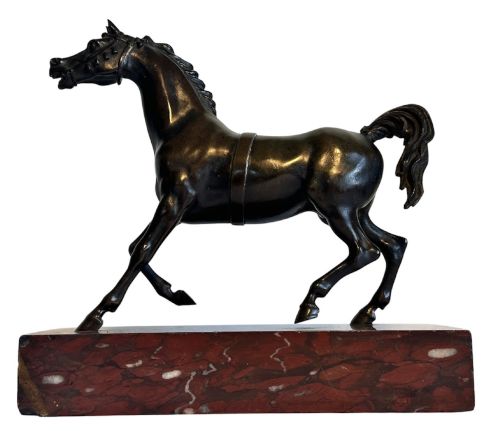
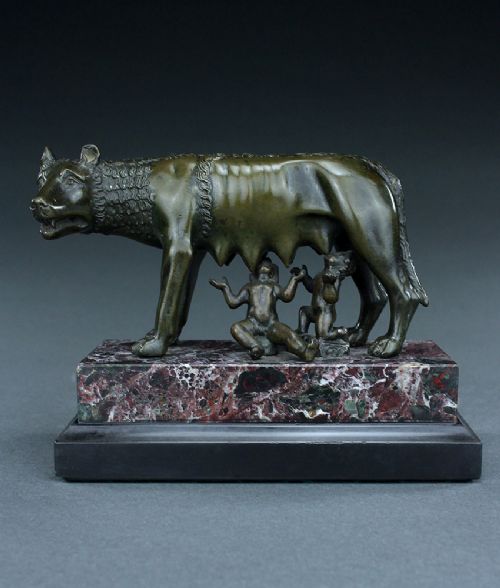

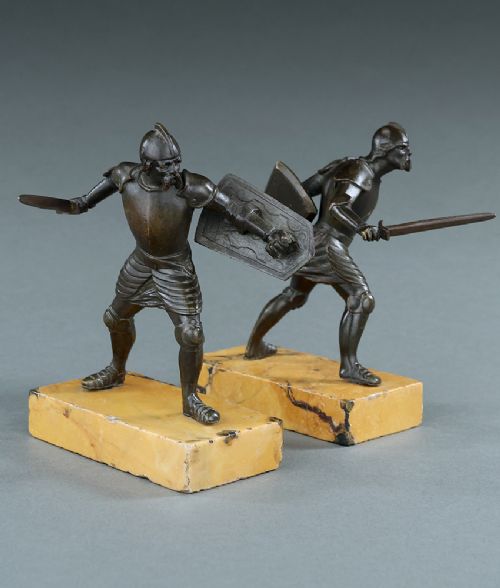


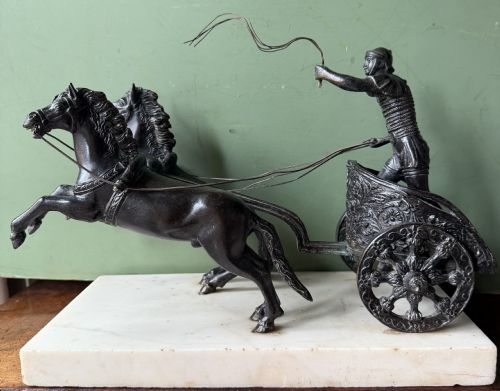

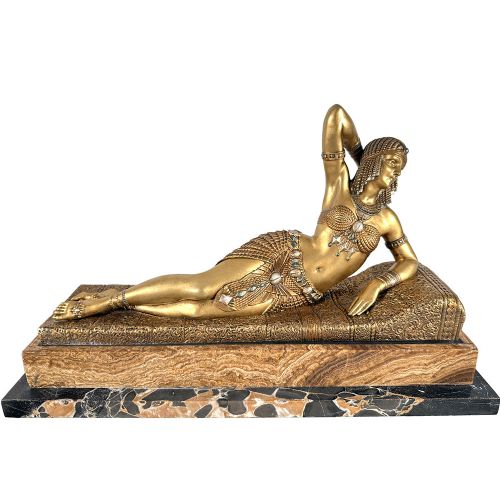
Vintage Marble Statuette
A vintage marble statuette brings solid weight and tactile contrast to a room, pairing cold stone with cast metal or carved form.
Vintage Marble Statuette
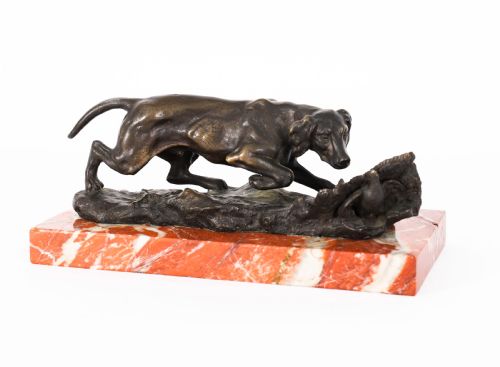
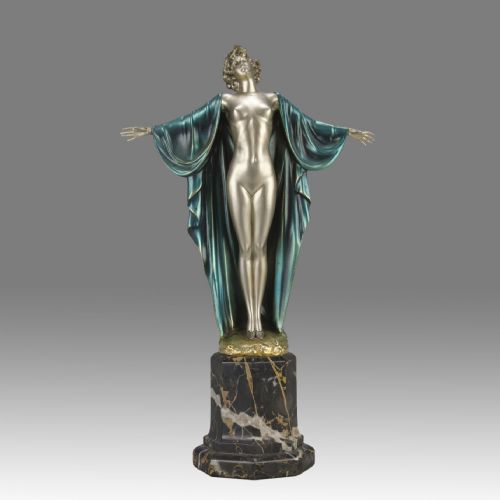
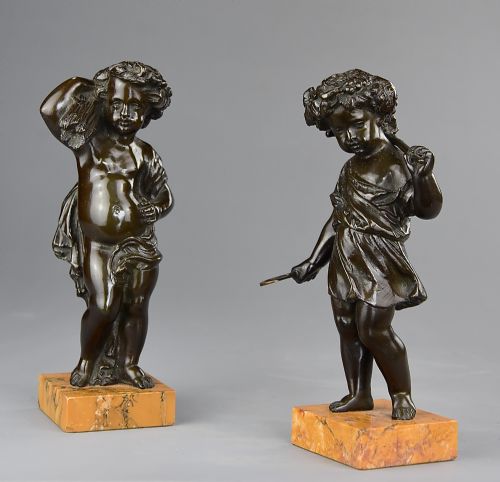
When searching for a vintage marble statuette, a buyer encounters figures composed primarily of stone bases supporting metal or carved subjects. These pieces span the nineteenth and early twentieth centuries, encompassing classical revival subjects and modernist creations.
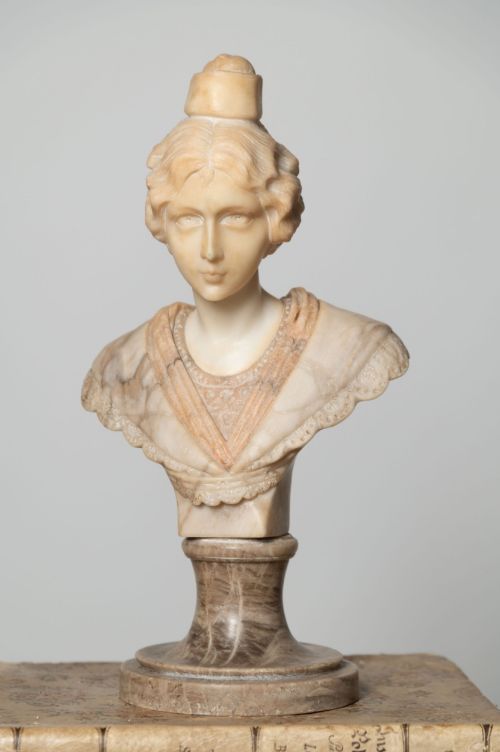
The objects take many forms, including animal studies, human figures, busts, and bookends. The stone component usually serves as a substantial plinth or architectural base beneath a bronze, silvered bronze, or painted subject.
Origin points cluster around French and Austrian workshops, alongside Italian pieces created for travellers on the Grand Tour. These works combine sculptural metalwork with variegated marble, onyx, or alabaster supports.
Materials and construction methods
Makers utilised casting techniques for the metal figures, employing bronze, spelter, or silvered bronze to shape animals, dancers, and allegorical subjects. Cold painting, patination, and gilding were frequently applied to the metal surfaces for colour and detail.
The stone bases were shaped from blocks of marble, onyx, or fossil stone, then polished to display natural veining and grain. Figures were secured to these heavy plinths using threaded bolts or pins hidden beneath the assembly.
Listings feature periods from the nineteenth century through the Art Deco era, pairing marble and onyx with bronze and silvered bronze.
Judging the quality of the piece
The stone base contributes to the overall standard through its selection and cut. Dense marble with harmonious natural patterning and tight, flush joints elevates a piece above those mounted on plain or heavily flawed stone.
Carl Kauba·Bruno Zach·Ferdinand Preiss·Demetre Chiparus·Gotthilf Jaeger·Antoine L Barye·Claire Colinet
The Vintage Marble Statuette Glossary
- Grand Tour
- A nineteenth-century tradition where travellers collected small bronzes and stone carvings in Italy. These souvenirs typically depicted classical figures or architecture.
- Animalier
- A nineteenth-century artistic focus on the realistic portrayal of animals. Sculptors in this tradition studied anatomy closely through life observation.
- Patination
- The chemical or natural colour change on the surface of bronze over time. Artists also applied artificial patinas to achieve specific dark or greenish tones.
- Spelter
- An alloy of zinc and copper often used as a cheaper alternative to bronze. It was cast into figures and painted or patinated to resemble heavier metal.
Vintage Marble Statuette: Frequently Asked Questions
How do I clean a marble base safely?
Dust the stone regularly with a soft, dry cloth to prevent grit accumulation.
Avoid harsh chemical cleaners and water on porous marble, as moisture can penetrate and stain the surface.
Were these figures always mounted on stone?
Many statuettes were designed with integral stone plinths to provide physical stability and visual weight.
Heavier metal figures required dense bases like marble or onyx to prevent tipping during display.
How can I tell bronze from spelter?
Bronze offers greater weight, a resonant ring when tapped lightly, and resists bending.
Spelter feels lighter, shows a softer surface structure, and often reveals a greyish metal beneath worn paint.
What is the Grand Tour connection?
Nineteenth-century travellers visited Italian cultural sites and purchased small bronze copies of famous antiquities.
These souvenirs were mounted on marble or fossil stone bases to serve as desk ornaments or cabinet pieces.