
Carved Cabriole Leg Vanity
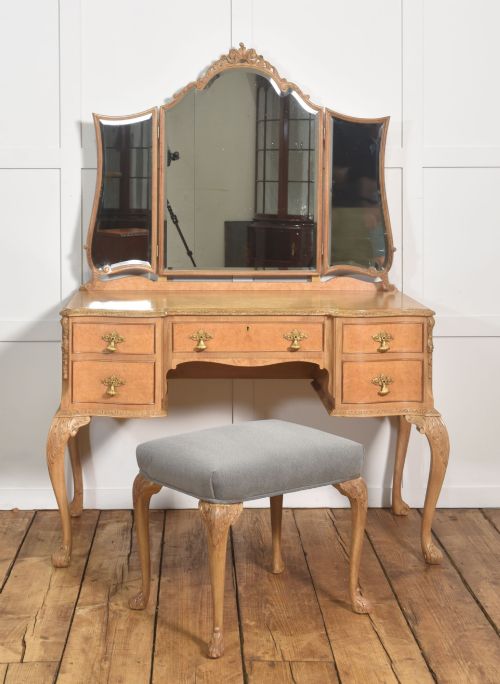
A carved cabriole leg vanity piece brings distinct period elegance to a bedroom, combining scrolling supports with practical surface or seating utility.
Carved Cabriole Leg Vanity
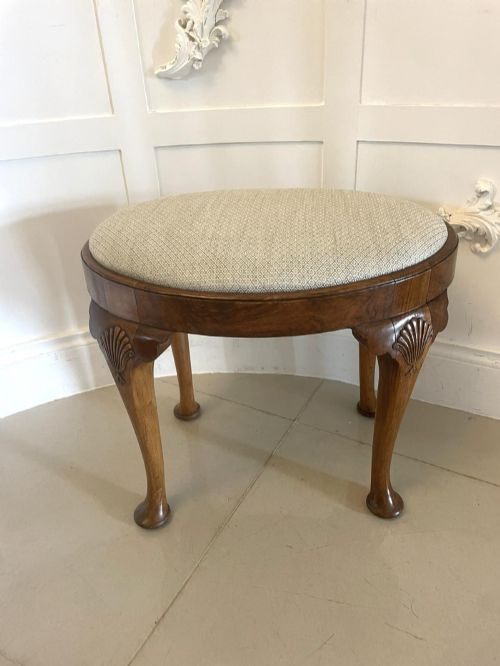
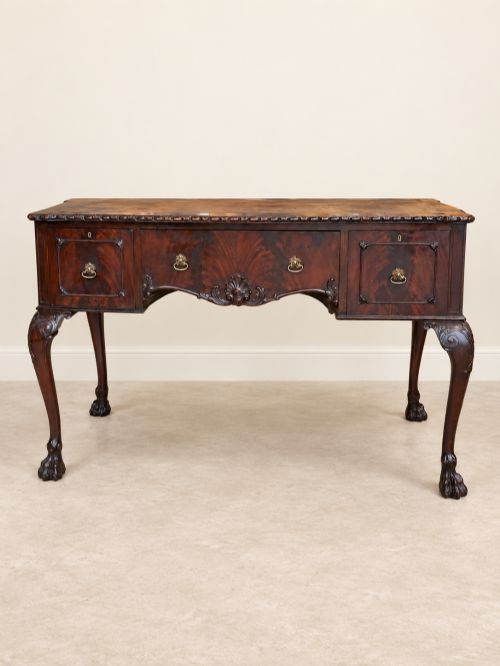
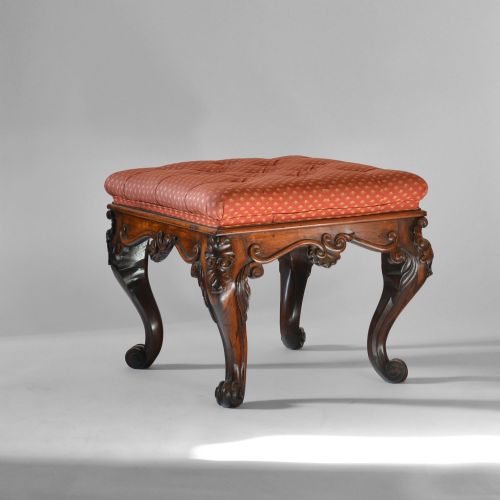
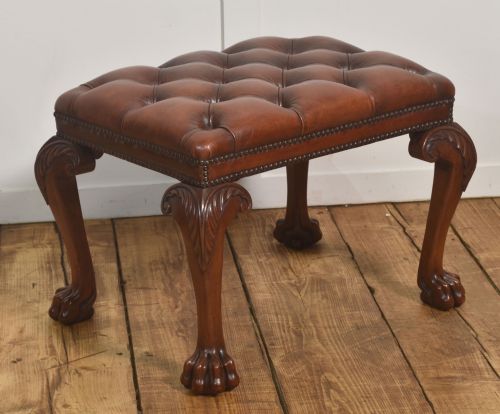
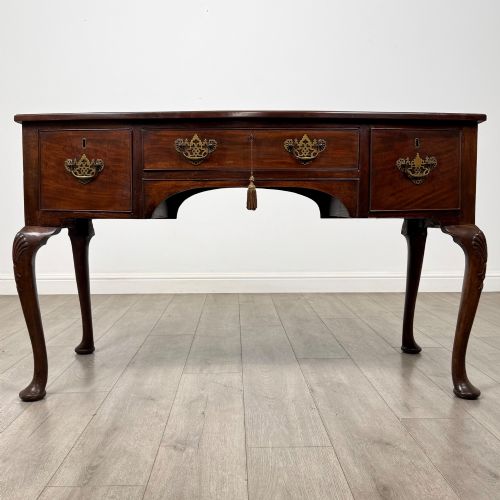
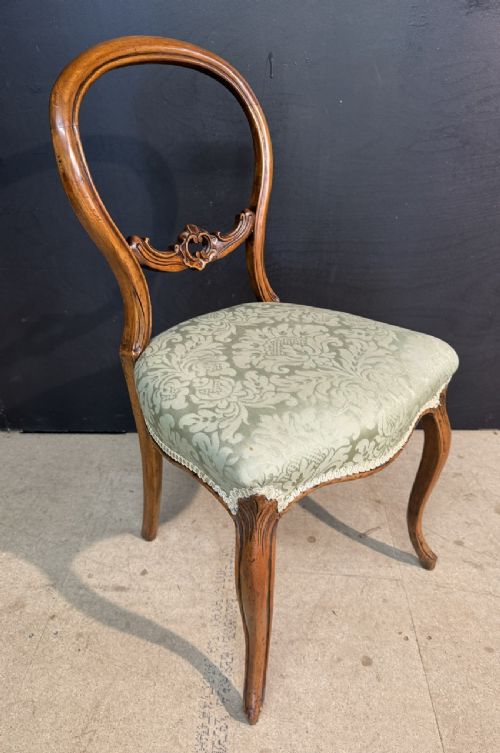
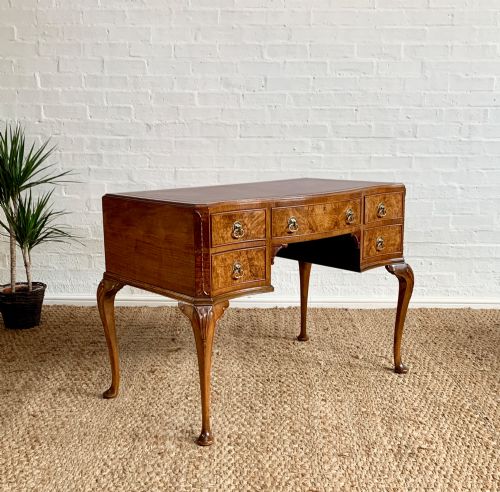
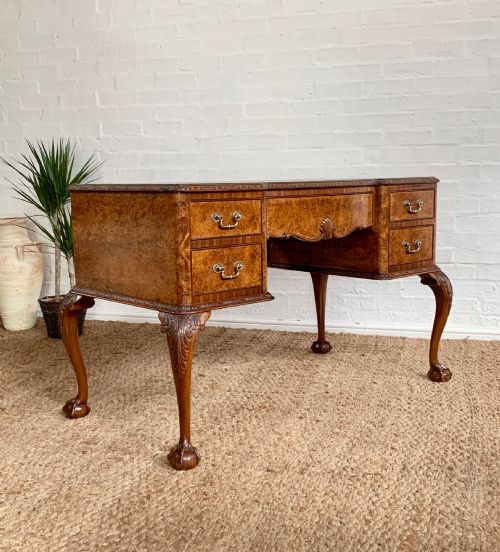
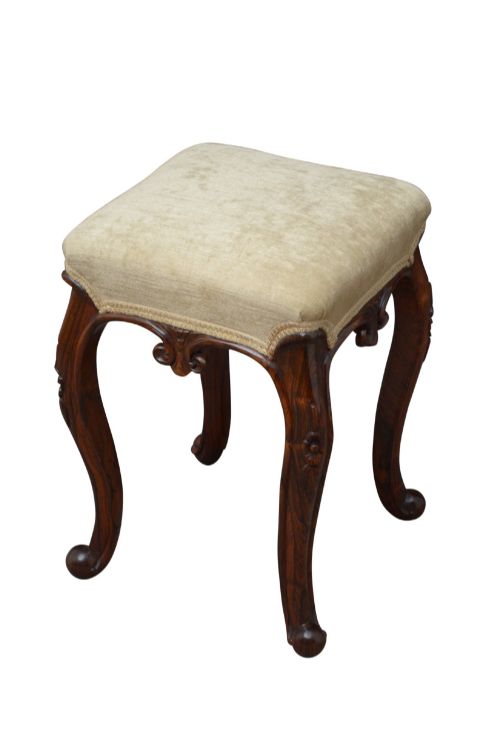
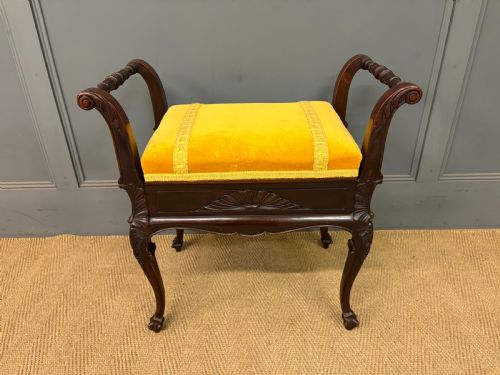
A carved cabriole leg vanity search leads predominantly to seating pieces, dressing tables, writing desks, and lowboys spanning the nineteenth and early twentieth centuries. These items reflect enduring revivalist movements, most notably Queen Anne, Chippendale, and French Rococo styles.
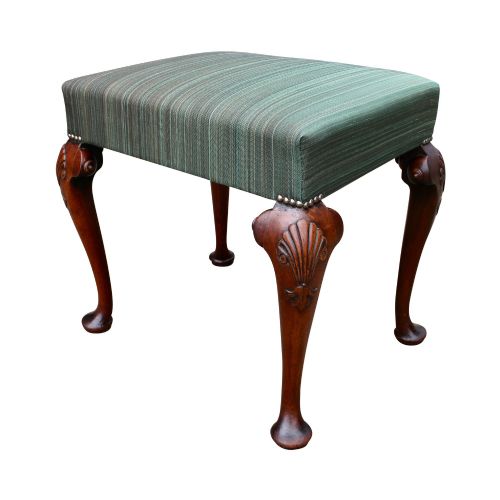
Stools and dressing tables dominate the offerings, often appearing alongside writing desks that share the characteristic double-curved leg. Walnut and mahogany form the structural core of these surviving examples.
The objects bridge the Victorian, Edwardian, and interwar decades, showing how makers reinterpreted earlier Georgian aesthetics for domestic use in later periods.
Materials and construction
Craftsmen built these pieces primarily using solid walnut, burr walnut, and mahogany, frequently applying figured veneers to tabletops and seat rails. Secondary timbers provided internal stability while polished show-woods defined the primary surfaces.
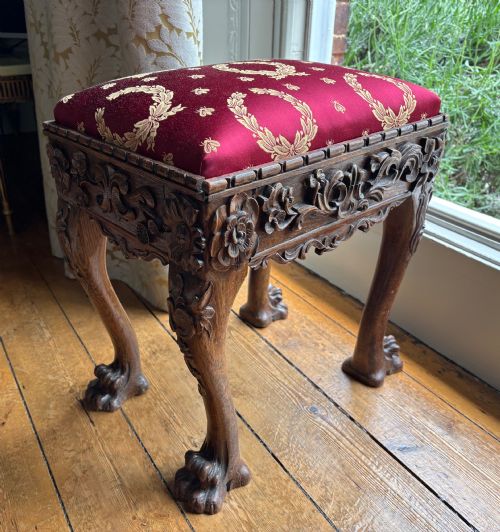
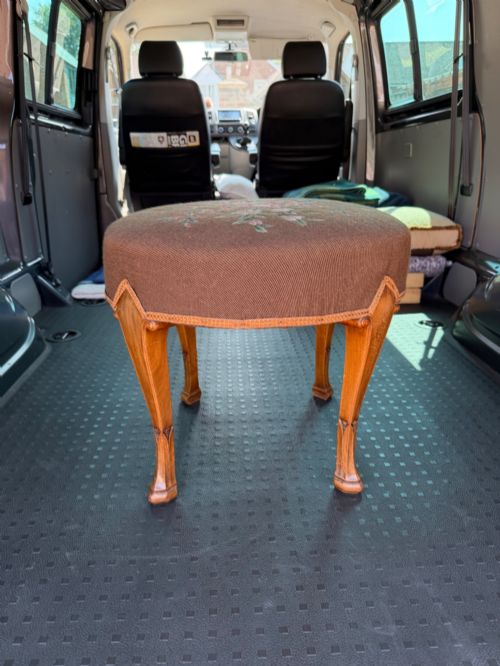
Upholstered elements rely on traditional stuffing fixed over webbing, finished with textiles such as leather, velvet, needlepoint, or patterned fabric. Carved knee details on the cabriole legs required skilled hand-chiselling rather than mechanical duplication.
Listings feature items spanning the eighteenth to the twentieth centuries, utilising walnut, mahogany, rosewood, and goncalo alves woods.
Gradations of quality
Quality rests upon the crispness of the timber carving and the depth of figure in selected veneers like burr walnut or flame mahogany. Heavy, well-proportioned framing indicates a superior workshop origin compared to lighter, derivative productions.
The integrity of the original upholstery platform and the precision of joinery at the cabriole knee separate standard commercial items from finer examples.
Wylie and Lochhead Glasgow·Loidrault Freres Paris
The Carved Cabriole Leg Vanity Glossary
- Cabriole leg
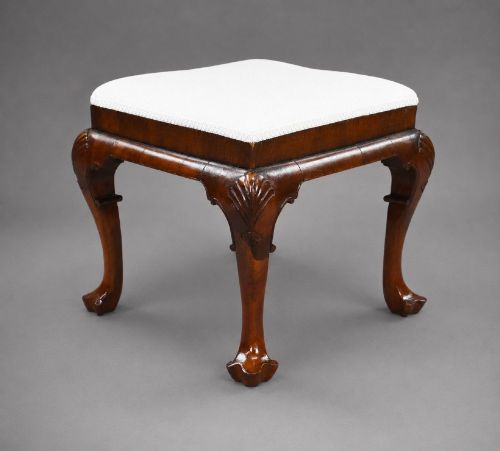
- A furniture support shaped with a double curve, sweeping outward at the knee and inward at the ankle, ending in a pad, claw, or scroll foot. This form originated in antiquity and returned to prominence during the Queen Anne revival.
- Lowboy
- A small dressing table or side table featuring one or more rows of drawers beneath a flat top, supported on slender legs. These pieces date from the eighteenth century onward and serve as precursors to modern vanities.
- Burr walnut
- A prized timber veneer sliced from irregular growths on walnut trees, showing swirling, knotted grain patterns. Cabinetmakers utilised it on principal surfaces to create decorative visual impact.
- Kneehole desk
- A writing table with a central recess for the user's legs, flanked by pedestals of small drawers. Versions with cabriole supports often double as dressing surfaces.
- Rococo style
- A decorative aesthetic characterised by asymmetrical scrolling, shell motifs, and elaborate leaf carving. It appeared frequently on mid-nineteenth-century revival seating and tables.
Carved Cabriole Leg Vanity: Frequently Asked Questions
What is a cabriole leg?
A cabriole leg is a shaped furniture support that curves outward at the knee and tapers inward toward the foot. This distinctive silhouette mimics animal limbs and forms the primary visual anchor for these pieces.
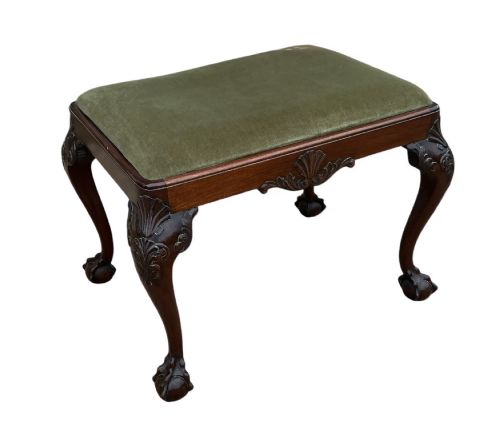
Craftsmen often embellished the knee with carved shell or acanthus leaf motifs, particularly on walnut and mahogany examples from revival periods.
How do I date these items?
Dating relies on timber selection, construction methods, and prevailing revival styles visible in the carving. Victorian and Edwardian pieces often display heavier framing and machine-sawn components.
Earlier nineteenth-century examples tend to use dense solid hardwoods and hand-finished joinery, reflecting the manufacturing standards of their respective decades.
Were these stools used for vanity tables?
Many low stools and dressing benches were specifically built to accompany matching dressing tables or washstands. Their compact dimensions allowed them to tuck neatly beneath the surface when not in use.
Upholstered tops in leather, needlepoint, or velvet provided comfortable seating for grooming routines in period bedchambers.
Is burr walnut different from regular walnut?
Burr walnut is cut from a tree burl, which is a deformed growth producing highly intricate, swirling grain patterns. Standard walnut exhibits a straighter, more uniform grain structure.
Cabinetmakers reserved burr veneers for the most prominent display areas of high-status writing desks and dressing furniture.