
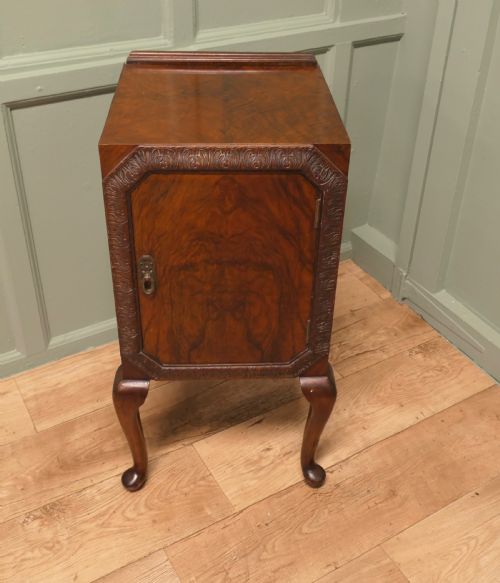
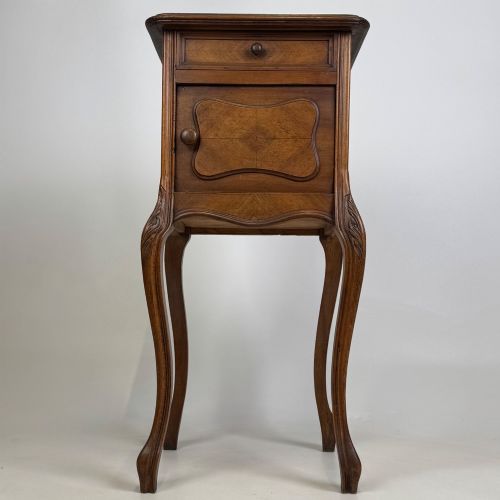
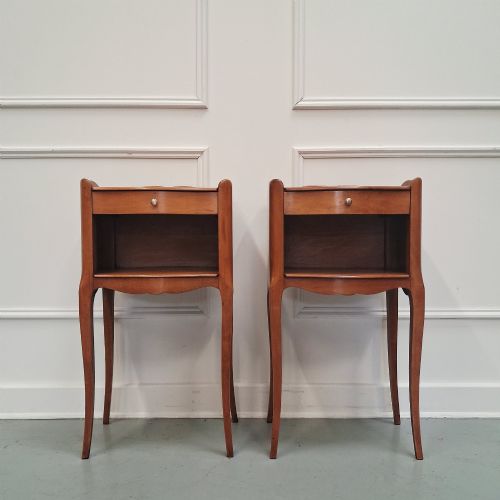
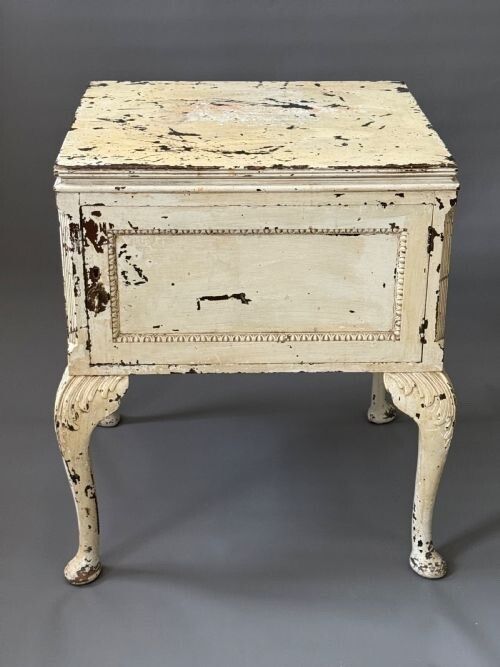




Carved Cabriole Leg Bedside
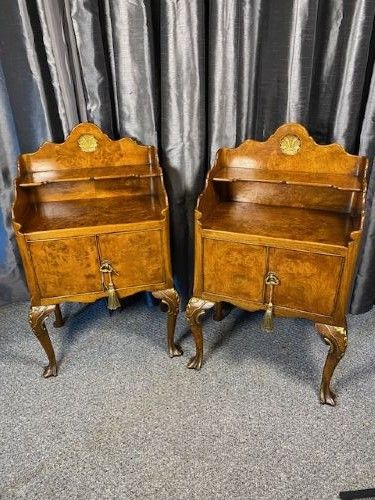
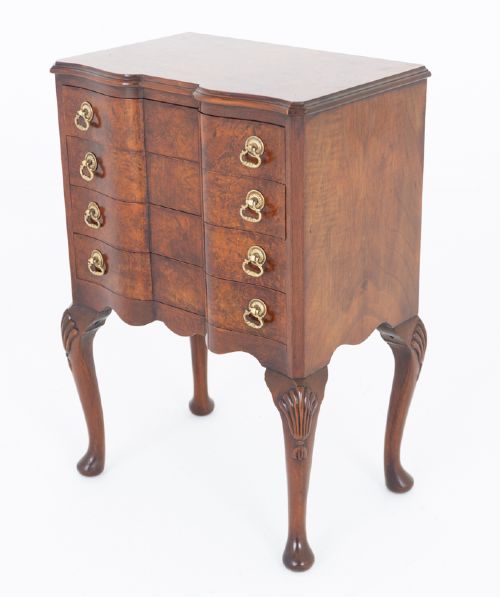
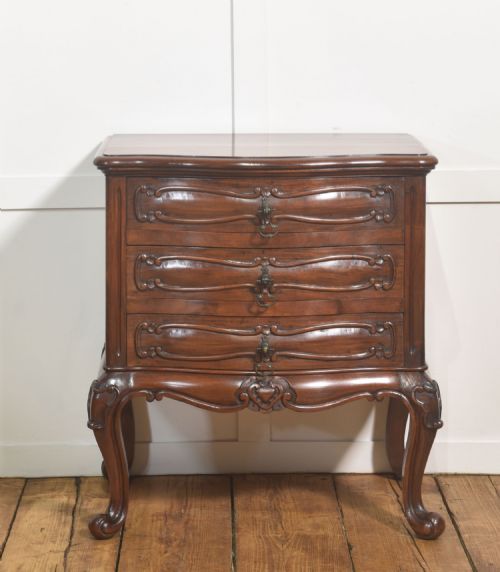
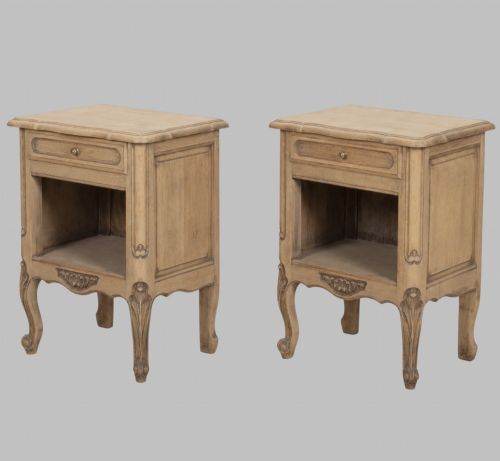
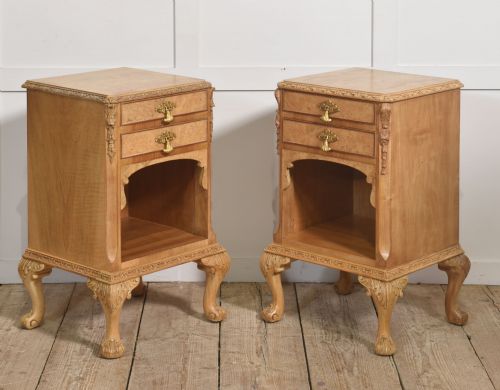
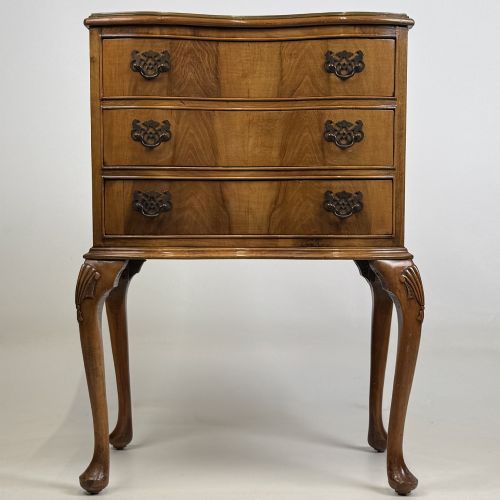
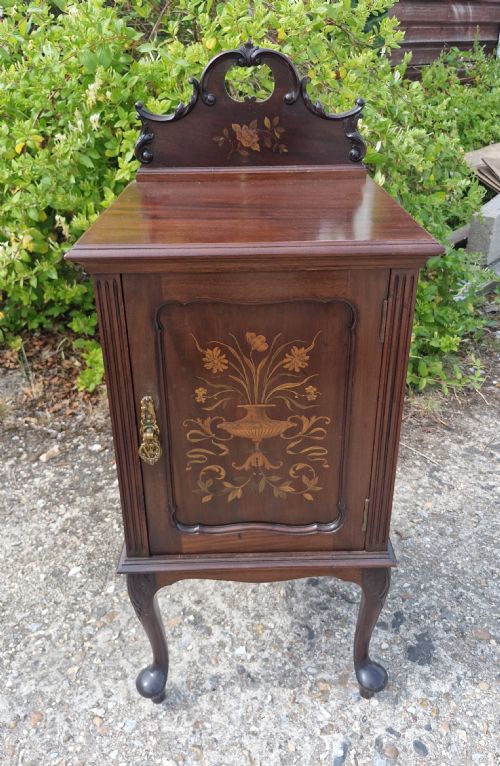
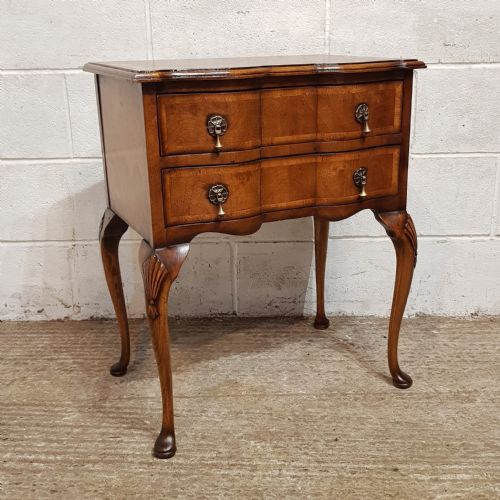
These carved cabriole leg bedside pieces bring practical surface space and period character to a bedroom.
Carved Cabriole Leg Bedside
A carved cabriole leg bedside table or cabinet provides compact storage and display beside a bed, often taking the form of a cupboard, a small chest of drawers, or an open-topped lamp stand. These items emerge primarily from the nineteenth and early twentieth centuries, spanning the Edwardian era through the nineteen-thirties.
The pieces often draw on traditional design vocabularies such as Queen Anne, Louis XV, and French Provincial styles. Walnut, burr walnut, mahogany, and oak appear frequently as the primary woods, sometimes paired with marble tops or subtle painted finishes.
What varies in quality
The selection of timber grain and the precision of the veneer matching dictate the visual appeal of a cabinet. Burr walnut and figured mahogany require skilled cutting to align patterns across multiple drawers or matching pairs.
The depth and crispness of the hand carving on the cabriole legs separate standard production items from finer workshop pieces. Heavier construction, tight joints, and original marble tops or brass fittings also influence the standing of an individual piece.
Walnut and oak appear as the most common woods among these carved cabriole leg bedside listings.
The Carved Cabriole Leg Bedside Glossary
- Cabriole leg
- A furniture leg that curves outward at the knee and tapers inward toward the foot, mimicking animal limbs. This form became central to eighteenth-century design and later revivals.
- Burr walnut
- A veneer taken from the warted growths on walnut trees, yielding highly figured, swirling grain patterns. Cabinet makers prized this wood for decorative fronts.
- Pot cupboard
- A traditional enclosed bedside cabinet originally designed to house a chamber pot. Many survive as general bedside storage units.
- Serpentine front
- A furniture front characterised by a concave central section flanked by two convex ends, creating a gentle undulating wave. This shape requires advanced carpentry skills to construct.
- Louis XV style
- A decorative aesthetic marked by asymmetrical curves, floral motifs, and organic scrollwork. Nineteenth-century revivals adopted these elements for smaller bedroom furnishings.
Carved Cabriole Leg Bedside: Frequently Asked Questions
What is a cabriole leg?
A cabriole leg is a shaped furniture support that arches outward at the knee before curving inward to a pad or scroll foot. It draws inspiration from ancient animal forms and defines many period bedside cabinets.
Cabinet makers carved these contours directly from solid timber or shaped them to flow smoothly into the frame of the table.
How do I date a bedside cabinet?
Dating relies on observing the combination of timber, construction methods, and stylistic revival influences. Pieces from the Edwardian era or the nineteen-twenties often blend traditional walnut or oak with machine-assisted joinery.
Earlier nineteenth-century examples tend to show heavier hand-cut dovetails and distinct patination on the wood surfaces.
Are marble top tables practical?
Marble tops provide a durable, heat-resistant surface that stands up well to water glasses and bedside lamps. They add weight to the piece and prevent surface damage from spills.
These stone inserts are usually removable for easier transport and cleaning during routine maintenance.
How do I clean burr walnut?
Burr walnut surfaces respond best to dusting with a soft, dry cloth and occasional treatment with quality furniture wax to nourish the grain. Avoid chemical sprays and excessive moisture to protect the delicate veneer.
Keeping the wood away from direct heat sources prevents the timber from drying out or splitting.