

Carved Burr Walnut Chest
A carved burr walnut chest brings striking grain patterns and rich warmth to a room, built from figured veneers and solid timbers across several centuries.
Carved Burr Walnut Chest
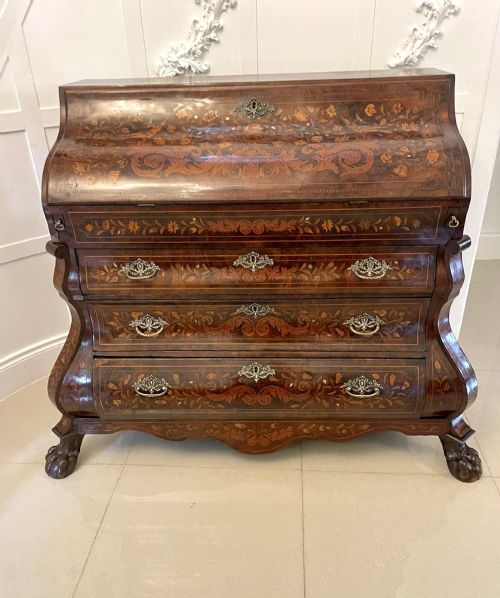
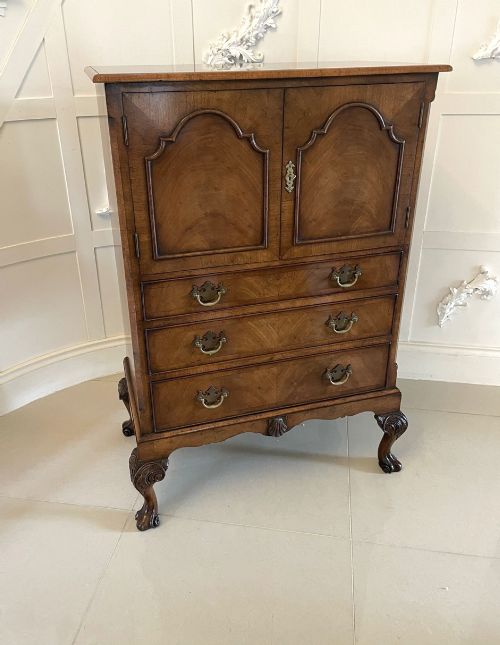
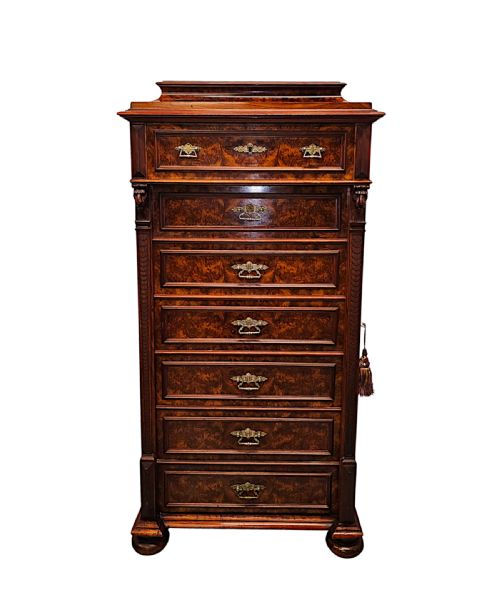
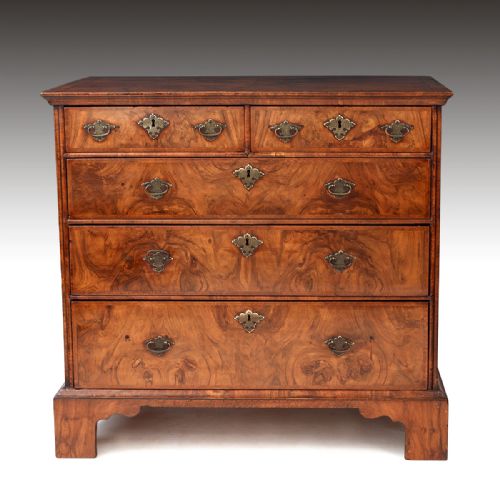
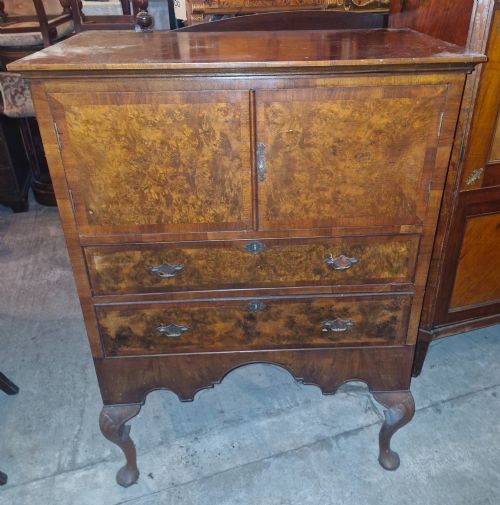
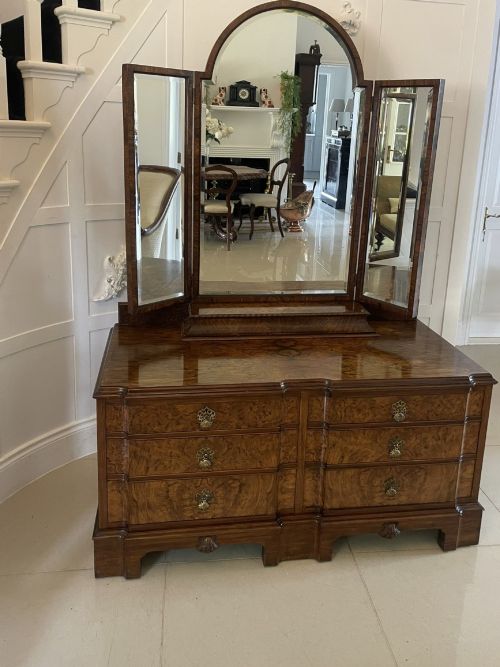
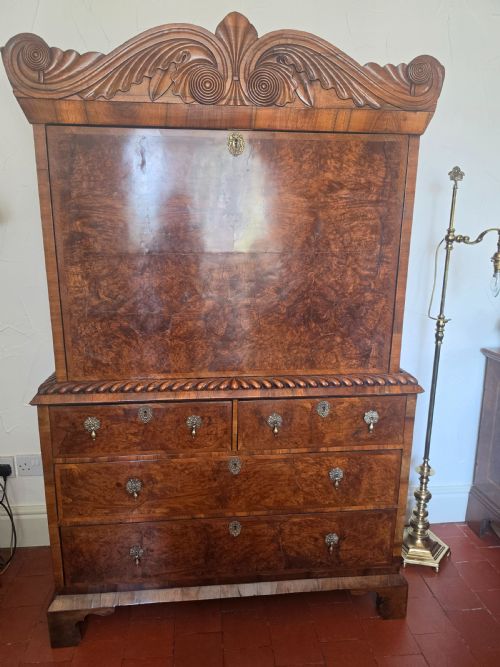
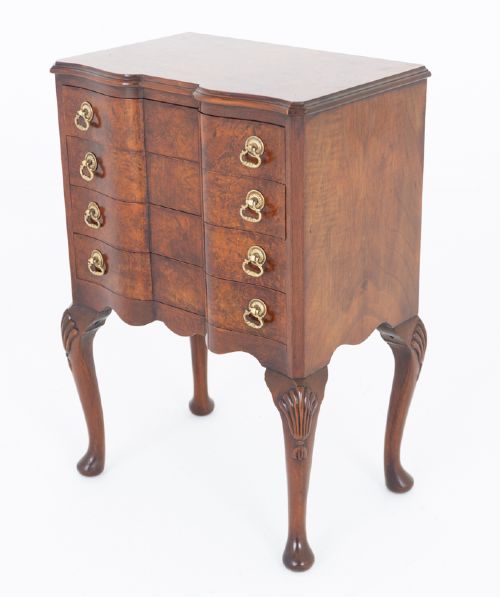
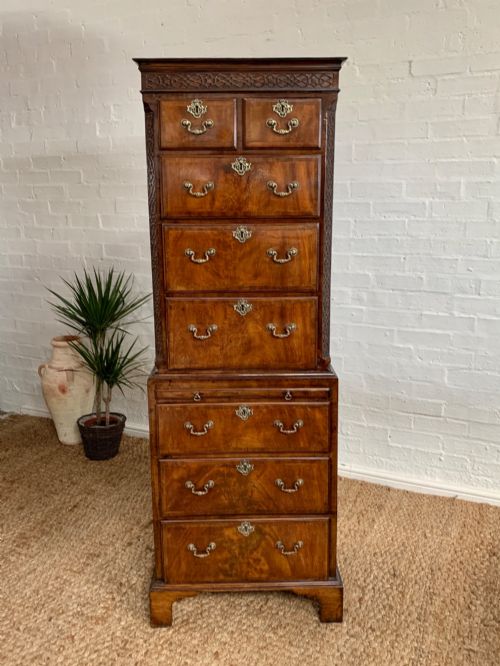
A carved burr walnut chest encompasses storage forms ranging from compact bedside cabinets and tallboys to grand commodes, lowboys, and chests on stands. The pieces span periods from the late seventeenth century through the Victorian era and into the early twentieth century, incorporating revival movements like Queen Anne and William and Mary.
The core form functions primarily as a drawer chest, though variations include bureau desks, secretares, and side tables. Buyers most frequently encounter twentieth-century interpretations alongside eighteenth-century bureau models and Victorian bedroom furniture.
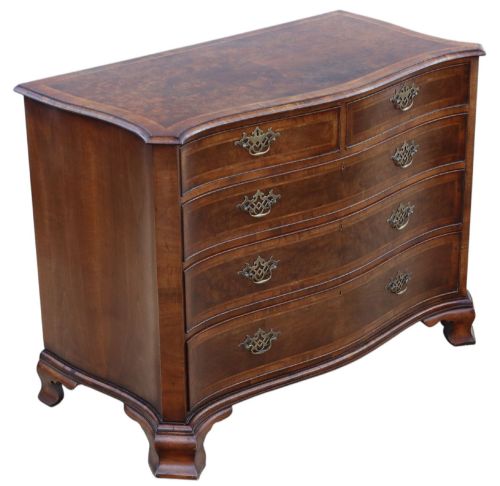
Origin details in the evidence show English, French, Dutch, and Swedish workshops producing these case pieces. Stylistic touches often feature serpentine fronts, bombe profiles, and floral marquetry inlay.
Materials and construction methods
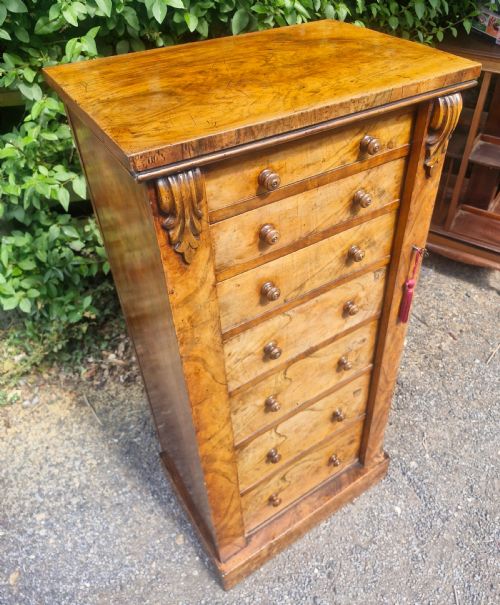
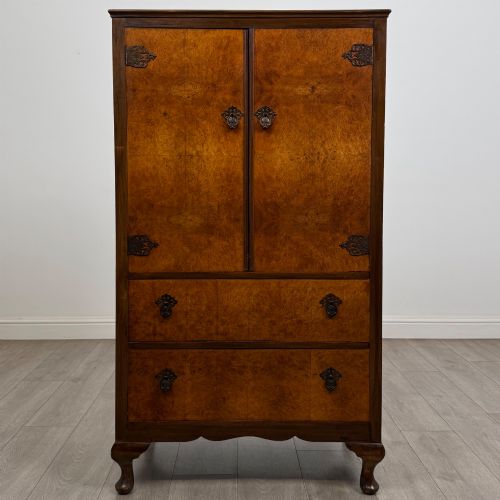
Makers utilised burr walnut veneer applied over secondary timbers, exploiting the knotty, swirling growth patterns found at tree junctions to create decorative surface panels. Crossbanding and fruitwood marquetry frequently border these figured sections to frame the grain.
Carved details appear on drawer surrounds, aprons, and supports, shaping solid walnut and fruitwood elements. Brass hardware, including drop handles and escutcheons, secures the structural drawer fronts and doors.
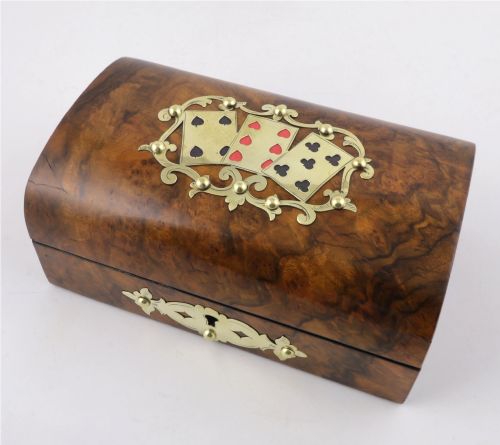
Among the storage pieces, unexpected walnut items pop up including playing card boxes and double tea caddies.
Assessing craftsmanship and execution
Quality rests in the selection and matching of the burr veneers across the facade, where symmetrical book-matching creates balanced visual patterns. Superior examples maintain intact marquetry and crispness in the carved mouldings without heavy restoration.
Structural integrity depends on the stability of the carcase timbers and the smooth operation of drawer runners. Finer pieces demonstrate precision in the dovetail joinery and tight alignment of crossbanded borders.
Shoolbred and Co
The Carved Burr Walnut Chest Glossary
- Burr walnut
- A veneer sliced from the gnarled growth or burl of a walnut tree. It yields highly decorative swirling grain patterns prized for cabinet fronts.
- Marquetry
- Decorative patterns formed by fitting together thin veneers of different coloured woods. Floral motifs frequently appear on eighteenth-century surfaces.
- Serpentine
- A front contour that curves outward in the centre and inward at the sides. This profile requires skilled shaping of both solid timber and veneer.
- Bombe
- A swelling, outward-curving profile found on commodes and bureaus. The curved shape demands advanced woodworking techniques to apply veneer smoothly.
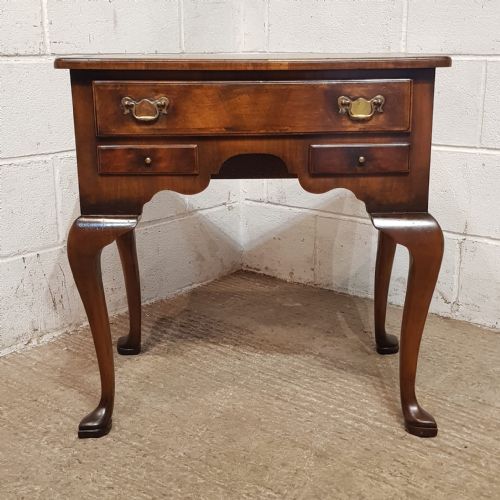
- Lowboy
- A small low table with drawers, often standing on tall legs. It serves as a dressing table or side table in domestic interiors.
Carved Burr Walnut Chest: Frequently Asked Questions
How do I date a burr walnut chest?
Dating relies on construction methods, timber thickness, and stylistic clues such as bracket feet or cabriole legs. Earlier pieces from the seventeenth and eighteenth centuries often display hand-cut dovetails and native oak linings.
Later revival pieces from the Edwardian period or the nineteen-twenties adopt historical proportions while utilising modern machinery and different secondary woods.
What is the difference between a chest and a commode?
A standard chest focuses strictly on horizontal drawer storage stacked vertically within a rectangular carcase. A commode generally refers to a lower, wider cabinet form with European origins, often featuring serpentine or bombe fronts.
Both forms utilise decorative burr walnut veneers, but commodes lean towards decorative reception room use rather than basic bedroom storage.
How should I care for walnut veneer?
Burr walnut veneer requires stable indoor humidity and protection from direct sunlight to prevent lifting or fading. Regular dusting with a dry lint-free cloth preserves the polished surface without the need for heavy silicones.
Applying a traditional beeswax polish occasionally helps nourish the timber and maintain the natural lustre of the grain.
What is a chest on stand?
A chest on stand pairs a primary drawer cabinet with a separate supporting framework, often featuring four legs joined by stretchers. This elevated form lifts the storage space higher off the floor and lightens the overall visual mass.
Originating in earlier centuries, this configuration highlights decorative legs and shaped aprons beneath the main body.