
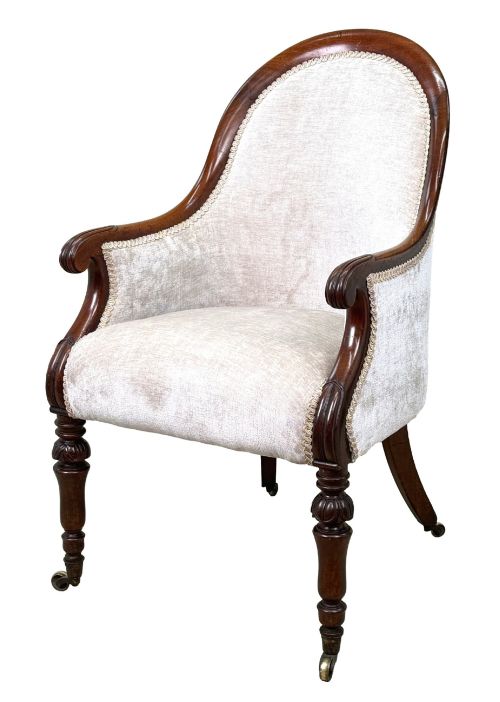
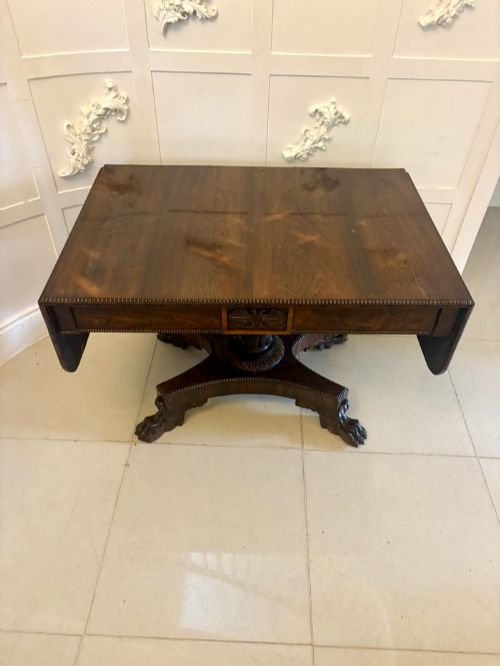
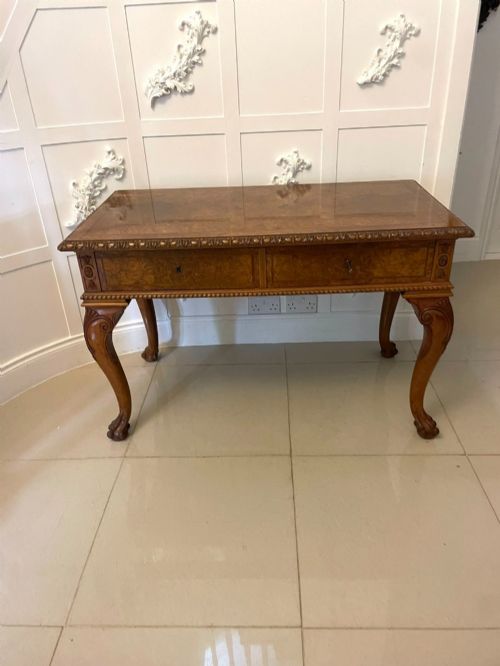
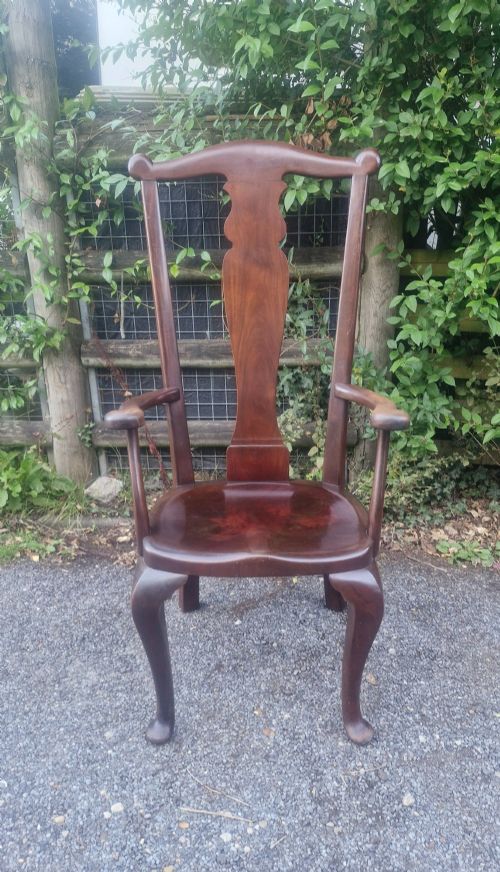
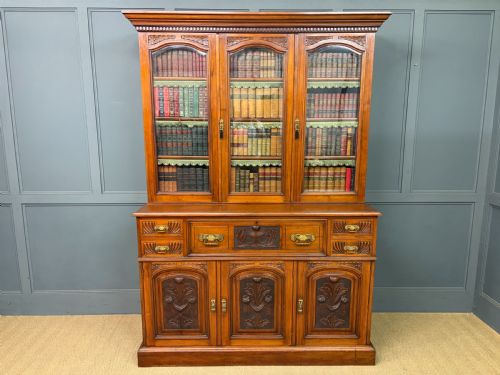


Carved Brown Desk
A carved brown desk brings warmth and history to a study, offering rich timber tones and detailed woodwork.
Carved Brown Desk
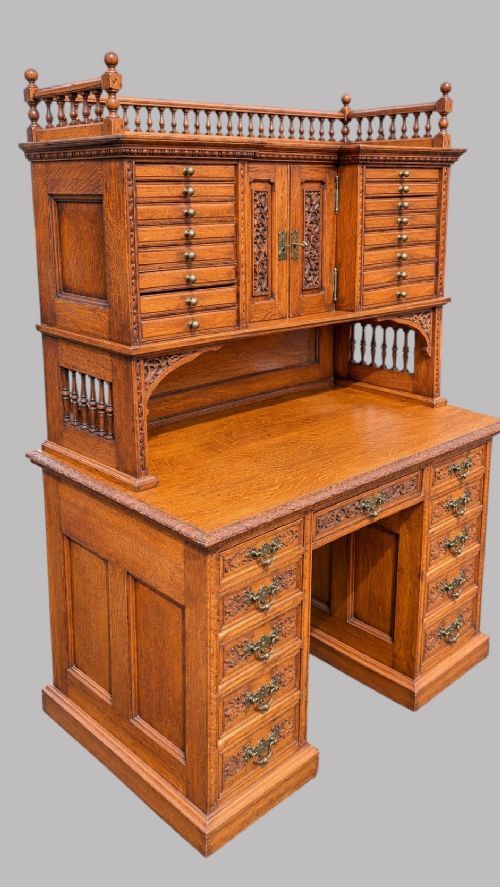
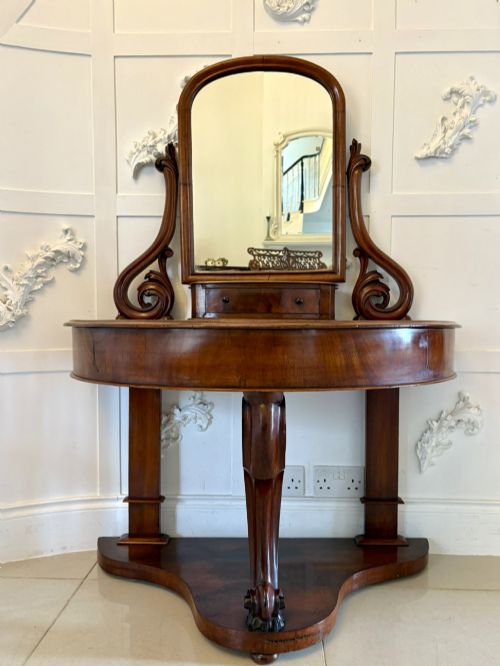
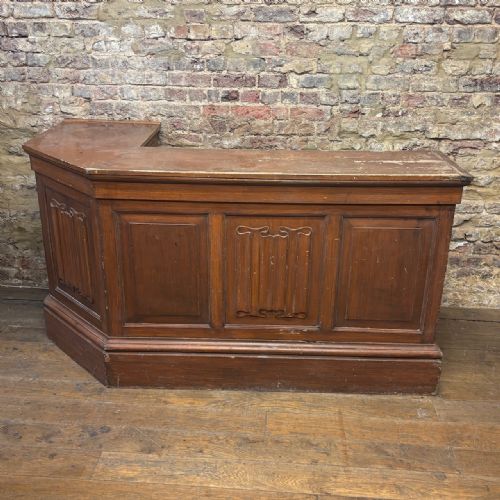
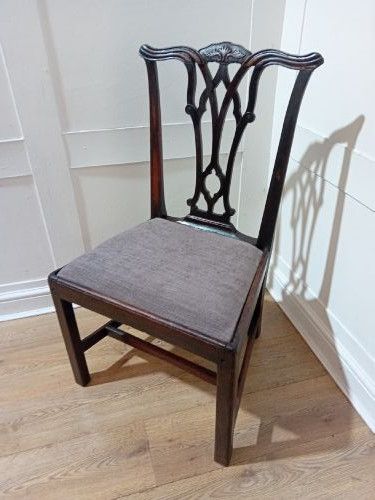
When you search for a carved brown desk, you encounter various timber writing pieces spanning the seventeenth century through to the Edwardian era. These forms range from pedestal desks and kneehole desks to compact bureaux and Davenport desks.
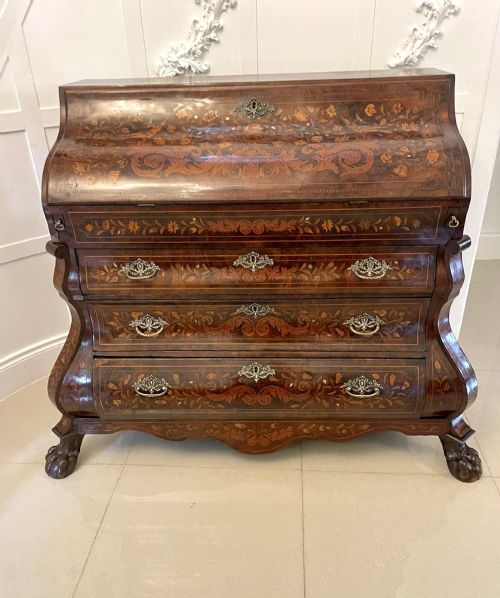
The materials you meet most frequently are oak and walnut, alongside mahogany, often paired with leather writing surfaces. Many examples display carved details such as linenfold panels, floral marquetry, or traditional geometric motifs.
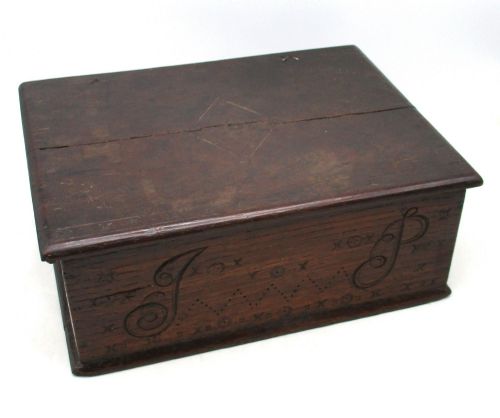
Victorian and Edwardian iterations dominate the selection, though earlier pieces from the eighteenth and seventeenth centuries appear as document boxes or writing slopes. These items serve as functional workspaces while bringing traditional craftsmanship into a room.
Materials and Construction
Joinery methods relied on traditional techniques such as dovetailing for drawer construction and mortise and tenon joints for frames. Carved elements were worked directly into the solid timber or applied as moulded details.
Secondary materials such as glass, brass hardware, and tooled leather inserts completed the functional workspace. Polishing oils and waxes were applied to protect the wood and deepen the natural brown hue.
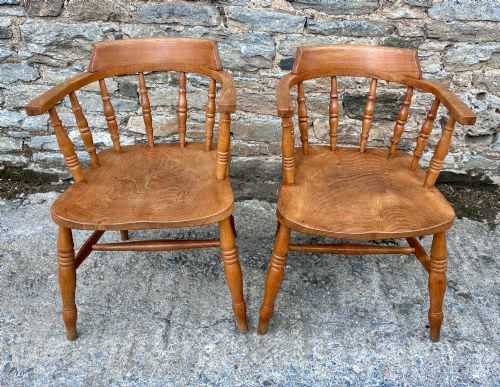
Surviving nineteenth-century desk chairs frequently reveal ink splashes embedded deep within the revolving timber seats.
Assessing Quality and Execution
The depth and crispness of the carved ornamentation separate standard production items from superior workshop commissions. Skilled carvers achieved sharp undercut details and balanced proportions that integrated harmoniously with the overall furniture form.
Timber selection and veneer matching dictate the visual impact of the writing surface, particularly on burr walnut and mahogany models. Book-matched veneers and solid secondary timbers indicate deliberate attention to structural longevity.
Fittings such as original brass handles, working locks with keys, and finely tooled leather skivers contribute to the integrity of the piece. The smoothness of drawer movement and the tightness of joints reflect the standard of original cabinet making.
The Carved Brown Desk Glossary
- Bureau
- A sloping desk with a hinged flap that covers a compartment of pigeonholes and small drawers. It often sits upon a base of drawers or a frame.
- Pedestal Desk
- A large freestanding writing table with two banks of drawers supporting the top. These provide substantial storage flanking a central kneehole.
- Davenport Desk
- A compact Victorian writing desk featuring a sloping top and side drawers. The writing surface is typically lined with leather.
- Linenfold
- A carved wooden panel motif imitating folded parchment or linen. This style appears frequently on oak furniture from various periods.
- Marquetry
- The art of applying pieces of veneer to a structure to form decorative patterns. Floral designs are common on walnut surfaces.
Carved Brown Desk: Frequently Asked Questions
How do I identify an oak Davenport desk?
An oak Davenport desk is a compact writing cabinet with a sloping, hinged writing surface usually inset with leather. Drawers often open to the side rather than the front.
These pieces emerged in the nineteenth century and suit smaller studies or drawing rooms where floor space is limited.
What distinguishes burr walnut?
Burr walnut timber comes from a tree growth or burl, producing highly figured wood grain with swirling patterns. Cabinet makers utilised veneers of this material on prominent surfaces like desk lids and drawer fronts.
Its rich patterning creates a striking contrast against plain walnut or mahogany frames.
How should I care for a leather desk top?
Leather desk inserts require gentle cleaning with a slightly damp cloth followed by a suitable leather cream to maintain flexibility. Avoid using harsh chemical solvents or excessive water.
Regular conditioning prevents the leather from drying out and preserves the gold tooling often found on Victorian pieces.
What is a linenfold carved desk?
A linenfold carved desk incorporates wooden panels carved to resemble folded vertical sheets of linen. This decorative technique is characteristic of revival styles drawing on earlier traditions.
It adds texture and architectural depth to oak surfaces on panels and cabinet doors.