




Carved Brass Fireside Scuttle
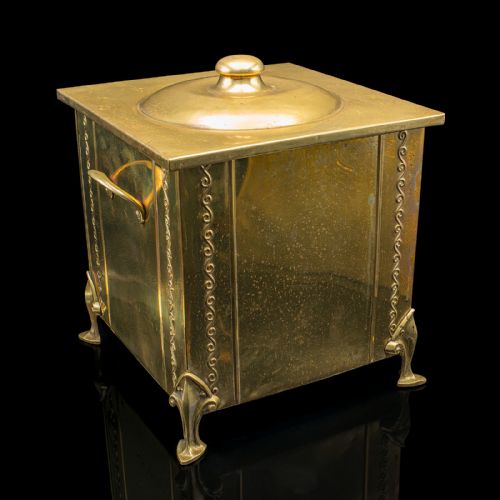
These carved brass fireside scuttles are sturdy domestic fuel containers crafted to hold coal, logs and kindling near the hearth.
Carved Brass Fireside Scuttle
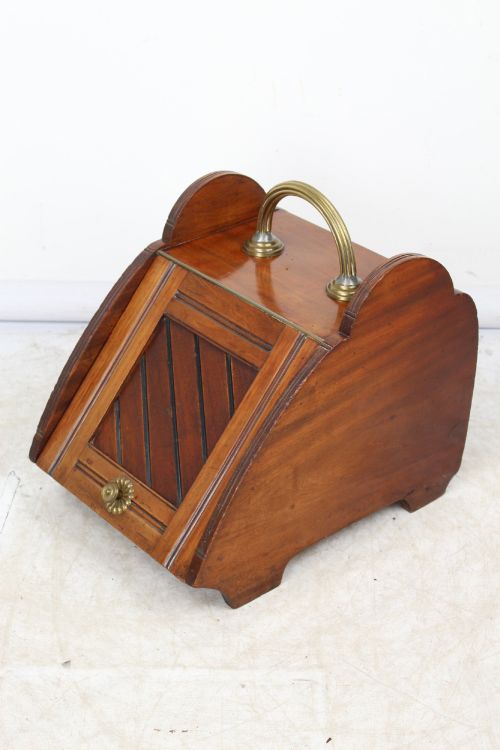
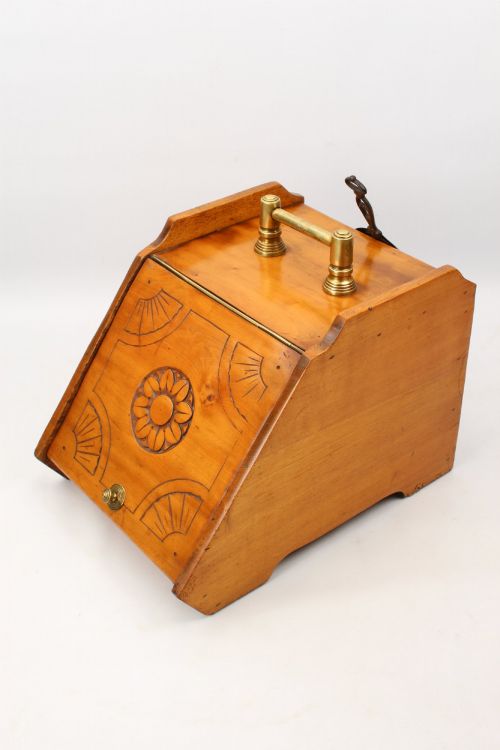
When you search for a carved brass fireside scuttle, you are looking at utilitarian hearth containers that combine functional metal hardware with decorative woodwork. The examples met on this page span the Victorian and Edwardian periods, typically taking the form of coal boxes, purdoniums, bins and buckets. Most pieces combine a timber body with brass handles, mounts and hinges, often featuring carved fronts designed to suit formal reception rooms and country houses alike.
The assortment on offer includes items described variously as coal scuttles, log stores and kindling baskets alongside traditional coal boxes and purdoniums. The forms range from simple lidded bins to elaborate purdoniums complete with original liners and matching shovels. Oak and walnut appear frequently as the primary timber materials, paired with polished brass fittings that catch the firelight.
How they were made
The construction of these pieces relies on the pairing of solid timbers such as oak, mahogany and walnut with durable metal elements. Workshops utilised brass for handles, decorative mounts, hinges and scuttle linings, ensuring the functional parts withstood daily handling near the hearth. Iron and ebony occasionally appear as supplementary materials for internal structure or decorative contrast.
Cabinetmakers shaped the wooden bodies using traditional joinery, often applying carved enrichment to the front panels of the boxes and purdoniums. Lids and hinged drop-fronts were fitted with sturdy brass hardware to allow easy access to fuel while containing dust and debris.
Materials recorded across these hearth containers include brass, oak, mahogany, iron, walnut, wood, ebony and metal.
What varies in quality
Quality in these hearth containers rests on the selection of timber and the crispness of the carving on the wooden body. Pieces constructed from figured walnut or dense oak with well-defined carved fronts sit at the upper end of the range, showing superior cabinetwork in the joints and framing.
The presence of original metal liners and matching shovels elevates a piece, as these removable components frequently went missing or suffered replacement over decades of domestic use. Weight and thickness of the brass mounts also distinguish sturdier examples from lighter, more utilitarian items.
The Carved Brass Fireside Scuttle Glossary
- Purdonium
- A specialised coal box featuring a sloping front and a hinged lid, designed to dispense fuel cleanly onto the fire. This form gained popularity during the Victorian era for domestic hearth use.
- Fireside Scuttle
- A deep container traditionally used for carrying and storing solid fuel such as coal or logs. It typically incorporates a sturdy carrying handle.
- Coal Box
- A rigid lidded box made to store coal neatly beside the fireplace out of sight. They often house a removable metal liner to contain dust.
- Kindling Basket
- A receptacle intended for holding dry twigs and small wood pieces used to start a hearth fire. These appear in both wooden and metal constructions.
Carved Brass Fireside Scuttle: Frequently Asked Questions
What is a coal purdonium?
A coal purdonium is a specific type of fireside container featuring a hinged front flap or lid that drops forward to release fuel. They were standard accessories in Victorian and Edwardian drawing rooms.
Unlike an open bucket, a purdonium kept coal neatly enclosed and concealed dust and small fragments inside a removable metal liner.
How do I care for brass mounts?
Brass mounts require gentle cleaning with a soft cloth to remove dust and maintain their surface sheen. Avoid harsh abrasive cleaners that can strip the aged patina from the metal.
Take care when polishing near the surrounding wood or carved panels to prevent staining the timber.
Are original liners important?
Original metal liners are valued because they protect the wooden interior from moisture, coal dust and scuffs. Many liners suffered from corrosion over time and were replaced with modern substitutes.
Finding a piece retaining its original removable metal liner and matching shovel adds to its completeness.
How do I distinguish Victorian from Edwardian pieces?
Victorian pieces often display heavier proportions and deep, ornate carving reflecting mid to late nineteenth-century tastes. Oak and walnut are common woods from this span.
Edwardian examples tend towards slightly lighter designs and refined cabinetmaking, often matching the changing interior aesthetics of the early twentieth century.