
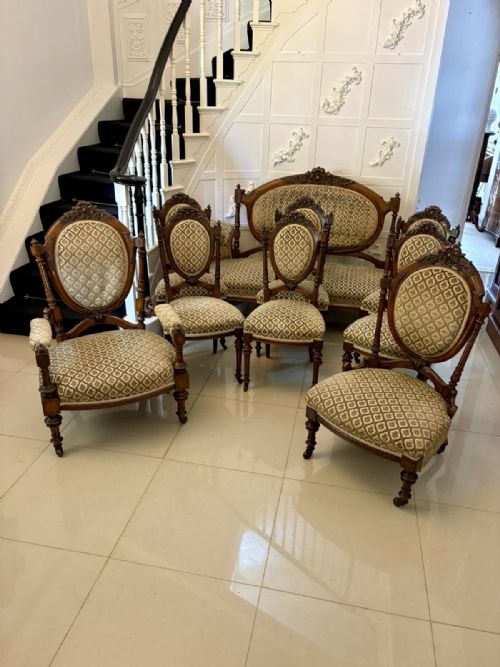
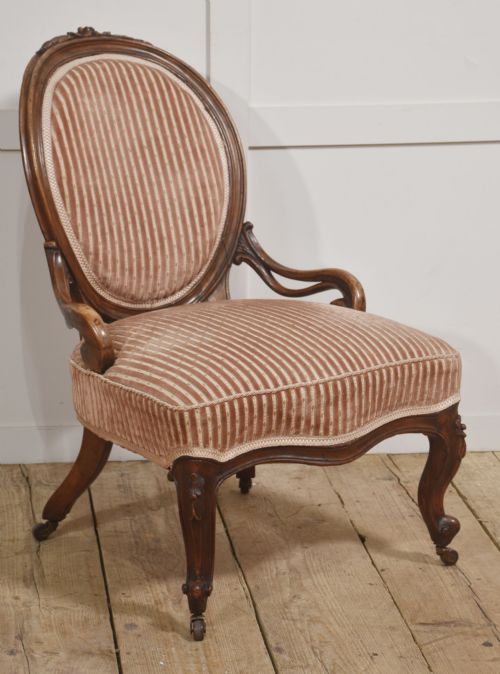
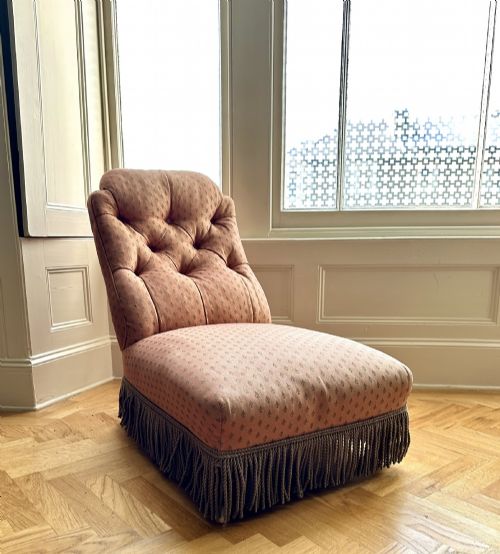

Carved Back Nursing Chair
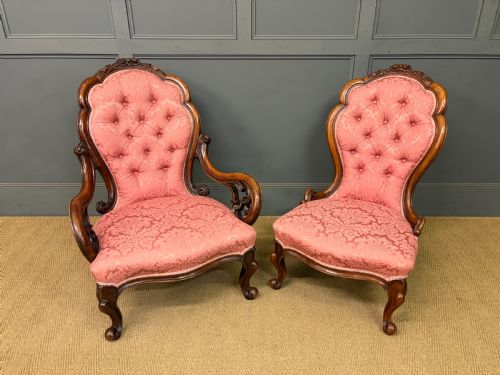
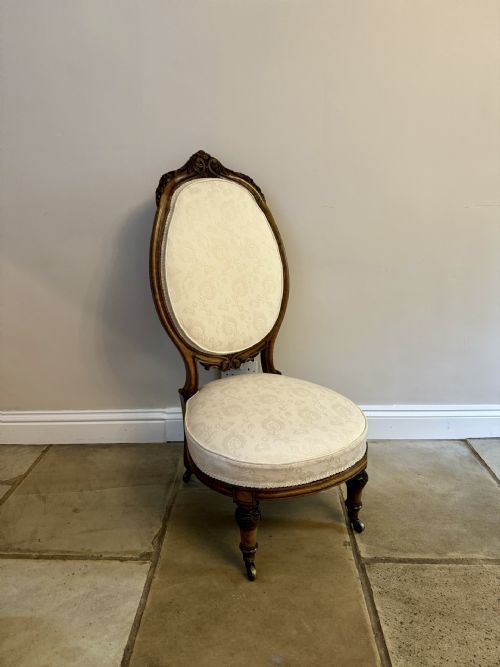
These carved back nursing chair examples bring low-seated Victorian and Edwardian comfort to sitting rooms through walnut and mahogany frames.
Carved Back Nursing Chair
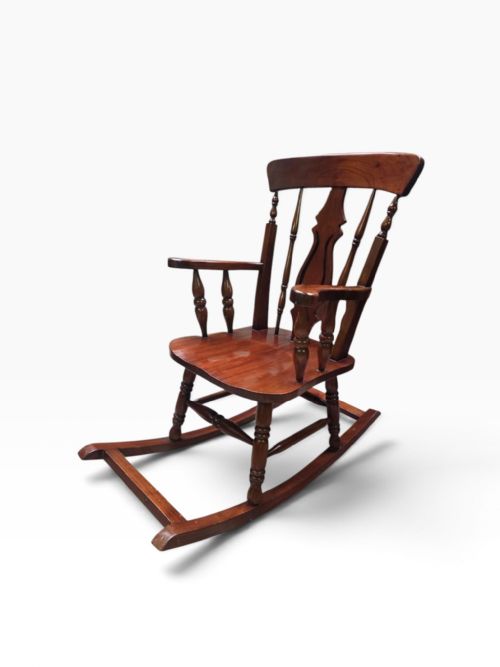
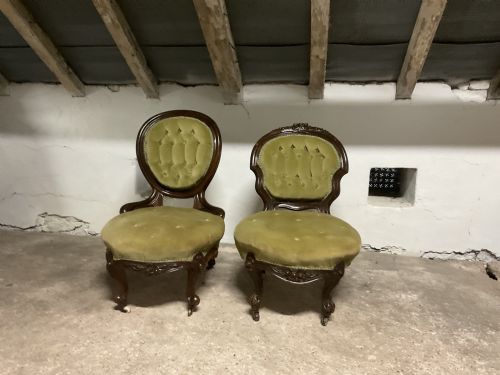
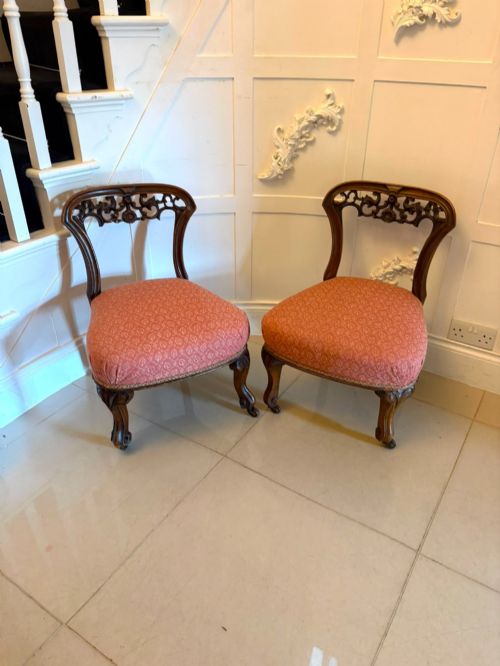
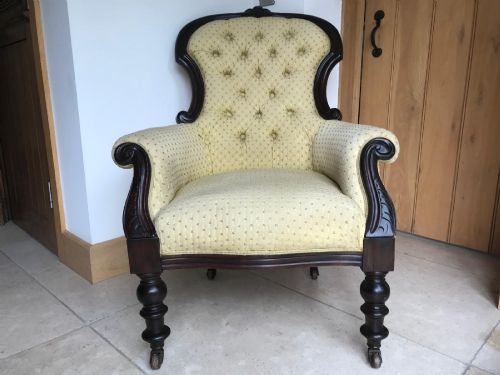
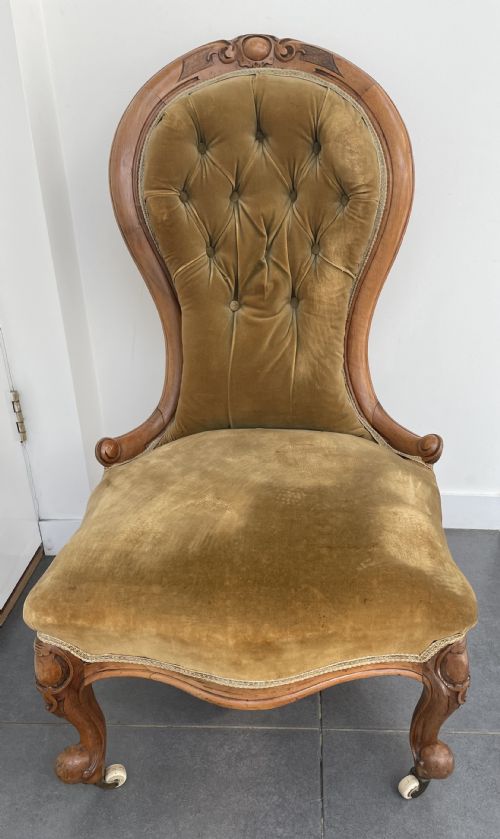
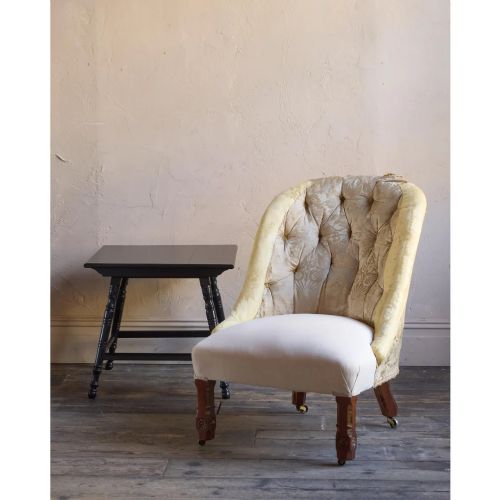
A carved back nursing chair serves as a low-seated Victorian or Edwardian chair originally designed for nursery use or personal dressing rooms. The form encompasses low seats and supportive backs, appearing frequently in walnut and mahogany across the Victorian and Edwardian eras.
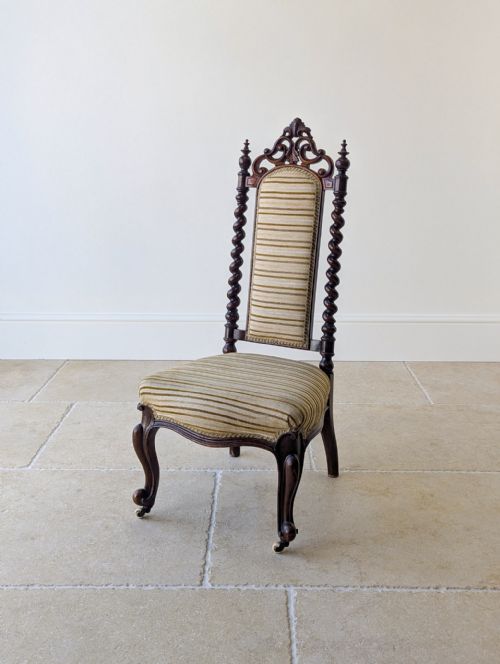
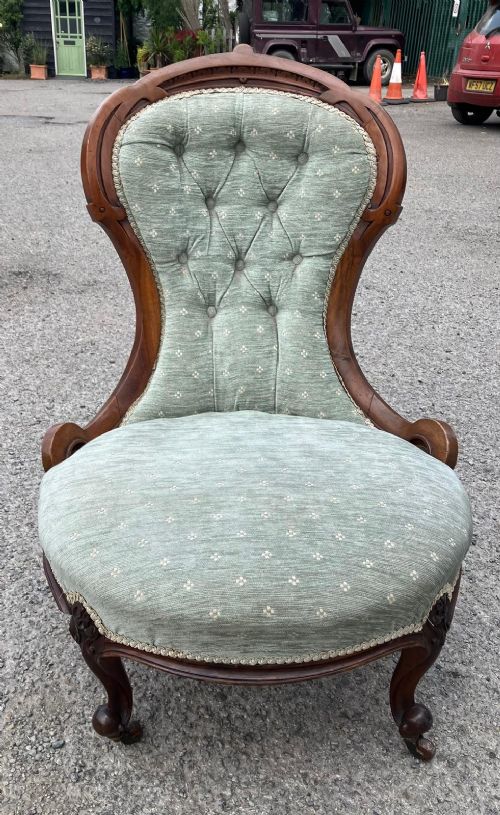
Buyers encounter numerous variations on this page, including spoon-back, high-back, and scroll-back designs alongside related seating forms like ladies chairs and slipper chairs. The evidence spans from mid-Victorian pieces dating to eighteen fifty through to Edwardian examples from nineteen hundred.
Regional and stylistic diversity shows clearly in pieces such as Scottish vernacular items, Louis XVI style interpretations, and Victorian Rococo Revival framing. These low chairs often feature open arms, button upholstery, and intricate hand-carved woodwork.
Materials and Technique
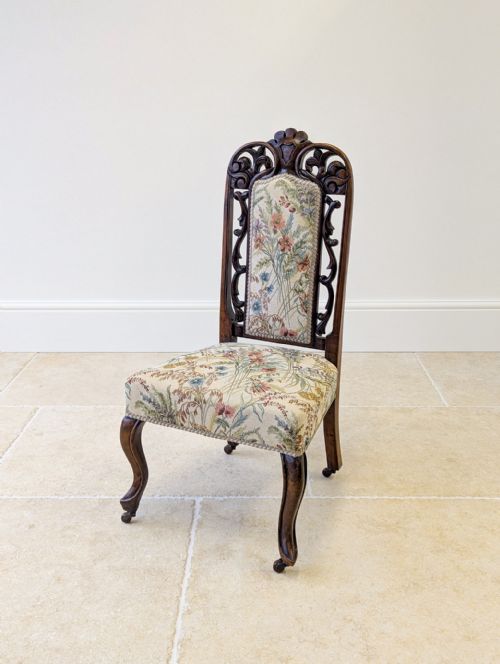
Frames rely predominantly on solid walnut and mahogany, with occasional use of rosewood, beech, and giltwood. Cabinetmakers shaped these dense timbers using hand-carved details on crest rails and cabriole legs.
Upholstery techniques involve traditional stuffing secured over springs or webbing, finished with textiles such as velvet, tapestry, fabric, and silk fringe. Structural joins typically utilise mortise and tenon construction.
Victorian sitters relied on low seats so their feet stayed warm near the coal fire.
Craftsmanship and Proportion
Quality separates through the depth and crispness of the hand-carved ornamentation on the timber frame. Superior examples display fluent carving along the spoon-back or crest rail without softening in the detail.
The choice of primary timber influences the standing of the piece, with heavily figured walnut and rich mahogany commanding greater regard than secondary woods. Original upholstery and intact frames maintain the integrity of the piece.
Proportion and stance dictate the elegance of the silhouette, ensuring the low seat balances correctly with the upright back. Exhibition quality pieces show superior joinery and harmonious proportions across matching suites.
R Whytock of Edinburgh·Wheeler Of Arncroach
The Carved Back Nursing Chair Glossary
- Spoon-back
- An upholstered chair back shaped in a concave oval resembling the bowl of a spoon. This distinctive contour fits the curve of the human spine.
- Cabriole leg
- A furniture leg that curves out and then in, resembling the leg of an animal. This form frequently terminates in scroll or carved feet on Victorian seating.
- Prie-Dieu
- A devotional chair featuring a low seat and an elevated, padded top rail for kneeling and praying. These pieces often date from the mid-nineteenth century.
- Slipper chair
- A low-seated upholstered chair designed for dressing areas and bedrooms. The low profile made putting on footwear straightforward.
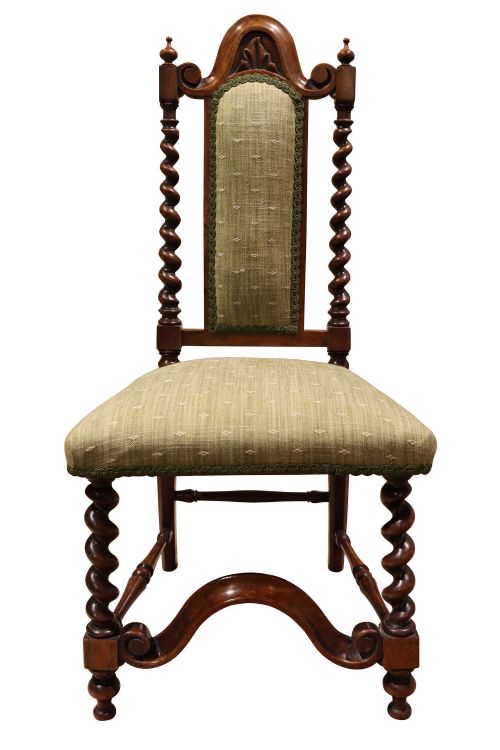
- Barley twist
- A woodworking technique turning timber into a spiral rope pattern. This detail appears frequently on the vertical supports of chairs.
Carved Back Nursing Chair: Frequently Asked Questions
What is a carved back nursing chair?
A carved back nursing chair is a low-seated Victorian or Edwardian chair featuring an ornate wooden backrest. These pieces were historically placed in bedrooms and nurseries for comfortable sitting.
Today, they function as decorative accent seating in living spaces and dressing rooms. Their low stature and carved frames distinguish them from standard dining or parlour chairs.
How do I date a nursing chair?
Dating relies on examining the timber, upholstery style, and carved motifs present on the frame. Mid-Victorian pieces often use solid walnut with spoon-back profiles, while Edwardian examples introduce lighter woods and varied carving.
Reference points include documented construction methods and recorded design periods from eighteen fifty to nineteen hundred. Comparing leg forms and upholstery techniques helps narrow down the decade.
Were these chairs used only for nursing?
Despite the traditional name, these low chairs served multiple domestic purposes in Victorian homes. Ladies used them in dressing rooms, parlours, and bedrooms for reading and relaxing.
The low seat made them practical for tending to infants, but their elegant carvings also suited formal reception rooms as occasional or salon chairs.
How should I style one at home?
A carved back nursing chair works well as an accent piece in a bedroom, sitting room, or hallway. Its low height pairs effectively beside low tables or empty corners requiring visual interest.
Letting the carved timber frame remain visible ensures the woodwork commands attention. The upholstery can either contrast with modern decor or match traditional interior schemes.