

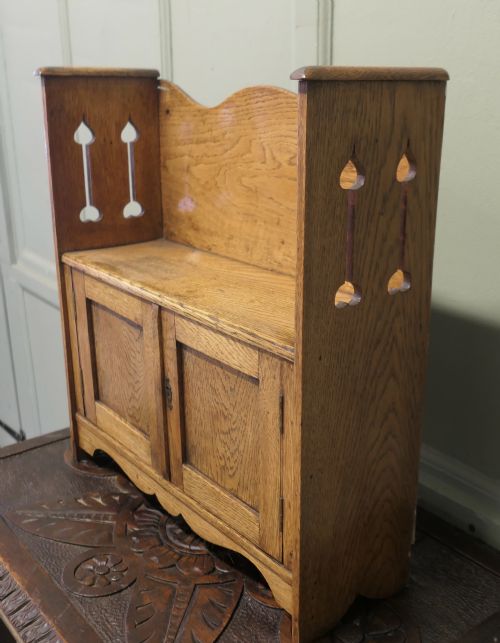
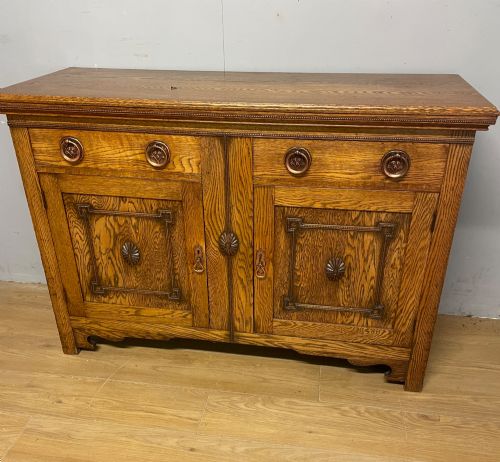
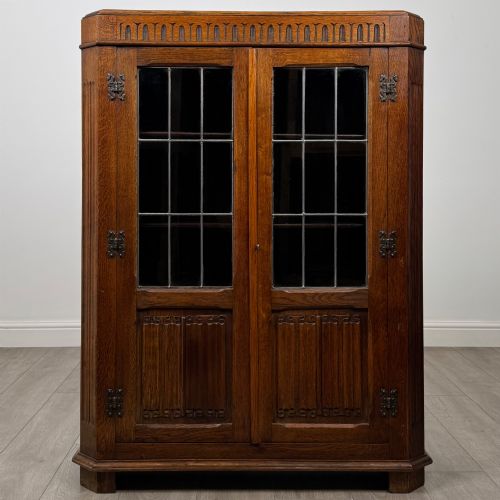
Carved Arts Crafts Cupboard
A carved arts crafts cupboard brings tactile hand-carved detail and honest construction into a room, offering both practical storage and distinctive period character.
Carved Arts Crafts Cupboard
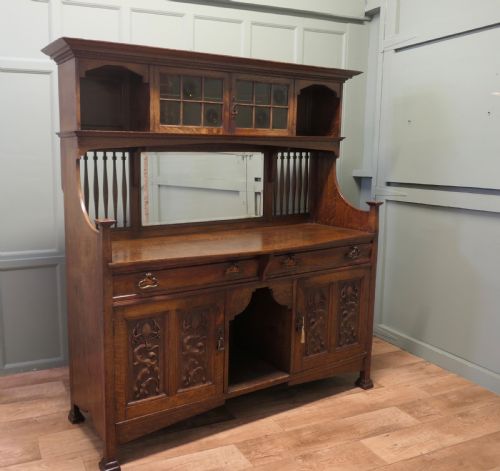
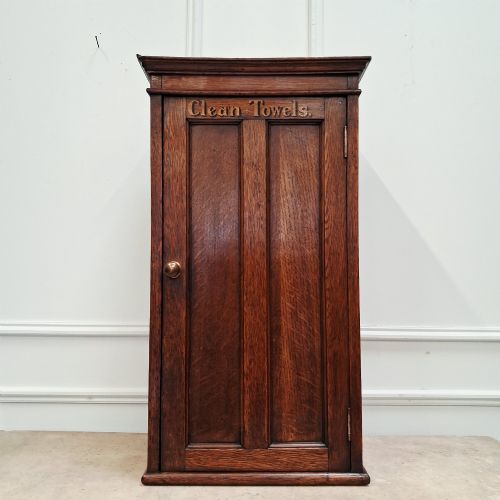
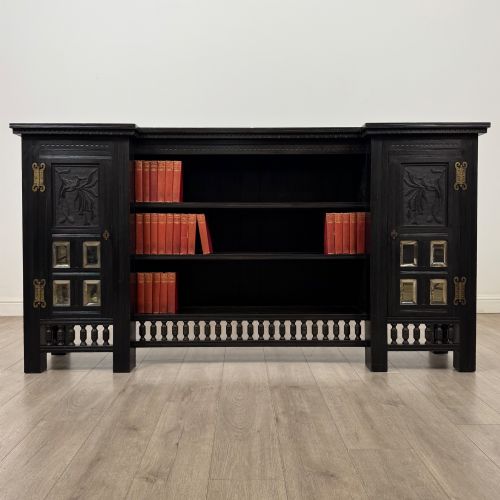
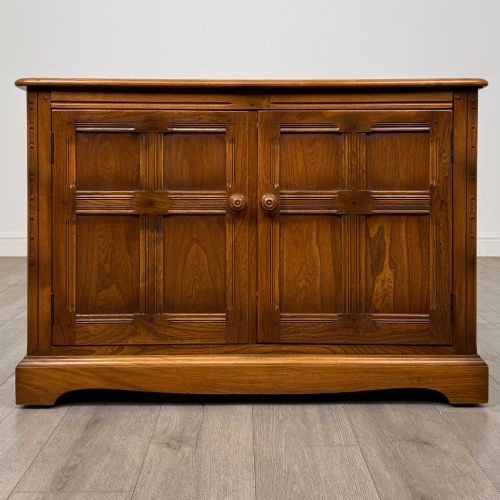
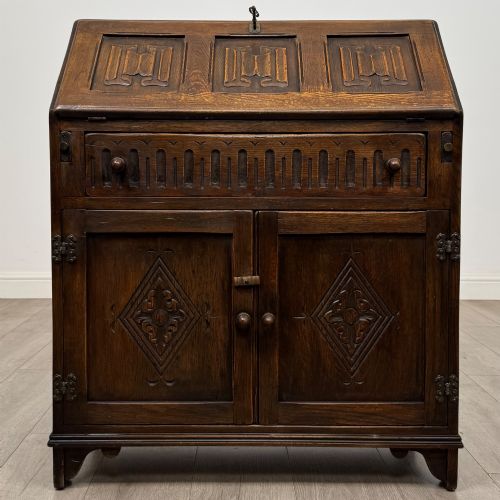
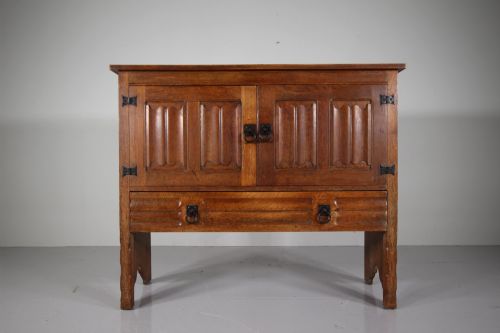
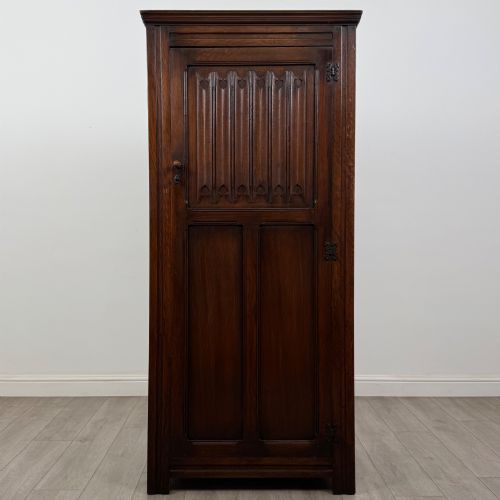
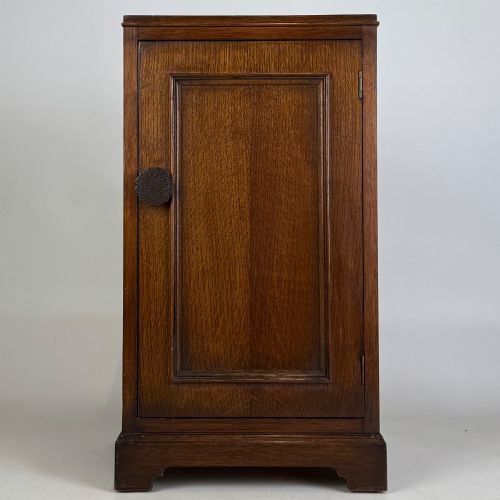
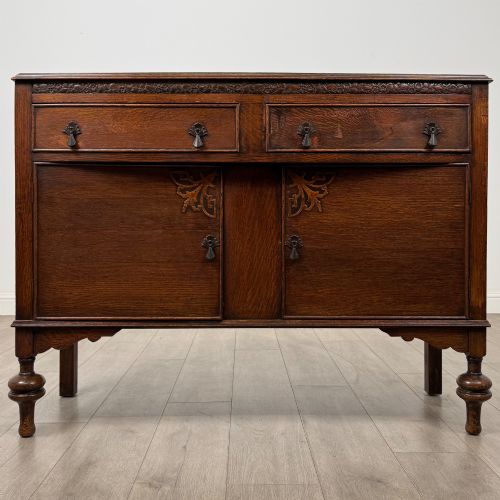
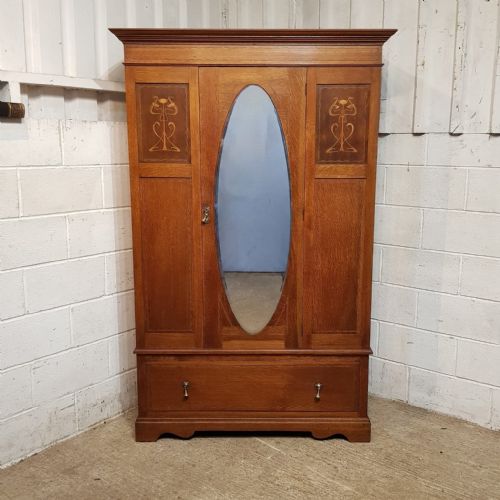
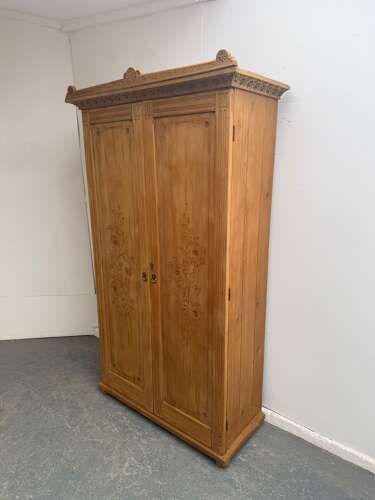
A carved arts crafts cupboard encompasses a range of storage furniture including wall cabinets, wardrobes, sideboards, and bedside units originating from the late nineteenth and early twentieth centuries. These pieces reflect movements such as Arts and Crafts, Aesthetic Movement, and revival styles associated with the Victorian and Edwardian eras.
The selection frequently includes golden oak wall cabinets and sideboards alongside pine and ash wardrobes, often displaying surface carving or linear panels. Buyers encounter domestic storage forms designed for utility, ranging from compact hanging cupboards to larger bedroom suites.
Dated examples span from the eighteen-eighties through to the nineteen-thirties, showing how vernacular cabinet-making evolved into mass-produced twentieth-century furniture while retaining traditional joinery.
Materials and Technique
Makers relied predominantly on solid oak, pine, and ash, supplemented by walnut and mahogany for specific regional or stylistic commissions. Metalwork fittings in brass, copper, and iron provided strap hinges, drop handles, and escutcheons that complemented the timber grain.
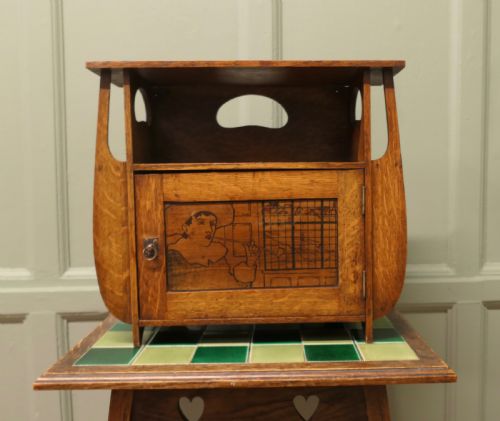
Surface decoration involved hand-carving, pokerwork, and leaded glass inserts, with wax finishes applied to highlight the natural properties of the wood. Construction methods prioritized visible tenon joints and sturdy frames suited to daily domestic service.
Some wardrobes arrive with their original factory chalk marks still visible on the reverse of the panels.
Standards of Execution
Quality rests upon the selection of timber, the crispness of the hand-carving, and the integrity of the structural joinery rather than mere ornamentation. Superior items display thoughtful proportion, well-fitted doors, and original hardware that harmonises with the primary wood.
Lesser examples rely on applied surface decoration over simpler carcase construction or mismatched replacement fittings that alter the intended balance of the piece.
John Moyr Smith·Heals of London·Shapland & Petter
The Carved Arts Crafts Cupboard Glossary
- Pokerwork
- A technique of burning designs into wood using a heated metal point, frequently seen on decorative panels of this period.
- Linenfold
- A style of wood carving that resembles folded parchment or linen, often used on vertical panels of cupboards and wardrobes.
- Leaded glass
- Small panes of glass held together by strips of lead, common in the doors of display cabinets and wall-mounted cupboards.
- Dresser base
- A low sideboard or cabinet featuring surface storage space, derived from traditional farmhouse kitchen furniture.
- Aesthetic Movement
- A late nineteenth-century design style emphasising visual beauty over narrative subject matter, influencing cabinet decoration.
Carved Arts Crafts Cupboard: Frequently Asked Questions
Where should I place a wall cabinet?
A wall-mounted cupboard suits spaces requiring compact storage without floor intrusion, such as kitchens, hallways, or above a desk.
Ensure the wall structure can support the weight of solid timber carcases before hanging.
How do I clean waxed oak furniture?
Maintain timber surfaces by dusting with a dry, soft cloth and applying a traditional beeswax sparingly when the grain appears dry.
Avoid liquid polishes containing silicone, which can penetrate the pores and degrade the historic finish.
What is the difference between Edwardian and Victorian pieces?
Victorian cabinets often display heavier proportions, darker finishes, and eclectic revival styles, whereas Edwardian pieces tend toward lighter golden oak tones and simplified lines.
Both periods overlap in production methods, making wood selection and hardware key indicators for dating.