
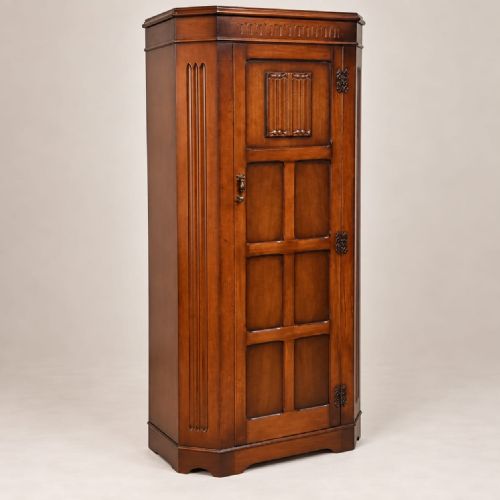
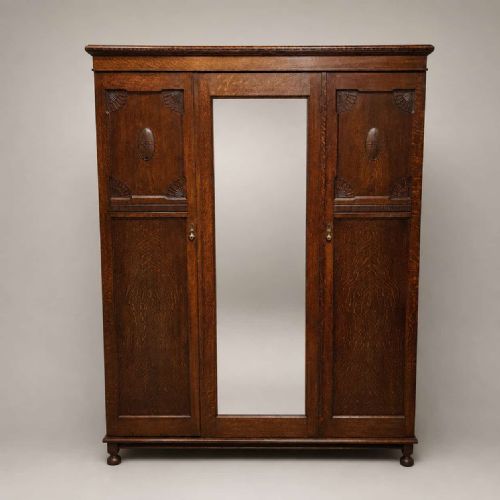
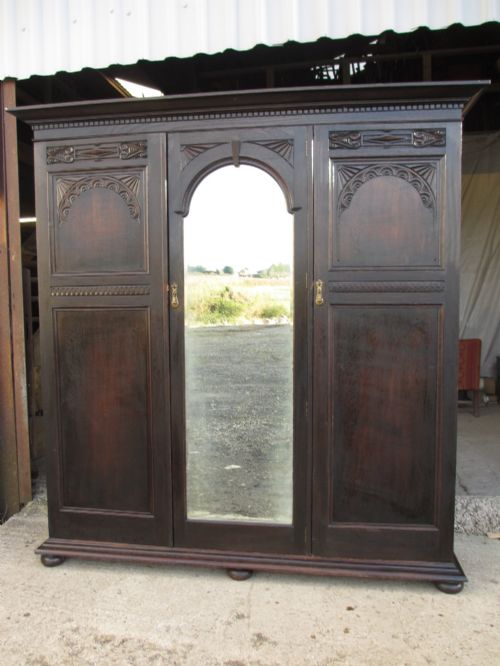
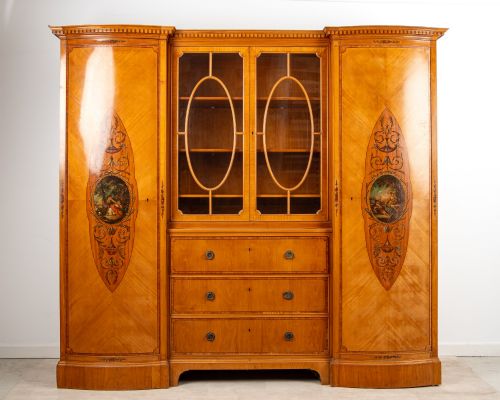



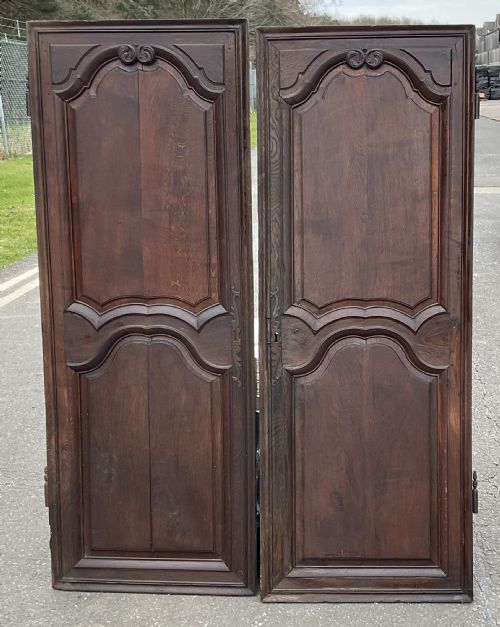

Carved Armoire Door Panels
Carved armoire door panels bring architectural depth and French provincial charm to modern interiors.
Carved Armoire Door Panels
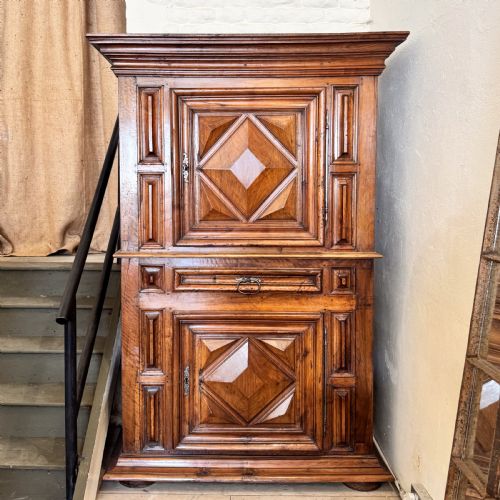
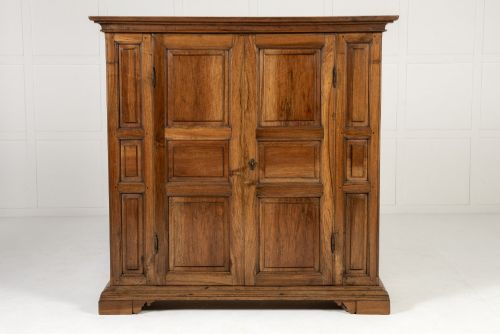
These architectural fragments originate from large storage pieces such as wardrobes, cupboards, and armoires dating from the seventeenth century to the early twentieth century. When searching for carved armoire door panels, buyers encounter wooden sections salvaged from French, Italian, Dutch, and English furniture.
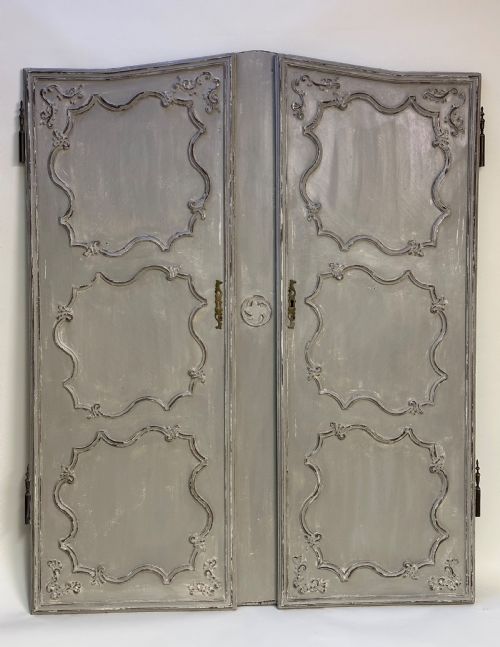
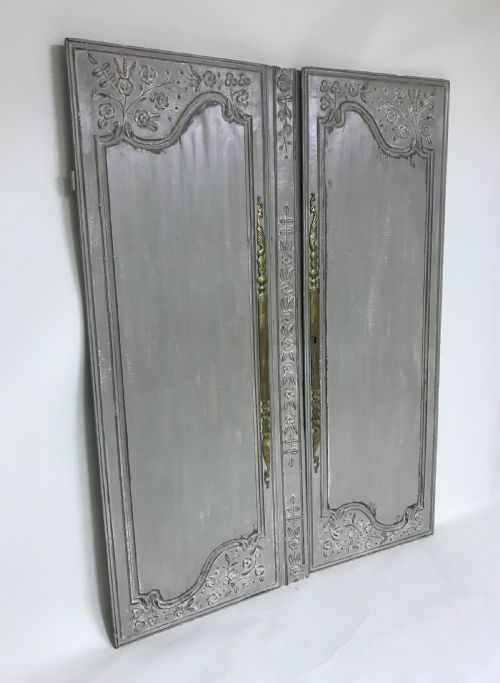
The selections span distinct historical periods including the seventeenth, eighteenth, and nineteenth centuries, alongside Edwardian and 1920s examples. Forms range from matched pairs of French walnut and cherrywood doors to single panels removed from larger wardrobes and linen cupboards.
Pieces frequently display regional stylistic traits like French Provincial shaping, Italian Baroque carving, or Jacobean Revival motifs. Buyers utilise these architectural elements for interior decoration, wall mounting, or custom cabinetry integration.
Materials and construction
Carpenters and cabinetmakers utilised dense hardwoods suited to deep relief carving and structural stability. Oak, walnut, satinwood, burr walnut, and cherrywood form the primary material foundation across the inventory.
Surfaces often exhibit hand-carved detailing executed directly into the timber, sometimes accented with painted finishes or traditional brass and iron hardware. Construction techniques reflect the joinery standards of periods ranging from the seventeen hundreds through the Edwardian era.
Some doors retain ancient iron hinges that squeak history every time a seventeenth-century Dutch linen cupboard opens.
Assessing quality and craftsmanship
Quality resides in the crispness and depth of the hand carving and the selection of figured timber grains, such as burr walnut or quarter-sawn oak. Superior panels display balanced proportions and confident execution in architectural mouldings.
Condition and originality dictate value, particularly the preservation of early paint finishes, original brass or iron fittings, and stable timber joints without modern alterations.
The Carved Armoire Door Panels Glossary
- Armoire
- A large wardrobe or cupboard, typically with two doors, designed for storing garments. These imposing pieces provided the primary source for large decorative wooden panels.
- Compactum
- A multi-compartment wardrobe combining hanging space with drawers and shelves. These complex storage items yielded varied panels and door configurations.
- Panel
- A distinct section of woodwork set within a frame, frequently carved or painted. In architectural salvage, these components are separated from their original furniture bodies.
- Quarter-sawn
- A method of sawing timber that produces a distinctive grain pattern and greater dimensional stability. This cut was favoured by cabinetmakers for high-status furniture doors.
- Provincial
- Denoting regional styles produced outside metropolitan centres, often featuring simpler tools and charming local interpretations of grander court fashions.
Carved Armoire Door Panels: Frequently Asked Questions
How do I hang carved armoire door panels on a wall?
Panels require robust mirror plates or custom wooden battens screwed securely into the rear frame to support their solid hardwood weight.
Ensure fixings anchor directly into wall studs or masonry rather than plasterboard alone.
Can these door panels be used to make new cupboards?
Joiners frequently integrate antique panels into bespoke cabinetry, kitchen units, or interior doors to introduce period character.
Sizing requires careful planning because historical dimensions rarely match modern standard openings.
How should I clean antique carved wooden panels?
Dust gently with a dry, soft-bristled brush to lift debris from deep recesses without disturbing the patina.
Avoid liquid cleaners and modern silicone polishes, applying traditional beeswax sparingly only if the wood appears dry.
What is the difference between French and English panels?
French examples often showcase fluid provincial carving, fruitwood timbers, and sometimes historic painted finishes.
English equivalents typically utilise dark oak or mahogany with more geometric Jacobean or Victorian revival motifs.