
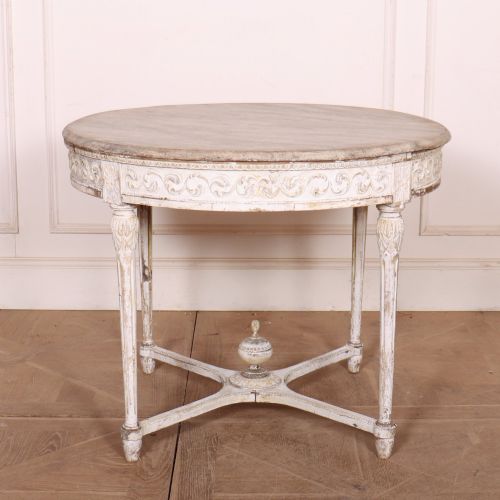
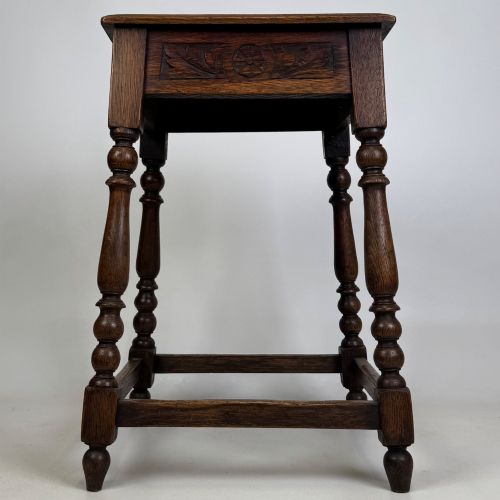
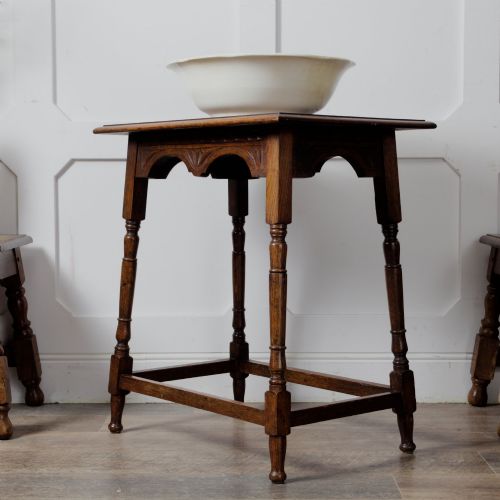
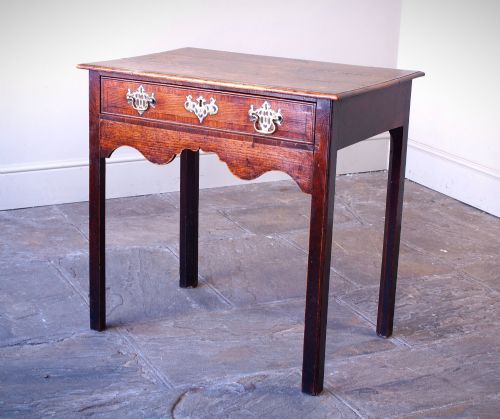
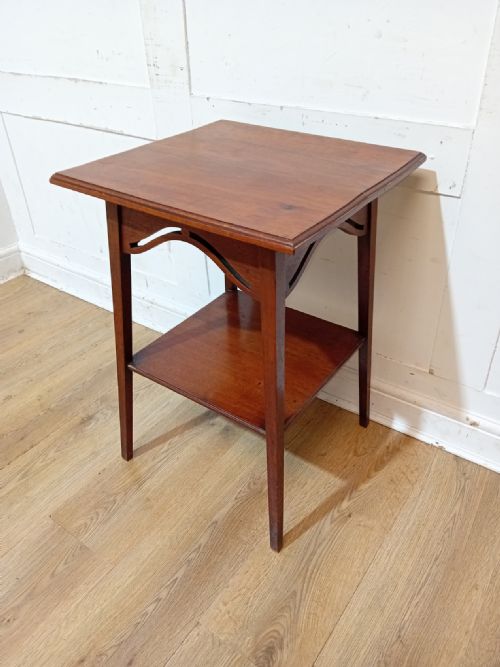
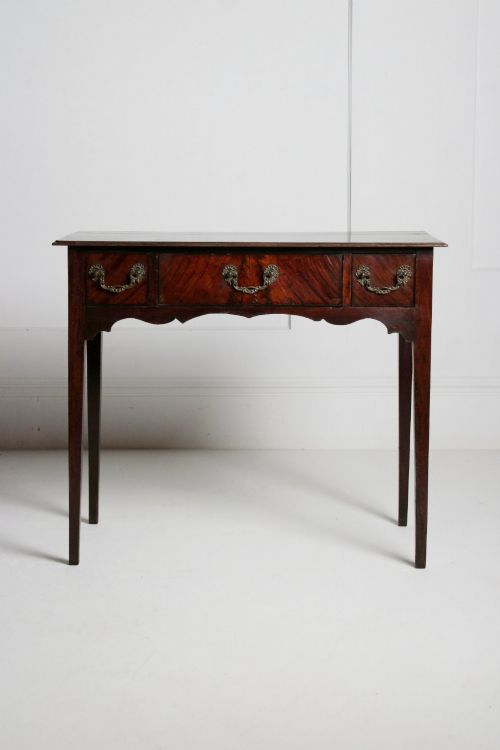


Carved Apron Occasional Table
A carved apron occasional table brings character to a room through distinctive underframe detailing and timber work.
Carved Apron Occasional Table
A carved apron occasional table spans several centuries of British, European and Asian cabinetmaking, appearing in forms such as side tables, lamp tables, centre tables and nests of tables. Buyers seek these pieces for their versatile proportions and the ornamented frieze beneath the top, which defines the character of each example.
The selection on this page relies heavily on oak and hardwood, spanning periods from the seventeenth century through the Georgian era, Victorian period, and into Edwardian times. Styles range from regional British vernacular and Georgian elegance to Chinese export design and Swedish painted or polished timber.
Common forms include lowboys, tilt-top tables, and quartetto nests, reflecting how makers adapted the occasional table for varied domestic uses. The defining carved apron element unites these diverse regional traditions, whether executed in heavy British oak or dense imported hardwoods.
Quality factors
Quality rests upon the crispness and depth of the carved apron ornament and the structural integrity of the timber frame. Pieces carved directly from the solid board demonstrate superior craftsmanship compared to those with applied or later replacement mouldings.
The choice of timber grain and the preservation of original surfaces heavily influence the standing of an individual table. Finer examples retain their original colour and patina without excessive modern intervention to the wood.
Periods range from seventeenth-century oak to Edwardian and Arts and Crafts productions.
Liberty of London
The Carved Apron Occasional Table Glossary
- Apron
- The horizontal timber member beneath the table top that connects the legs, frequently decorated with carving.
- Lowboy
- A small oak or mahogany side table with drawers, originating in the eighteenth century and often featuring a shaped apron.
- Tilt-top
- A table mechanism allowing the surface to pivot to a vertical position when not in use.
- Quartetto
- A matched set of four occasional tables designed to nest inside one another.
- Padouk
- A dense tropical hardwood valued for its rich colour and stability in cabinetmaking.
Carved Apron Occasional Table: Frequently Asked Questions
What is an occasional table?
An occasional table is a small, movable piece of furniture designed for specific, intermittent use around a room rather than a primary dining or writing function. These tables served for holding lamps, tea equipment, or decorative objects.
Over the centuries, makers adapted the form into side tables, lowboys, and nests, ensuring they could fit easily beside seating or against walls.
How do I date an oak table?
Dating oak furniture involves examining the tool marks, construction joints, and timber characteristics. Hand-sawn boards, pegged mortise and tenon joints, and shrinkage patterns help distinguish earlier pieces.
Stylistic shifts in the carved apron and leg turning also provide reliable clues to whether a piece belongs to the seventeenth, eighteenth, or nineteenth century.
Where were Chinese export tables made?
Chinese export tables were manufactured in workshops in southern China, particularly around Canton and Shanghai, specifically for Western markets. Makers utilised dense local hardwoods like padouk and rosewood, often incorporating traditional Chinese relief carving.
These pieces arrived in Europe through trade routes, blending Asian joinery techniques with European furniture forms such as nest of tables and lamp tables.
Can I use a lowboy as a desk?
A lowboy functions well as a compact writing surface or dressing table provided the kneehole clearance suits your chair. Their eighteenth-century proportions were originally designed for versatile domestic tasks rather than heavy administrative work.
Checking the height from the floor to the underside of the carved apron ensures comfortable legroom for daily use.
What maintenance do antique tables need?
Antique tables require stable indoor humidity and protection from direct sunlight and heat sources to prevent timber splitting or warping. Regular dusting with a dry, soft cloth preserves the polished surface.
Occasional application of traditional wax feeds the wood and maintains the natural lustre without building up heavy synthetic residues.