
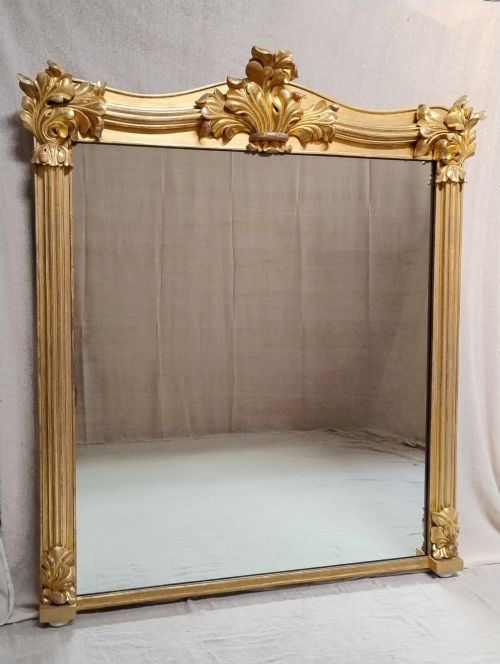
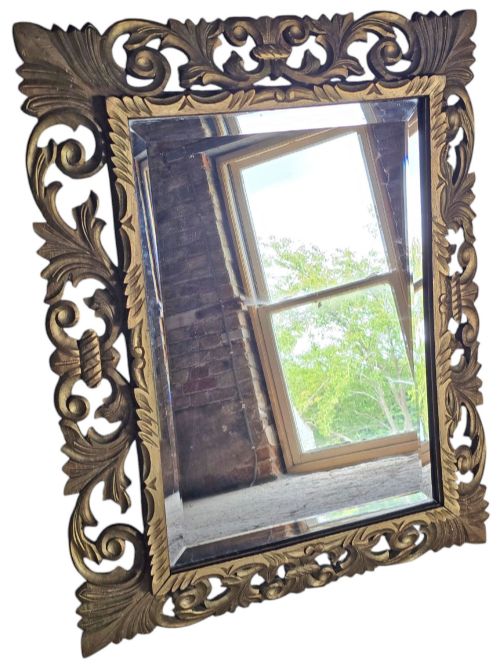
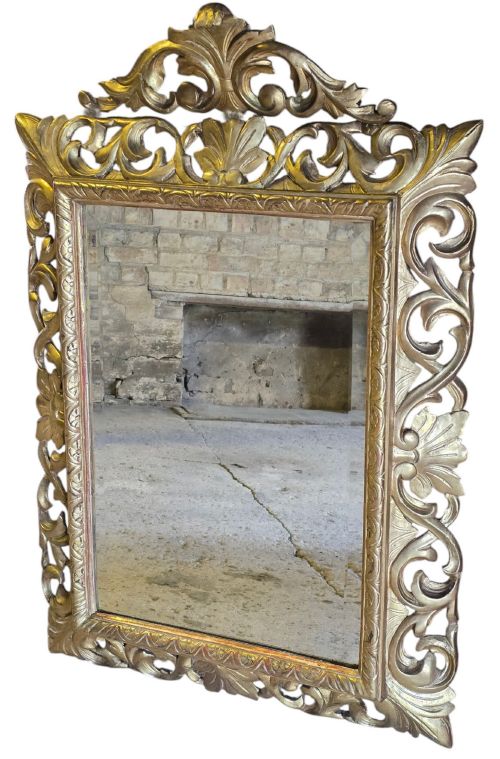
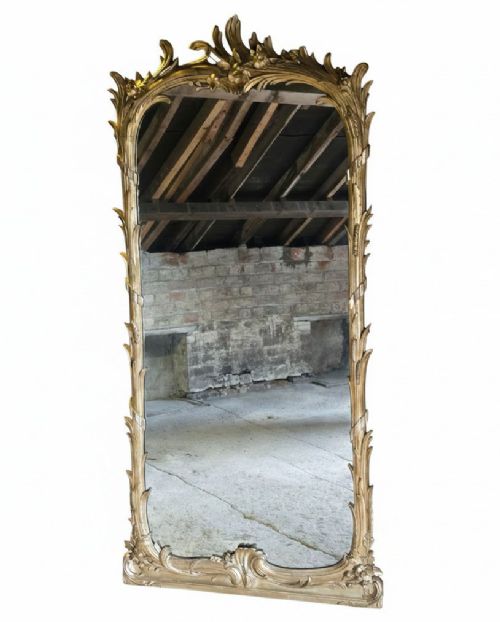



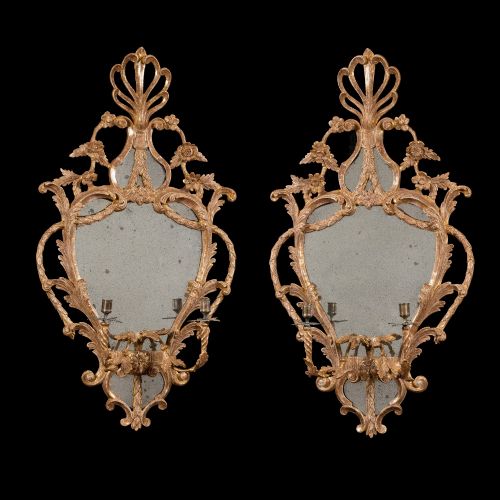
Carved Acanthus Gold Mirror
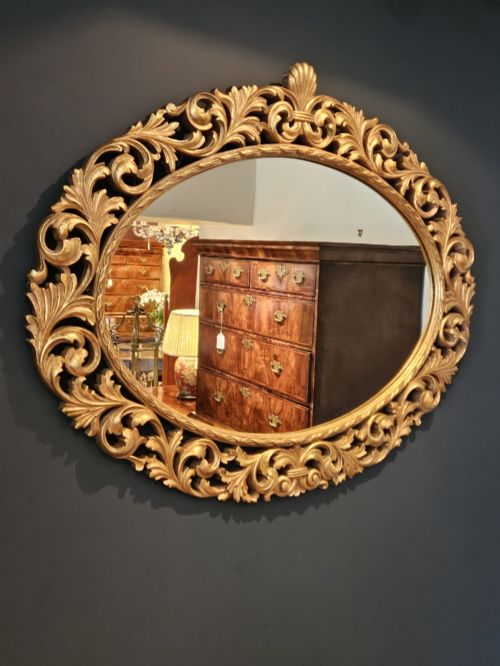
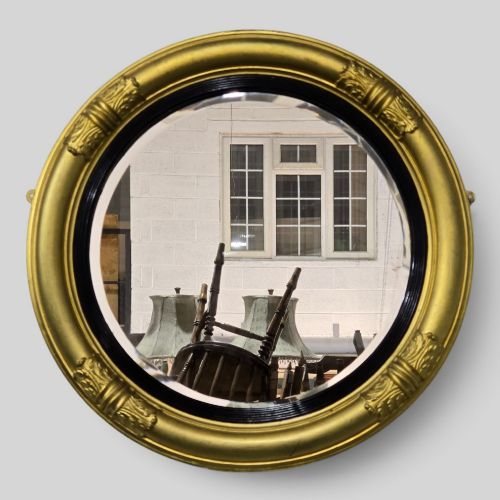
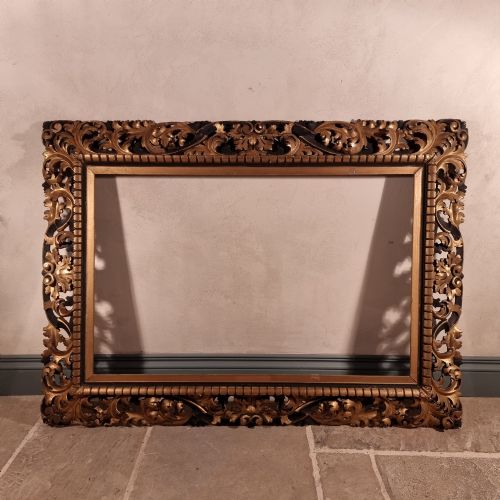
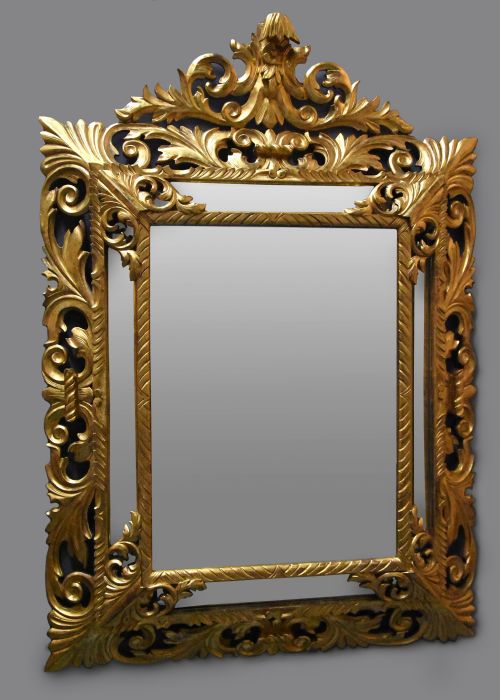
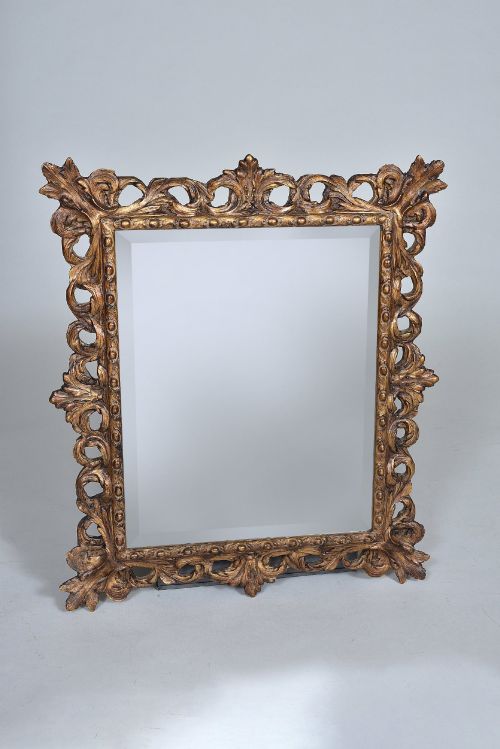
A carved acanthus gold mirror brings warmth and ornate sculptural detail to a room, drawing the eye with sweeping leaf motifs.
Carved Acanthus Gold Mirror
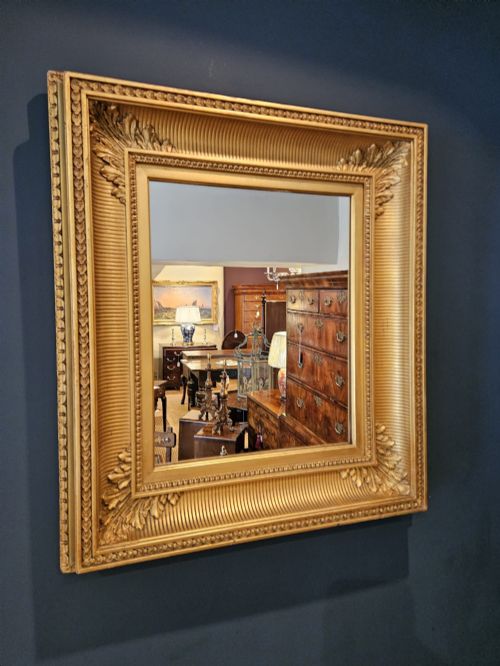
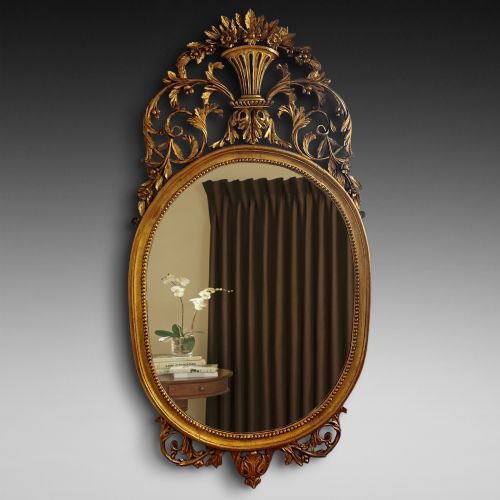
A carved acanthus gold mirror takes many forms across this collection, ranging from large overmantel mirrors and architectural wall pieces to smaller oval and cushion frames. These pieces originate primarily from the 18th, 19th and early 20th centuries, spanning Georgian, Regency, Victorian and Rococo styles.
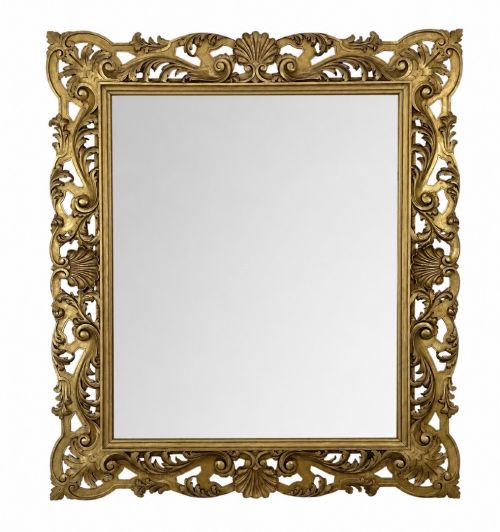
Buyers will encounter substantial Florentine and French Rococo designs alongside English Georgian and Regency examples. The selection includes grand architectural overmantels, pier mirrors and decorative wall pieces adorned with characteristic acanthus foliage.
How They Were Made
Artisans built these frames using carved timber, gesso and wood, applying gold leaf and gilt surfaces to achieve a luminous finish. Many pieces combine carved wood foundations with moulded composition ornamentation to build up the intricate relief work.
Surfaces often utilise applied gold leaf or silver and gold leaf layers over gesso grounds. Mirror glass types include traditional reflective panes and period mirror glass.
Some Florentine frames are so deeply carved with leaves that they resemble golden shrubbery climbing the walls.
What Varies in Quality
The standard of a carved acanthus gold mirror depends heavily on the depth and crispness of the hand-carved wooden relief work versus moulded composition ornament. Superior examples display sharp undercut foliage and harmonious proportions rather than soft, repetitive detailing.
The integrity of the original gilt surface also dictates standing, with hand-applied gold leaf retaining a warmer, more nuanced patina than later repainted or heavily restored metallic finishes.
The Carved Acanthus Gold Mirror Glossary
- Giltwood
- Timber that has been coated with gold leaf or gilt surface preparation. This forms the primary luminous body of these decorative mirrors.
- Gesso
- A plaster-like mixture applied to wood frames as a base for gilding. It allows artisans to carve or mould fine decorative details.
- Acanthus
- A classic sculptural leaf motif derived from Mediterranean flora. It forms the prominent scrolling ornamentation found on these frames.
- Overmantel Mirror
- A large mirror designed to hang specifically above a fireplace mantel. These pieces often command significant wall presence.
- Pier Mirror
- A tall, narrow mirror traditionally hung on the wall space between two windows. They reflect additional light into period rooms.
Carved Acanthus Gold Mirror: Frequently Asked Questions
Where should I hang a large overmantel mirror?
These grand pieces sit naturally above a fireplace mantel to anchor a room and reflect light. They also function effectively on principal living room walls.
Ensure the wall structure securely supports the weight of substantial timber and glass frames.
How do I clean a giltwood mirror?
Dust the carved wooden frame gently with a dry, soft brush to protect the delicate gold leaf surface. Avoid liquid cleaners or chemical sprays on the gilt.
Clean the glass pane separately using a mild glass cleaner applied to a cloth rather than sprayed directly.
What is the difference between gesso and carved wood?
Carved wood involves direct cutting into the timber substrate to create sculptural relief. Gesso is a chalk and binder mixture applied to shape finer decorative details.
Many antique frames combine a carved wooden base with moulded gesso ornamentation.
How do I identify a Regency period mirror?
Regency pieces often display classical architectural influences, crisp gilding and restrained symmetry compared to ornate Rococo designs. They frequently incorporate convex or rectangular formats suited to early 19th-century interiors.
Look at the framing proportions and joinery methods to help determine the period.