


Canvas Seascape Wall Art
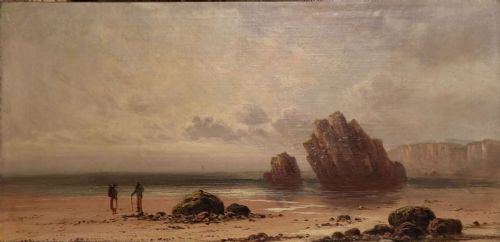
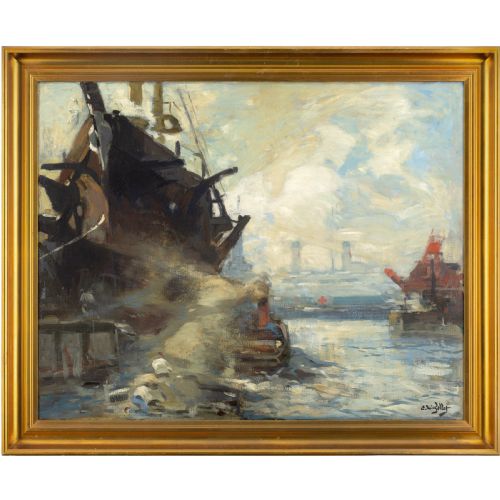
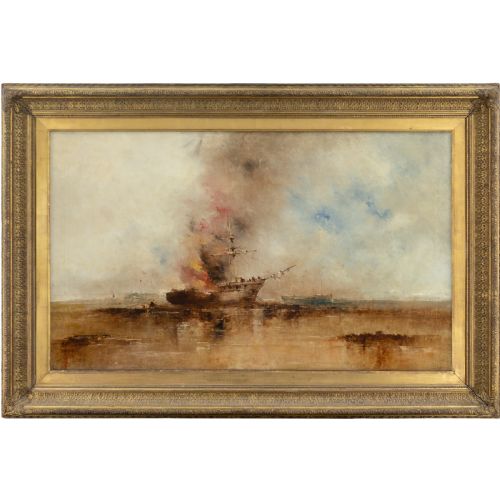
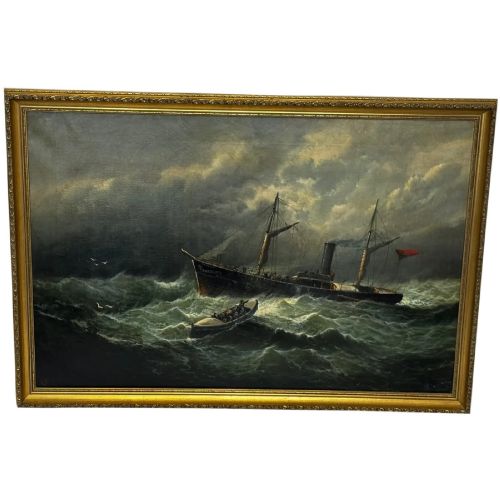
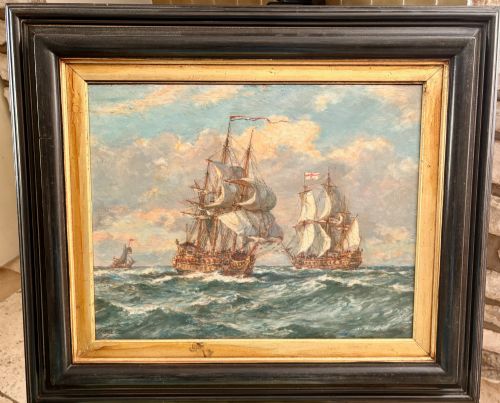
When you search for canvas seascape wall art, you are looking at oil paintings on canvas that capture the sea, ships, and coastal life across the centuries.
Canvas Seascape Wall Art
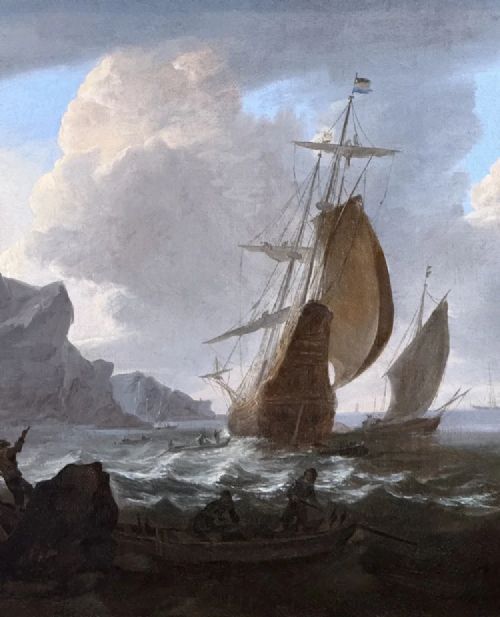
Canvas seascape wall art spans centuries of maritime painting, capturing bustling ports, stormy seas, and quiet coastal inlets. You will encounter works ranging from 17th-century Dutch scenes to mid-20th-century coastal views.
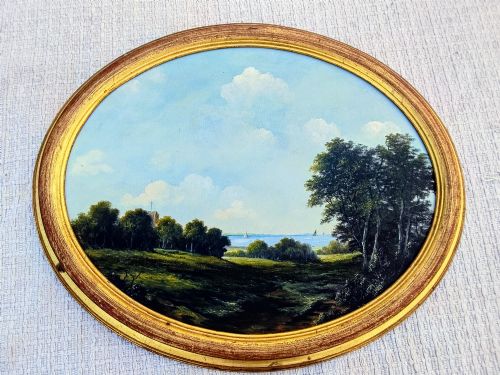
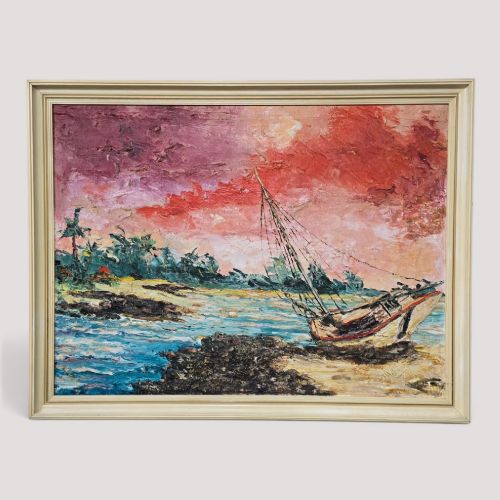
The dominant forms on this page are oil paintings on canvas and board, often set within gilt wood frames. These works bridge historical maritime documentation and decorative landscape art.
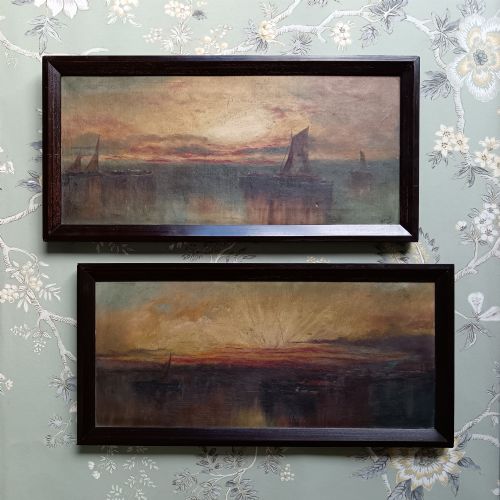
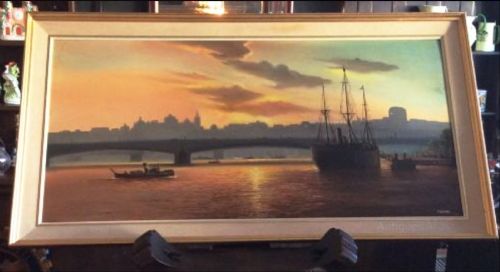
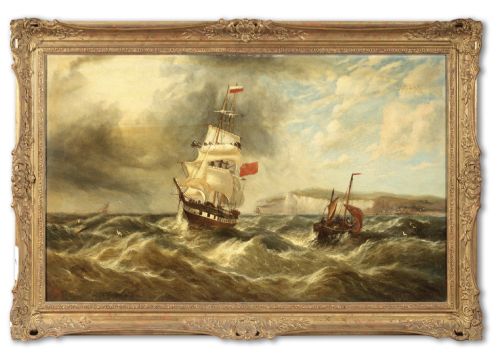
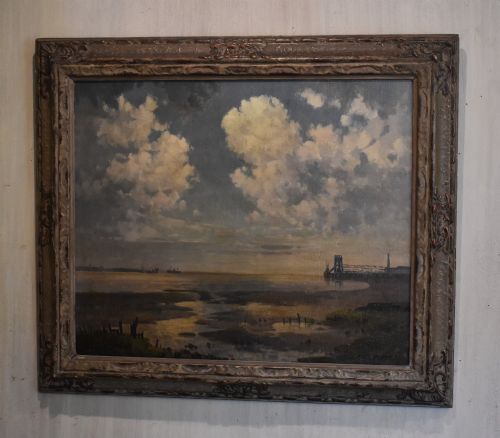
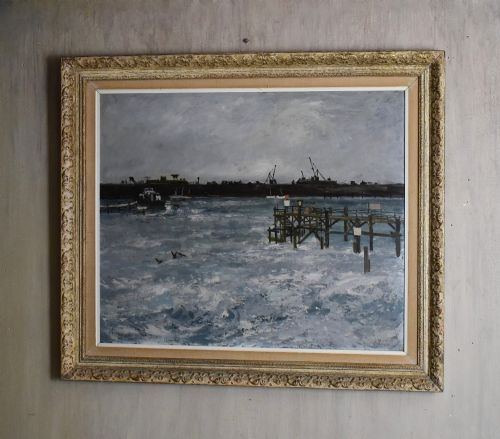
Subjects stretch from grand naval engagements and merchant ships in heavy swells to serene Venetian canals and solitary fishing boats at sunset.
How they were made
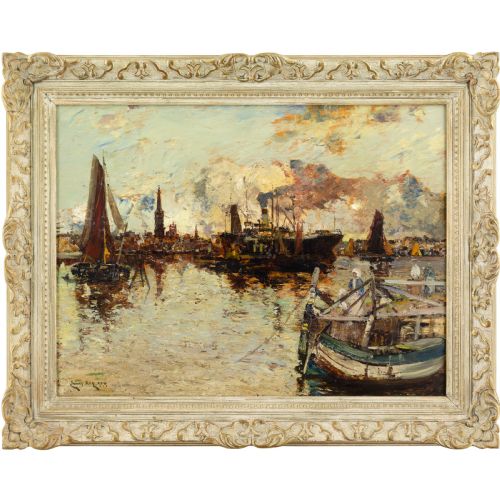
These works rely primarily on oil paint applied to woven canvas or wood panels, utilising the rich texture of the medium to build waves, clouds, and sails. Impasto techniques appear where artists wanted to create physical depth in churning water or thick pigment on rocks.
Frames are typically constructed from wood, frequently finished with gilt layers that complement the warm tones of the oil paintings within them. Canvas stretchers provide the structural support behind the fabric.
Several Victorian captains likely stared at rougher seas than those depicted in these calm harbour sunsets.
What varies in quality
Quality rests on the artist's command of light, atmosphere, and maritime detail, distinguishing hurried studio work from a master's observation of shifting weather. Handling of perspective in rigging, hull construction, and water movement sets the finer examples apart.
The integration of the frame with the canvas also plays a role, as period-appropriate gilt wood settings enhance the presence of the artwork while poor replacements diminish it.
Bonaventura Peeters·John Wilson Carmichael·Thomas Creswick·Abraham Hulk I·Erich Mercker
The Canvas Seascape Wall Art Glossary
- Impasto
- A technique where paint is laid on an area of surface in very thick layers, usually thick enough that the brush or painting-knife strokes are visible. This adds a tangible, sculptural quality to elements like breaking waves.
- Maritime Art
- Painting or other works that depict or draw inspiration from the sea, ships, and coastal views. It encompasses naval battles, merchant shipping, and peaceful coastal scenes.
- Gilt Wood
- Wood that has been treated with a thin layer of gold leaf or gilt paint for decoration. It provides a bright, reflective border common in traditional frames.
- Barque
- A sailing vessel with three or more masts having the fore and mainmasts square-rigged and the mizzenmast fore-and-aft rigged. This rig configuration appears frequently in historical shipping scenes.
Canvas Seascape Wall Art: Frequently Asked Questions
How do I date a seascape painting?
Dating relies on the style of the vessel rigging, the cut of the clothing on any figures, and the framing materials. Pigment analysis and stretcher construction also offer clues to the decade of creation.
Signatures, dealer labels, and artist exhibition records on the reverse of the canvas provide the most definitive chronological anchors.
Where should I hang a large canvas painting?
Large marine paintings require a wall with stable humidity away from direct sunlight to protect the oil paint and canvas from warping. Placing them at eye level in principal rooms allows the fine details of the water and sky to be appreciated.
Ensure the wall structure can support the weight of the heavy wooden and gilt frames typical of these large works.
What is the difference between marine art and seascape?
Marine art specifically focuses on human interaction with the sea, featuring ships, ports, naval battles, and maritime trade. It places the vessel or the maritime industry at the centre of the narrative.
Seascapes lean closer to pure landscape tradition, prioritising the coastline, open water, atmospheric conditions, and the interplay of light over the waves.
How do I care for antique oil paintings?
Keep the canvas away from extreme temperature fluctuations and wood fires to prevent the paint layer from cracking or the canvas from slackerning. Dust the surface and frame gently with a soft, dry brush without applying pressure.
Avoid using water or chemical cleaners on the paint surface, and consult a professional conservator if the varnish darkens or yellows over time.