

Canvas Portrait of Woman
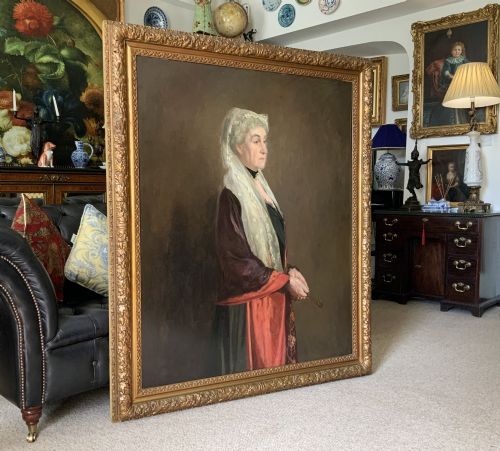
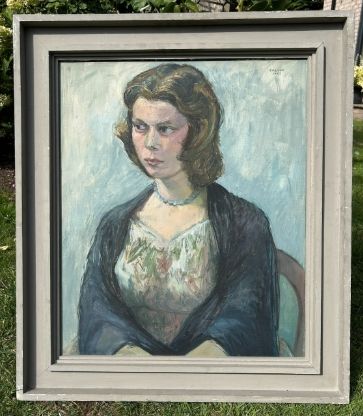
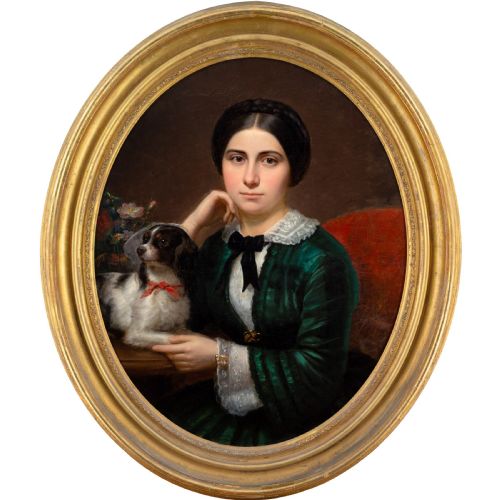
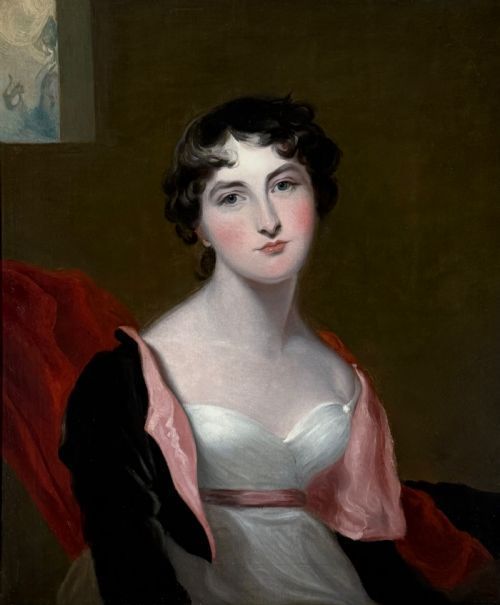
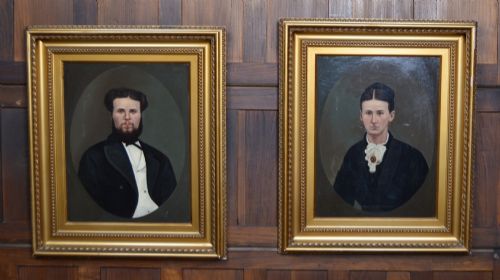
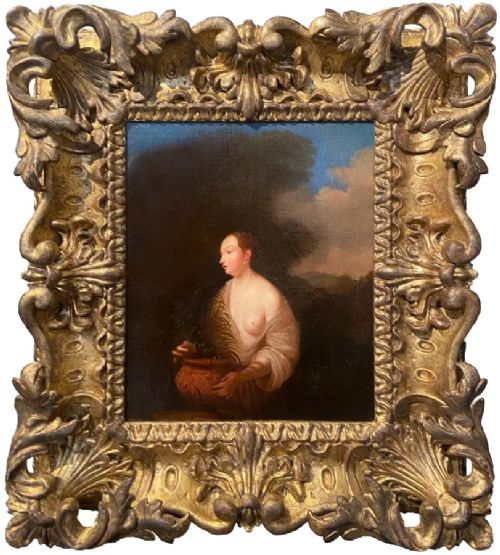
A canvas portrait of woman captures individual likenesses and character through the rich interplay of oil paint and woven fabric.
Canvas Portrait of Woman
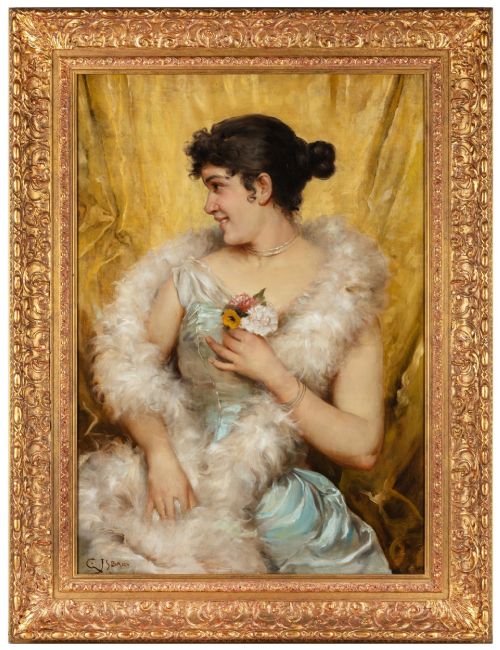
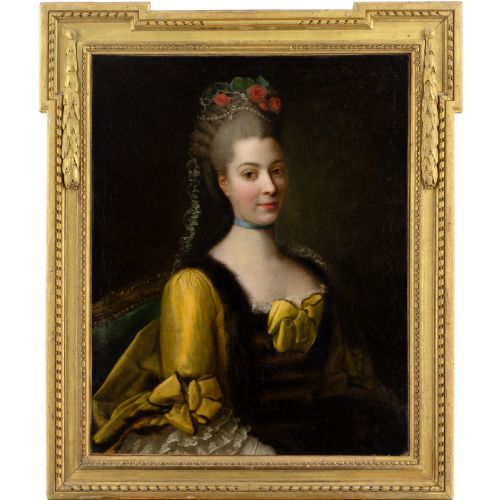
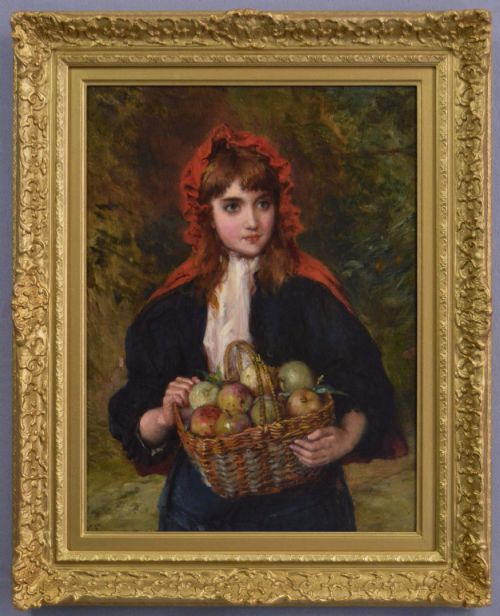
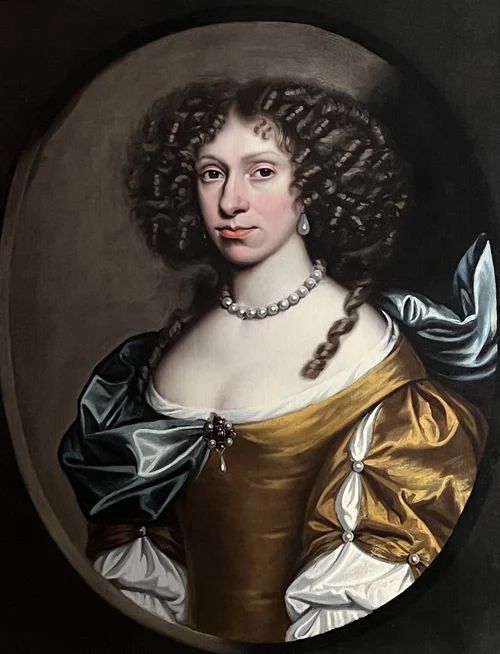
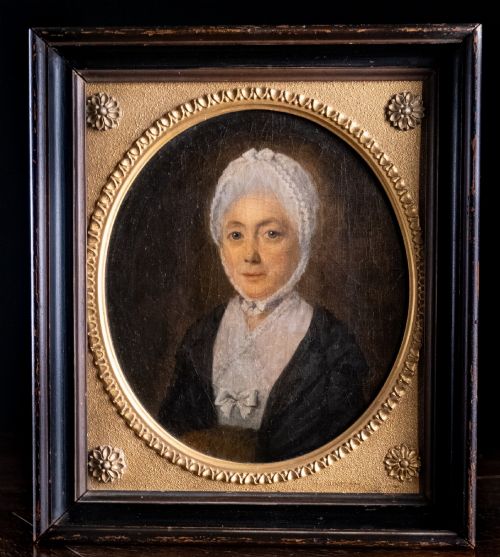
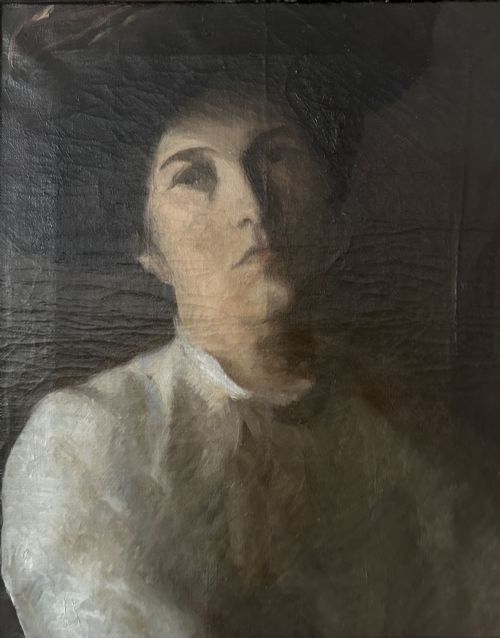
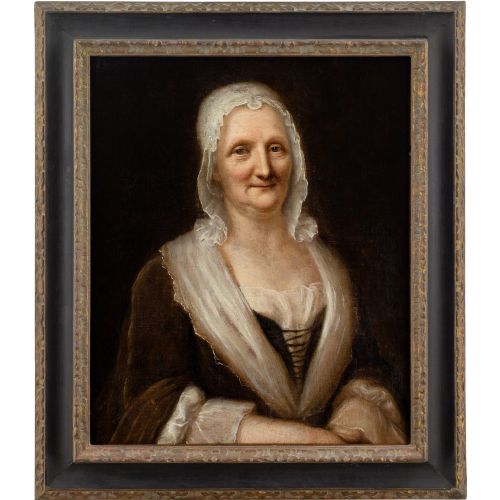
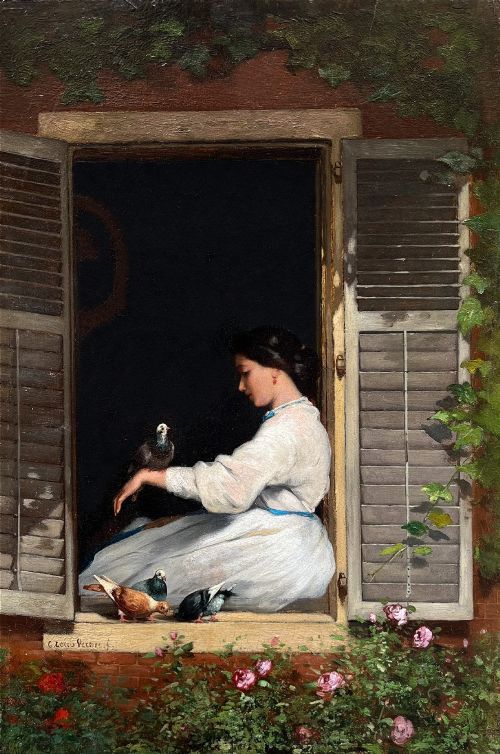
A canvas portrait of woman represents female subjects rendered in oil across centuries of shifting artistic movements, from seventeenth-century formality to mid-twentieth-century modernism. These works frequently depict aristocratic ladies, young beauties, or domestic figures caught in moments of quiet contemplation.
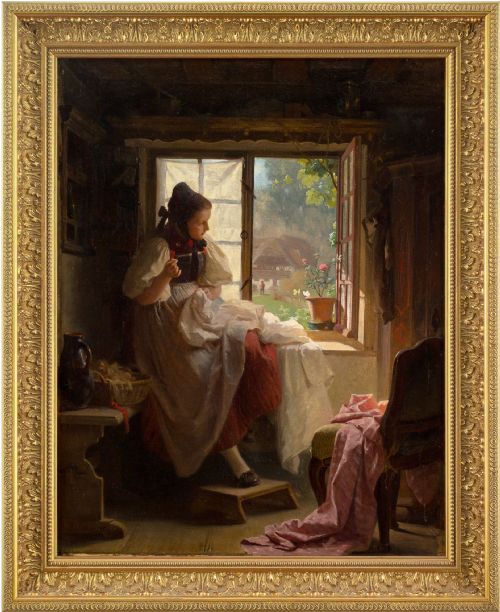
The selections available span British, French, and Dutch schools, showcasing both formal studio commissions and intimate genre scenes. Buyers encounter grand aristocratic portrayals alongside delicate depictions of women reading, sewing, or resting outdoors.
How They Were Made
Artists built these compositions by stretching woven canvas over wooden frames, applying successive layers of oil paint to achieve depth, luminosity, and rich tonal variation in the skin and drapery. The physical support provided a durable and flexible ground for expressive brushwork.
Many surviving examples retain their period frames constructed from wood, gesso, and gold leaf or giltwood, which frequently feature ornamental moulding characteristic of their respective eras.
One determined lady sits faithfully alongside her loyal dog, while another manages to pose quite calmly while holding a basket of apples.
What Varies in Quality
The distinction between ordinary and exceptional works rests in the painter's command of anatomy, light, and psychological depth in capturing the sitter's presence. Superior examples reveal confident handling of facial expression and fabric texture that brings the subject to life.
Framing and provenance significantly elevate a piece, particularly when original giltwood surrounds or extensive inscriptions on the reverse establish the exact identity of the sitter and the hand of a recognised academic painter.
David Scougall·Charles Jervas·William Oliver·Kenneth Cozens·Thomas Lawrence·Max Kaltenmoser·Louis Charles Verwee·Charles Stuart Forbes·Lena Gurr·Charles James McCall·Achille Fould·Paolo Veronese·William Arthur Breakspeare·Attilio Toro·Charles Haigh Wood·Haynes King·Thomas Edward Roberts·C S Lidderdale·William Henry Knight·Henry John Yeend King·John Robert Dicksee·Victor Boutellier·C Beatson
The Canvas Portrait of Woman Glossary
- Oil on Canvas
- A painting medium where pigments are suspended in a drying oil, applied to a stretched woven fabric support. This combination allows for rich blending and subtle gradations of tone.
- Giltwood
- Wood that has been covered with a thin layer of gold leaf or powder. It provides a reflective and ornate border for traditional frames.
- Gesso
- A paint mixture consisting of a neutral binder mixed with chalk, gypsum, or pigment. It serves as a smooth preparation base on wooden frame mouldings before gilding.
- Genre Painting
- The pictorial representation of scenes from everyday life, typically depicting ordinary people in domestic or outdoor settings. These works often focus on narrative rather than formal portraiture.
Canvas Portrait of Woman: Frequently Asked Questions
How should I hang an oil portrait?
Position the painting at eye level on a sturdy wall away from direct sunlight and sudden temperature fluctuations. Proper placement protects both the fragile canvas and the antique giltwood frame.
Ensure the hanging wire and wall fixings adequately support the combined weight of the painting and its heavy wooden frame. Good ambient lighting enhances the subtle oil tones without generating excessive heat.
What periods do these paintings cover?
The selection encompasses works stretching from the seventeenth century through the Victorian and Edwardian eras into the mid-twentieth century. Each period brings distinct stylistic approaches to portraiture and framing.
Early works often display formal studio staging, while nineteenth and twentieth-century pieces frequently embrace more naturalistic lighting and intimate domestic settings.
How do I care for antique canvas?
Maintain a stable indoor environment with moderate humidity to prevent the canvas from slackening or the oil paint from cracking. Avoid using chemical cleaners on the painted surface.
Dust the frame gently with a soft, dry brush and consult a professional conservator if the paint layer requires cleaning or structural stabilization.
Are these portraits signed by artists?
Many pieces feature visible signatures, monograms, or dated inscriptions left by the original painter. Others remain unattributed but are classified by their stylistic school and period.
Inscriptions on the reverse of the canvas or stretcher bars frequently provide valuable biographical details about the sitter and the date of creation.