



Canvas Harbour Wall Art
Canvas harbour wall art brings maritime activity and coastal atmosphere directly into your interior through oil paintings spanning multiple decades.
Canvas Harbour Wall Art
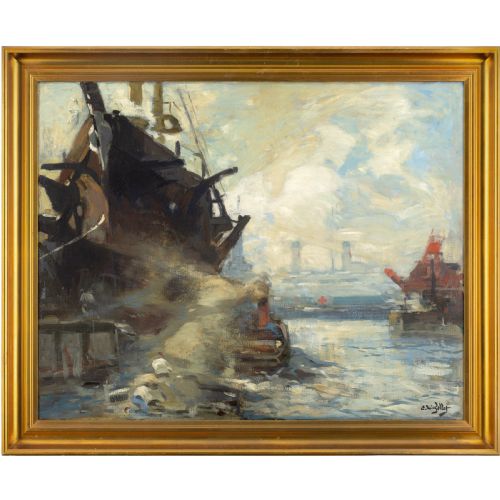
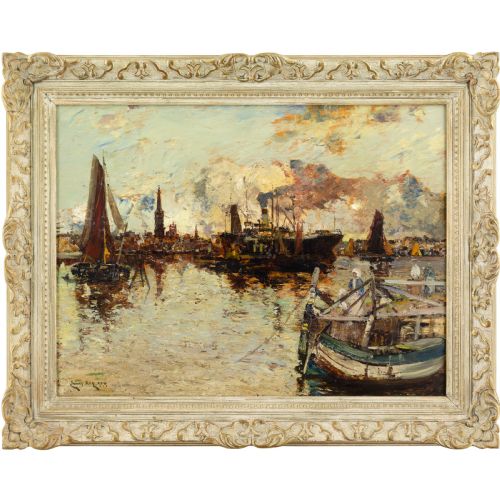
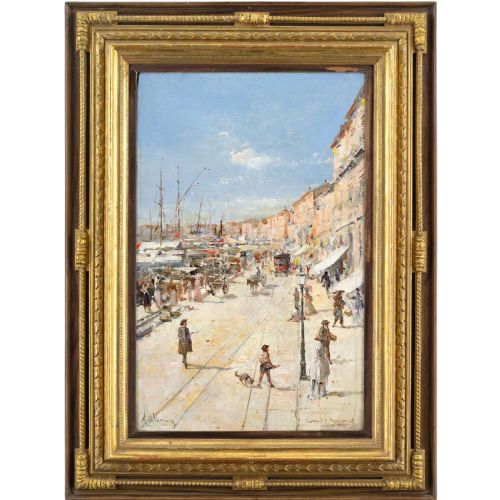
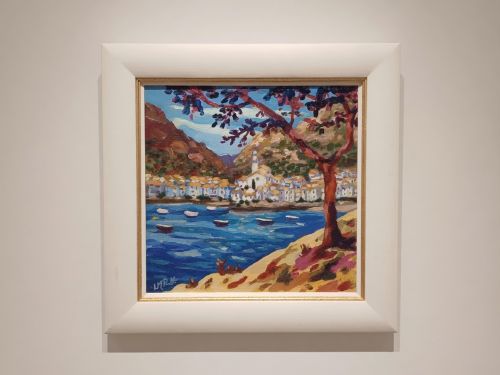
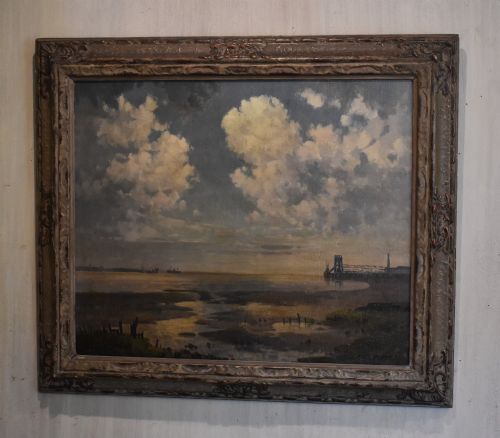
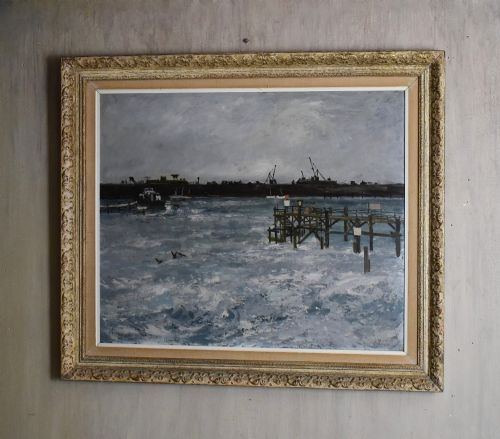
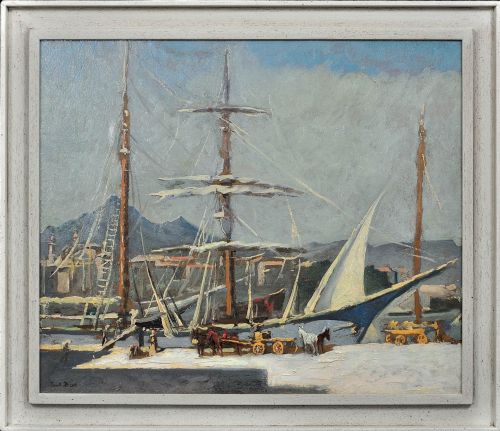
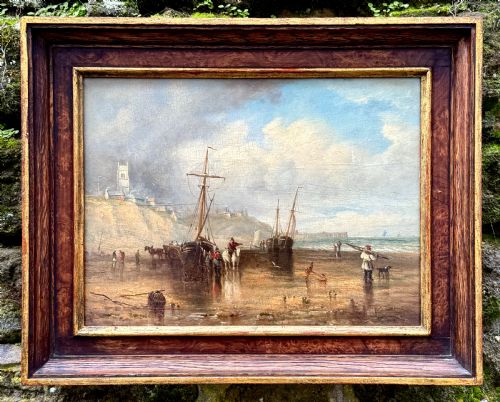
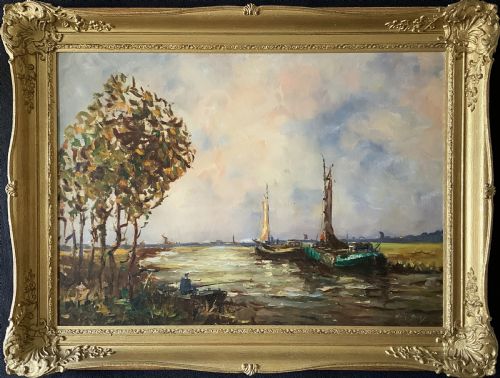
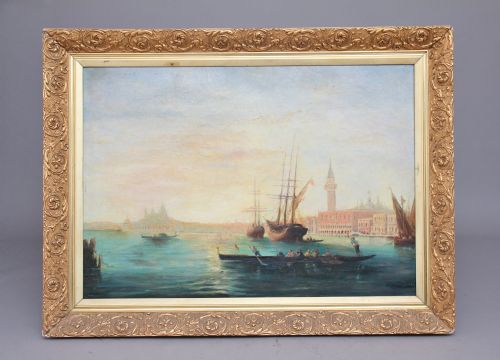
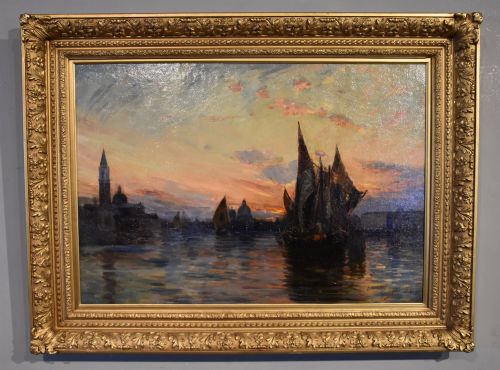
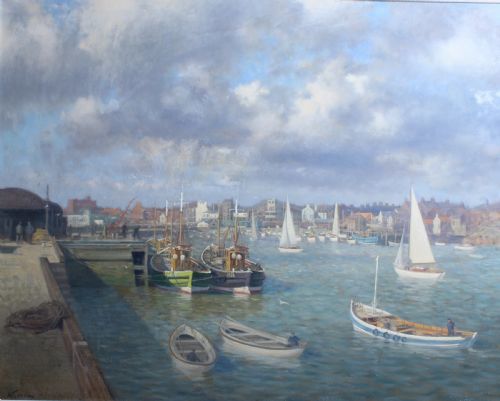
When you search for canvas harbour wall art, you encounter oil paintings depicting coastal scenes, bustling ports, and shipping activities from various historical periods. The selections here range from Victorian marine art and 19th-century coastal views to mid-century impressionist interpretations of British and European harbours.
Most pieces you meet on this page utilise traditional oil paint on canvas or wood panels, capturing the changing light on water and historic vessels. These artworks focus on working ports, fishing trawlers, and quiet quaysides rather than purely abstract coastal designs.
Materials and methods of construction
Artists producing these maritime scenes relied primarily on oil paint applied to stretched canvas or wooden boards, allowing for rich textures and deep colour blending. Many works incorporate traditional framing in wood, occasionally accented with gold leaf or gilt details to complement the painting.
The technique relies on layered brushwork to capture the specific quality of light on sea and sky, whether through the looser strokes of British impressionism or the detailed realism of Victorian marine painters.
Several canvases capture historic French and British quaysides where artists clearly preferred painting moored fishing boats over dodging actual harbour traffic.
Distinctions in quality and execution
The standard of a maritime oil painting rests on the artist's command of light, atmosphere, and proportion when rendering water and vessels. Superior examples convey movement and depth with confident brushwork, whereas lesser works remain flat and formulaic in their depiction of waves and architecture.
The integrity of the original canvas and the preservation of the paint surface also determine the calibre of the piece. Well-maintained impasto and stable oil layers elevate an artwork far above examples that suffer from heavy overpainting or neglected structural support.
Kenneth Cozens·Eugène-Louis Gillot·James Kay·Augusto Alberici·Clive Browne·Peter Brannan·Paul Bret·Thomas Creswick·Willem Bos·Thomas Hodgson Liddell·Walter Goodin·Charles William Wyllie·Edward Matthew Elliott·Gyrth Russell·Jean-Baptiste Olive·Donald McIntyre·T.S. Wallis·James Webb·Owen Bowen·George Gregory·Alfred Henry Vickers·Sir Edwin Landseer·John Callow·Gustave de Breanski
The Canvas Harbour Wall Art Glossary
- Impasto
- Paint applied thickly to a canvas, standing out in relief from the surface. This technique allows brush marks to catch the light and adds tangible texture to water and clouds.
- Gilt
- A thin layer of gold or gold-like material applied to wooden picture frames. It provides a warm metallic border that traditionally enhances the tones of an oil painting.
- Post-Impressionism
- An art movement extending beyond impressionism that focuses on symbolic content and heavier outlines. Artists in this style explored bolder colours and distinct structural forms.
- Provenance
- The documented history of ownership surrounding an artwork. A clear record helps verify the authenticity and background of nineteenth and twentieth-century paintings.
Canvas Harbour Wall Art: Frequently Asked Questions
How do I date an antique harbour oil painting?
Dating relies on examining the stretcher frames, canvas type, and the clothing or ship styles depicted within the scene. Signatures, exhibition labels, and stylistic traits aligned with specific art movements also provide reliable chronological markers.
Comparing the techniques used in handling paint with documented periods of an artist's working life helps narrow down the decade of creation.
Where should I hang a marine oil painting?
These works suit dining rooms, studies, or living spaces where traditional wooden frames can complement existing interior decor. Hang them away from direct sunlight and excessive moisture to protect the oil paint and canvas.
Providing adequate wall space allows larger coastal scenes to command the room without competing with surrounding furnishings.
What defines Victorian marine art?
Victorian marine art typically showcases detailed accuracy in ship rigging, dramatic coastal weather, and bustling commercial harbours. Artists from this era focused heavily on capturing the maritime supremacy and trade of the period.
The style often favours a tighter, more realistic application of oil paint compared to the looser strokes found in later mid-century impressionist works.