





Canvas Folk Art Painting
These canvas folk art painting examples capture unacademic observation through direct brushwork and regional character.
Canvas Folk Art Painting
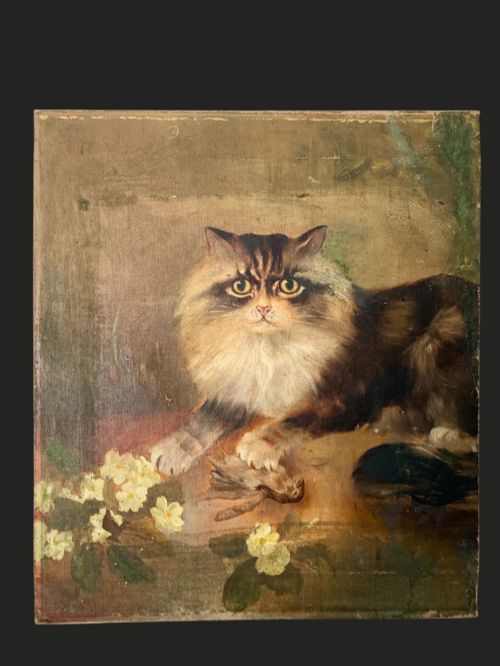
A canvas folk art painting records portraits, domestic animals, landscapes and everyday scenes through self-taught or provincial hands. These works often bypass academic proportions in favour of expressive directness, prioritising narrative and presence over strict perspective.
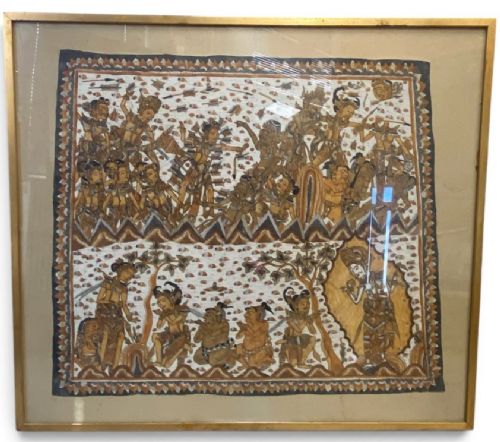
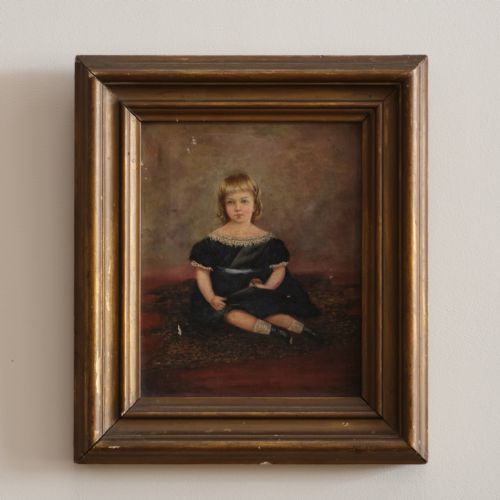
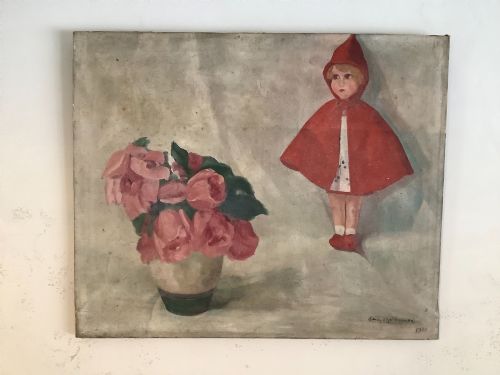
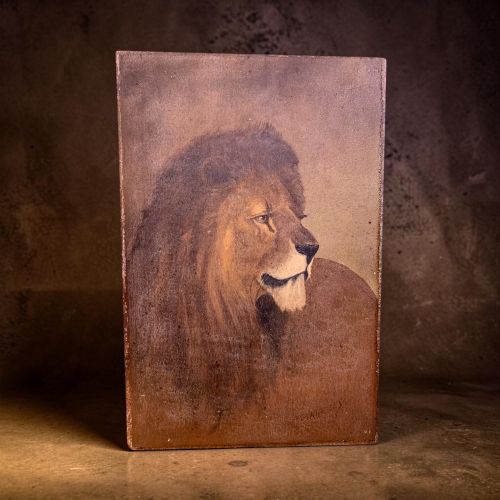
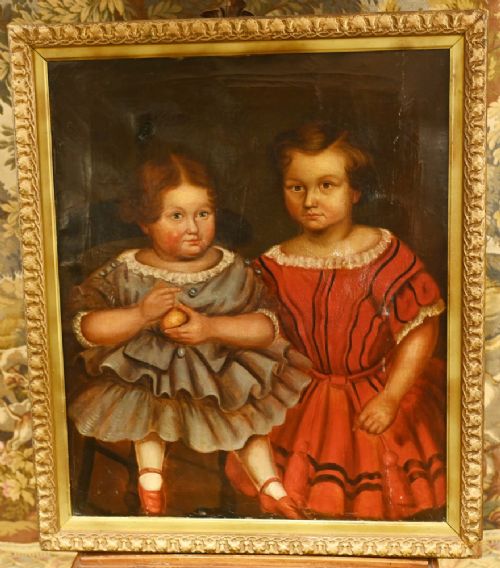
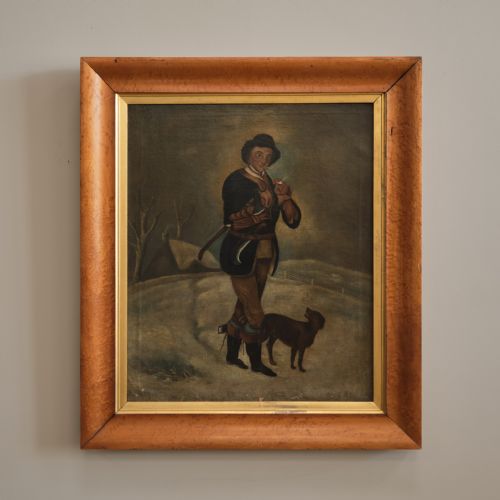
The pieces seen here range from early nineteenth-century English and American provincial portraits to twentieth-century European and Balinese textile works. Portraits of children, gentlemen, livestock and rural scenes dominate the selection.
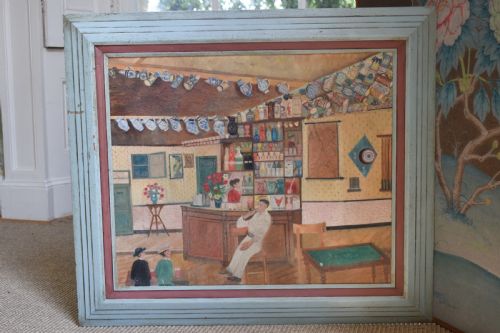
Domestic interiors, maritime views and botanical subjects also appear, frequently housed in period wooden or giltwood frames that complement their unpretentious charm.
Materials and construction
Artists painted primarily in oil on stretched canvas, though related pieces utilise wood supports, board or textile grounds. Pigments were applied with straightforward brushwork directly onto prepared surfaces, often leaving the weave of the fabric partially visible.
Frames employ wood, gilt wood and gold leaf, providing structural support and period context to the paintings. These settings range from simple painted moulding to decorative nineteenth-century frames.
The inventory records regional British, American, Flemish and Catalan folk traditions through portraits and landscapes.
Distinctions in quality
Quality rests on the confidence of the line and the expressive strength of the subject rather than technical adherence to academic rules. A successful canvas folk art painting achieves a compelling immediacy through balanced composition and deliberate colour relationships.
Condition and originality also separate examples, where untouched surfaces retain their original pigment depth and unrestored canvas tension. The character of the framing and legible provenance add further distinction.
Holley Bros·J Brown·Gertrude Halsband·Ferruccio Vitale·Louis Marie Dominique Robbe·James G Faulds·W Charaton
The Canvas Folk Art Painting Glossary
- Folk Art
- Artistic production originating from rural or provincial traditions outside formal academic training. It relies on community visual languages and personal observation.
- Naive Art
- Painting characterised by a childlike simplicity in perspective and proportion. Artists working in this mode emphasise narrative clarity over anatomical correctness.
- Provincial School
- Regional artwork produced outside metropolitan artistic centres. These pieces reflect local tastes, materials and societal hierarchies.
- Primitive
- A descriptive term for early or unrefined artistic styles predating academic standardisation. It denotes direct mark-making and unpretentious execution.
- Giltwood
- Wood carved and coated with a thin layer of gold leaf or metallic paint. It frames many nineteenth-century works to enhance their visual weight.
Canvas Folk Art Painting: Frequently Asked Questions
What defines a folk art painting?
A folk art painting emerges from untrained or self-taught traditions, capturing subjects with honest directness rather than academic rules. These works draw on regional visual habits to document portraits, animals and everyday life.
Makers focused on personal expression and storytelling, resulting in distinctive proportions and charmingly direct perspectives that feel immediate to modern viewers.
How should I hang these paintings?
These works suit domestic spaces where their unpretentious character can complement both traditional and modern interiors. Pair them with simple walls that allow the aged canvas and original frames to draw the eye.
Keep them away from direct sunlight and damp environments to protect the oil pigments and wooden stretcher frames from environmental degradation.
Are these works signed by artists?
Many pieces remain unsigned because provincial artists often worked anonymously for local patrons. When signatures or attributions appear, they point to specific regional schools or named makers.
Unsigned works rely on stylistic clues, framing materials and subject matter to suggest their geographic origin and approximate period.
What subjects are most common?
Portraits of children, family groups, livestock and rural landscapes appear frequently across the selection. Domestic animals, maritime scenes and architectural backdrops also feature prominently in provincial portfolios.
These subjects reflect the immediate surroundings and daily concerns of the communities where the artists lived and worked.