
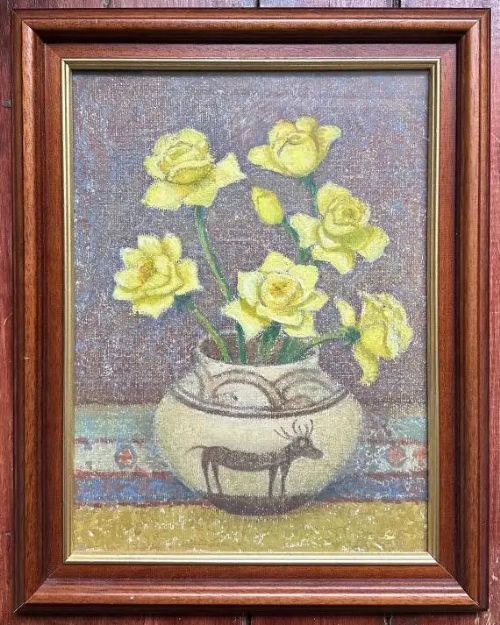
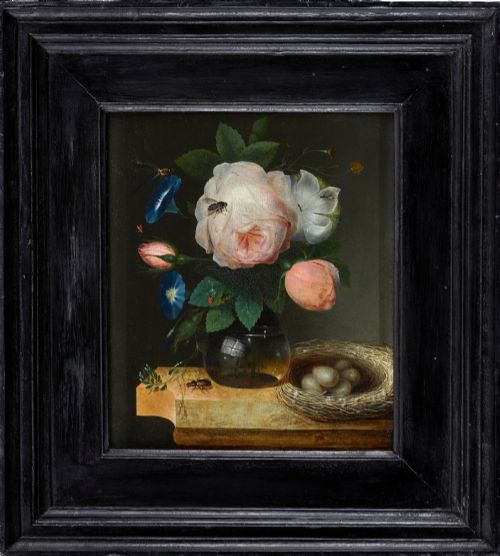
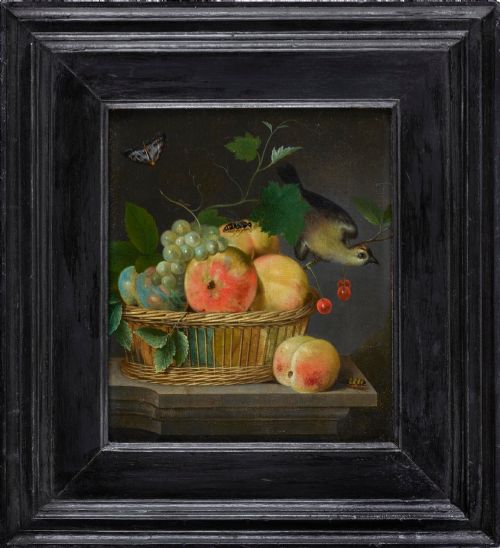
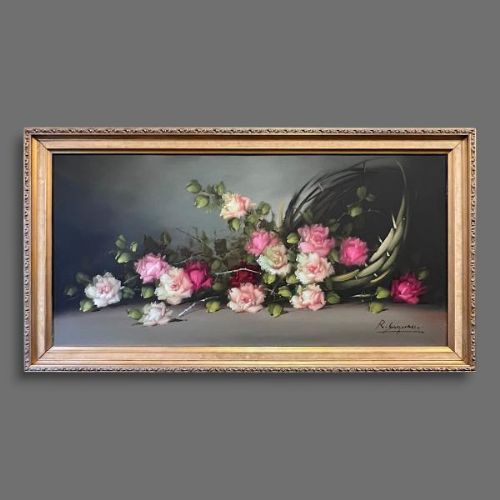
Canvas Floral Still Life
Canvas floral still life works bring the vibrant colours of cut flowers and garden blooms into domestic rooms through oil paint.
Canvas Floral Still Life
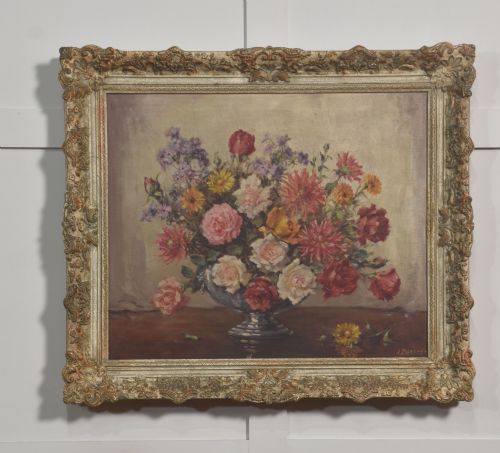
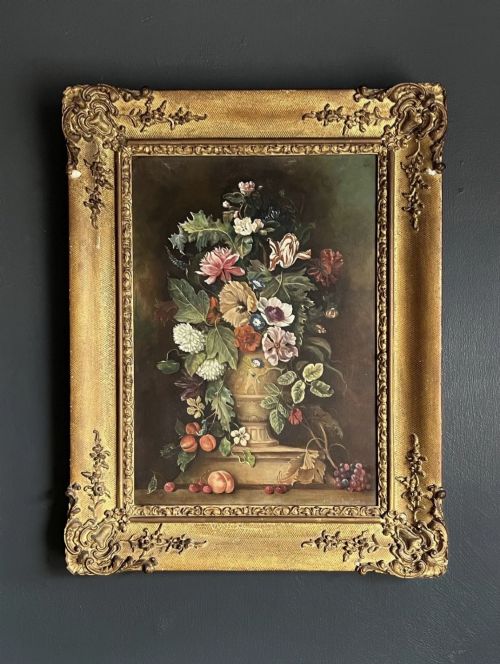
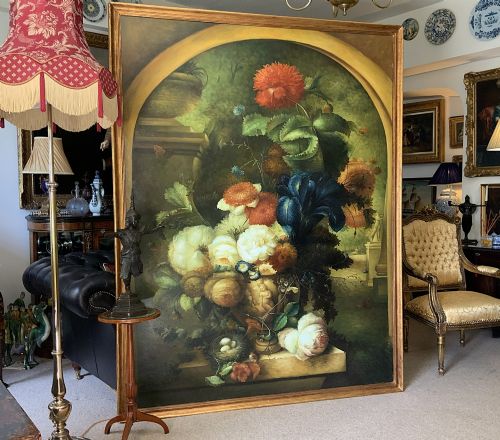
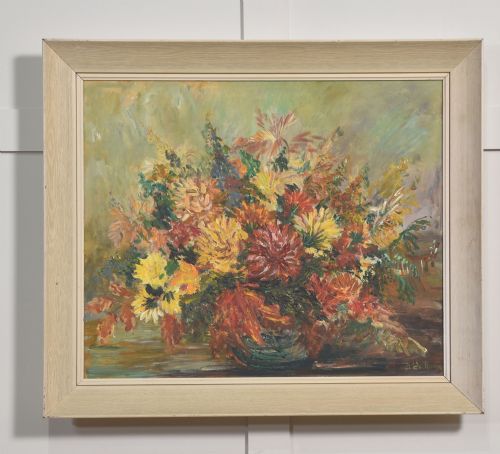
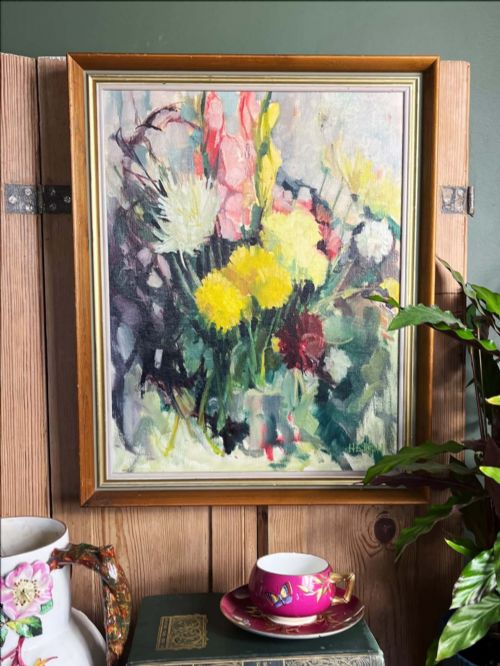
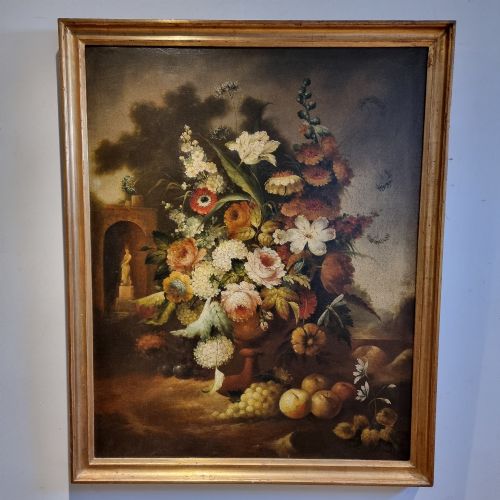
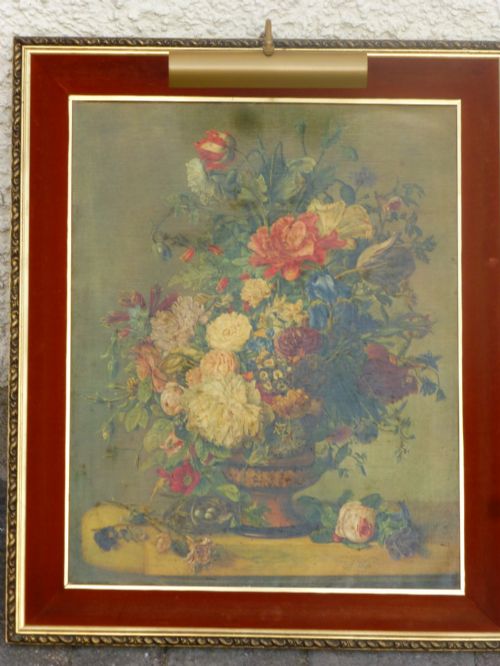
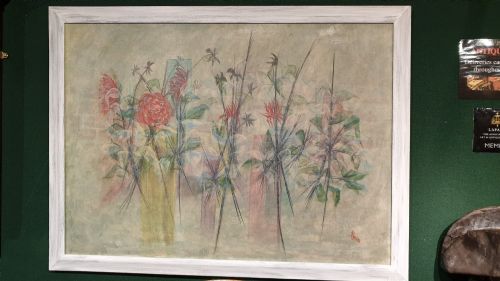
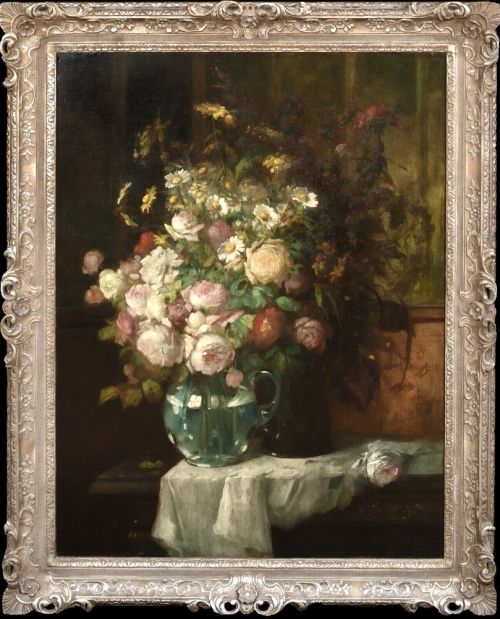
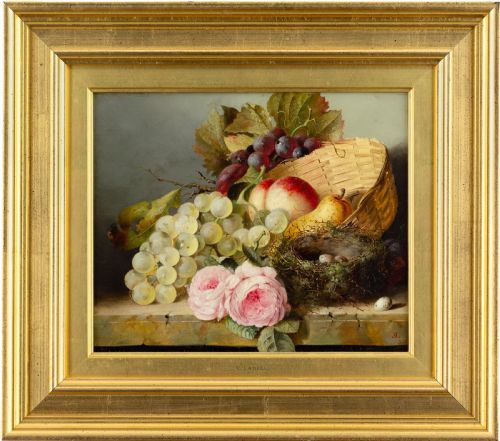
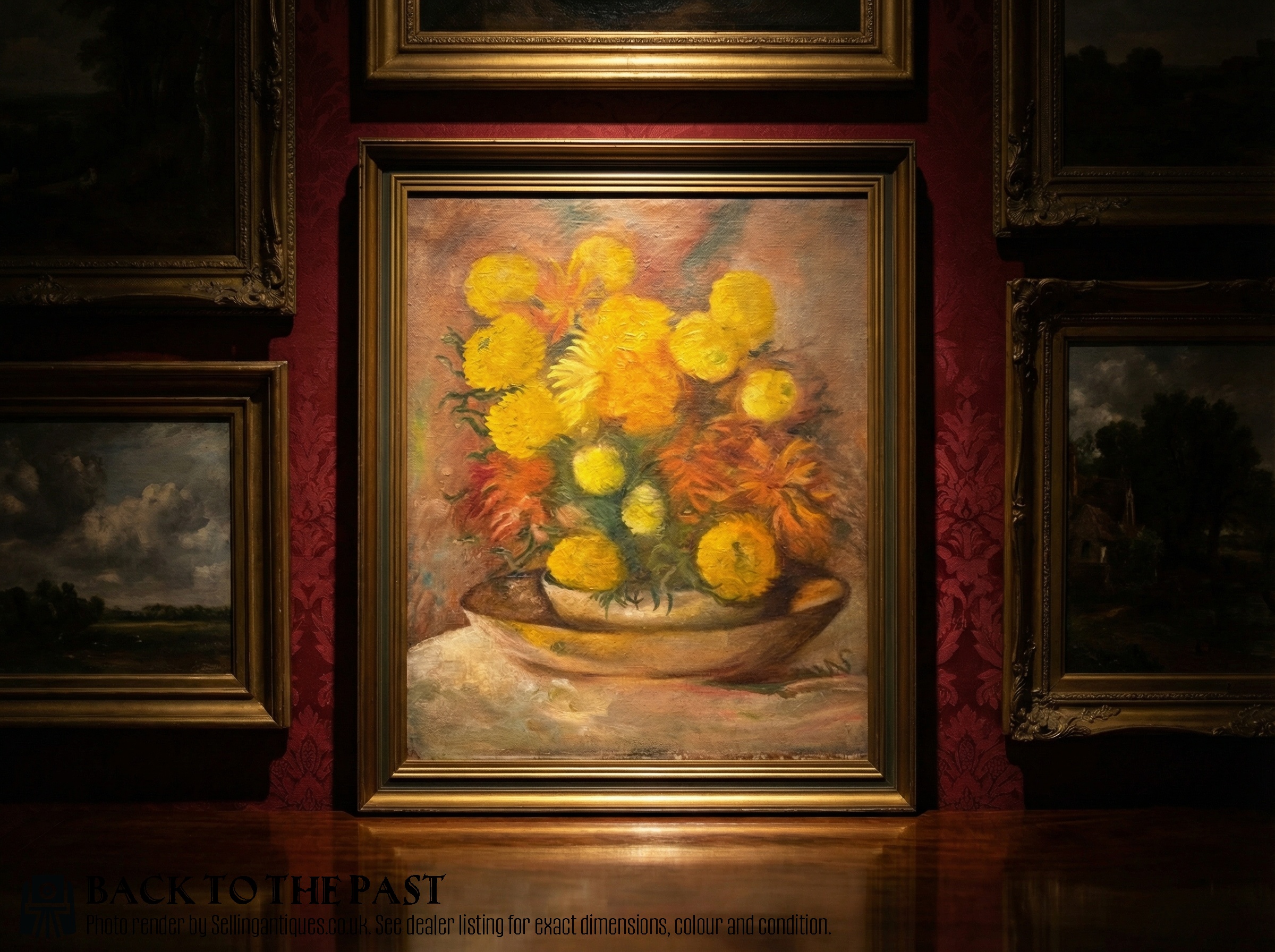
A canvas floral still life captures arranged blossoms, garden pots and picked bouquets through oil paint applied to stretched textile surfaces. These paintings range from traditional Georgian and classical revival studies of flowers in urns to modernist compositions with abstracted or fauve colour palettes.
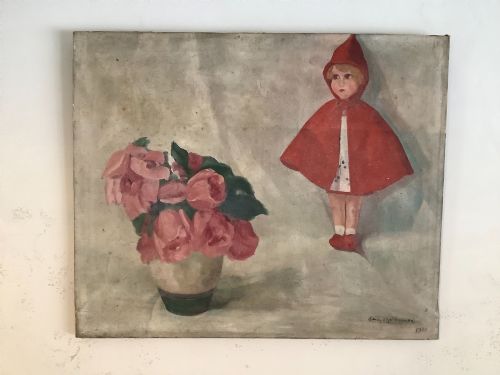
The pieces on this page span from the late nineteenth century through to the mid-twentieth century, including works from the 1910s, 1930s, and 1950s. French modernist, art deco and early twentieth century British examples frequently appear alongside continental European works.
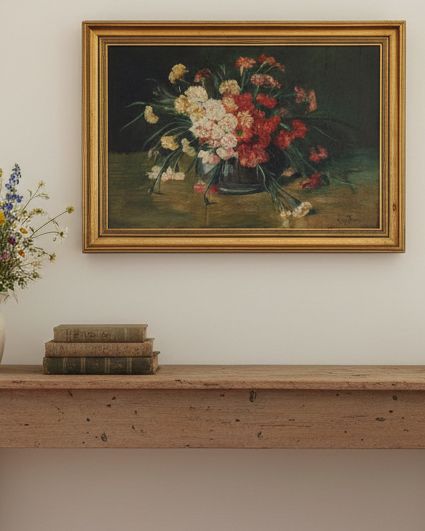
Most compositions focus on domestic arrangements involving vases, bowls or terracotta pots filled with roses, anemones, sweet williams and field flowers. Scale varies from intimate individual studies to large decorative works intended for principal rooms.
Materials and Technique
Artists painted these works using oil paint applied directly onto woven canvas supports, which were typically stretched over rigid wooden frames. Many surviving examples retain their original wooden frames, often finished with gesso and gilt surface treatments.
Brushwork varies from smooth, detailed academic rendering to thick impasto application and expressive, gestural strokes. The interaction between oil pigments and canvas texture allows for depth in petals, leaves and background shadows.
Canvas Floral Still Life Retail Price Guide 2026
Typical asking prices for canvas floral still life among the pieces listed under this phrase on Sellingantiques today, from the lower quarter to the upper quarter. They describe what is for sale here now, not the wider market.
Listings feature oil paint on canvas supported by wood and gesso gilt frames across the 1910, 1930, 1950, and 1960 periods.
Evaluating Quality
The distinction between ordinary and exceptional works rests upon the artist's handling of light, colour harmony and spatial depth. Superior paintings demonstrate confident brushwork that brings vitality to petals and foliage rather than rigid, mechanical copying.
Compositional balance and the integration of background elements with the central bouquet separate standard decorative pieces from ambitious artistic statements. Works possessing documented provenance or attribution to recognised painters command greater artistic interest.
Manuela Bonati·Victor Simonin·Sir Matthew Smith·Freda Marston·Margaret Evangeline Wilson·Louise Perman·Jean Hippolyte Marchand·James Noble·Nessi Valtat·Owen Bowen·Marthe Barbaud-Koch
The Canvas Floral Still Life Glossary
- Impasto
- Paint applied thickly to a canvas, standing out in relief from the surface. This technique adds tactile dimension to floral petals and highlights.
- Gesso
- A plaster-like mixture applied to wooden frames as a base for gilding or paint. It provides a smooth foundation for decorative mouldings.
- Fauve
- A style characterised by strong, non-naturalistic colours and bold brushwork. French modernist painters frequently used this approach for floral subjects.
- Provenance
- The documented history of ownership of a work of art. Records from galleries or artist studio sales establish authenticity.
- Classical Revival
- A style drawing inspiration from historical art traditions. These paintings often depict formal arrangements of flowers in urns.
Canvas Floral Still Life: Frequently Asked Questions
How do I date a canvas floral still life?
Dating relies upon stylistic markers such as art deco geometric framing, modernist colour palettes, or post-war abstraction. Canvas types, stretcher construction, and framing materials also offer clues to the period of creation.
Signatures, dates inscribed on the reverse, and exhibition labels provide more precise chronological anchors when present.
Where were these paintings displayed originally?
These works hung primarily in domestic reception rooms, country house dining spaces, and Parisian salons. They served to bring permanent colour and botanical variety into interior spaces.
Larger canvases functioned as principal wall art above mantelpieces, while intimate studies suited smaller studies or bedrooms.
How should I clean an oil painting on canvas?
Dust accumulation requires only a very soft, dry brush used with extreme care across the painted surface. Moisture and chemical cleaning agents must be avoided entirely to prevent damage to the oil pigments.
Professional conservators should handle any deeper cleaning or removal of aged surface varnish.
What defines a French modernist floral painting?
French modernist works depart from strict realism by employing flattened perspectives and experimental colour choices. Artists working in this tradition prioritised emotional expression over botanical accuracy.
Subjects often include simplified vases, bold backgrounds, and loose, expressive brushstrokes.