






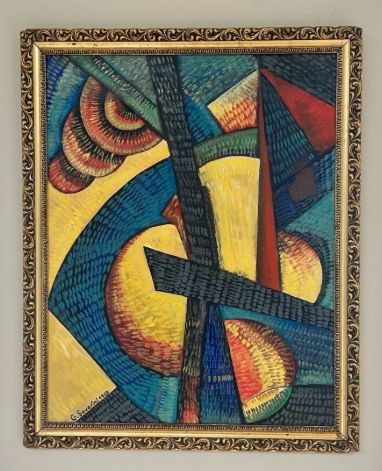

Canvas Board Oil Painting
A canvas board oil painting brings the rich texture of traditional pigments and rigid supports into intimate interior settings.
Canvas Board Oil Painting
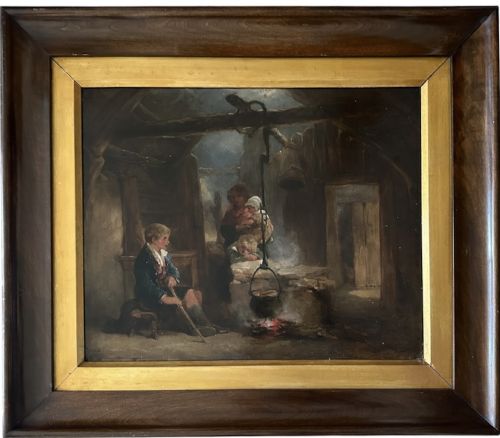
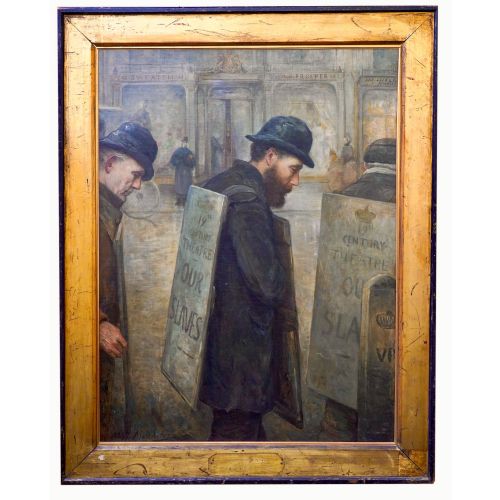
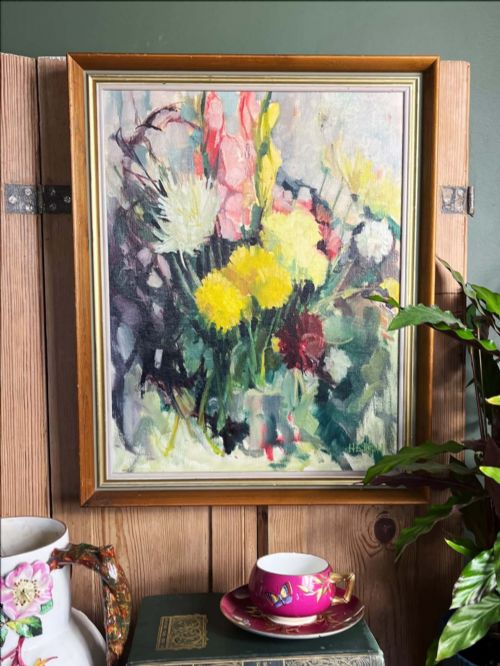
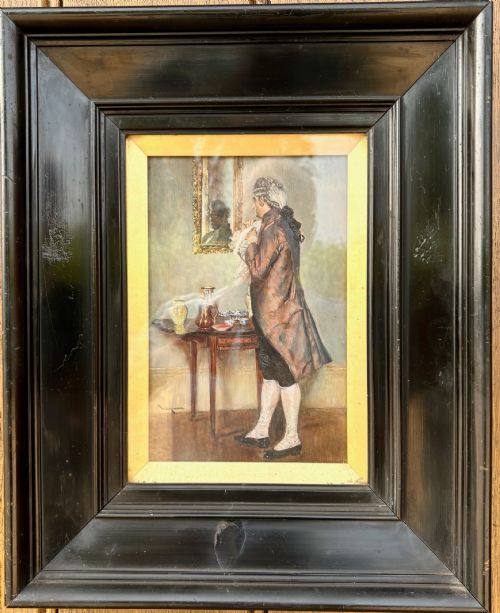
A canvas board oil painting bridges the tactile qualities of traditional fine art with the practical durability of a rigid support. When exploring this selection, buyers encounter works spanning from the Victorian era through the mid-20th century, encompassing diverse subjects such as maritime scenes, rural landscapes, floral still lifes, and intimate character portraits.
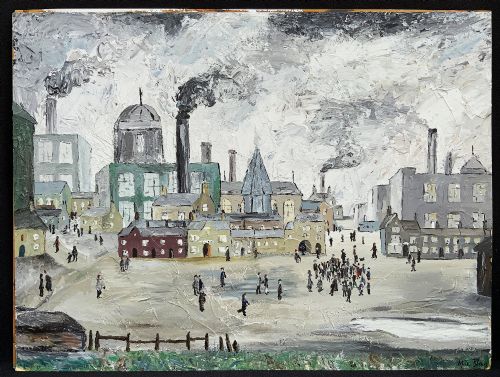
The materials record both direct applications of oil paint onto prepared wooden boards and traditional canvases later laid down onto firmer panels for stability. These pieces range from 19th-century English and Scottish school academic studies to mid-century modernist abstracts and impressionist townscapes.
How They Were Made
Artists created these works using oil paint applied to prepared boards, wooden panels, or woven fabrics subsequently laid onto sturdy backing materials for reinforcement. Many examples incorporate impasto techniques where thick layers of pigment build physical relief, while others feature smooth glazes built over primed surfaces.
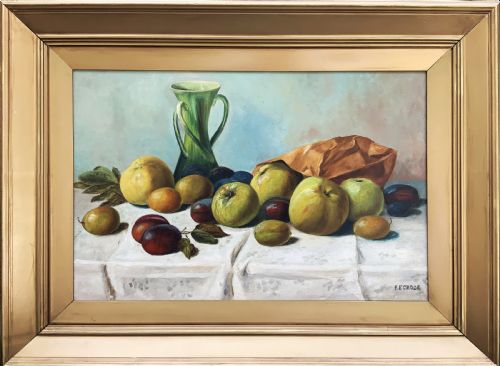
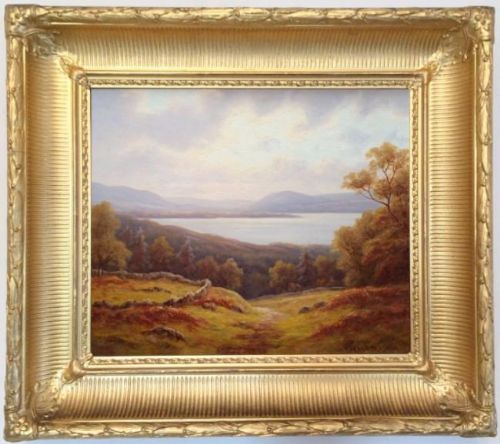
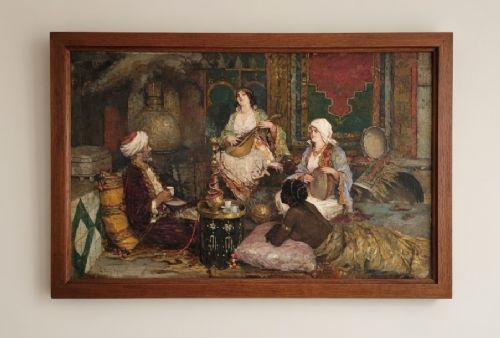
Framing often complements the composition, with period gilt mouldings, oak surrounds, and simple wooden borders preserving the edges of the painted surface.
Several portraits preserve the intense gaze of pipe-smoking gentlemen alongside a remarkably patient cat and a dog in a basket.
What Varies in Quality
The standard of a canvas board oil painting rests in the surety of the brushwork, the depth of the palette, and the harmony of the composition. Stronger examples display confident handling of light and shadow, whereas lesser pieces rely on formulaic repetition without observational depth.
Preservation of the paint layer also distinguishes finer works, particularly where the bond between canvas and rigid backing remains secure without lifting or extensive retouched cracking.
George Whitton Johnstone·Felix Stone Moscheles·Everett Watson Mellor·Colin Graeme Roe·George Smith RSA·Markey Robinson
The Canvas Board Oil Painting Glossary
- Canvas board
- A rigid support made from heavy cardboard or wood panel covered with primed canvas, offering a stable alternative to stretched fabric.
- Impasto
- Paint applied thickly to a surface, standing out in relief from the plane and capturing physical gesture and light.
- Canvas laid down
- A traditional conservation or studio method where a canvas painting is permanently adhered to a solid board or panel for added structural support.
- Ground
- The initial primer layer applied to a board or canvas to prepare the surface for oil paint adhesion and tone.
Canvas Board Oil Painting: Frequently Asked Questions
Why are canvases laid onto boards?
Artists and restorers adhered woven canvas to rigid panels to prevent sagging, stabilise fragile supports, and provide a firm working surface.
This technique ensures the paint film experiences less flexing over time, reducing the risk of cracking.
How should I frame these works?
Select frames that match the period of the painting, such as moulded gilt wood for 19th-century pieces or simpler timber profiles for mid-century works.
Ensure adequate space remains between the painted surface and any glass to prevent moisture accumulation and paint adherence.
How can I identify the age of the board?
Examine the reverse of the panel for maker stamps, handwritten inscriptions, old gallery labels, and the natural ageing of the wood or cardboard.
Compare the framing construction, nails, and backing materials with known manufacturing standards of the Victorian or mid-century periods.