






Caned Mahogany Side Chair
A caned mahogany side chair brings architectural timber and woven rattan together, offering firm support and timeless seating for a traditional interior.
Caned Mahogany Side Chair
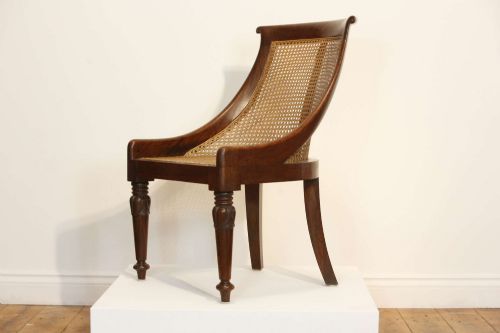
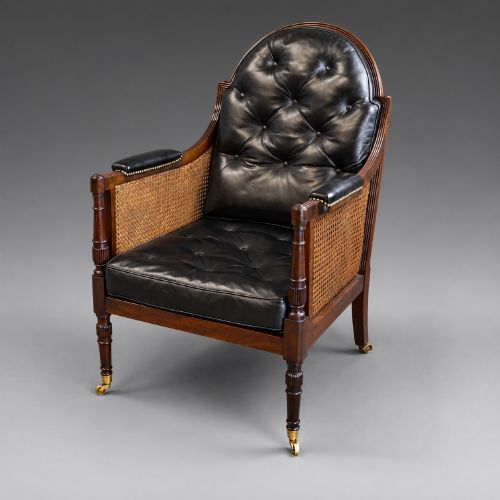
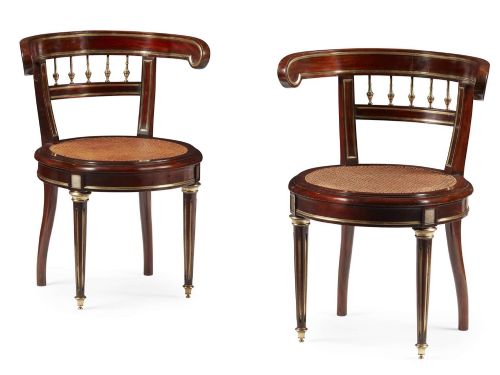
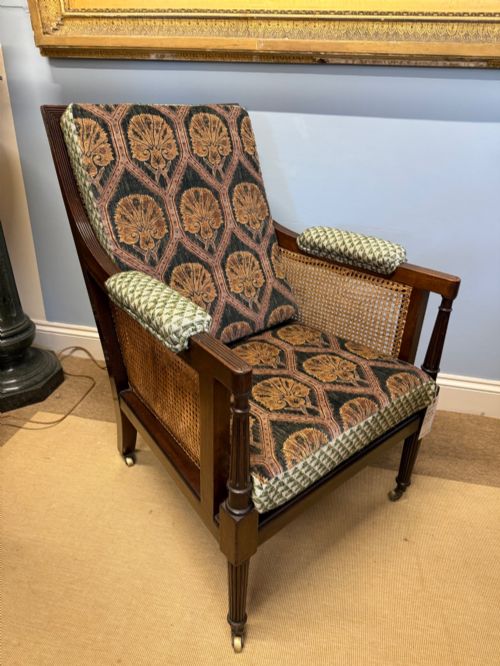
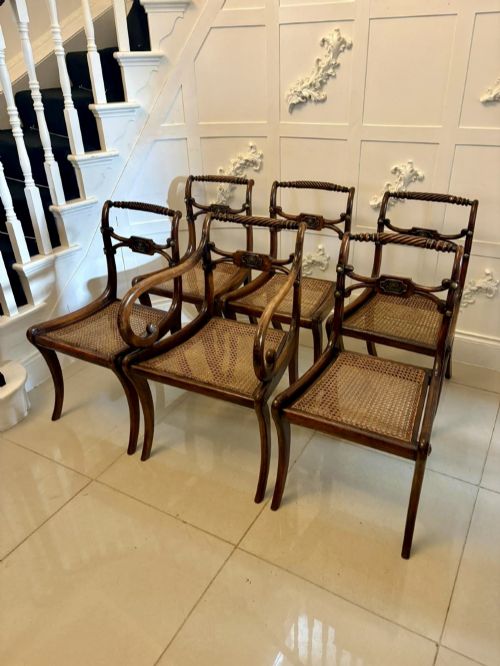
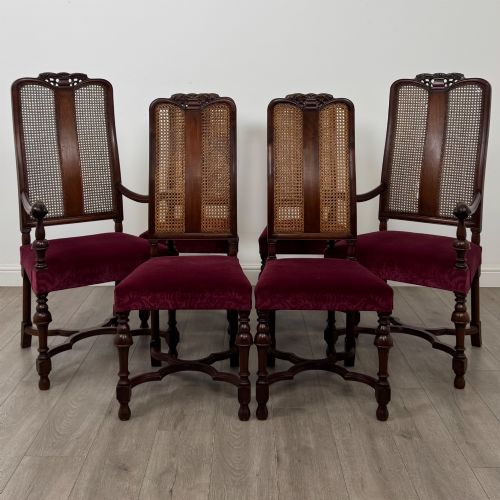
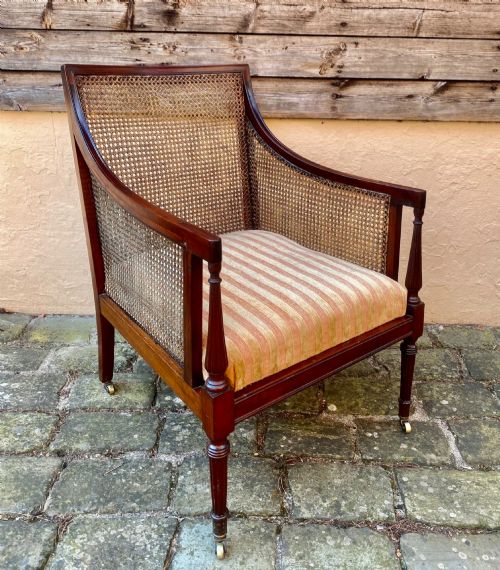
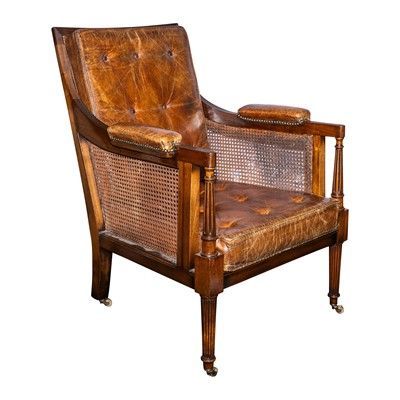
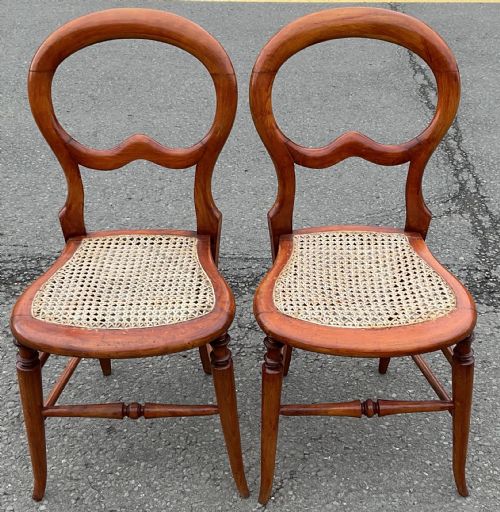
When you search for caned mahogany side chair, you encounter seating solutions spanning the Georgian, Regency, Victorian, and Edwardian periods. These chairs appear in various forms, including dining chairs, salon chairs, library chairs, and bedroom chairs.
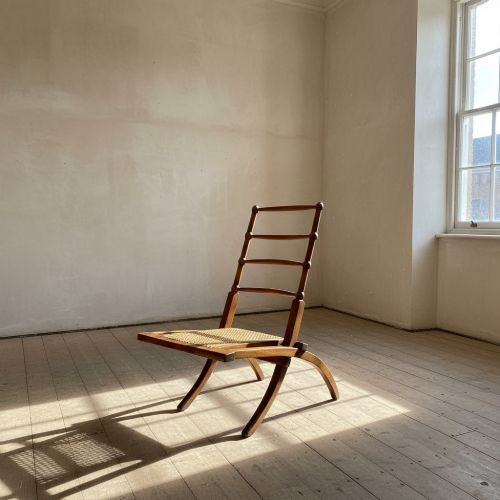
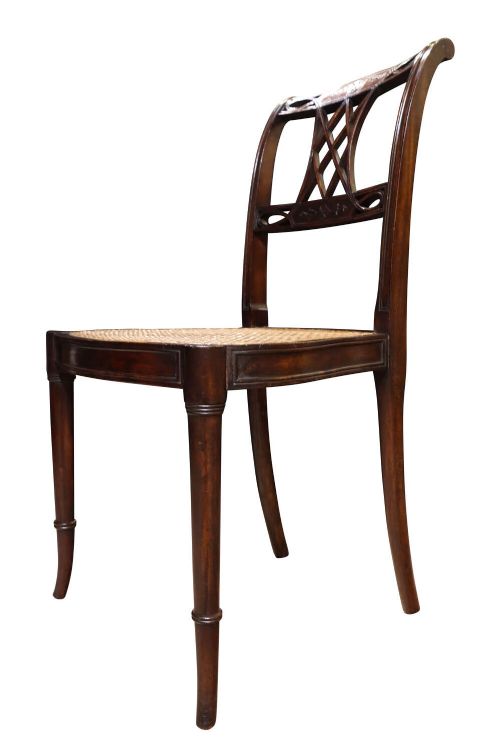
The pieces on this page predominantly combine rich mahogany timber frames with woven cane seating or backrests. Many examples reflect specific historical revivals, such as the Regency style and the Aesthetic Movement.
How they were made
Cabinet makers utilised dense mahogany to construct sturdy frames capable of supporting intricate joinery and carved back rails. Selected timbers often received polish to highlight the natural grain.
The distinctive seating surfaces rely on woven cane or rattan threaded meticulously through drilled holes along the frame rails. Artisans occasionally integrated brass details, leather, or upholstered elements to complement the woodwork.
Caned Mahogany Side Chair Retail Price Guide 2026
Typical asking prices for caned mahogany side chair among the pieces listed under this phrase on Sellingantiques today, from the lower quarter to the upper quarter. They describe what is for sale here now, not the wider market.
Listings span multiple eras from the Georgian period through to Edwardian times, alongside several twentieth-century revival pieces.
What varies in quality
The integrity of the woven cane panel dictates the durability and visual appeal of the seating. Tightly woven, uniform strands demonstrate superior craftsmanship compared to loose or uneven repairs.
Frame construction and carving depth distinguish finer examples from standard production. Crisp detailing on the mahogany woodwork and solid joinery indicate higher workshop standards.
E.W Godwin·Gillows
The Caned Mahogany Side Chair Glossary
- Klismos
- An ancient Greek chair style characterised by concave curved legs and a sweeping backrest. Revival versions adapt these graceful lines for nineteenth-century interiors.
- Carver
- An armchair designed to match a set of dining chairs, usually placed at the head of a table. These pieces often feature scrolling arms.
- Caning
- The practice of weaving rattan or split cane to form porous, resilient chair seats and backs. This technique provides flexible support.
Caned Mahogany Side Chair: Frequently Asked Questions
How do I care for caned seats?
Woven cane requires occasional damp wiping to maintain moisture and prevent the natural fibres from becoming brittle over time. Avoid placing these chairs near direct heat sources.
Weight distribution matters greatly for longevity. Using suitable seat cushions on antique caned furniture prevents undue stress on the woven rattan.
Are these chairs suitable for daily dining?
Many of these pieces served as formal dining seating originally and remain sturdy enough for regular use today. Checking the frame stability ensures safe daily sitting.
Sets often include a mix of single chairs and a carver. This traditional arrangement suits standard dining tables admirably.
What distinguishes Regency from Edwardian examples?
Regency pieces date from the early nineteenth century, showcasing classical proportions, sabre legs, and restrained carved details. Mahogany from this era often exhibits a deep, warm patina.
Edwardian chairs from around nineteen hundred typically display lighter construction, occasional inlay work, and influences from earlier Georgian revivals. The timber finish tends to be brighter.
Can I mix different chair styles together?
Combining side chairs from similar nineteenth-century periods creates an eclectic yet harmonious dining arrangement. Matching timber tones helps unify varied silhouettes around a table.
Pairs of salon or bedroom chairs work well as accent seating in living spaces. Their compact proportions allow flexible placement against walls.