



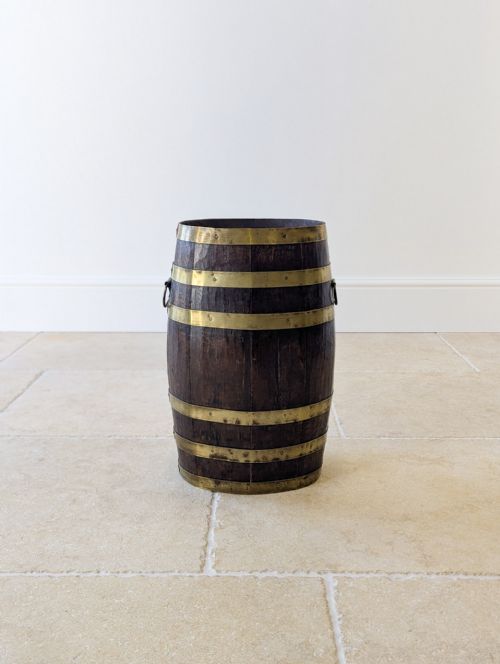
Cane Holder Stand
These robust cane holder stand designs handle hall clutter with practical charm.
Cane Holder Stand
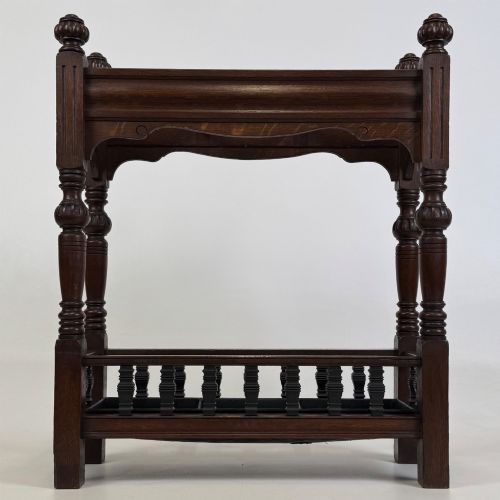
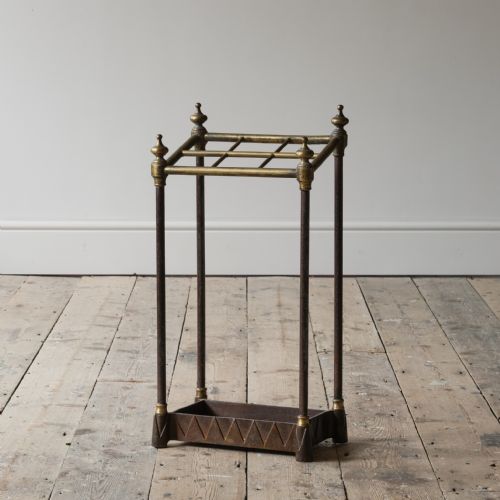
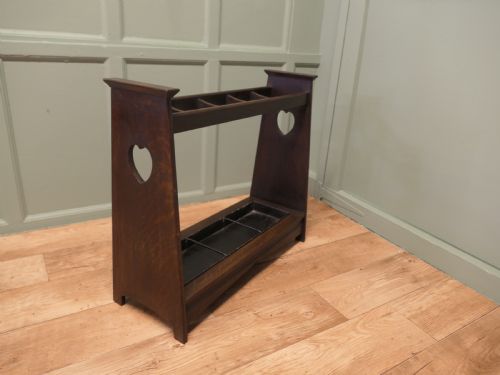
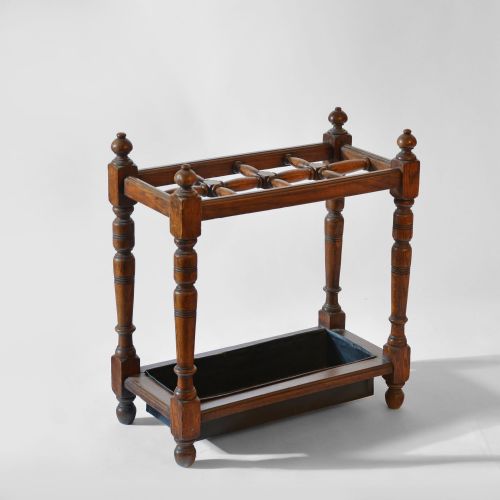
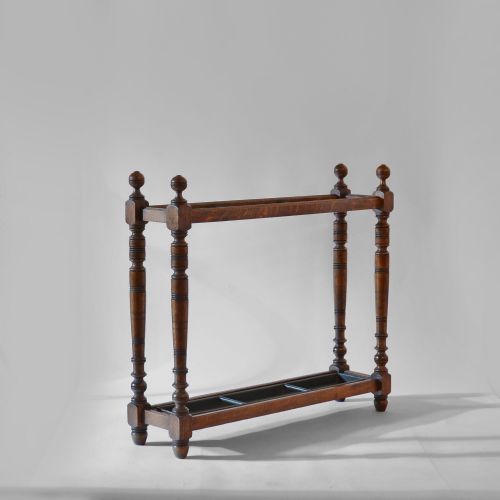
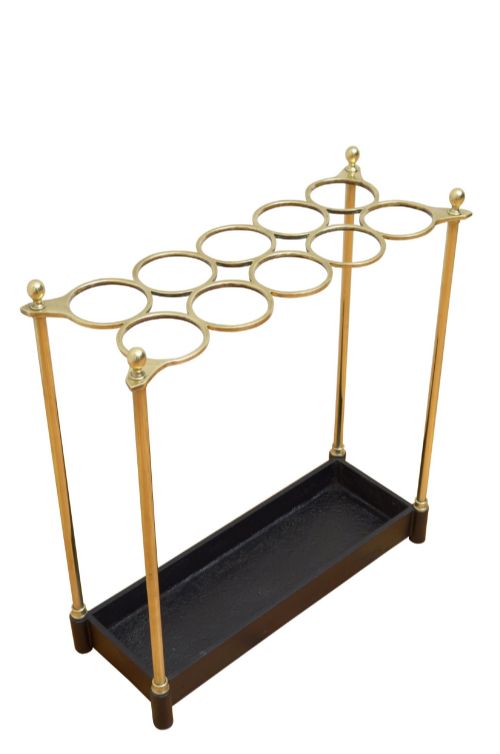
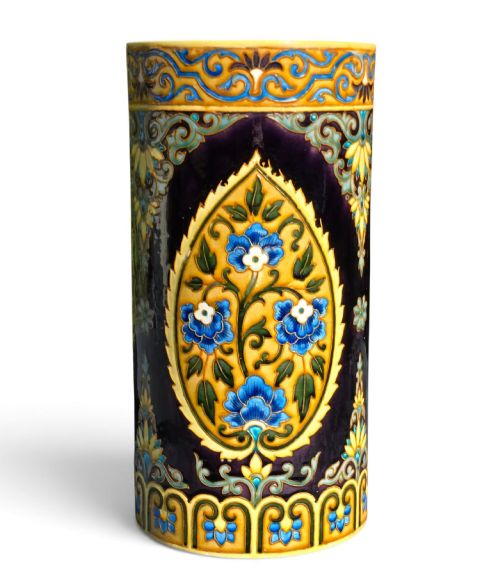
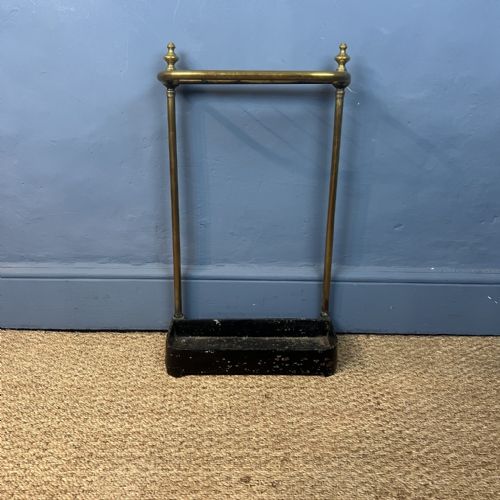
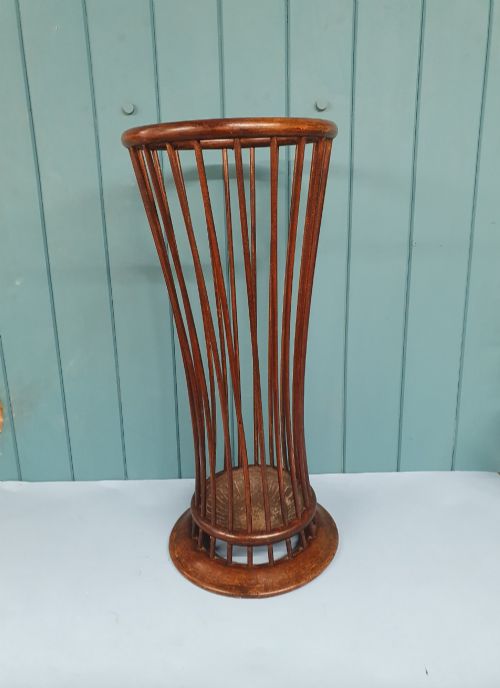
A cane holder stand sits in the entrance hall to organise walking sticks, umbrellas and parasols. Most examples on this page date from the nineteenth century through to the interwar decades, spanning the Victorian, Edwardian and Art Deco periods.
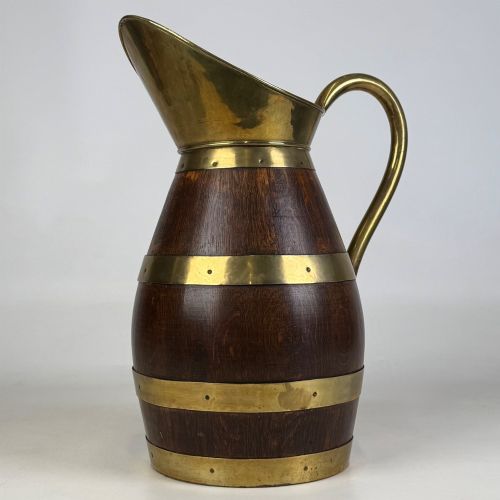
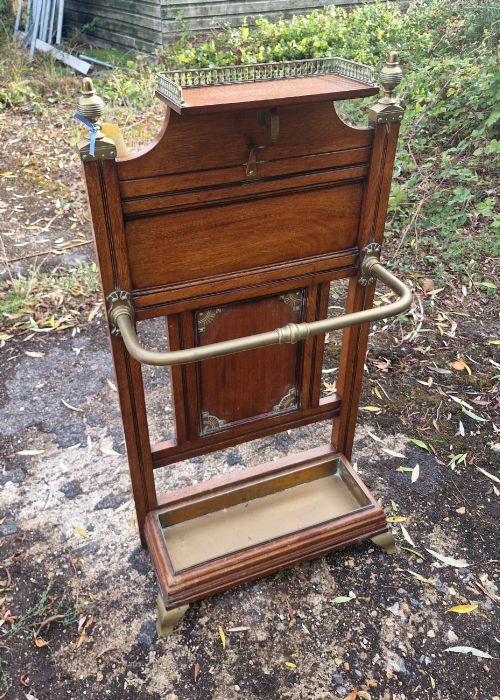
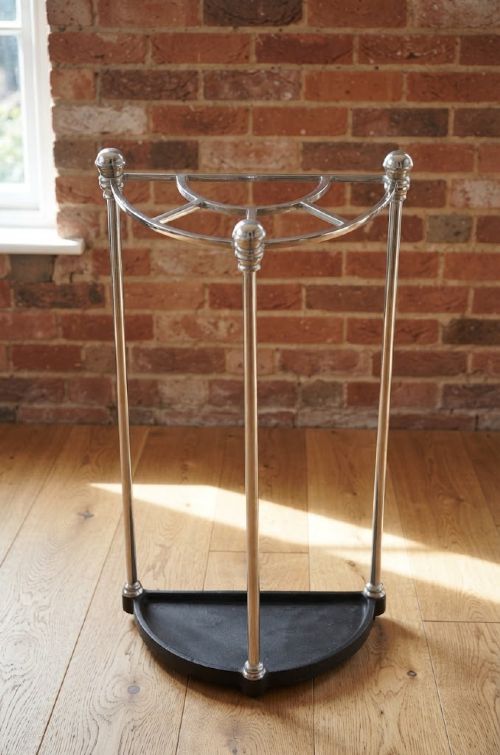
The objects appear in forms such as umbrella stands, stick stands, half-moon wall pieces and combined hall stands. Oak and cast iron dominate the surviving items, alongside polished brass and copper-bound barrels.
Buyers encounter functional hall furniture reflecting design movements from the Arts and Crafts era to Art Nouveau. These pieces combine utility with decorative metalwork and timber framing.
Materials and Construction
Foundry work shaped the heavy metal frames, using cast iron, brass and zinc for durability and decorative detail. Many cast examples utilise open lattice patterns to allow damp items to dry.
Joiners built timber versions from oak and mahogany, frequently employing coopered stave construction for barrel-shaped bodies. Brass bands, ball finials and metal drip trays completed the assemblies.
One exceptional cast iron stand depicts a footballer ready to clear the hall.
Standards of Manufacture
The distinction between standard utility items and finer pieces lies in the crispness of the cast iron or the quality of the timber joinery. Foundry-marked ironwork and substantial brass gauge demonstrate superior workshop origin.
Original components dictate merit. The presence of matching drip trays, undamaged metal liners and intact structural hardware preserves the integrity of the design.
Coalbrookdale·Thomas Jeckyll·Théodore Deck·Thonet
The Cane Holder Stand Glossary
- Demi-lune
- A half-moon shape designed to sit flat against an entrance wall. This profile saves floor space in narrow hallways.
- Coopered
- Wood construction made from curved staves bound by metal hoops, similar to barrel-making. Oak stick stands often use this technique.
- Drip tray
- A removable metal basin placed at the base to catch rainwater from wet umbrellas. Original trays are valued by collectors.
- Finial
- A decorative terminal ornament, often cast in brass, topping the vertical posts of a stand.
Cane Holder Stand: Frequently Asked Questions
Where should a cane holder stand be placed?
These items belong in hallways, porches or boot rooms where visitors leave wet outdoor gear. Their narrow footprint allows them to fit flush against walls without blocking corridors.
Position them on hard flooring rather than carpets to protect against residual moisture dripping from damp walking sticks and umbrellas.
How do I maintain oak and brass stands?
Oak frames require occasional feeding with appropriate wax to nourish the grain and prevent timber from drying out in heated hallways. Keep wooden bases dry by ensuring metal drip trays are regularly emptied.
Polish brass elements sparingly with a soft cloth to maintain the metal finish without stripping historical patina accumulated over decades of use.
Are these stands suitable for modern umbrellas?
Most historic frames easily accommodate modern folding umbrellas and walking sticks within their divisions or rings. However, wider golf umbrellas might exceed the diameter of older cast iron lattice partitions.
Check the internal division count and base dimensions before purchase if you intend to store oversized modern items.
How do I distinguish Victorian from Edwardian stands?
Victorian examples tend to feature heavier cast iron work, darker oak tones, and ornate Gothic or Aesthetic Movement ornamentation. They reflect denser decorative schemes popular in the nineteenth century.
Edwardian pieces often display lighter golden oak, simpler Arts and Crafts lines, or cleaner Art Nouveau curves suited to brighter entrance halls.