
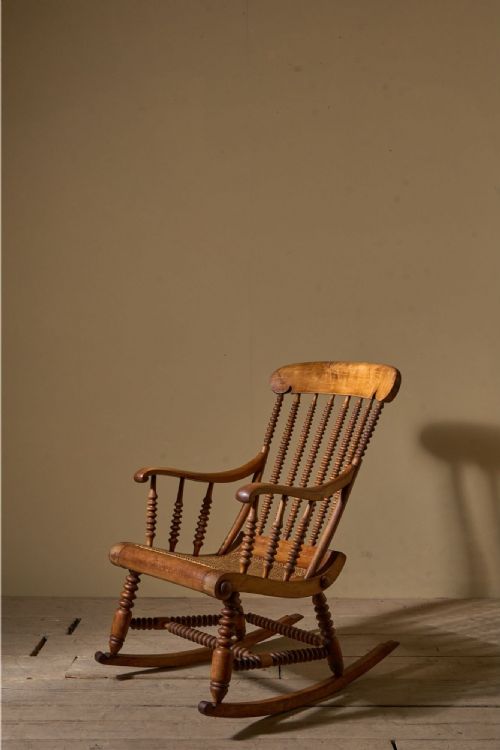
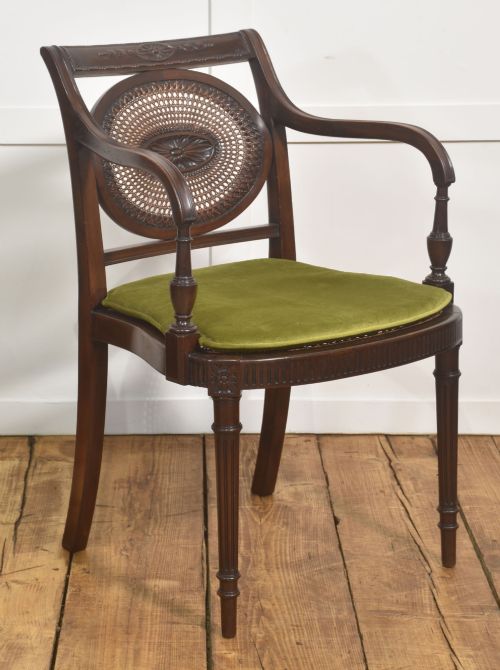
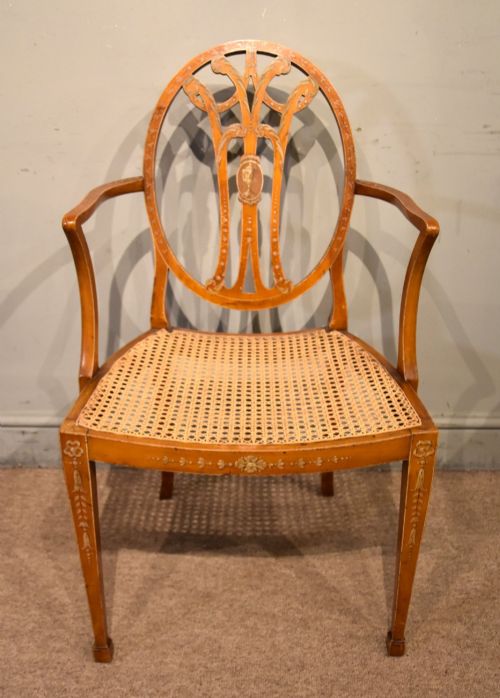
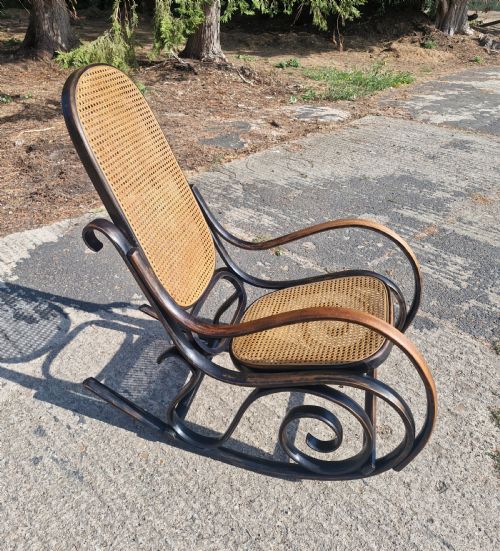
Cane Back Armchair
A cane back armchair brings woven texture and solid timber framing together, offering a supportive seat rooted in centuries of revival design.
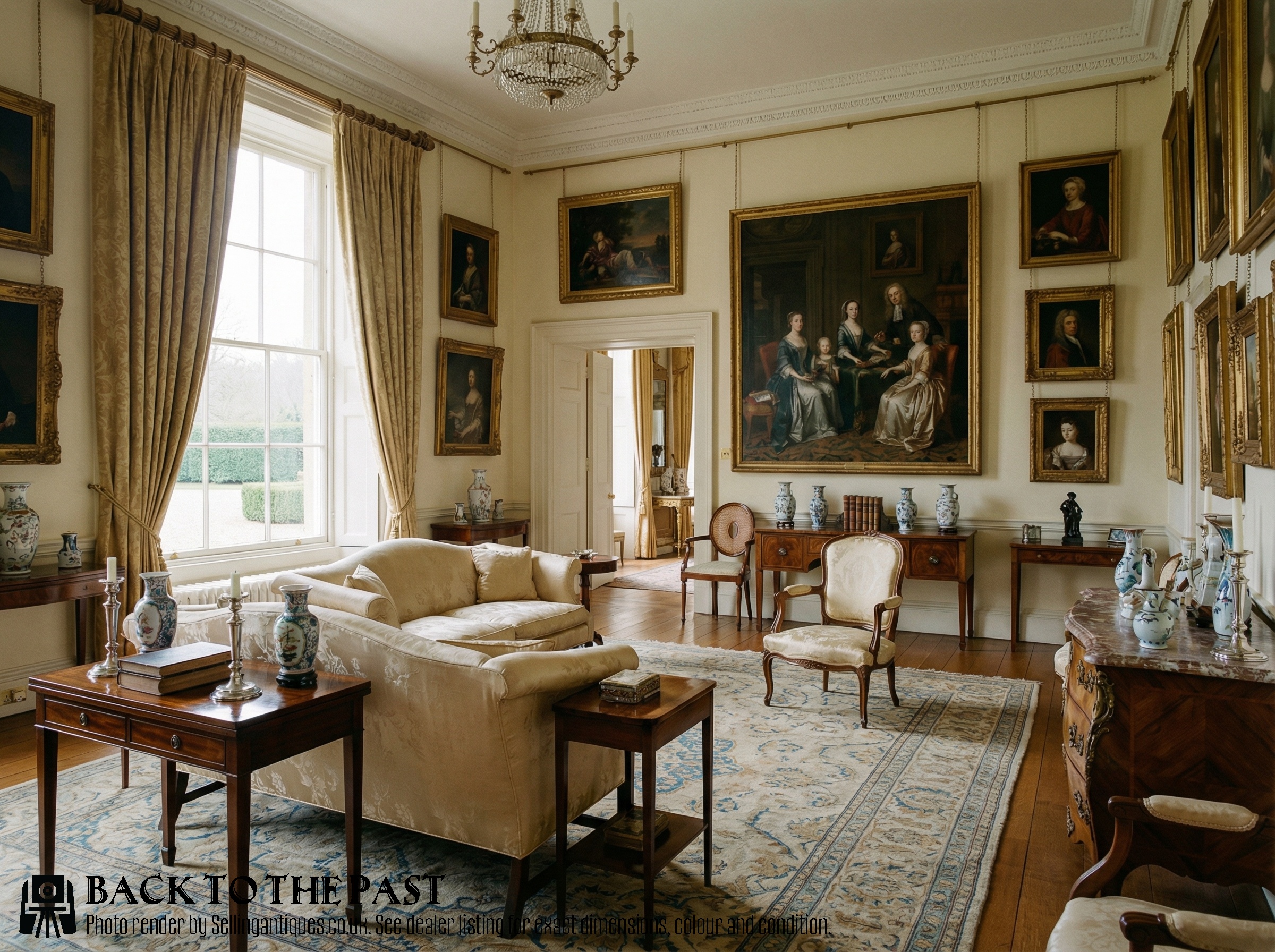
Understanding the cane back armchair
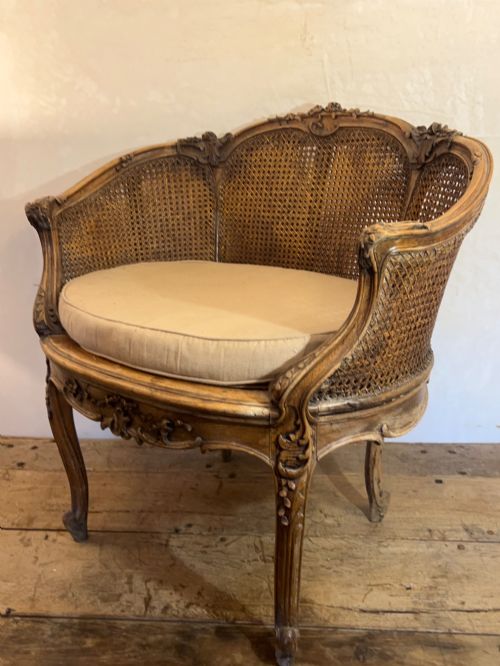
A cane back armchair is a seated furniture form defined by its woven panels and sturdy wooden frame, built to support daily use while remaining visually light. When exploring a cane back armchair on this page, buyers frequently encounter early twentieth-century interpretations alongside nineteenth-century examples.
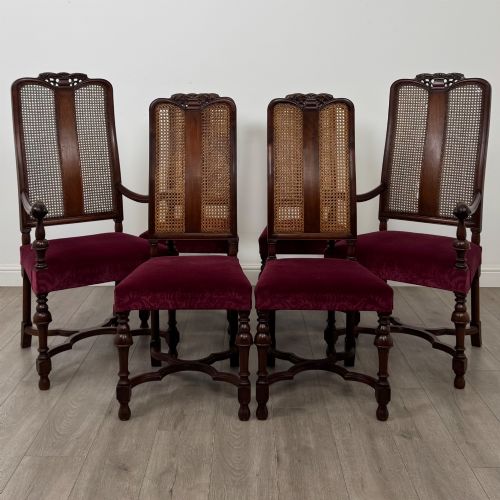
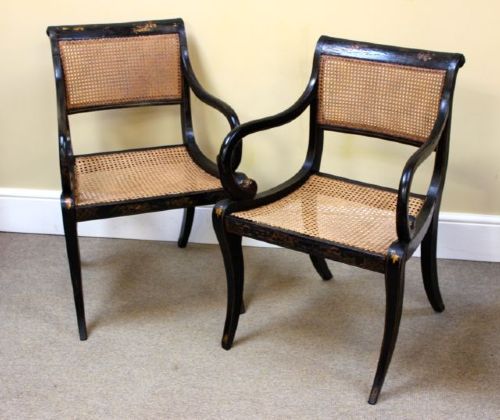
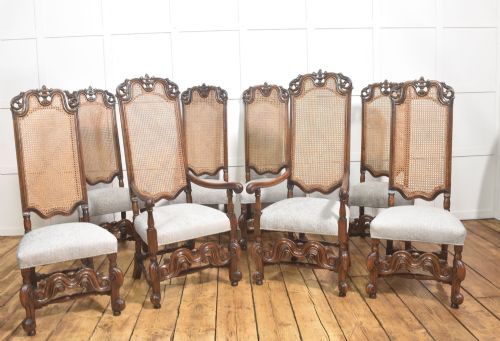
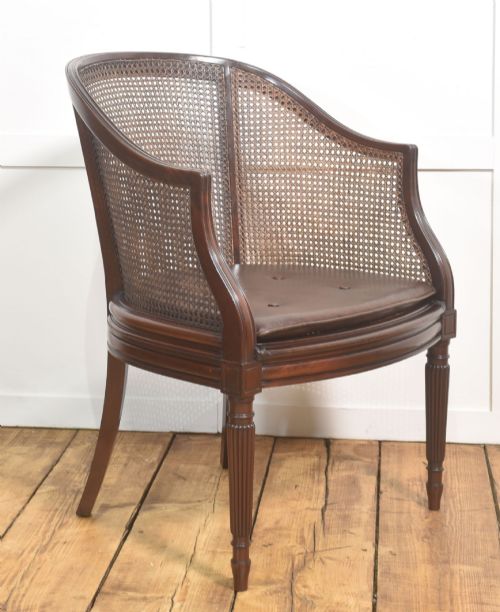
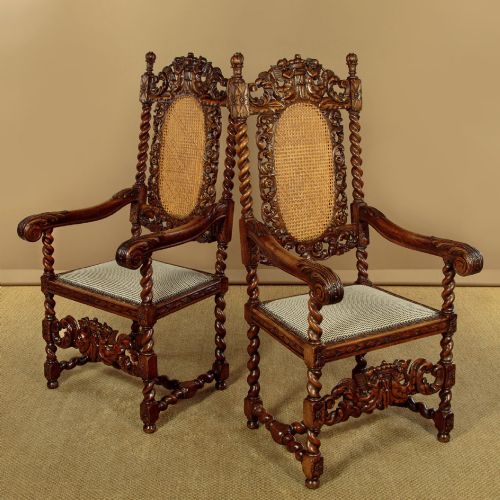
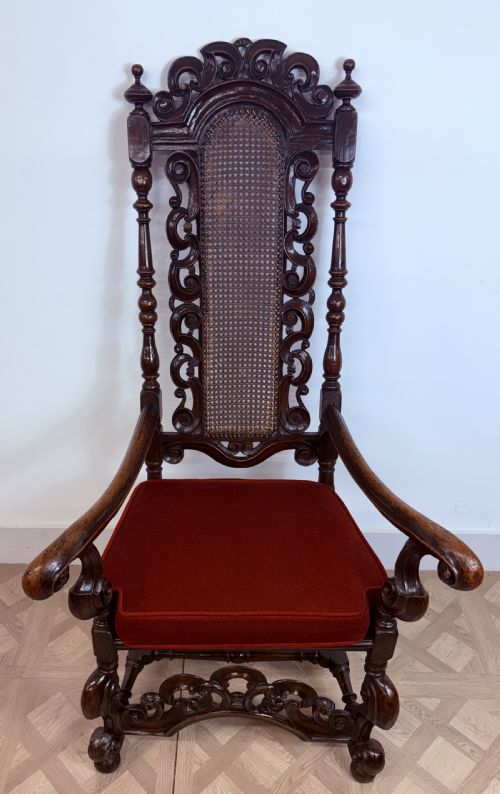
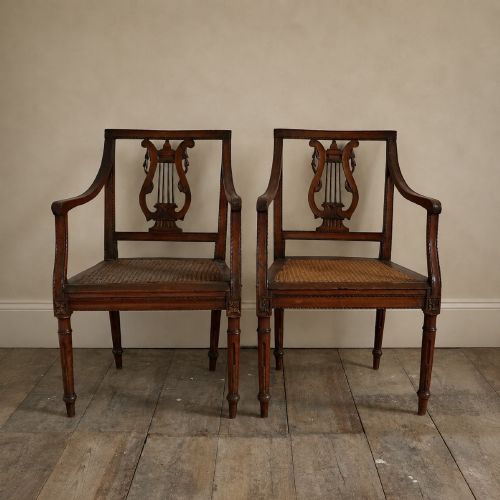
The historical styles crossing this selection lean heavily into revivalism, including Carolean Revival, Jacobean Revival, and Louis XVI Revival aesthetics. Alongside these ornate pieces, the records show simpler Edwardian and Art Deco iterations utilising clean lines and functional forms.
Materials span across oak, mahogany, walnut, birch, and hardwood, frequently paired with woven cane and supplemented by upholstery such as velvet, tapestry, and leather. Buyers select these chairs to introduce historical character and breathable seating into studies, bedrooms, and living spaces.

Materials and construction methods
The structural framework of these chairs relies on durable hardwoods, predominantly oak, mahogany, walnut, and birch, selected for their strength in supporting the joinery. Cabinetmakers shaped these timbers through traditional turning, carving, and bending techniques to form the arms, legs, and back supports.
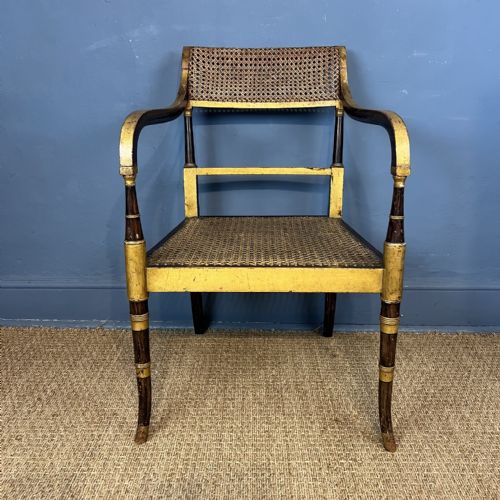
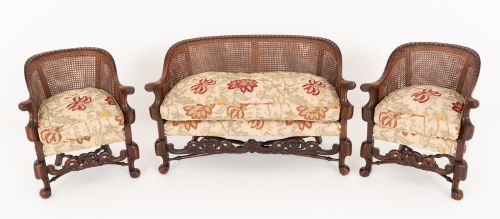
Cane panels are meticulously hand-woven through drilled holes or channeled frames, utilising split rattan to create a flexible yet resilient mesh surface. Further embellishments appear as carved details, lacquered surfaces, and drop-in or fixed cushions upholstered in fabric, leather, or velvet.
Retail Price Guide 2026
Typical UK retail prices for cane back armchair, calculated from the Sellingantiques database of over a million retail prices indexed since 2003. This retail price guide relies exclusively on Sellingantiques data; no external sources or auction records are used, so the figures do not describe the wider market.
The listings on this site record cane back armchairs spanning the nineteenth century through to the 1920s, constructed in oak, mahogany, walnut, and birch.
Markers of quality and craftsmanship
Quality in these chairs rests upon the tightness and regularity of the cane weaving, where hand-caned panels demonstrate superior tension and uniform pattern spacing compared to machine-pressed alternatives. The underlying timber frame reveals distinction through crispness of hand-carving and the structural integrity of the joints.
Finer examples maintain original surface treatments, such as aged lacquer or patinated polish, rather than heavy modern refinishing that obscures the grain of the oak or mahogany. The harmony between the weight of the timber frame and the delicacy of the woven back dictates the overall success of the piece.
The Cane Back Armchair Glossary
- Bergere
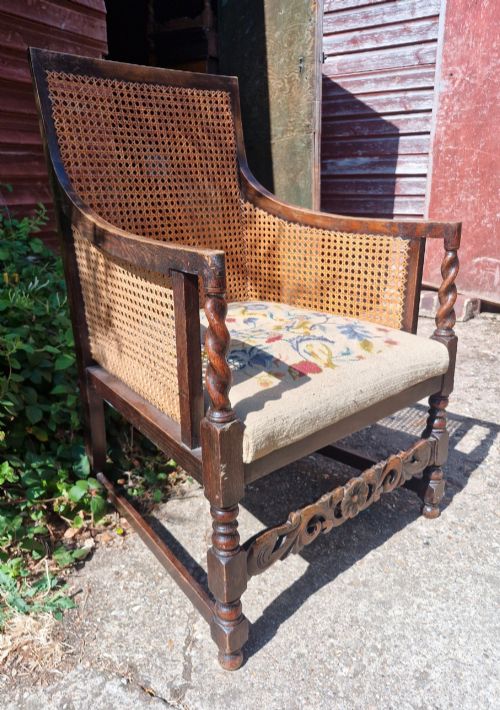
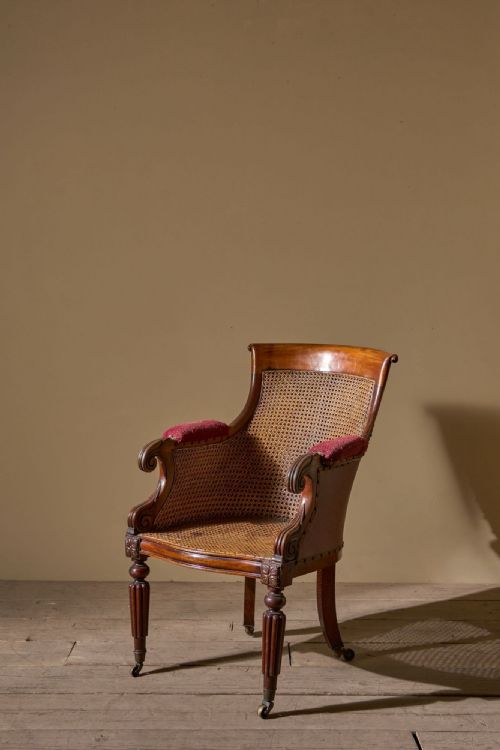
- An enclosed upholstered armchair with wooden framing, often featuring cane work on the back and sides. This French-inspired form provides a deep, comfortable seat.
- Jacobean Revival
- A design movement referencing the heavy, straight-lined oak furniture of the early seventeenth century. Pieces in this style often display geometric mouldings and turned supports.
- Cane
- Strips of peeled bark from the rattan palm woven into open mesh panels. It provides a lightweight, flexible backing for seating.
- Cabriole leg
- A furniture leg that curves out and then in, resembling the leg of an animal. This form frequently terminates in a claw and ball foot.
Frequently Asked Questions
What is a bergere chair?
A bergere is a closed-arm armchair featuring a solid wooden frame with woven cane panels forming the back and sometimes the sides. They originated in France and offer a relaxed, upholstered seating experience.
In this selection, bergere chairs appear in both oak and mahogany frames, dating from the early twentieth century and the nineteenth century.
How do I care for cane furniture?
Cane requires moderate humidity to prevent the natural rattan fibres from becoming brittle and snapping under tension. Regular dusting with a soft brush keeps the weave clear of debris.
Avoid placing these chairs near direct heat sources or in overly dry environments. Conditioning the cane occasionally with a damp cloth helps maintain its flexibility.
Are these chairs comfortable for daily use?
The woven cane back conforms gently to the user while allowing air circulation, making them supportive for extended periods of sitting. Many versions also include upholstered seat cushions for added softness.
Their sturdy hardwood frames ensure they withstand regular everyday seating when placed in appropriate domestic settings.
How do I identify revival styles?
Revival furniture borrows specific decorative motifs from earlier historical eras, such as the elaborate carvings of the Carolean period or the straight lines of the Jacobean age. Makers in the late nineteenth and early twentieth centuries reproduced these forms using contemporary workshop methods.
Examining the timber age, construction hardware, and wear patterns helps distinguish these revival pieces from genuine seventeenth-century originals.