


Camel Wool Carpet
When choosing a camel wool carpet, you examine hand-knotted tribal weavings defined by natural hair grounds and enduring nomadic artistry.
Camel Wool Carpet
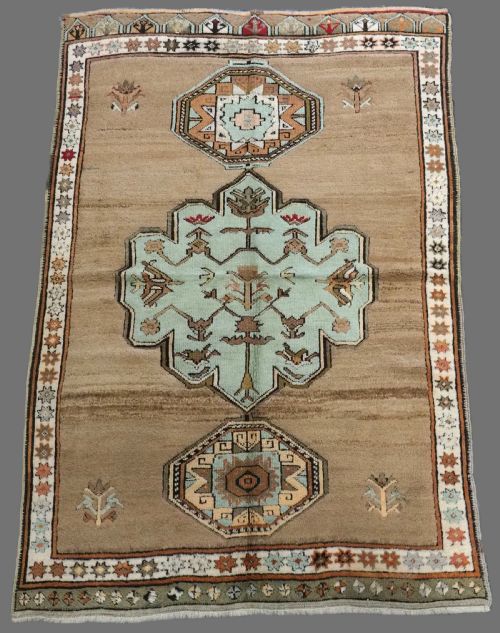
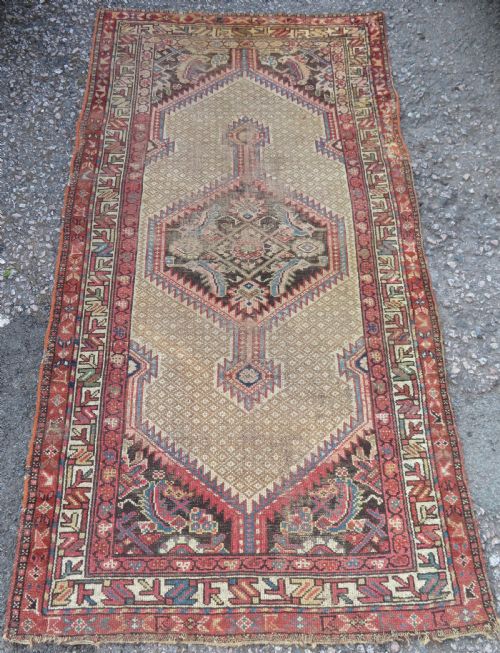
A camel wool carpet encompasses tribal rugs, narrow village runners, and prayer formats originating from Persian, Turkmen, and Afghan weaving traditions. You encounter pieces displaying un-dyed camel hair fields alongside detailed medallion and tree of life layouts.
The selection ranges from nineteenth-century village runners to early twentieth-century nomadic trappings and torbas. These textiles reflect the utilitarian artistry of regional tribes across Central Asia and Northwest Persia.
How they were made
Weavers utilised hand-spun wool and natural camel hair alongside cotton foundations to construct dense pile and flatweave surfaces. Natural dyes provide the underlying palette, anchoring the un-dyed camel hair grounds that define many regional formats.
Makers employed traditional looping and knotting techniques specific to tribal groups such as the Baluch, Yomut, and Sarab. These methods created durable floor coverings and functional household containers designed for daily nomadic use.
Listings feature nineteen-century and early twentieth-century village runners, prayer rugs, and torbas utilising natural dyes and camel hair.
What varies in quality
The visual strength of a piece depends on the depth of the un-dyed camel hair ground and the crispness of the tribal motifs. Superior examples maintain balanced proportions and consistent knot density across the entire field.
Condition and structural integrity differentiate everyday village utility from finer tribal expressions. Strong pile retention and intact borders elevate the presence of runners and prayer formats.
The Camel Wool Carpet Glossary
- Camel hair
- The natural fibre obtained from camels, providing a resilient, un-dyed brown or golden ground for tribal carpets. It offers distinct warmth and texture compared to standard sheep wool.
- Torba
- A small storage bag produced by Turkmen and other nomadic groups, often featuring banded flatweave designs or detailed guls. These pieces served both decorative and functional purposes within the tent.
- Prayer rug
- A small format textile featuring a mihrab or niche design, used by individuals for daily devotions. Baluch and Afghan weavers frequently incorporated this layout.
- Gul
- A repeating octagonal medallion motif utilised across Turkmen tribal weaving traditions. Each design often identifies the specific tribe or clan responsible for the work.
- Runner
- A long, narrow carpet format designed primarily for hallways and corridors. Village weavers in regions such as Sarab produced these with repeated geometric borders.
Camel Wool Carpet: Frequently Asked Questions
How do I clean a camel wool carpet?
Vacuum gently without using a rotating brush bar to protect the natural fibres and hand-spun pile.
Professional specialist cleaning is recommended for antique tribal textiles to preserve the natural dyes.
Where were these rugs made?
The pieces originate primarily from tribal and village communities across Persia, Turkmenistan, and Afghanistan.
Nomadic groups produced them for domestic use and local trade using regional materials.
Are these runners suitable for hallways?
Narrow village runners from regions such as Sarab were constructed specifically for heavy traffic areas.
Underlay helps secure the textile and protects the wool foundation from premature wear on hard floors.
What is a camel hair ground?
The ground refers to the background field of the rug left in the natural, un-dyed shade of the camel hair.
This creates a warm, neutral backdrop that highlights the geometric medallions and tree of life motifs.