


Cabriole Leg Furniture
Cabriole leg furniture brings together curved, animal-inspired supports and centuries of cabinet-making, offering distinctive seating and tables for period rooms.
Cabriole Leg Furniture
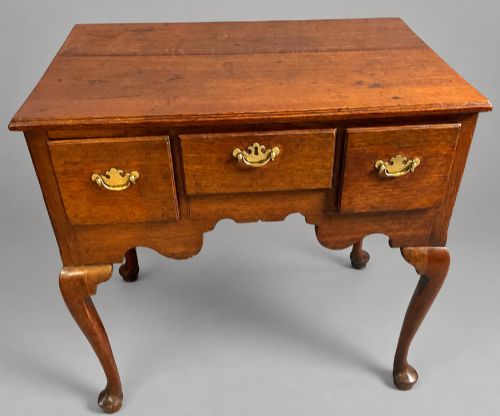
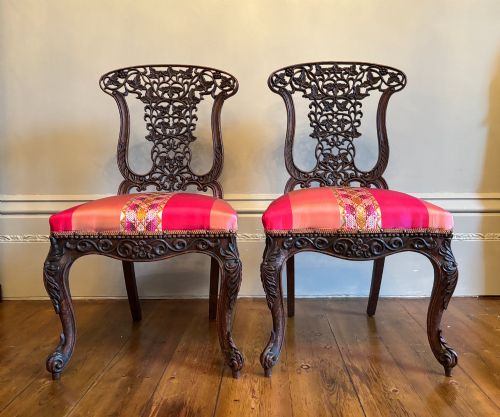
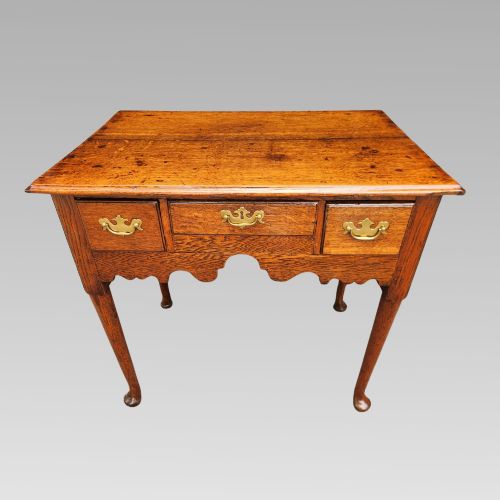
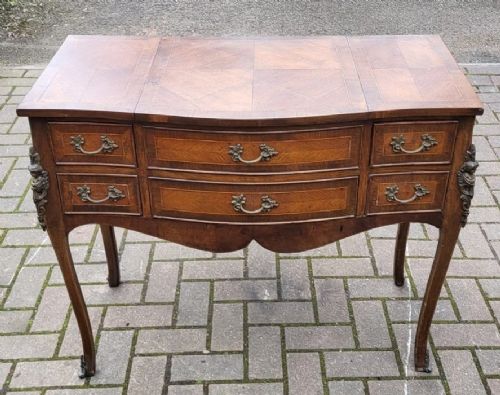
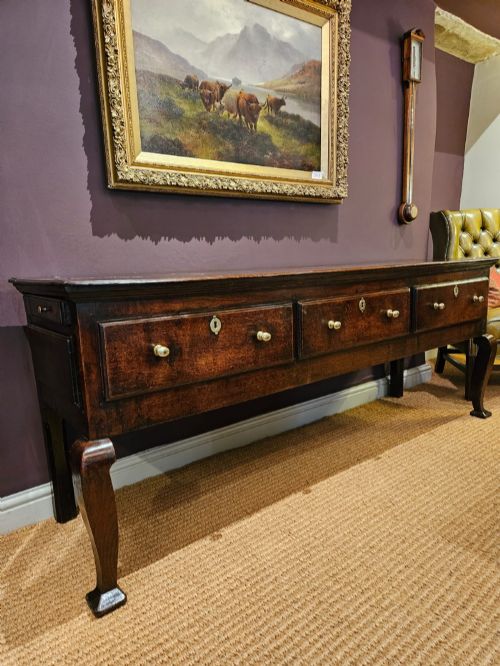
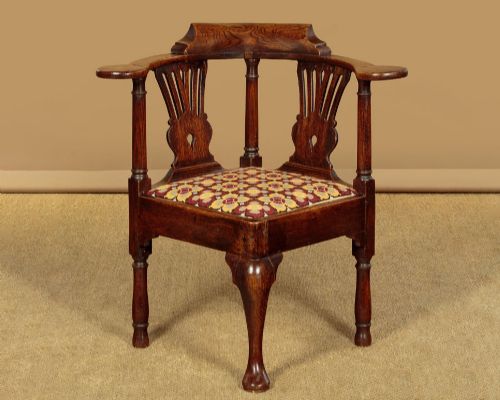
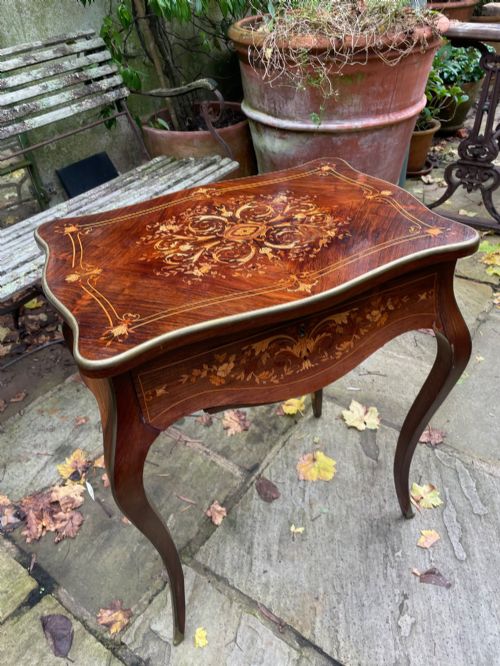
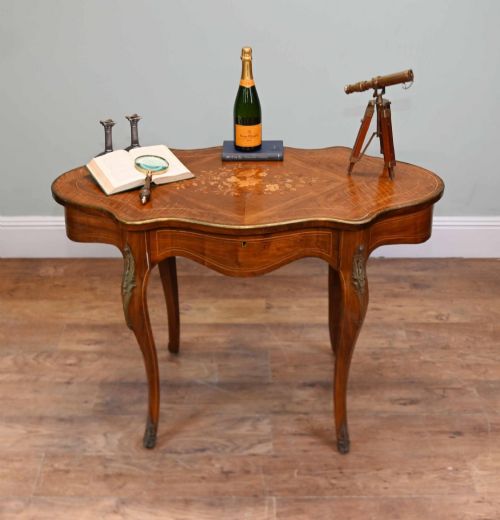
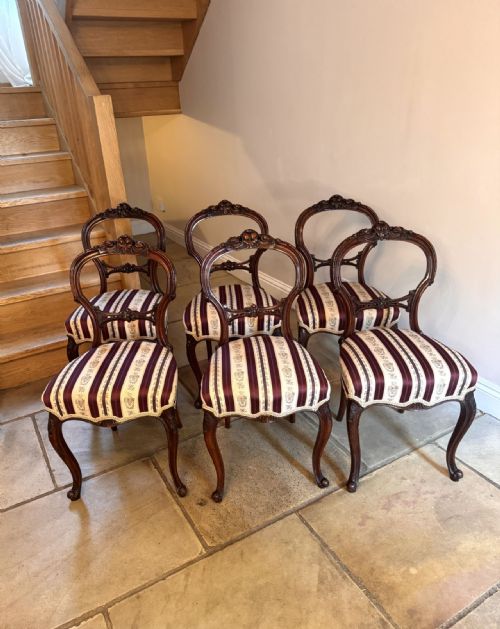
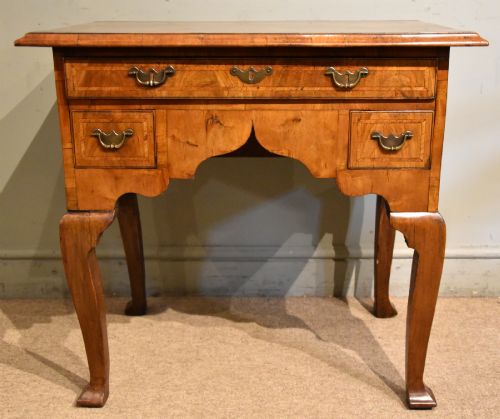
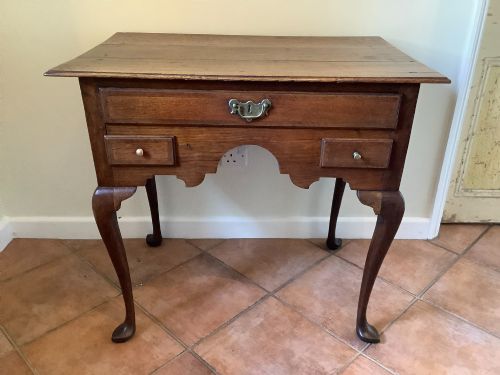
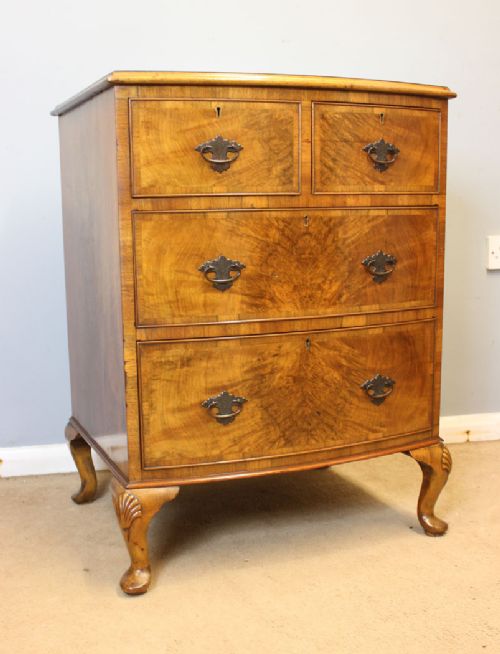
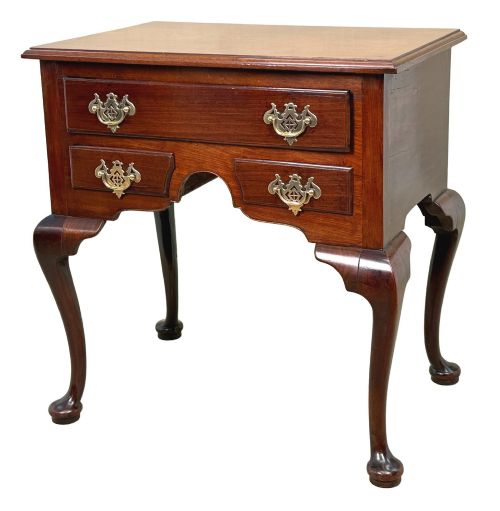
Cabriole leg furniture encompasses a wide array of functional items resting on the characteristic double-curved leg, stretching from early eighteenth-century pieces to later revival styles. Buyers encountering this selection will find lowboys, side tables, desks, armchairs, display cabinets, and dining chairs originating from Georgian, Victorian, Edwardian, and later periods.
The material palette of these pieces ranges from native timbers like oak, walnut, and mahogany to exotic veneers such as kingwood, accompanied by decorative additions of brass, ormolu, fabric, and glass. Stylistic influences span across Queen Anne, George II, Louis XV Revival, and French Provincial designs, reflecting shifting tastes in domestic interiors over three hundred years.
Materials and Construction
Cabinet-makers constructed these items using solid hardwoods like mahogany, walnut, and oak, often applying burr walnut or kingwood veneers to primary surfaces for visual depth and grain variation. Frames and supports required careful shaping to achieve the characteristic outward knee and inward ankle of the leg, sometimes incorporating carved knees or claw and ball feet.
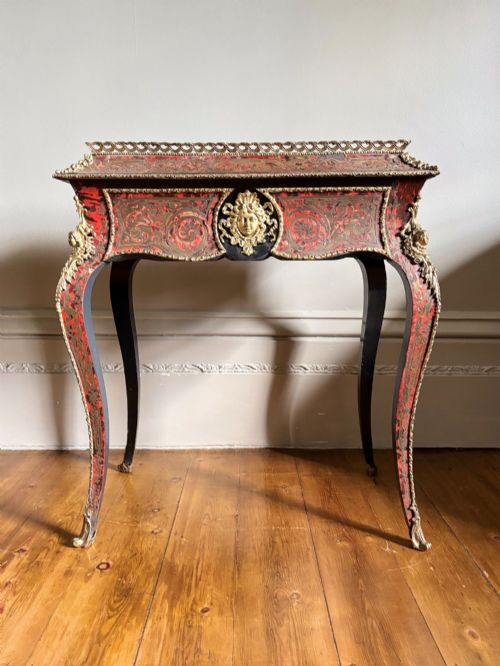
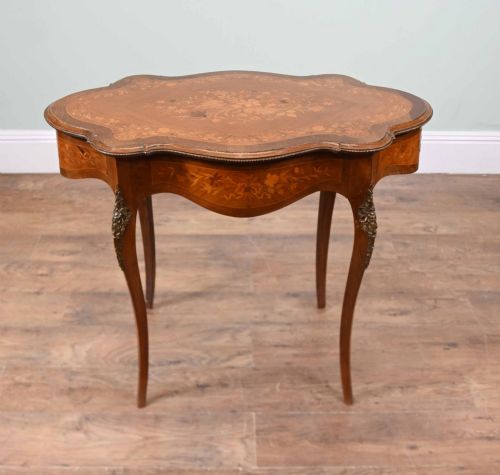
Surface decoration involved marquetry inlay, parquetry, lacquer, and ormolu mounts, particularly on pieces influenced by French tastes such as Louis XV Revival desks and vitrines. Seating frames utilised cane work or upholstered fabric panels, while tables featured folding tops or extending mechanisms constructed to support heavy dining surfaces.
Cabriole Leg Furniture Retail Price Guide 2026
Typical asking prices for cabriole leg furniture among the pieces listed under this phrase on Sellingantiques today, from the lower quarter to the upper quarter. They describe what is for sale here now, not the wider market.
Listings feature cabriole leg furniture spanning the 18th Century, Georgian, Victorian, Edwardian, and 1920s periods in mahogany, walnut, oak, and kingwood.
Craftsmanship and Proportion
Quality in these pieces rests upon the harmony of the leg's curvature and the crispness of any hand-carving on the knees or feet. Superior examples display seamless integration between the leg and the seat rail or table apron, whereas lesser items may show stiff curves or clumsy joins.
The selection of timber grain, particularly in walnut veneers and mahogany panels, dictates visual refinement. Finer works utilise choice figuring and precise parquetry or marquetry inlay, supported by original brass hardware and sound internal construction.
Gillows
The Cabriole Leg Furniture Glossary
- Cabriole leg
- A furniture support that curves out at the knee and tapers inward to the ankle, mimicking animal limbs. It gained prominence in European design during the late seventeenth and early eighteenth centuries.
- Lowboy
- A small dressing table or side table featuring a low set of drawers and four cabriole legs. These pieces date frequently from the Georgian and early eighteenth-century periods.
- Ormolu
- Gilt bronze mounts applied to furniture for decorative effect. It appears regularly on French-influenced desks and cabinets from the nineteenth century.
- Marquetry
- The art of creating decorative patterns on wooden surfaces using thin slices of different veneers. It provides intricate geometric or floral designs on tabletops and bureau fronts.
- Bergère
- An enclosed upholstered armchair with wooden frames and cane or padded sides. These seats often feature cabriole legs and French stylistic origins.
Cabriole Leg Furniture: Frequently Asked Questions
What is cabriole leg furniture?
Cabriole leg furniture comprises tables, chairs, desks, and cabinets supported by legs featuring a convex upper curve and a concave lower taper. This form derives from classical furniture design and appears across multiple centuries.
Items range from early walnut lowboys to Victorian dining chairs and Edwardian writing tables, uniting diverse forms through a shared stylistic support.
How do I date a piece?
Dating relies upon examining the timber species, construction methods, and stylistic details present in the frame. Walnut and early oak pieces often point to the eighteenth century, while mahogany and satinwood frequently indicate Georgian or Victorian eras.
Secondary woods inside drawers, fastening types, and veneer thicknesses offer further clues to the manufacturing period of the item.
Where were these pieces used?
These items served functional roles in period drawing rooms, dining rooms, studies, and bedrooms. Desks and writing tables furnished home offices, whilst lowboys and dressing tables occupied bedrooms and halls.
Display cabinets and vitrines showcased porcelain and collected objects in formal reception rooms, reflecting the domestic habits of their original owners.
How do I care for wooden surfaces?
Maintaining wooden items involves keeping them away from direct heat sources and dramatic humidity fluctuations to prevent veneer cracking. Regular dusting with a soft, dry cloth preserves the finish of polished mahogany and walnut.
Applying appropriate wax polishes periodically helps nourish antique timber surfaces without building up heavy chemical residues over time.