
Cabriole Leg Candle Table
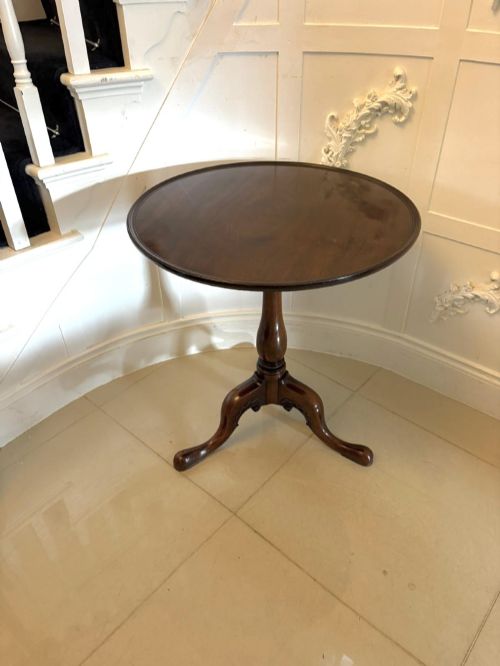
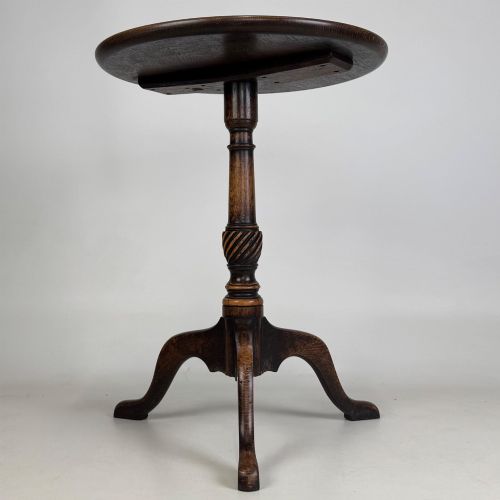
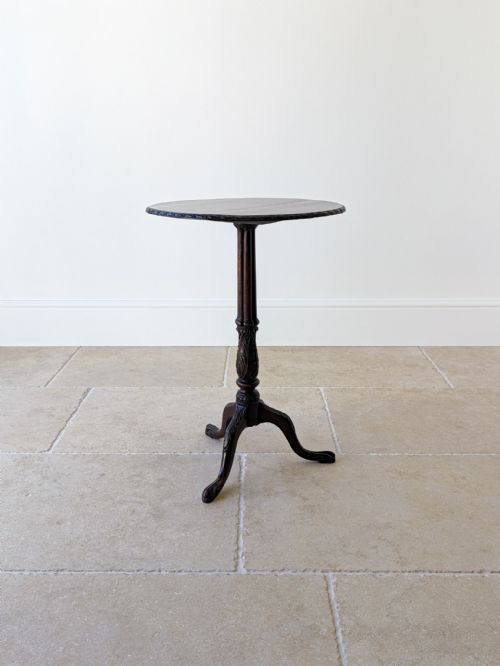
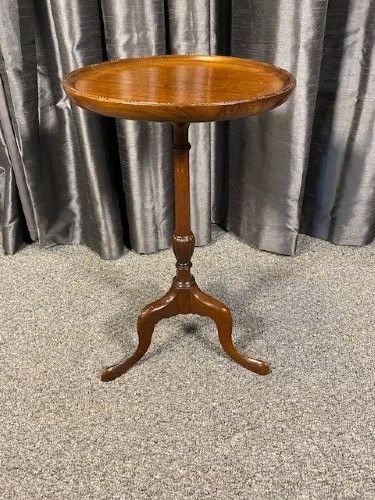
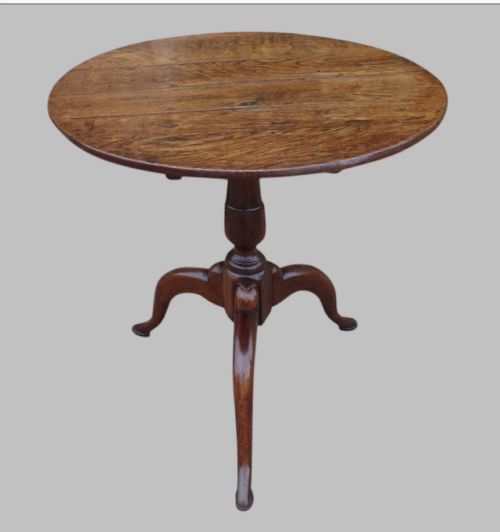
A cabriole leg candle table brings compact elegance to a corner, offering a stable surface raised on three curved legs.
Cabriole Leg Candle Table
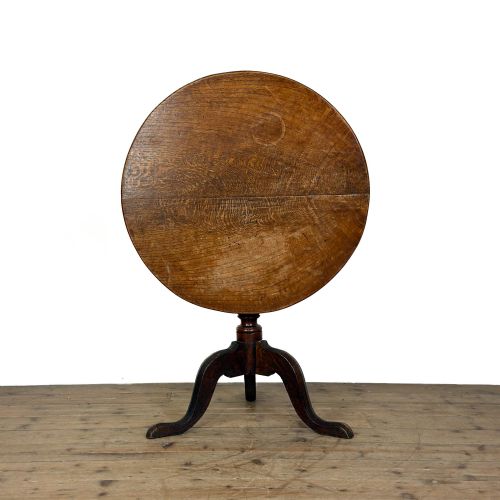
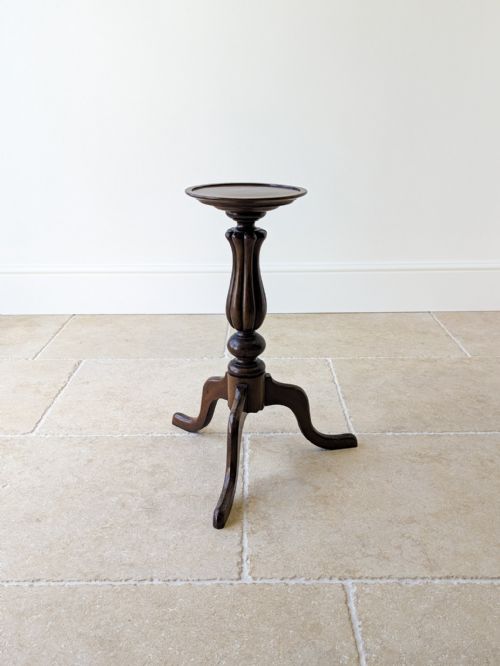
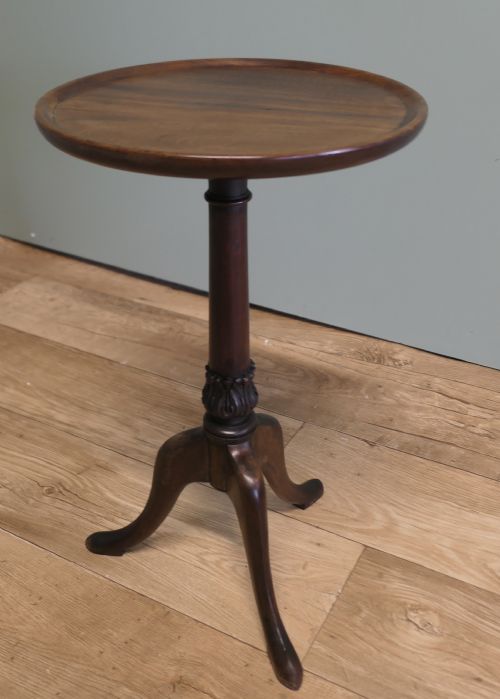
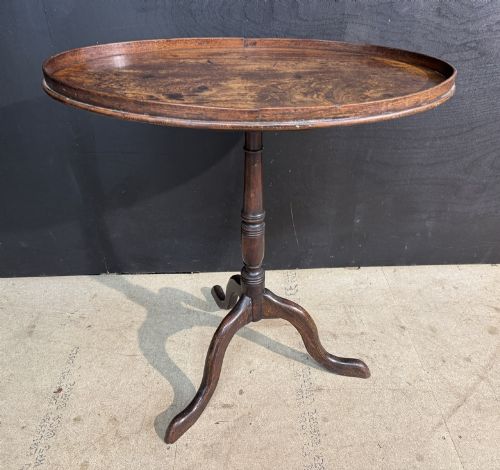
When you search for a cabriole leg candle table, you look at small, raised surfaces designed to hold illumination or small items beside seating. These pieces appear most frequently from the Georgian and Victorian eras, often taking the form of wine tables, occasional tables, or small tripod tables.
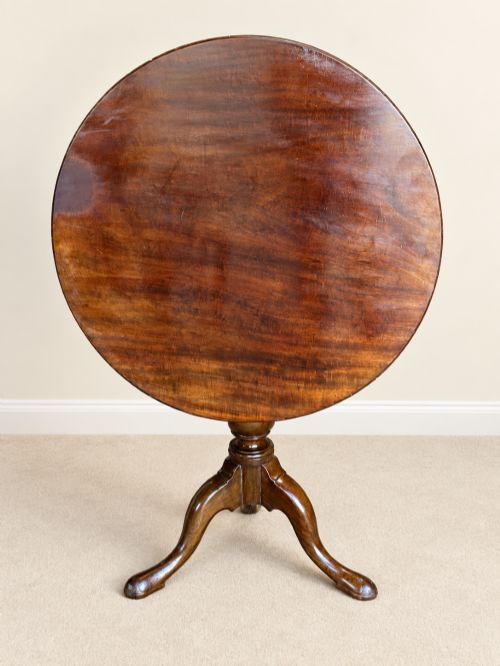
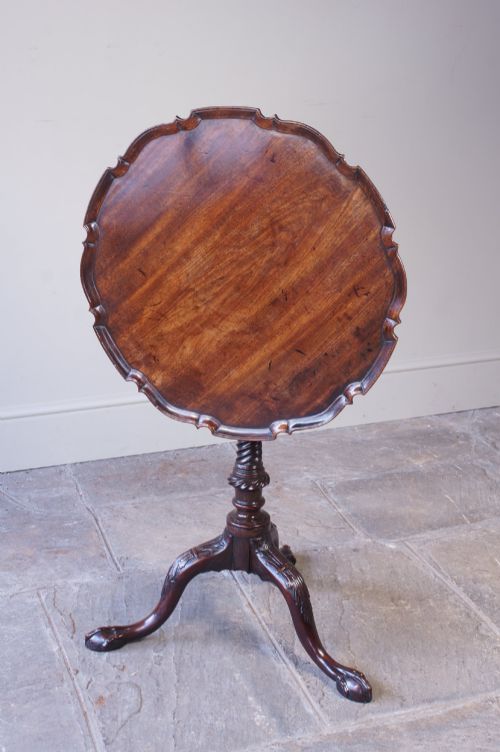
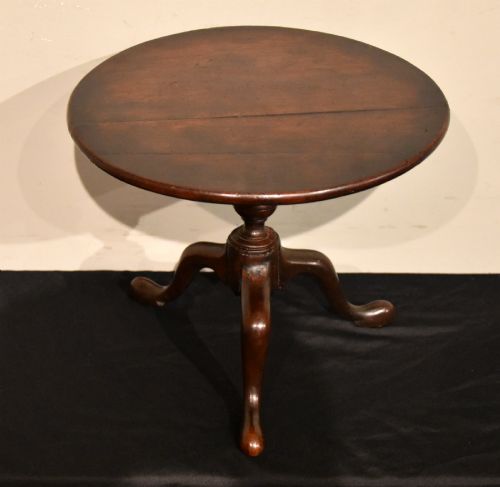
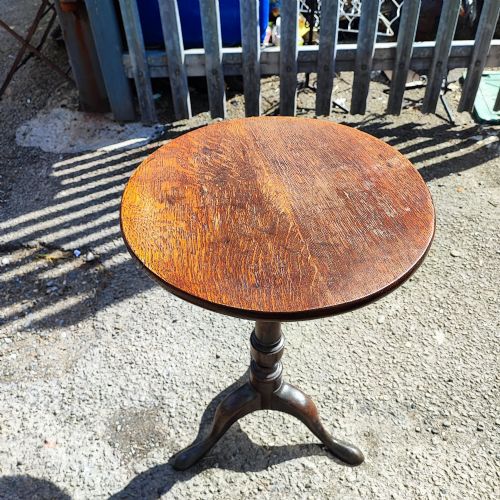
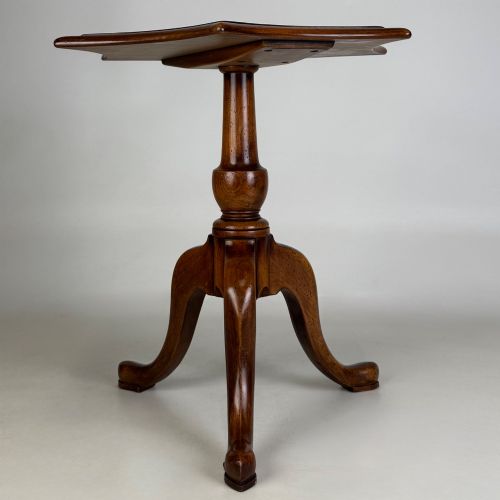
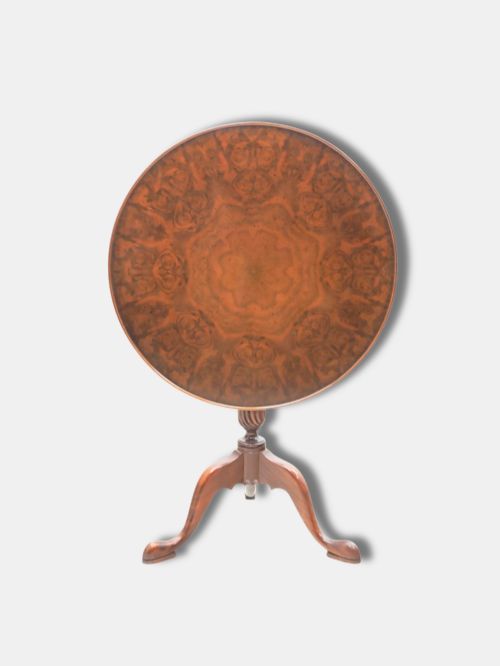
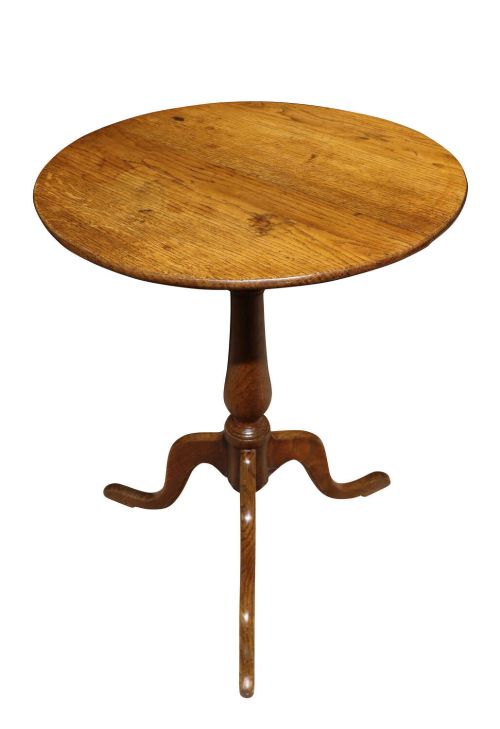
The form typically rests upon three slender legs curving outward and tapering gracefully downward to simple or pad feet. The tops range from circular tray designs and pie crust edges to plain timber discs, sometimes configured to tilt or snap shut when not in use.
Materials and Construction
Cabinet makers relied primarily on dense timbers such as mahogany, oak, and walnut, occasionally turning to fruitwood, elm, or burr walnut veneer for distinct grain patterns. Solid hardwoods provided the necessary strength for slender turned columns and sweeping tripod bases without excessive bulk.
Joinery involved precise turning on the lathe for the central pillar and careful hand-carving for the curved leg profiles. Mechanisms such as birdcage actions and tilt-top pivots utilised small brass catches and wooden blocks to allow the tabletop to rotate and fold flat.
Some tables feature tiny hidden wooden catches that release with a satisfying click, ready for a midnight read.
Assessing Quality and Execution
The refinement of the leg profile and the crispness of the turning on the central column set finer examples apart from simpler utilitarian pieces. Superior tables demonstrate harmonious proportions where the spread of the tripod base balances the diameter of the top.
Timber selection and surface finish dictate the overall presence of the piece, with well-figured grain and deep patination indicating careful selection by the original maker. The integration of functional mechanisms like the birdcage pivot requires tight tolerances and smooth movement without wobble.
The Cabriole Leg Candle Table Glossary
- Cabriole leg
- A furniture leg that curves outward at the knee and tapers inward toward the ankle, mimicking an animal's leg. This style became prominent during the Georgian period.
- Tripod base
- A support structure consisting of three legs radiating from a central pillar. It ensures stability on uneven floorboards.
- Tilt-top
- A hinged tabletop mechanism allowing the surface to pivot upright for storage against a wall. This saved valuable floor space in smaller rooms.
- Birdcage
- A rotating wooden frame beneath the tabletop that allows the surface to turn and tilt. It is typically found on finer Georgian examples.
- Pie crust edge
- A raised, decorative margin carved into the circumference of a circular tabletop with undulating curves. It prevented small items from rolling off.
- Snap-top
- A spring-loaded or latched catch securing a tilt-top table in its horizontal position during use. It prevents the surface from tipping unexpectedly.
Cabriole Leg Candle Table: Frequently Asked Questions
What is a cabriole leg candle table used for?
These small tables were originally positioned near seating or beds to hold lighting devices such as candles or oil lamps. Their compact surfaces also served drinkers and readers needing a convenient spot for a glass or book.
Today, they function well as decorative lamp stands or bedside tables in smaller spaces. Their modest footprint allows them to tuck easily into corners or beside armchairs.
How do I date an antique candle table?
Dating relies on examining the timber species, construction methods, and tool marks visible beneath the top and inside the base. Earlier 18th-century pieces often show hand-cut joinery and signs of age-related timber shrinkage.
Later 19th-century revival pieces may display machine-sawn components and standardised fixings. Comparing the turning style and leg profile against known period examples helps narrow down the decade of manufacture.
How do I maintain the wood surface?
Regular dusting with a soft, dry cloth preserves the finish and prevents abrasive particles from dulling the timber. Applying traditional beeswax periodically feeds the wood and enhances the natural patination built up over decades.
Keep the table away from direct heat sources and strong sunlight to prevent the timber from warping or splitting. Using coasters protects the polish from moisture rings.