






Cabinet of Curiosities Display
A cabinet of curiosities display brings together natural specimens and manufactured objects inside glass and timber.

Cabinet of Curiosities Display
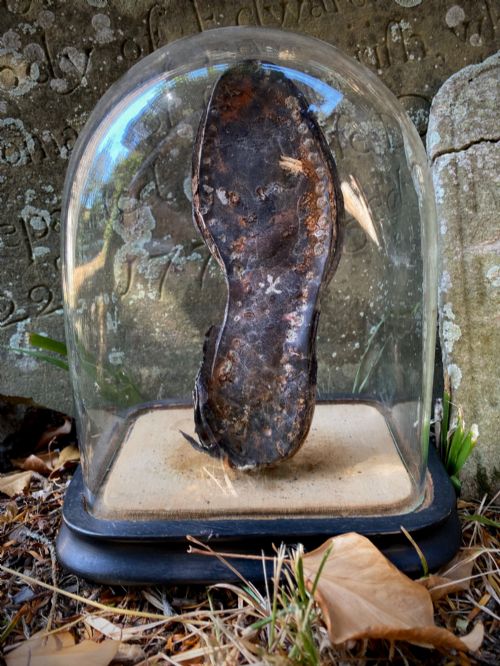
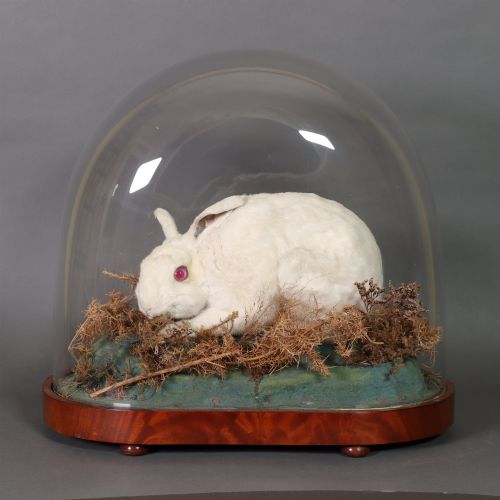
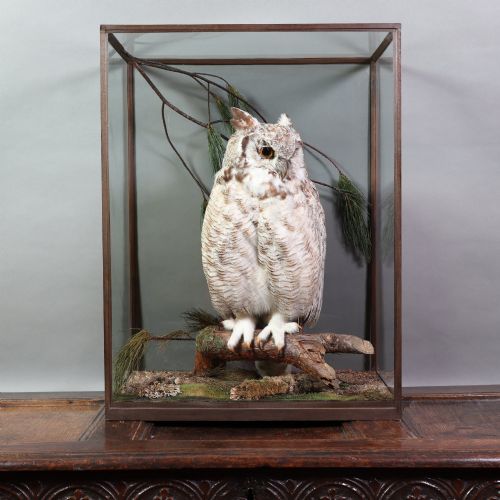
A cabinet of curiosities display gathers natural specimens, taxidermy birds, and collected objects into dedicated enclosures. These pieces range from Victorian taxidermy cases to Edwardian mahogany display tables and glass domes.
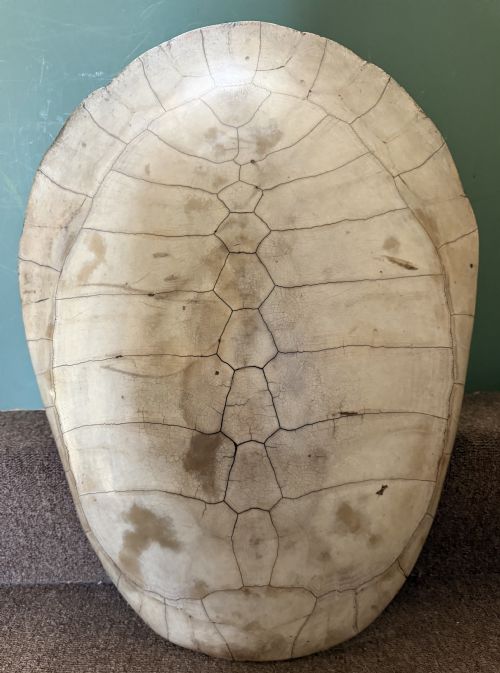
The selections on this page lean heavily towards nineteenth-century natural history specimens, including owls, parrots, butterflies, and coral specimens. Alongside these sit bijouterie tables and vitrines designed specifically to house small artefacts.
How They Were Made
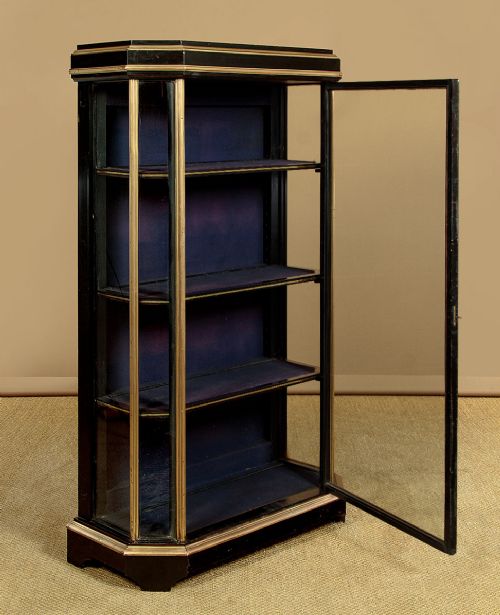
Cabinet makers utilised timbers such as mahogany, satinwood, and ebonised wood to build vitrines, bijouterie tables, and table-top cases. Glass domes and fitted oak or mahogany cases were constructed to protect delicate taxidermy and specimen collections.
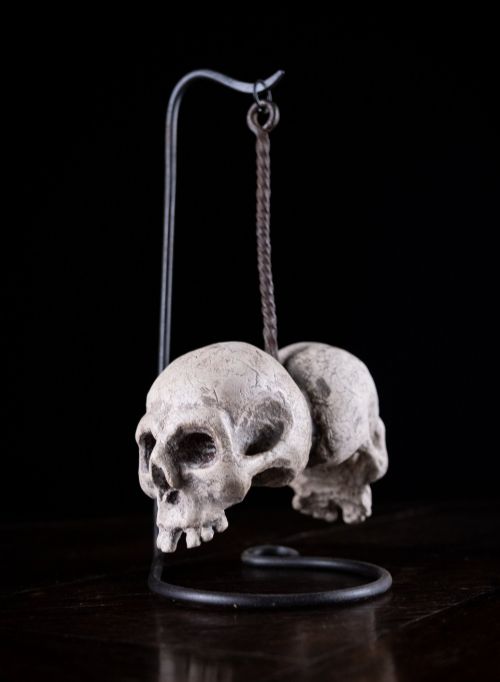
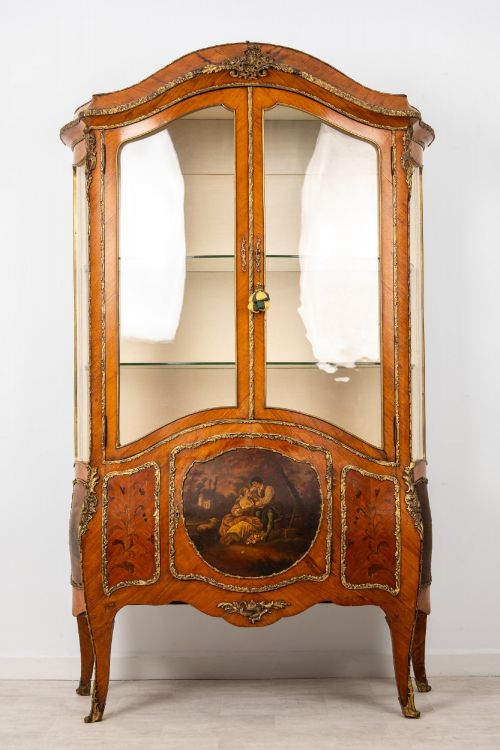
Internal arrangements incorporated fabric, velvet, and painted backdrops to frame birds, insects, and skulls. Marquetry inlay, ormolu mounts, and mother-of-pearl detailing adorned the exterior cabinetry of French and English pieces.
Cabinet of Curiosities Display Retail Price Guide 2026
Typical asking prices for cabinet of curiosities display among the pieces listed under this phrase on Sellingantiques today, from the lower quarter to the upper quarter. They describe what is for sale here now, not the wider market.
Among the feathers and bones, a remarkably patient pet dog stands preserved by an Aberystwyth taxidermist.
What Varies In Quality
The standard of taxidermy taxidermy preservation and the naturalism of the setting dictate the merit of biological specimens. Master taxidermists arranged birds and mammals with anatomical precision inside well-proportioned glass cases.
Cabinet construction relies upon timber selection and joinery detail, distinguishing standard utility cases from marquetry-inlaid satinwood vitrines and bespoke bijouterie tables with intricate glasswork.
James Gardner of London·Rowland Ward Ltd·Henry Ward London·Hutchings of Aberystwyth
The Cabinet of Curiosities Display Glossary
- Vitrine
- A glass-fronted display cabinet used for holding curiosities and precious objects. These pieces allow clear visibility from multiple angles while protecting contents from dust.
- Bijouterie table
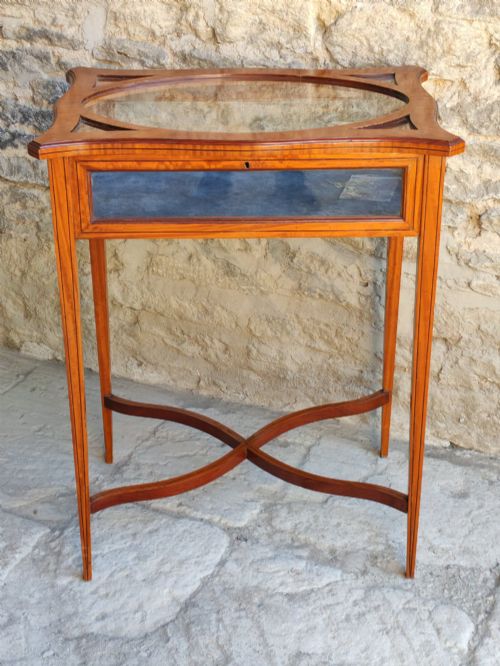
- A low display table featuring a glazed top and a shallow compartment for small artefacts and jewellery. They emerged in various wood forms during the nineteenth and early twentieth centuries.
- Cloche
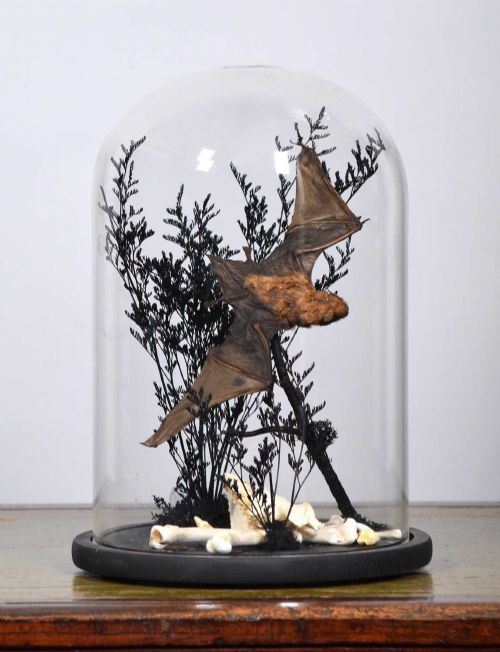
- A bell-shaped glass cover set on a base to shelter delicate specimens. They became popular in domestic interiors for preserving taxidermy birds and fragile flora.
- Entomology case
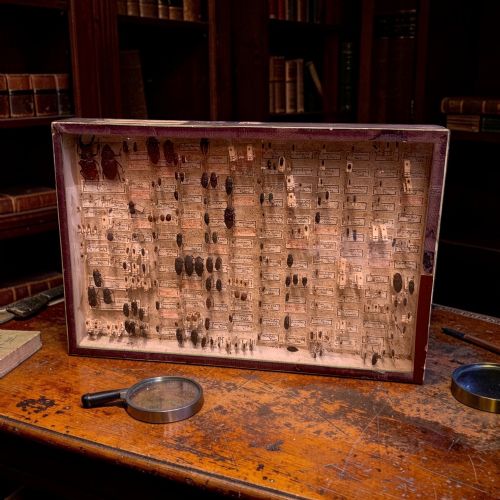
- A shallow wooden box fitted with glass to house insect collections such as butterflies and beetles. These enclosures protected specimens from light and humidity.
- Ormolu
- Gilded bronze mounts applied to furniture and cabinet exteriors. This decorative technique added metallic enrichment to French and English display pieces.
Cabinet of Curiosities Display: Frequently Asked Questions
What is a cabinet of curiosities display?
A cabinet of curiosities display is an assemblage or housing unit for natural history specimens, fossils, and artefacts. These collections originated as private rooms or cabinets reflecting the natural world.
Today, the term covers glass domes, wall cases, and display tables built to showcase individual specimens or mixed collections.
How were display domes used historically?
Display domes were placed over taxidermy birds, shells, and wax models to protect fragile items from dust and handling. The glass covers sat upon wooden or velvet-lined bases.
Victorian households utilised these glass enclosures to exhibit colourful exotic birds and botanical specimens in domestic parlours.
What items belong in a curiosity cabinet?
Curiosity cabinets traditionally housed natural history specimens alongside human-made artefacts. Common contents include taxidermy, coral, shells, fossils, and teaching models.
Collectors gathered unusual items from global travels to exhibit alongside scientific instruments and anatomical specimens.
How do I date an antique display cabinet?
Dating relies on timber choices, construction techniques, and hardware styles. Victorian pieces frequently feature dark ebonised woods or heavy mahogany, whereas Edwardian examples often use lighter satinwood and inlay.
Maker labels pasted inside cases or stamped signatures on taxidermy mounts provide precise attribution.