
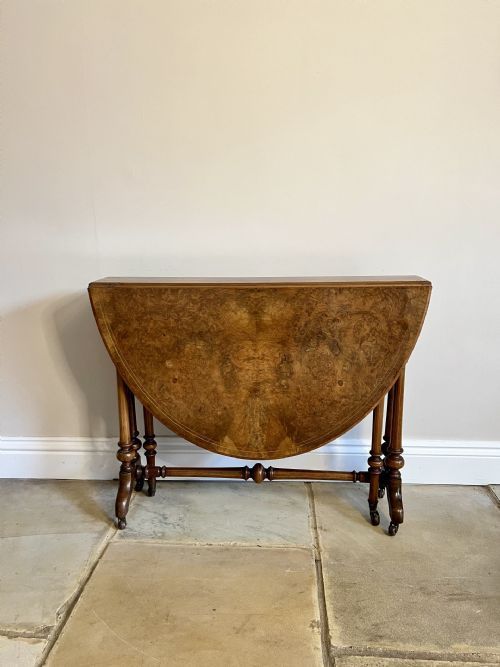


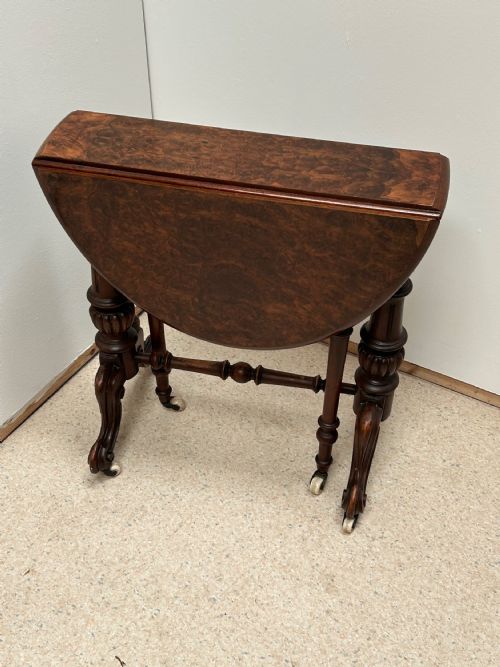


Burr Walnut Sutherland Table
These burr walnut sutherland table examples bring folding drop-leaf versatility to nineteenth-century rooms through rich timber figure.
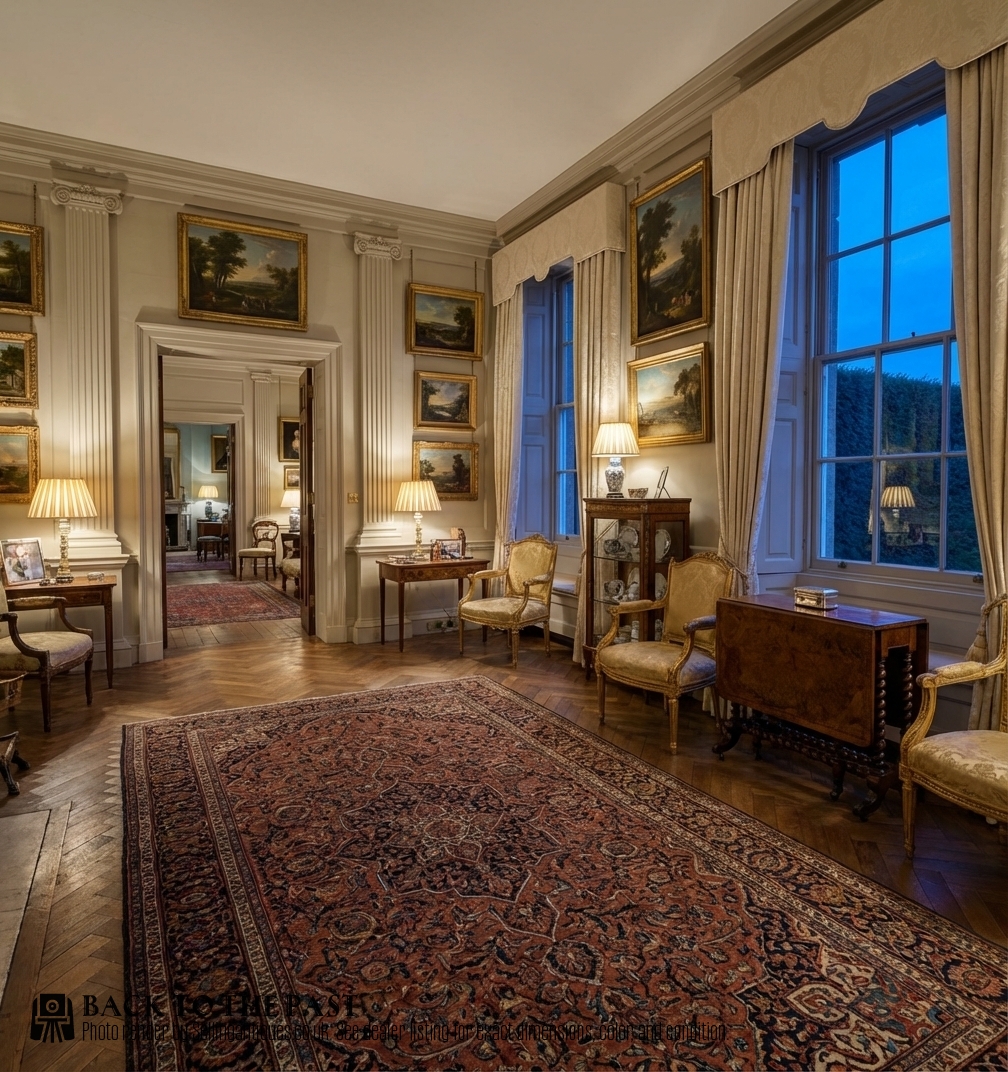
Burr walnut sutherland table forms
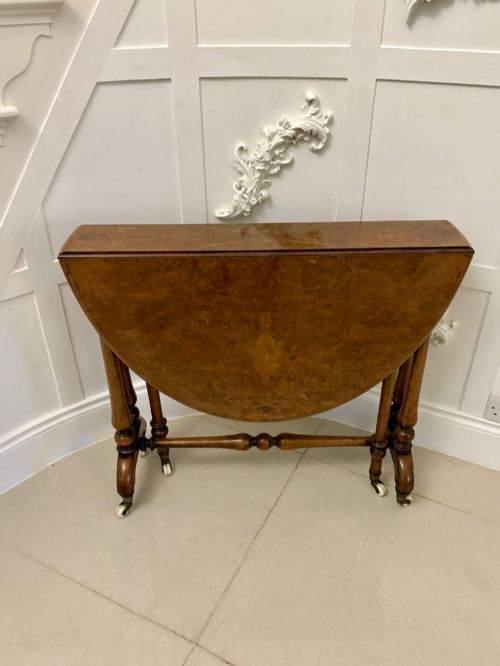
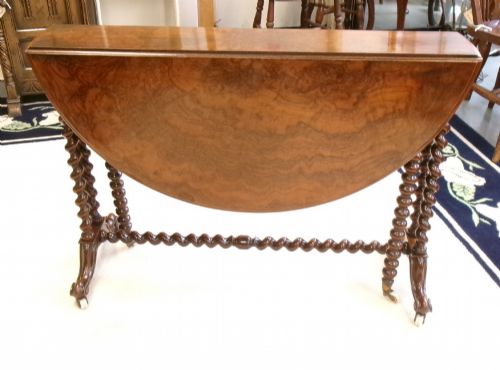
A burr walnut sutherland table is a narrow drop-leaf occasional piece designed to fold flat when not in use. The examples seen here belong to the Victorian period and the nineteenth century, functioning as side, lamp, or coffee tables.
Most pieces on this page take the form of standard or smaller baby proportions, sometimes with shaped or oval tops. They offer seating for multiple people when fully opened on their hinged gate-leg supports.
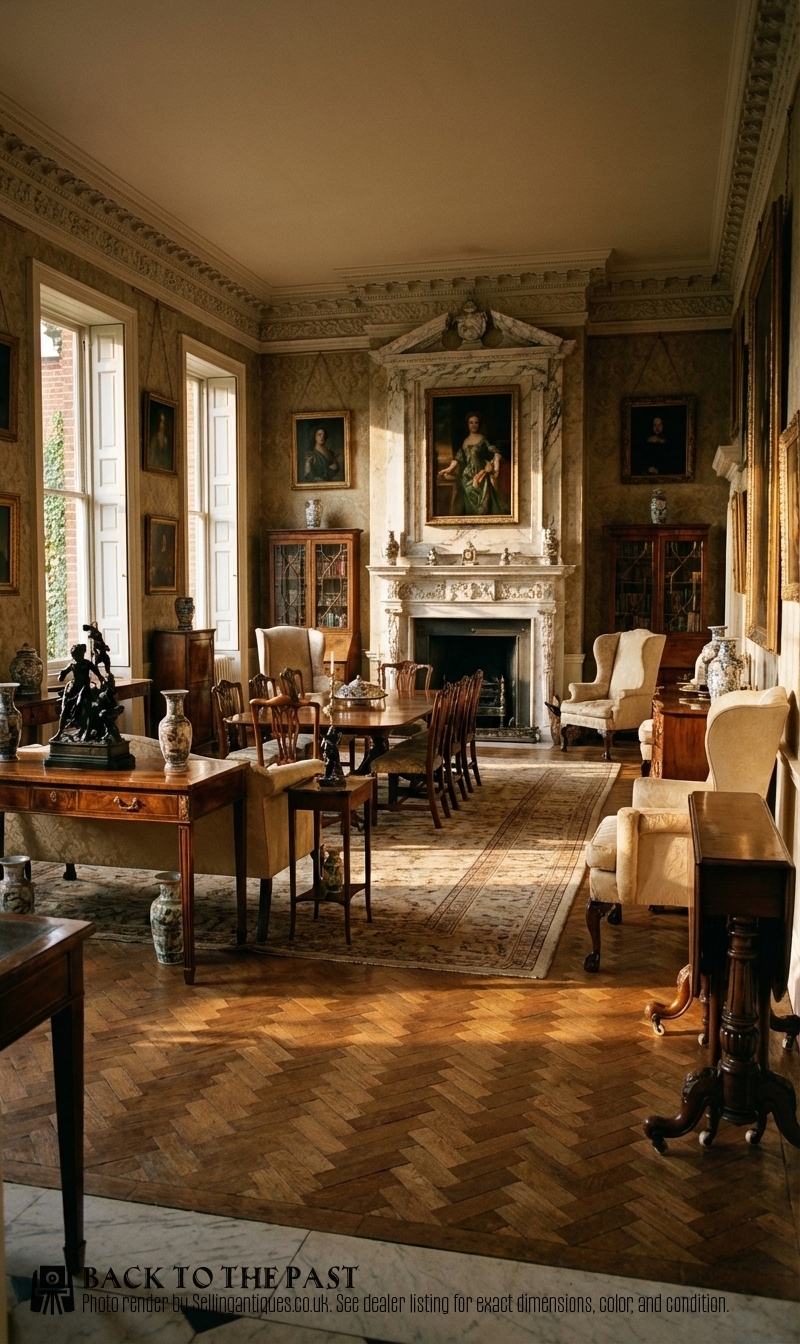
Materials and construction
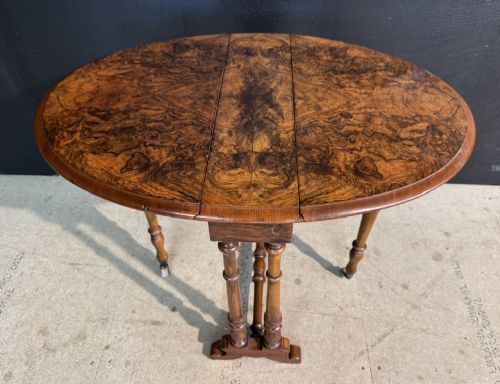
Cabinet makers utilised burr walnut and plain walnut veneers to cover the primary surfaces, laying the timber to create decorative grain patterns. Boxwood stringing and floral marquetry inlay appear on selected tops to enhance the visual depth.
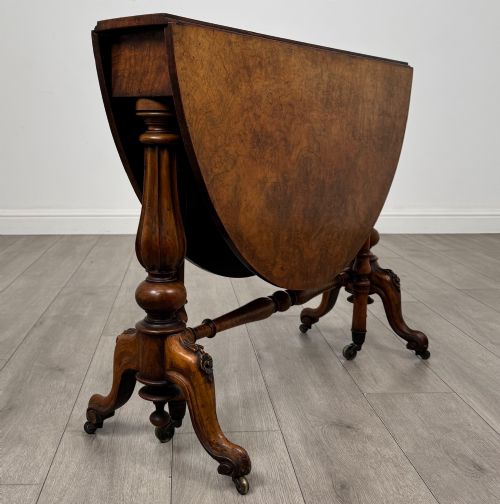
Support structures integrate brass and ceramic castors on the feet, allowing the drop leaves and folding legs to move smoothly. Joinery relies on traditional nineteenth-century framing techniques to bear the weight of the hinged leaves.
Retail Price Guide 2026
Typical UK retail prices for burr walnut sutherland table, calculated from the Sellingantiques database of over a million retail prices indexed since 2003. This retail price guide relies exclusively on Sellingantiques data; no external sources or auction records are used, so the figures do not describe the wider market.
Every listed and archived sutherland table on this site dates to the Victorian period or the nineteenth century, constructed primarily in burr walnut.
Judging quality in sutherland tables
The distinction between standard examples and the finest pieces rests on the choice of burr walnut veneer and the crispness of any inlaid marquetry or boxwood stringing. Superior tables show a dense, swirling grain pattern across the entire top surface without heavy restoration.
Engineering of the folding action and the stability of the gate-leg mechanism dictate the daily utility of the table. Examples described as fine or outstanding maintain tight joints and smooth movement in the drop-leaf hinges.
The Burr Walnut Sutherland Table Glossary
- Sutherland table
- A narrow drop-leaf occasional table with hinged leaves that fold almost vertically, supported by swing legs. It was developed during the Victorian era for multi-use domestic spaces.
- Burr walnut
- A prized timber veneer obtained from tree growths where the grain has swirled into intricate patterns. It provides a highly decorative surface for nineteenth-century furniture tops.
- Marquetry
- The art of applying pieces of veneer to a structure to form decorative patterns and pictures. Floral designs are common on nineteenth-century walnut tables.
- Boxwood stringing
- Thin inlay lines of pale boxwood set into darker walnut surfaces to create geometric borders. This technique highlights the edges of table tops and legs.
- Baby Sutherland
- A smaller scale version of the standard drop-leaf table. These compact pieces serve as lamp or coffee tables in modern rooms.
Frequently Asked Questions
What is a burr walnut sutherland table?
A burr walnut sutherland table is a nineteenth-century drop-leaf occasional piece featuring hinged leaves and folding gate-legs. The timber displays characteristic swirling grain patterns across the top.
These tables were designed to save space in Victorian homes by folding flat when not in use. Today they function as flexible side or coffee tables.
How do the drop leaves work?
The top consists of a fixed centre section with two wide hinged leaves on either side. Pulling up the leaves swings out additional supporting legs from the central frame.
This mechanism allows the table to expand from a very narrow profile into a larger surface suitable for tea or four seats.
Are these tables from the Victorian era?
The available evidence shows these pieces originate from the nineteenth century and the Victorian period. They reflect the high Victorian demand for decorative figured woods like walnut.
Craftsmen often embellished these tables with boxwood stringing or floral marquetry inlay to suit contemporary tastes.
How do I use a baby sutherland table today?
A baby sutherland table works well as a compact lamp or coffee table because of its reduced dimensions. The folding leaves allow you to adjust its footprint depending on the room layout.
The casters on the feet make it simple to move across carpets and wooden floors during daily use.