

Burr Walnut Fall Front
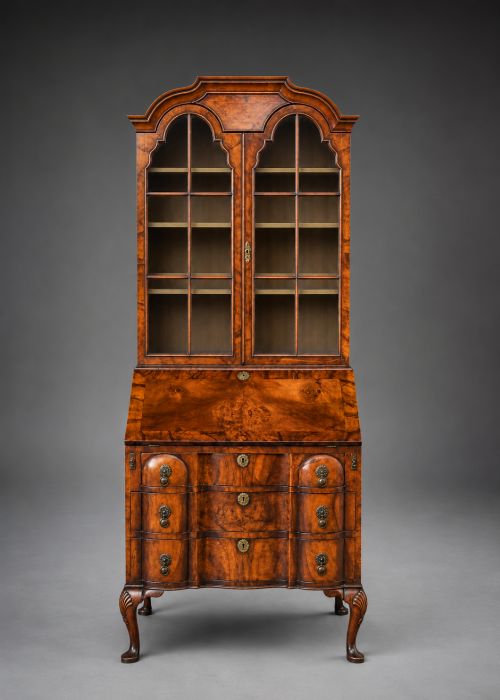
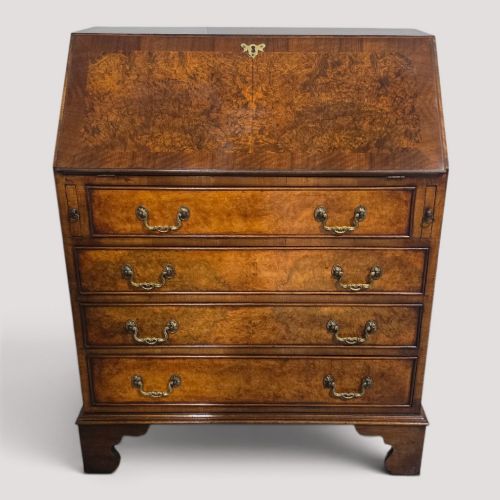
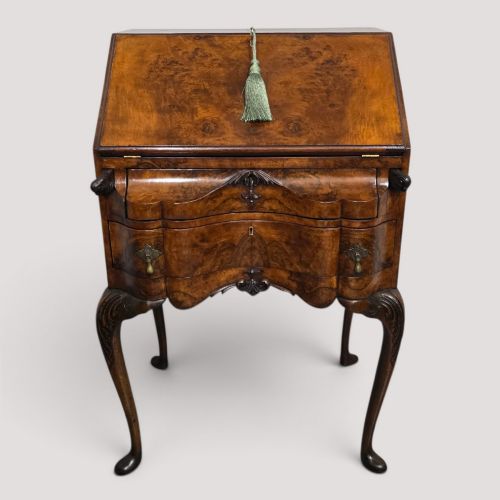
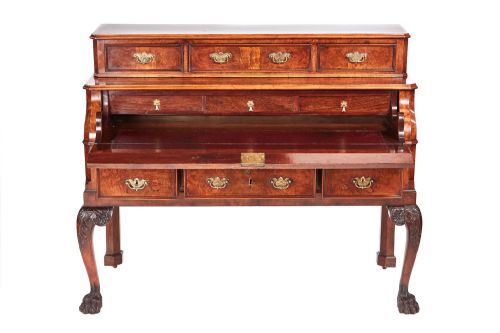
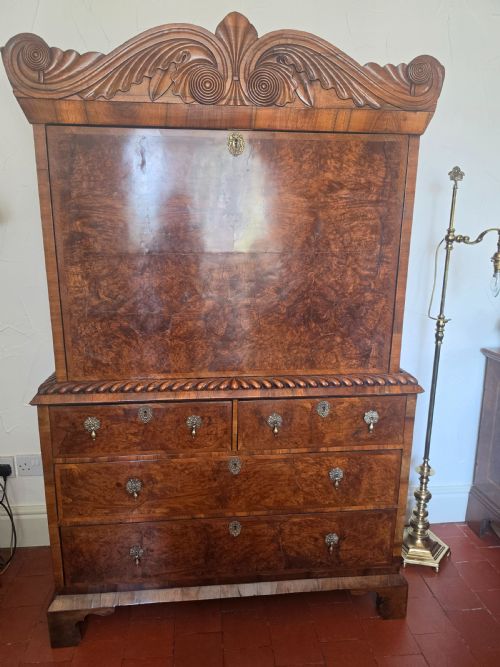
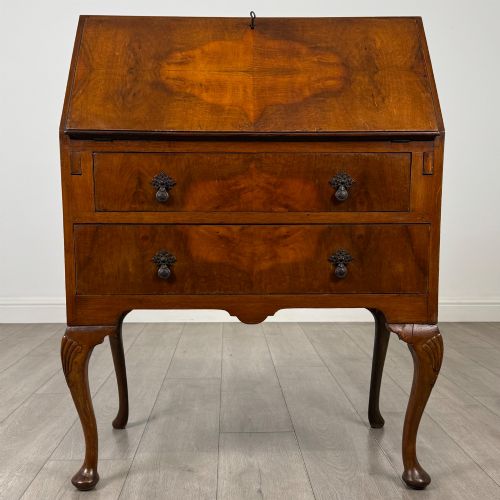
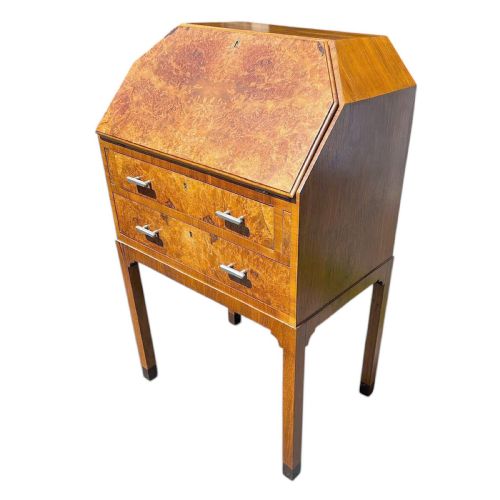
These pieces of burr walnut fall front furniture combine a sloping writing flap with figured veneers, offering practical surface space and concealed storage.
Burr Walnut Fall Front
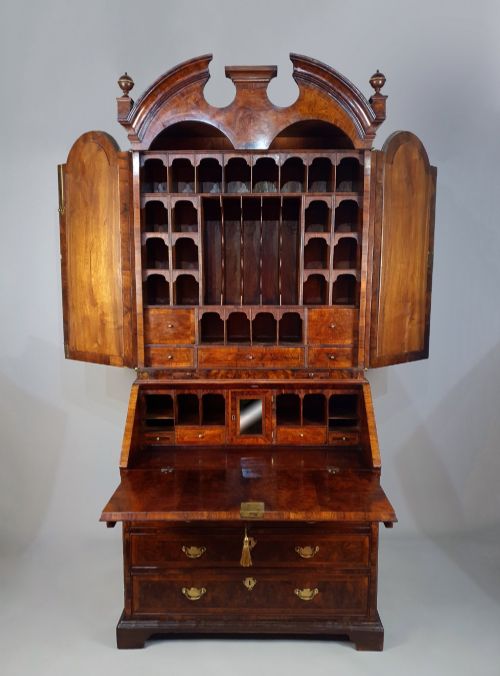
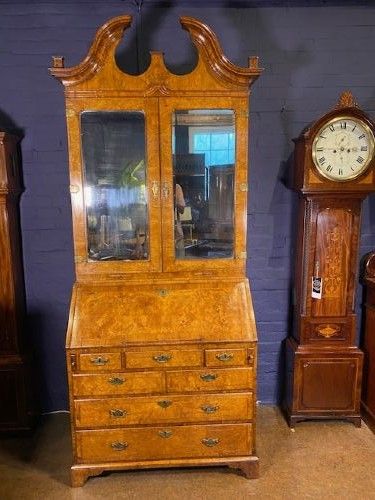
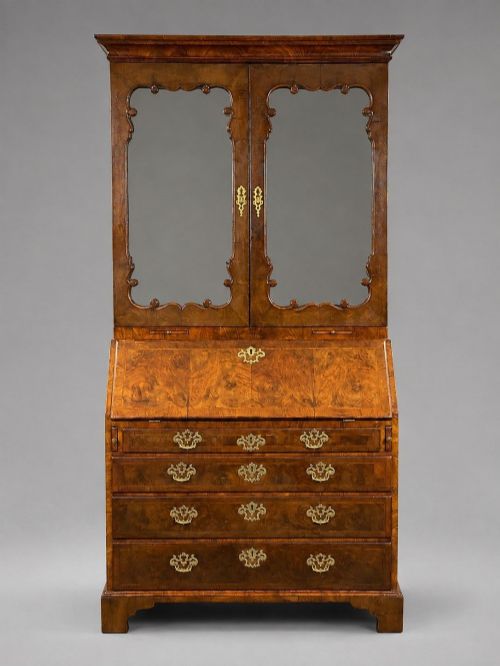
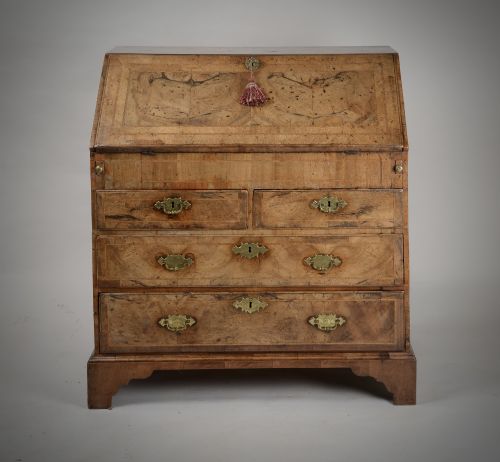
When you search for burr walnut fall front items, you encounter writing furniture designed with a hinged writing slope that conceals internal compartments. These forms range from compact fall front desks to tall bureau bookcases with glazed upper sections.
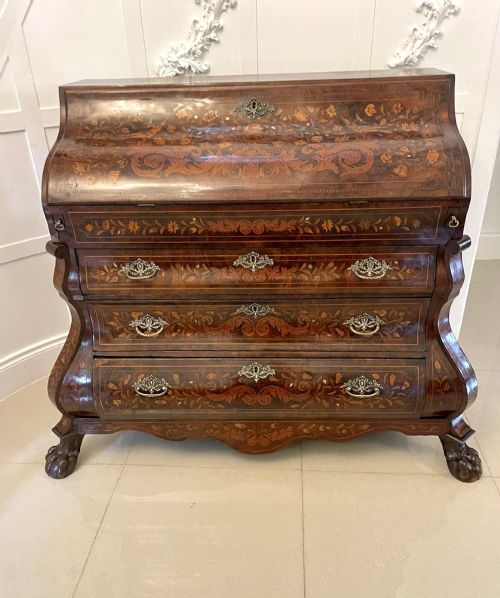
The pieces appearing on this page span several centuries, with prominent examples originating in the 17th, 18th, and 19th centuries, alongside later Edwardian and Art Deco interpretations. Queen Anne, George I, and George II styles appear frequently alongside Dutch Baroque influences.
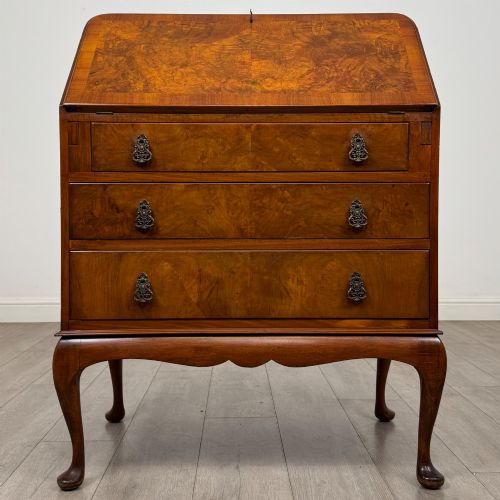
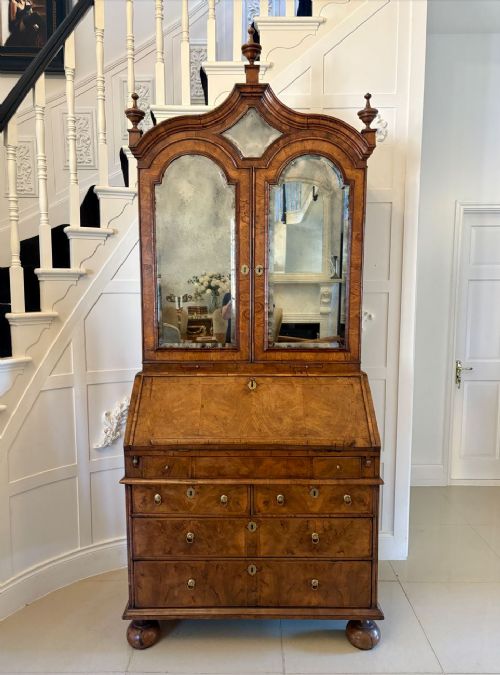
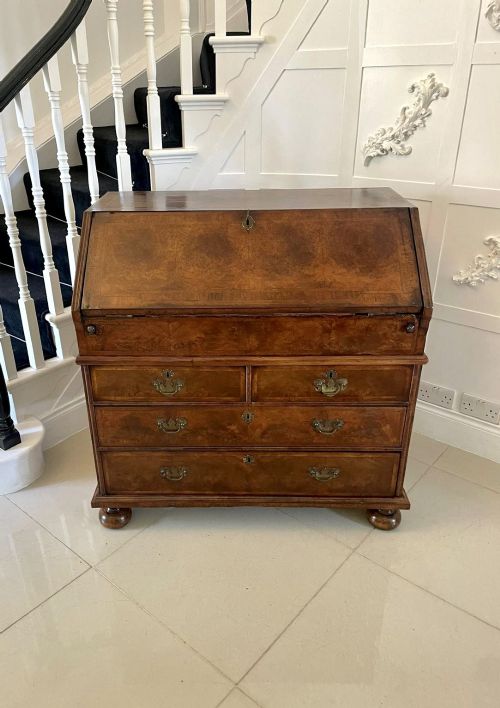
Most items combine a fall front writing flap with drawers beneath, though some take the form of secretaire chests, escritoires, or bureau bookcases divided into upper and lower parts. These varied configurations served domestic writing and storage needs across multiple periods.
Materials and construction methods
Cabinet makers utilised choice walnut timbers and burr walnut veneer, selecting sections with swirling grain patterns to cover primary surfaces. Artisans frequently applied herringbone inlay, featherbanding, and floral marquetry to enhance the decorative scheme of the fall front panel.
Secondary structural timbers such as oak support the internal partitions, pigeonholes, and small drawers revealed when the fall front opens. Brass hardware, including drop handles and escutcheons, secures the drawers and doors across these desks and bookcases.
Listings feature burr walnut fall front pieces spanning from the 17th century through the Georgian and Victorian eras, up to Edwardian and Art Deco forms.
Distinctions in quality and execution
The visual strength of a burr walnut fall front desk relies heavily on the matching and balance of the veneer panels across the front and sides. Skilled cabinet makers laid symmetrical patterns that followed the contours of the fall front lid and drawer fronts.
Internal complexity sets finer examples apart, particularly fitted interiors featuring secret compartments, shaped pigeonholes, and sliding wells. The precision of the dovetail joinery in the hidden drawers and the execution of inlay work indicate the level of craftsmanship invested in the piece.
The Burr Walnut Fall Front Glossary
- Burr walnut
- A veneer sliced from the gnarly growth of a walnut tree, prized for its intricate, swirling grain patterns. Cabinet makers selected these figured sections for the most prominent exterior surfaces.
- Fall front
- A hinged writing flap that drops down to form a horizontal desk surface. It conceals pigeonholes, small drawers, and compartments when closed.
- Featherbanding
- A type of banding inlay made by cutting thin strips of veneer diagonally and arranging them in a V-shape pattern. This technique frames drawer fronts and fall front panels.
- Bureau bookcase
- A two-part cabinet combining a lower writing desk with a fall front and an upper bookcase section, often enclosed by glazed doors. These tall items provided both storage and workspace.
- Escritoire
- A tall writing cabinet featuring a fall front writing flap above lower drawers, originating in the late 17th century. This form resembles the bureau but often maintains a taller, more architectural silhouette.
Burr Walnut Fall Front: Frequently Asked Questions
What is inside a fall front bureau?
Opening the fall front reveals an arrangement of small drawers, pigeonholes, and central compartments designed for paperwork and stationery. Some interiors include secret compartments or sliding wells that provide access to hidden spaces.
Finer examples feature stepped drawers and carved cupboard doors within the desk interior, demonstrating the detailed work expected in high-status furniture from the 18th century.
How do I date a walnut bureau?
Dating relies on structural characteristics, timber choices, and hardware styles associated with periods like Queen Anne, Georgian, or Edwardian manufacture. Early 18th-century pieces often display herringbone banding and walnut drawer linings, while later revival pieces show different secondary timbers.
Examining the construction of the internal drawers, the type of dovetails used, and the thickness of the walnut veneer helps establish whether a piece belongs to the early 18th century or a later Edwardian revival.
Where were these desks placed?
These pieces functioned as private writing desks and storage cabinets in studies, drawing rooms, and bedrooms. The fall front provided a concealed workspace that kept correspondence private when closed.
In larger houses, bureau bookcases stood in parlours or libraries to display leather-bound volumes in the upper glazed section while storing writing materials below.
How do I care for burr walnut veneer?
Maintaining walnut veneer requires stable room humidity and protection from direct sunlight, which can fade the warm tones of the timber. Regular dusting with a dry, soft cloth preserves the polished surface without abrasive cleaners.
Applying a traditional beeswax polish occasionally helps nourish the wood and maintain the sheen on the figured veneer panels of the fall front.