
Burr Walnut Display Shelf
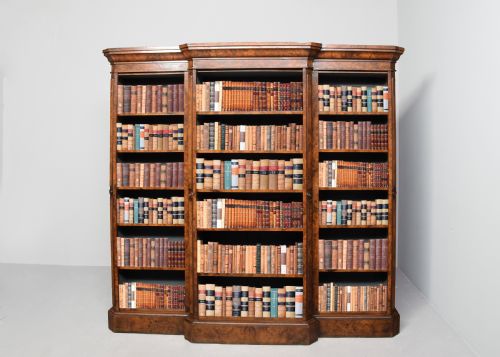
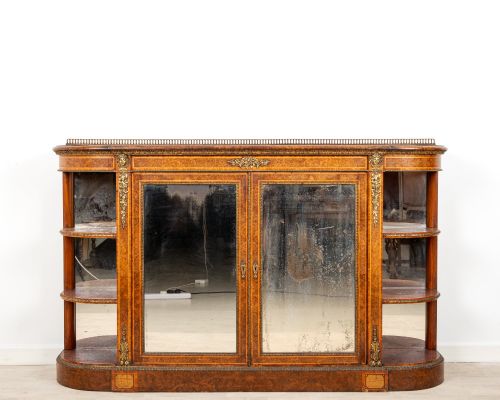
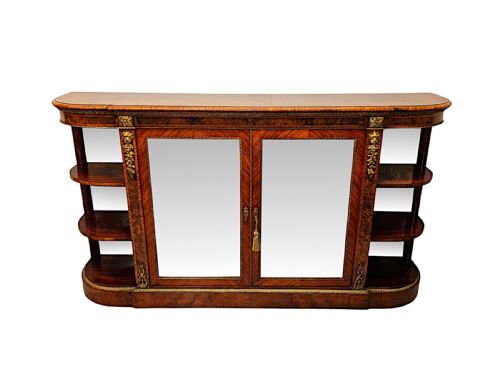
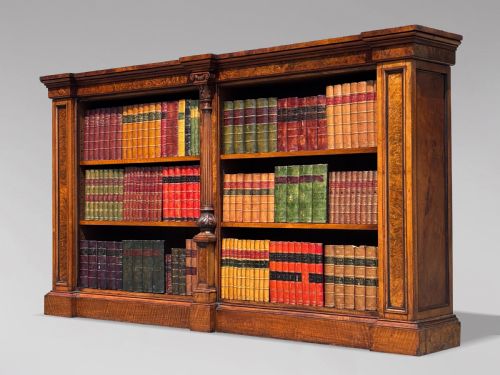
These burr walnut display shelf pieces combine striking timber figuring with open or glazed tiering, bringing warmth and refined storage to a room.
Burr Walnut Display Shelf
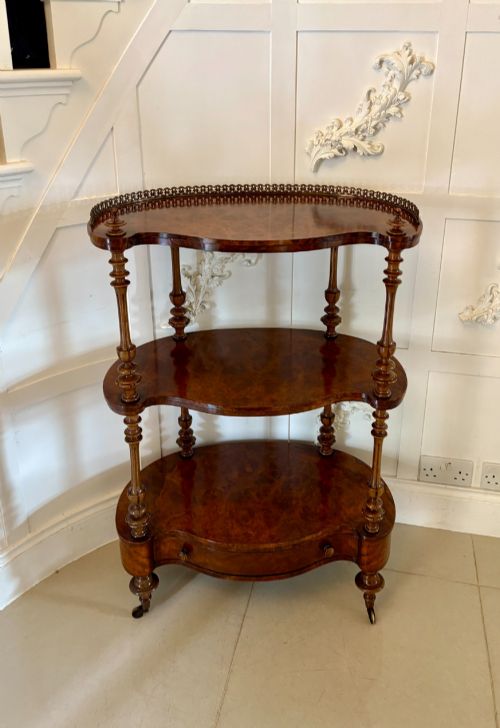
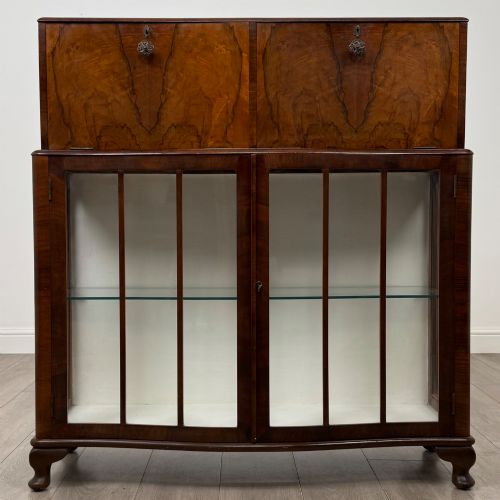
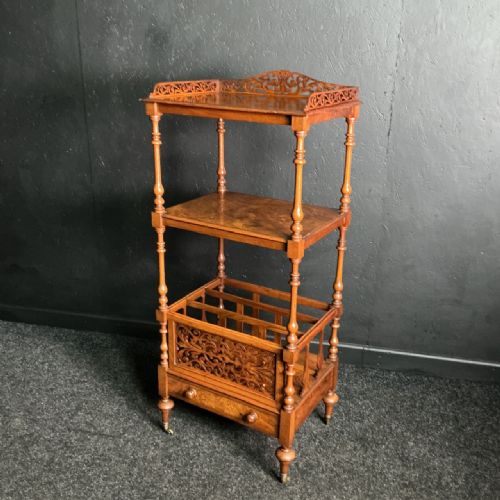
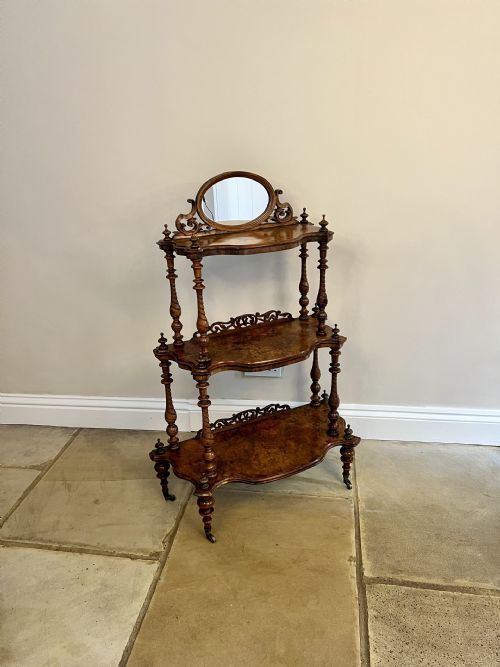
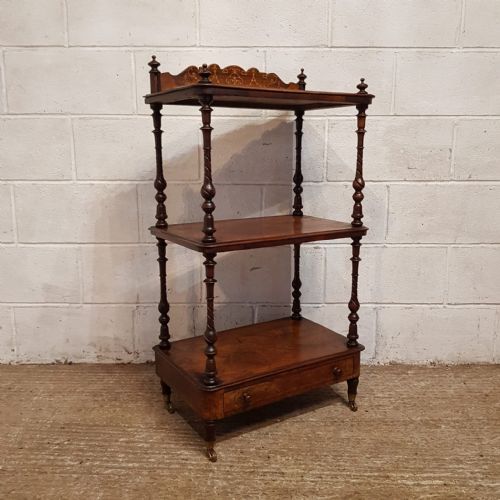
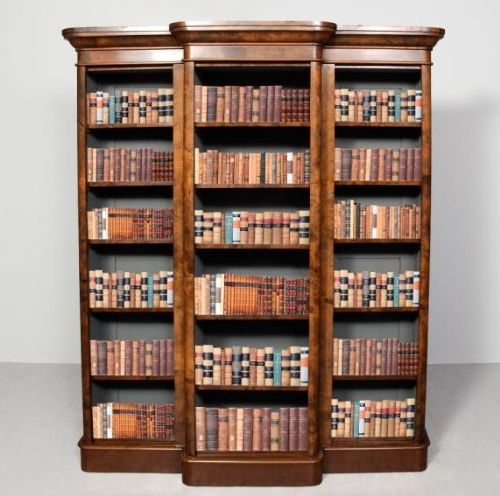
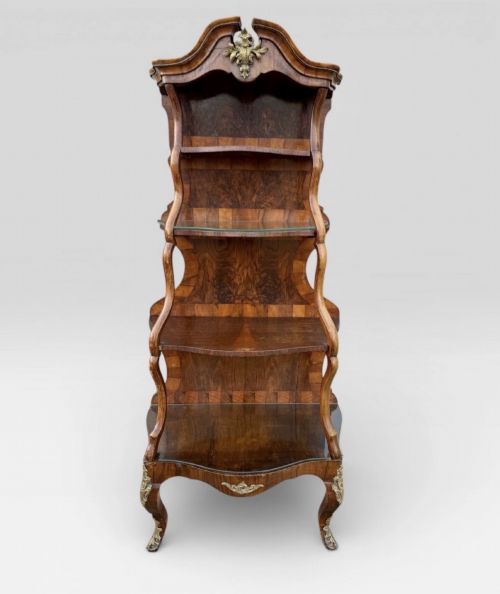
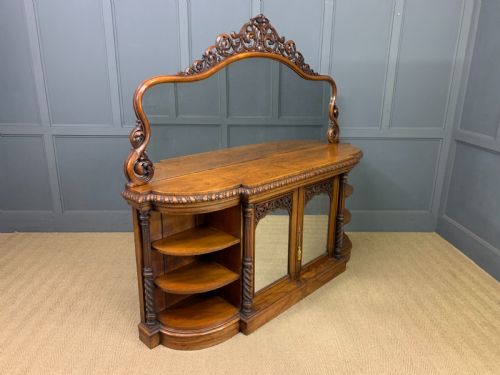
A burr walnut display shelf brings together varied forms such as whatnots, open bookcases, etageres, and credenzas originating from the Victorian, Edwardian, and William IV periods. These pieces serve to exhibit books, ceramics, and ornaments while providing functional storage through tiered shelving and cabinets.
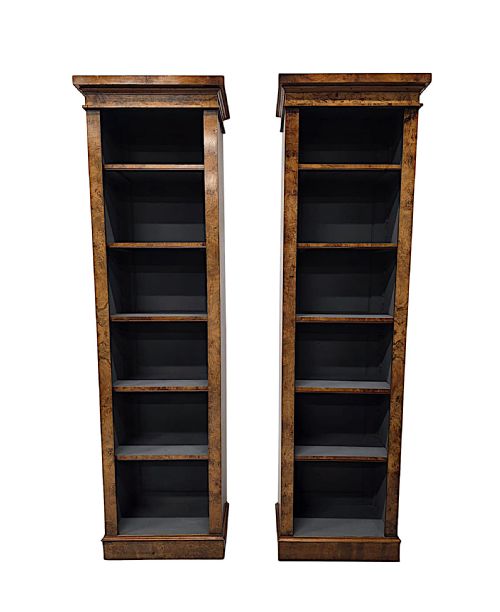
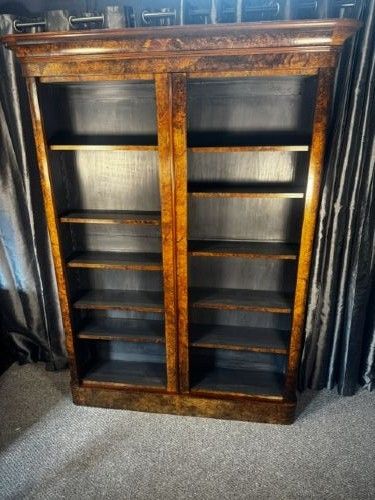
Buyers will most frequently encounter Victorian whatnots, open bookcases, and credenzas constructed from rich burr walnut timbers. Such items range from compact multi-tiered stands to large breakfront bookcases fitted with adjustable shelves.
The selection encompasses revivalist influences, including Queen Anne, Georgian, and Rococo styles alongside Art Deco interpretations. Each variation reflects the evolving domestic tastes for displaying decorative objects throughout the nineteenth and early twentieth centuries.
How They Were Made
Cabinet makers utilised highly figured burr walnut veneers applied over solid timber carcases to create swirling grain patterns on doors, shelves, and tabletops. Boxwood and ebony inlay often defined the borders and panels of these surfaces.
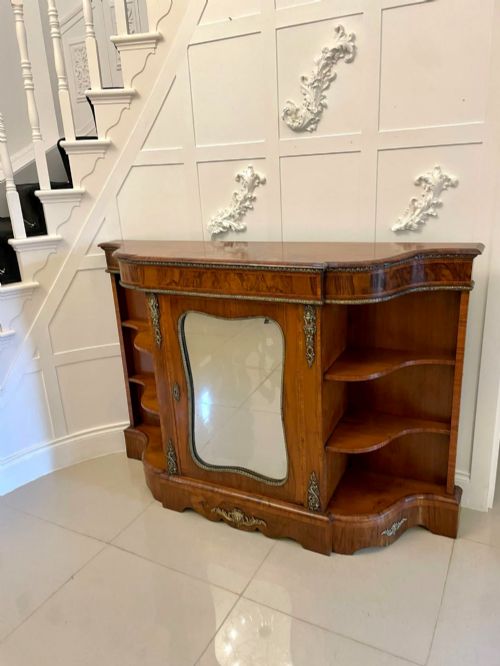
Ormolu mounts, gilt metal details, and brass hardware decorated credenzas, cabinets, and whatnots. Glass doors and mirrored backs appeared in many display-focused pieces to reflect light and enhance the visibility of contents.
Music cabinets occasionally masquerade as bookshelves until a drop-front reveals neat internal compartments once destined for Victorian sheet music.
What Varies in Quality
The density and symmetry of the burr walnut figuring dictate the visual impact of the piece, with carefully matched veneers marking superior examples. Finer constructions exhibit thoughtful placement of grain patterns across wide surfaces such as breakfront bookcase doors and tiered shelves.
Detailing in the mounts and joinery separates standard production from exhibition pieces. High-end examples incorporate finely chased ormolu, robust brass fittings, and precise boxwood inlay that remains intact across complex serpentine or breakfront shapes.
Gillows·Epstein·Druce & Co
The Burr Walnut Display Shelf Glossary
- Burr walnut
- Timber taken from the wart-like growth on a walnut tree, yielding intricate, swirling grain patterns. It is sliced into thin veneers for decorative furniture surfaces.
- Whatnot
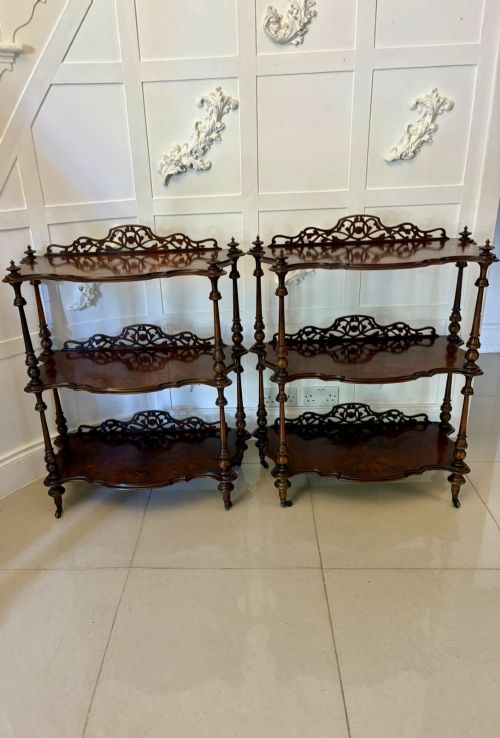
- A tiered set of open shelves used for displaying ornaments and books. These pieces rest on slender columns or supports and often feature a small drawer below.
- Credenza
- A low-standing cabinet designed for dining rooms or parlours, typically featuring mirrored or glazed central doors flanked by curved side compartments.
- Ormolu
- Gilt bronze mounts cast and applied to furniture corners, doors, and friezes. This technique adds metallic contrast to dark wood surfaces.
- Étagère
- A French term for a piece of furniture consisting of a set of open shelves for displaying small objects. They share similarities with English whatnots.
Burr Walnut Display Shelf: Frequently Asked Questions
How do I identify a Victorian bookcase?
Victorian bookcases often feature rich walnut veneers, glass-fronted doors, and adjustable shelving sections. Many examples from this era incorporate breakfront designs and gilt metal mounts.
Earlier nineteenth-century pieces may display simpler open shelving formats, while later Victorian items lean towards elaborate mirror-backed arrangements and inlaid stringing.
Where should I place an etagere?
An etagere suits corners or open wall spaces in living rooms and studies where its multi-tiered shelves can hold books and decorative items without dominating the room.
Because many examples include mirrored backs or open sides, positioning them near natural light sources helps illuminate the objects placed upon the shelves.
What is the difference between a credenza and a sideboard?
A credenza is traditionally a low-standing cabinet without legs, featuring central cupboard doors flanked by curved side compartments, often mounted with ormolu and glass.
Sideboards tend to be taller, frequently incorporating backboards, drawers, and larger cupboards intended primarily for dining room storage rather than display.