

Burr Walnut Desk Chest
A burr walnut desk chest combines rich, swirling timber with practical writing compartments, offering serious presence in a study.
Burr Walnut Desk Chest
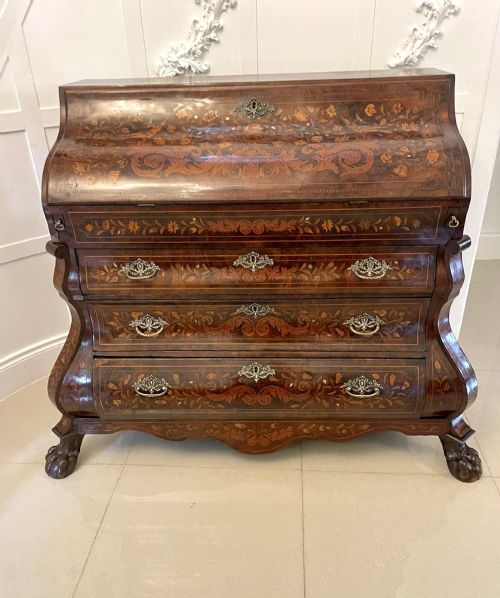
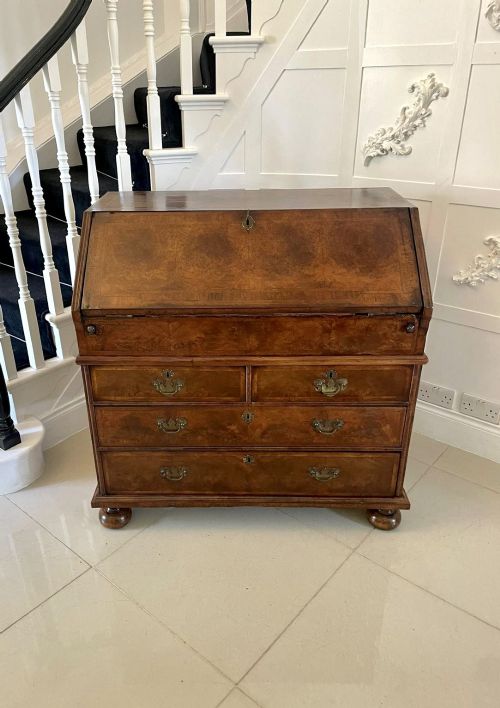
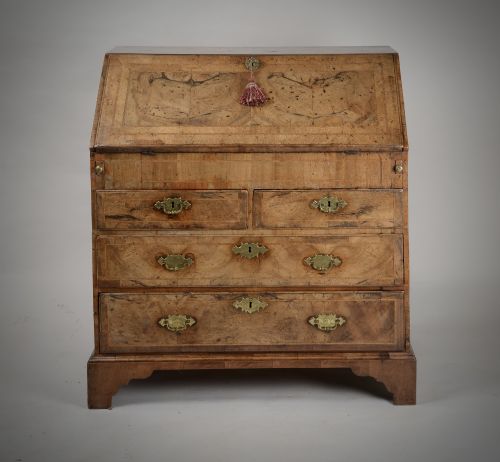
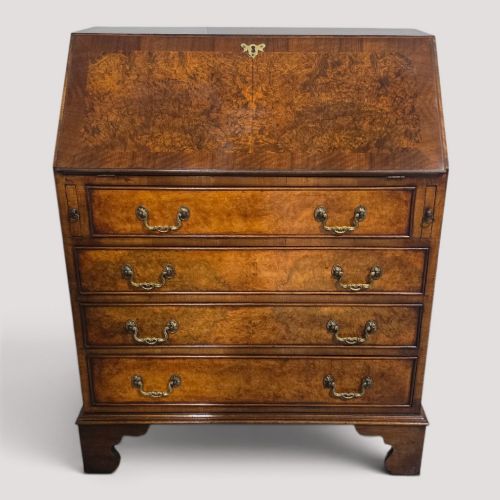
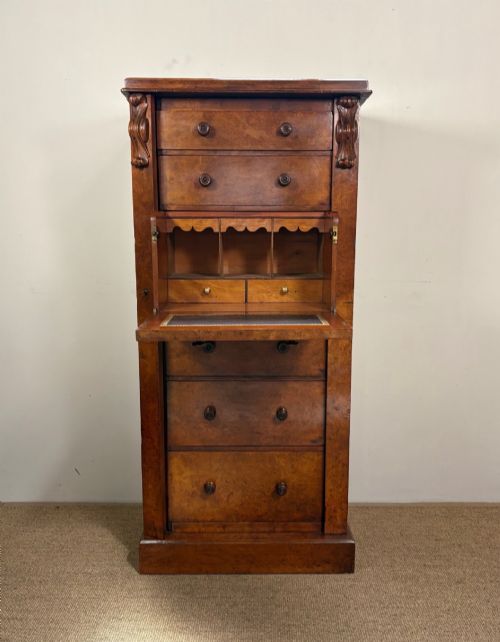
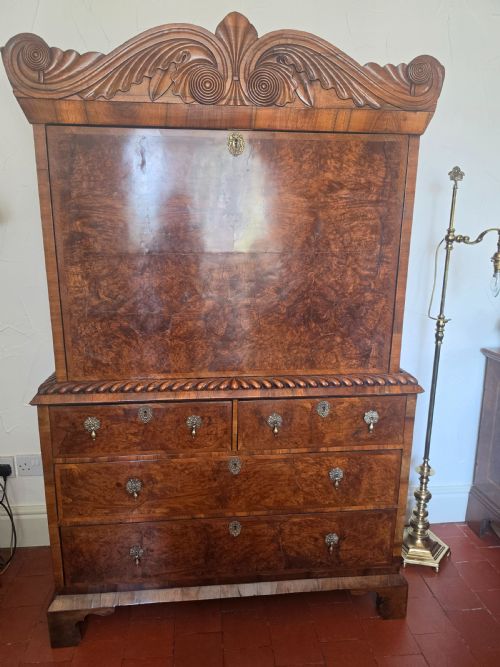
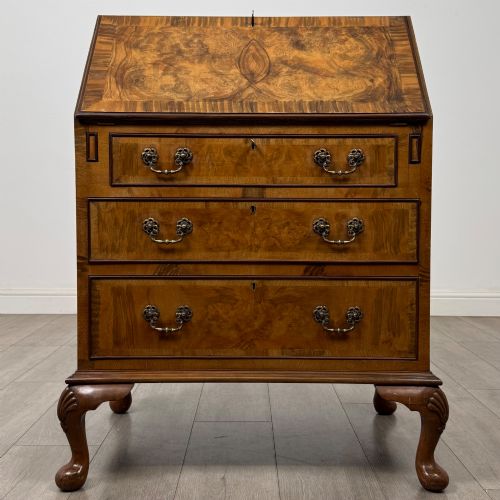
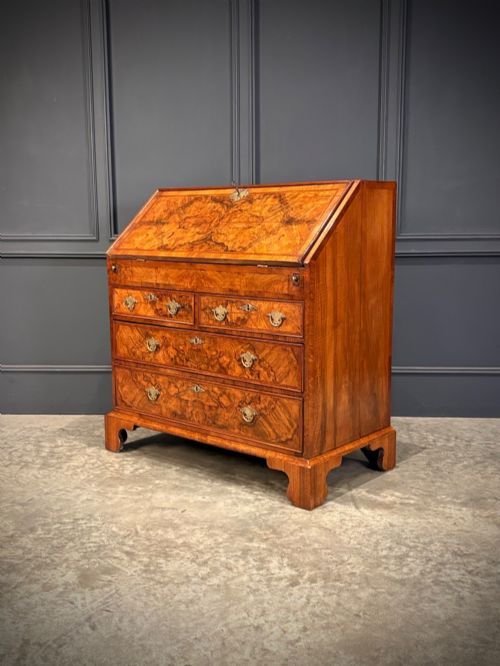
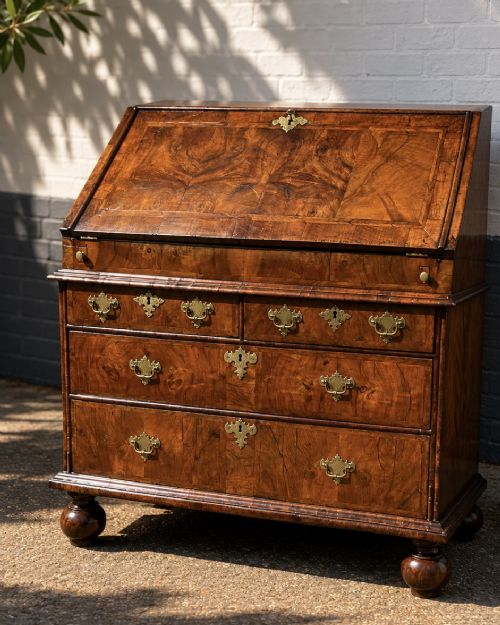
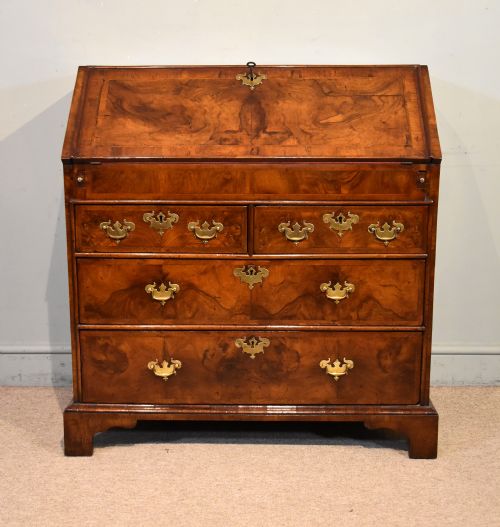
When you search for a burr walnut desk chest, you encounter forms that merge storage drawers with writing surfaces, spanning periods from the late seventeenth century through the twentieth century. These pieces appear primarily as fall front bureaux, kneehole desks, and escritoires, each designed to conceal compartments behind a sloping or drop writing flap.
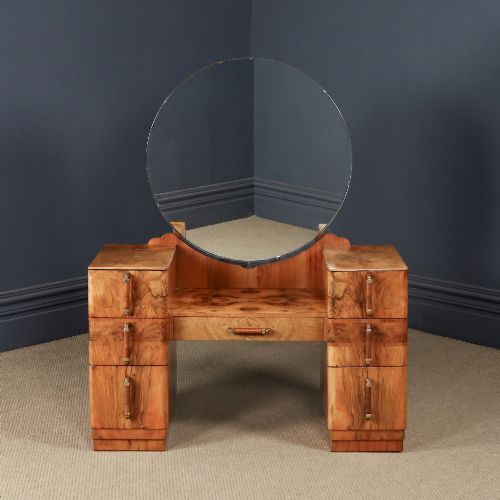
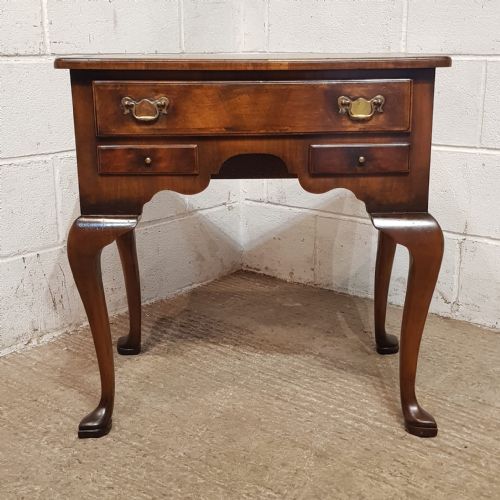
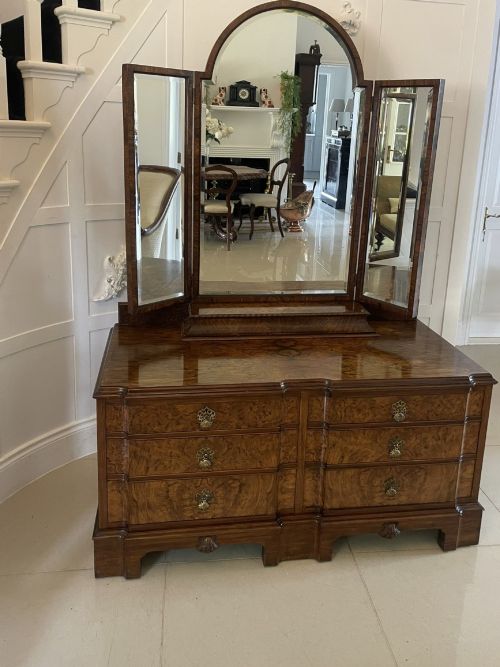
The selection on this page leans heavily toward eighteenth century origins, alongside Queen Anne and Georgian expressions, together with later revivals from the Victorian era and the nineteen-twenties. You will also find variations such as bureau bookcases, dressing tables, and lowboys that incorporate similar writing and storage functions.
Many examples showcase distinct regional characteristics, including Dutch marquetry and German case pieces, alongside English interpretations featuring herringbone inlay and floral details. Such variety ensures that whether you seek a compact kneehole desk or a tall escritoire, the form adapts readily to modern interiors.
Materials and construction
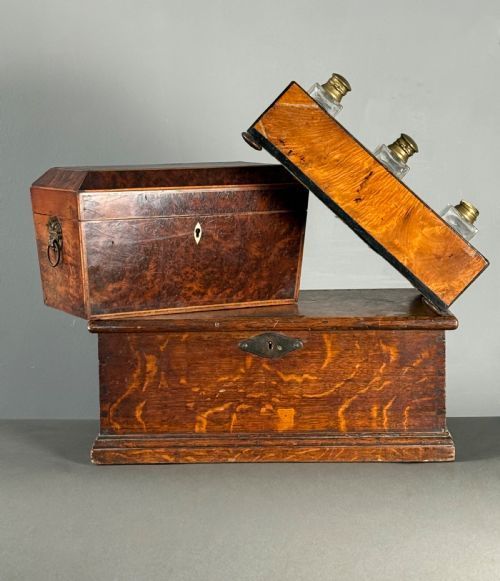
Cabinet makers utilised burr walnut veneer applied over secondary timbers like oak, selecting sections from the burl growths of the tree to achieve highly figured, swirling grain patterns. This veneer was frequently accented with finer banding, such as herringbone lines, to frame the drawer fronts and writing flaps.
Brass hardware, including escutcheons, drop handles, and locking mechanisms, functioned as both structural reinforcement and decorative detail on these case pieces. Interior compartments often incorporated small secret drawers, pigeon holes, and fitted writing wells made from solid walnut or secondary woods.
Listings feature burr walnut desk chests spanning the seventeenth, eighteenth, nineteenth, and twentieth centuries, alongside distinct Edwardian and Art Deco interpretations.
Assessing quality
The hierarchy of quality rests primarily on the choice and matching of the burr walnut veneer across the primary surfaces, where symmetrical grain alignment elevates a piece significantly. Superior examples display meticulous attention to the continuity of patterns across drawer fronts and fall fronts, showing restraint and balance in the timber selection.
Construction methods also dictate standing, with tight dovetailing on drawer construction and original brass mounts indicating superior workshop execution. Pieces that retain their fitted internal compartments, original patination, and functional locks command greater regard among collectors.
Shoolbred and Co
The Burr Walnut Desk Chest Glossary
- Burr walnut
- A veneer sliced from the deformed growth or burl of a walnut tree, prized for its intricate, swirling grain patterns. It creates a highly decorative surface on furniture fronts.
- Escritoire
- A tall writing cabinet or desk featuring a drop-front writing flap that conceals internal drawers and pigeon holes. These pieces typically date from the late seventeenth and eighteenth centuries.
- Bureaux
- Writing cabinets fitted with a sloping lid that opens to reveal a writing surface and small compartments. The plural form covers numerous stylistic variations across different periods.
- Herringbone inlay
- A decorative banding technique where small pieces of veneer are arranged in a V-shaped zig-zag pattern. This detail often frames the primary burr walnut panels on drawers.
- Lowboy
- A small table with drawers, standing on relatively tall legs, frequently utilised as a dressing table or side table. The form shares stylistic traits with contemporaneous desk chests.
Burr Walnut Desk Chest: Frequently Asked Questions
How do I date an old bureau?
Dating relies on examining construction methods, such as hand-cut dovetails on the drawers, the type of secondary timbers used inside, and the overall stylistic proportions. Hardware styles and the specific cut of the burr walnut veneer also offer strong chronological clues.
Later revival pieces from the twentieth century often display machine-assisted elements or uniform secondary woods that differ noticeably from seventeenth and eighteenth century workshop practices.
Where were these desks placed?
Historically, these pieces stood in private bedchambers, withdrawing rooms, or dedicated studies where correspondents managed private letters and financial accounts. Their dual nature allowed owners to write securely and store documents out of sight.
Today, they function equally well as focal points in living rooms or as compact writing desks in home offices, offering enclosed storage for modern stationery and laptops.
How should I care for burr walnut?
Burr walnut benefits from stable room temperatures away from direct heat sources and strong sunlight, which can dry out the timber and fade the veneer. Regular dusting with a soft, dry cloth preserves the polished surface.
Occasional application of appropriate wax polish helps maintain the moisture and sheen of the antique timber without building up heavy residues.