



Burgundy Tribal Area Rug
These burgundy tribal area rugs bring rich nomadic weaving traditions and deep wool tones straight into your room.
Burgundy Tribal Area Rug
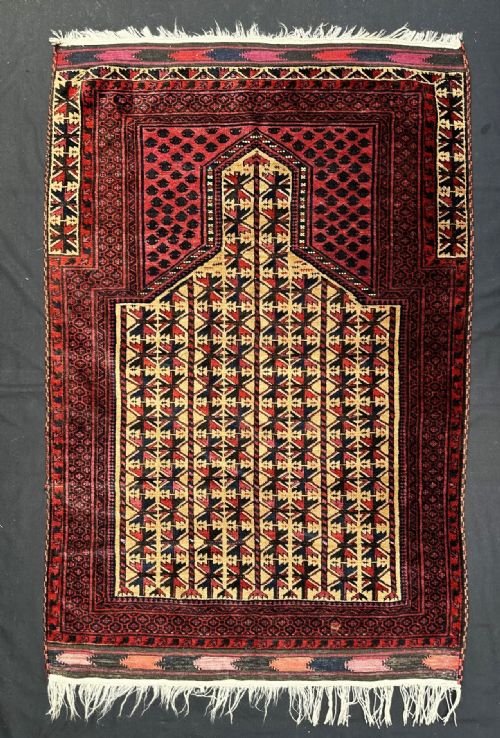
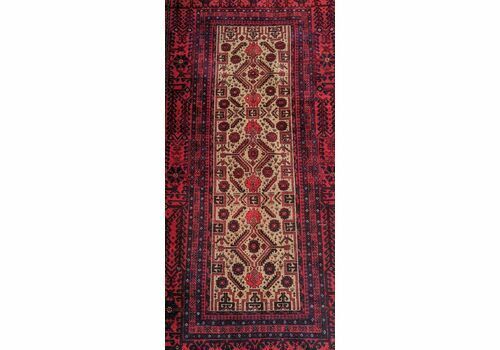
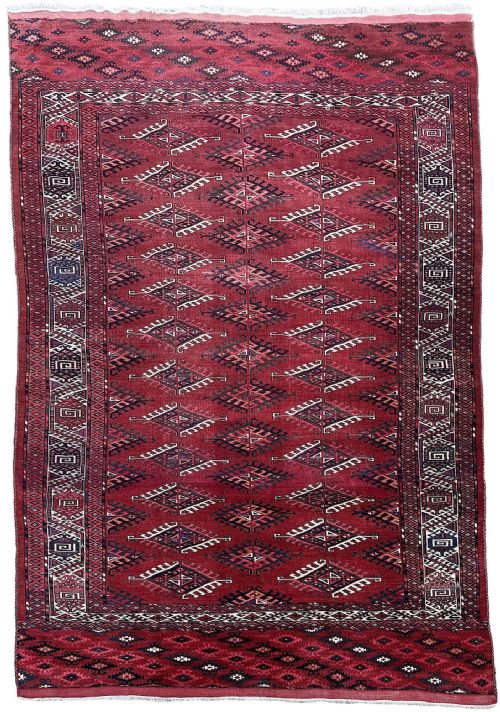
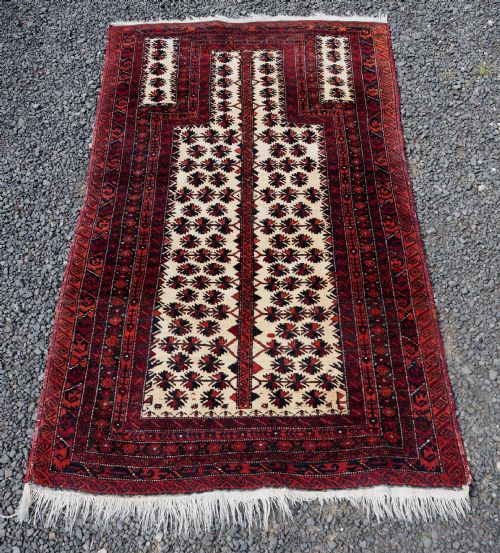
A burgundy tribal area rug draws upon centuries of nomadic and village weaving traditions from Central Asia, Persia, and the Afghan borderlands. When you search for a burgundy tribal area rug, you encounter hand-knotted pieces originating primarily from the late nineteenth and early twentieth centuries. These textiles span specific tribal groups including Turkmen, Baluch, Yomut, Tekke, and Timuri makers.
The regional forms range from compact prayer rugs and village carpets to elongated runner formats suitable for country house interiors. The palette leans heavily towards deep reds and burgundy tones set against contrasting gold, natural, and dark hues. Each piece reflects the distinct knotting habits and stylistic vocabulary of its specific nomadic or village origin.
What varies in quality
The distinction between ordinary and exceptional examples rests upon the tightness of the knotting and the handled suppleness of the wool. Finer pieces demonstrate precise execution of geometric motifs and a balanced, harmonious distribution of natural dyes.
Preservation of the original outer borders and structural edges heavily influences the standing of a rug. Superior examples retain their initial proportions and possess a lustrous, resilient pile that reflects the quality of the initial hand-spinning.
Burgundy Tribal Area Rug Retail Price Guide 2026
Typical asking prices for burgundy tribal area rug among the pieces listed under this phrase on Sellingantiques today, from the lower quarter to the upper quarter. They describe what is for sale here now, not the wider market.
Nomadic weavers packed these burgundy carpets onto camels and horses, carrying their entire floor decor across dusty borderlands without a second thought.
The Burgundy Tribal Area Rug Glossary
- Prayer rug
- A small format textile featuring a mihrab or niche design historically used for daily prayers. These pieces often display specific regional iconography tied to Baluch or Timuri weaving traditions.
- Main carpet
- A large format floor covering produced for domestic use or tribal ceremonies rather than daily portable transport. These pieces typically display extensive field patterns and broader borders.
- Natural dyes
- Organic colourants extracted from plants, insects, and minerals before the widespread adoption of synthetic alternatives. They produce the subtle tonal variations seen across antique wool surfaces.
- Hand-spun wool
- Sheep fleece prepared and twisted into yarn by hand using traditional spindles rather than industrial machinery. This method retains natural lanolin, giving the pile resilience and a soft sheen.
Burgundy Tribal Area Rug: Frequently Asked Questions
How do I tell a Tekke rug from a Yomut rug?
Tekke and Yomut rugs both originate from Turkmen weaving traditions but utilise distinct primary guls and secondary motifs across the central field. Tekke pieces frequently showcase repeated octagonal guls with clean symmetry, whereas Yomut designs often incorporate alternative diamond or 'tauk alemdar' formations.
The palette and border arrangements also differ subtly between the tribes, reflecting distinct regional preferences in Central Asia during the nineteenth and early twentieth centuries.
Where were Baluch tribal rugs made?
Baluch rugs were produced by nomadic and semi-nomadic groups inhabiting the borderlands spanning modern-day Persia, Afghanistan, and Pakistan. These weavers utilised local wool and deep colour palettes dominated by dark burgundy, brown, and indigo.
Many examples feature prayer niches or traditional geometric repeats handed down through generations of tribal makers.
How should I care for an antique wool rug?
Antique wool rugs require gentle vacuuming without rotating brush bars to protect the fragile hand-spun pile and old foundations. Professional cleaning tailored for antique textiles preserves the natural lanolin in the wool and prevents dye bleeding.
Keeping the rug out of direct, harsh sunlight prevents the natural burgundy and gold tones from fading unevenly over time.
What is a Dokhtar-e-Qazi design?
A Dokhtar-e-Qazi design is a specific traditional pattern associated with Timuri and Baluch weavers from the Khaf region and adjacent borderlands. The motif typically incorporates distinctive geometric arrangements and prayer formats.
These rugs represent a recognised subset of nineteenth and early twentieth-century village weaving.