


Bureau a Abattant
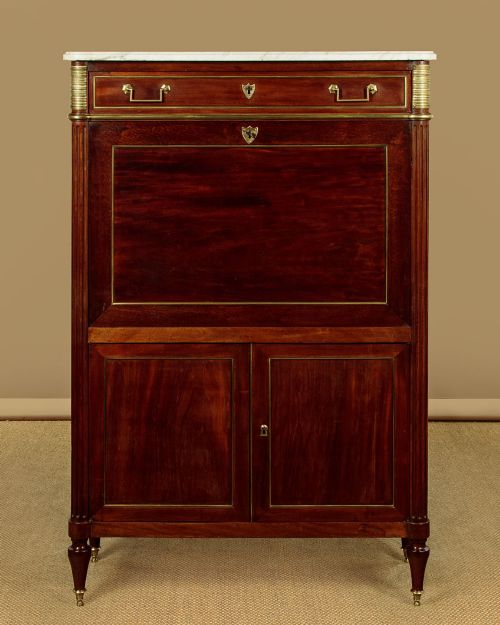
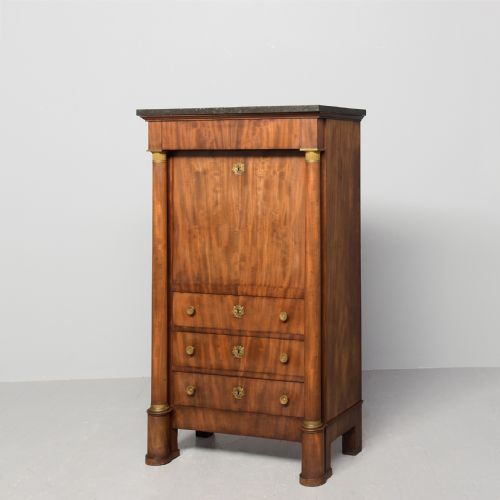
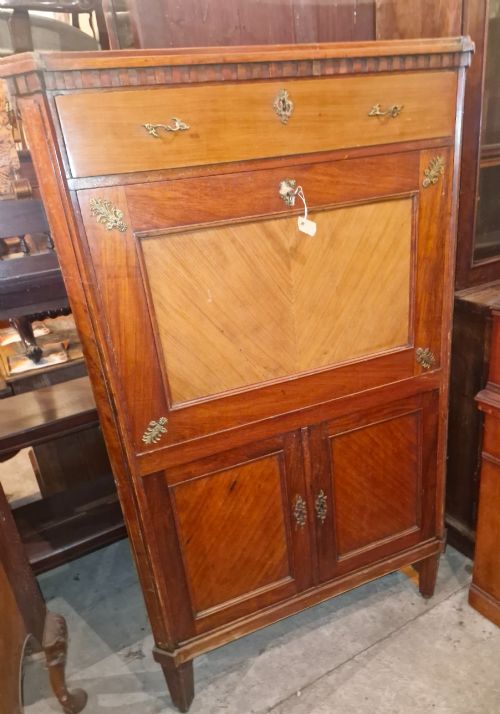
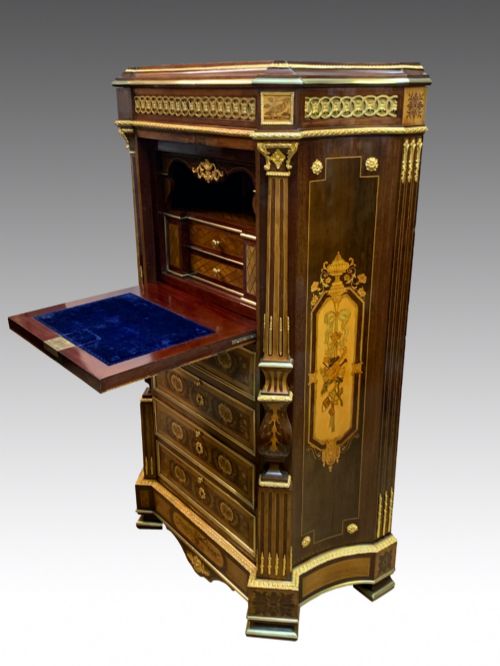
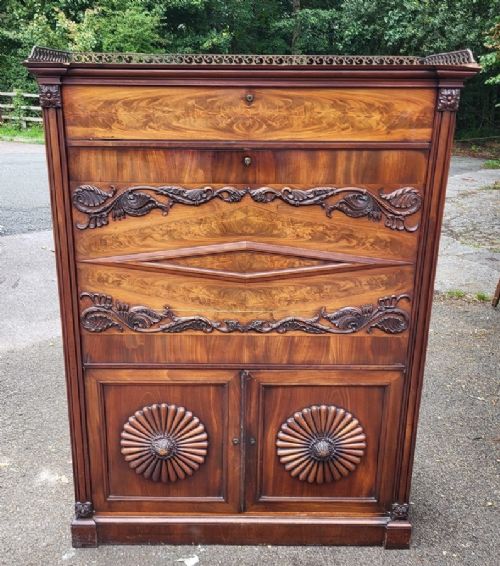
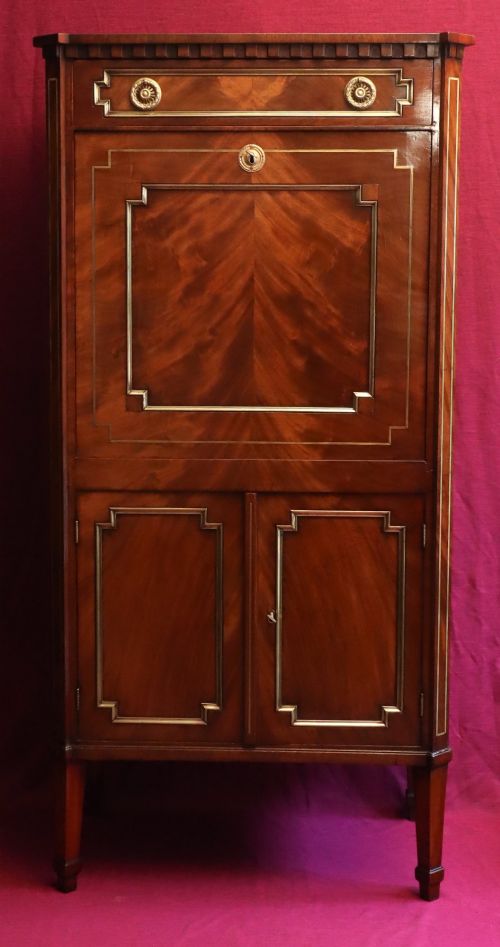
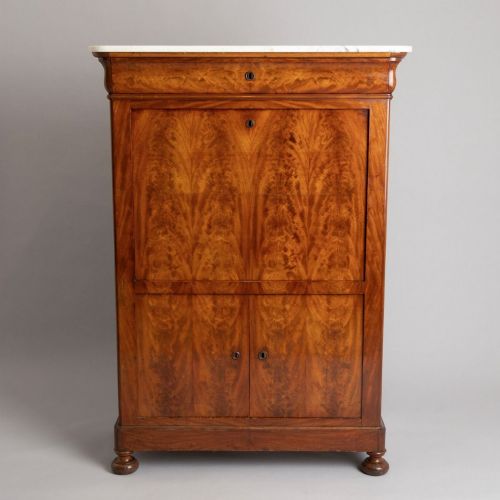
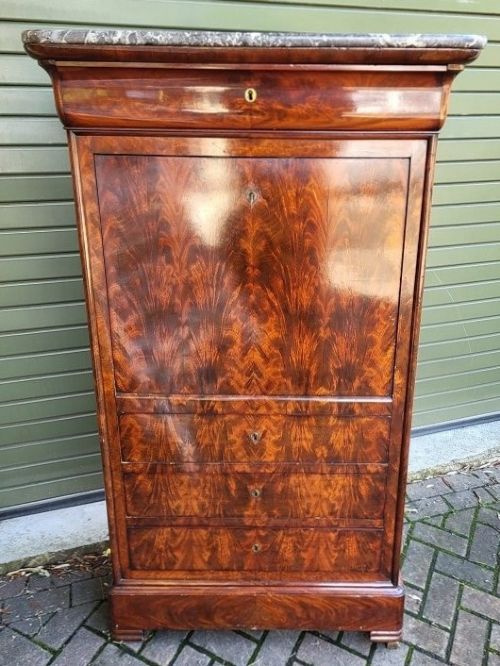
A bureau a abattant is a tall writing cabinet with a drop-down flap that conceals a fitted interior.
Bureau a Abattant
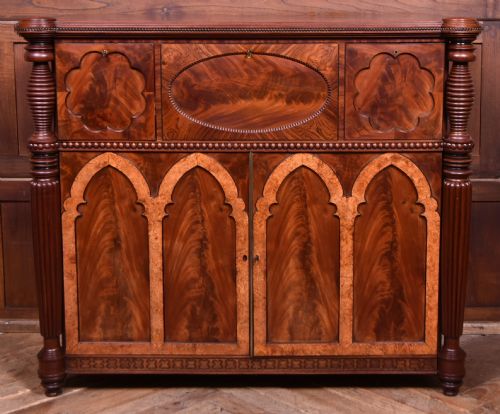
A bureau a abattant provides a vertical solution for writing and storage, combining a tall case with a fall front desk. When you search for bureau a abattant, you encounter case pieces designed to conceal a fitted writing surface and internal compartments behind a single hinged panel.
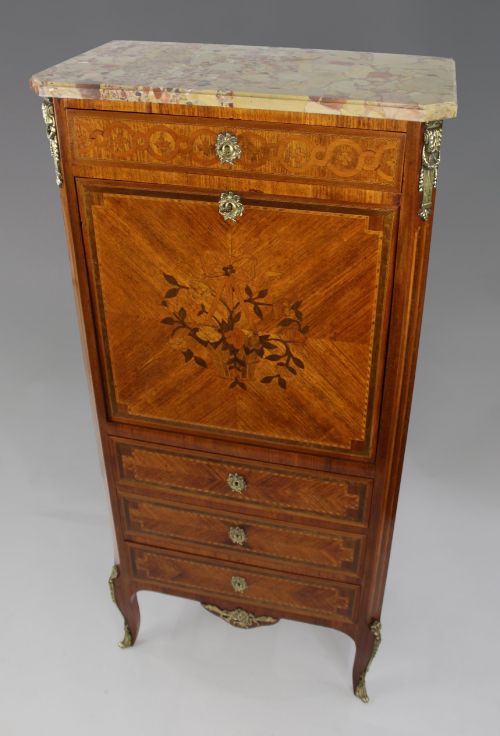
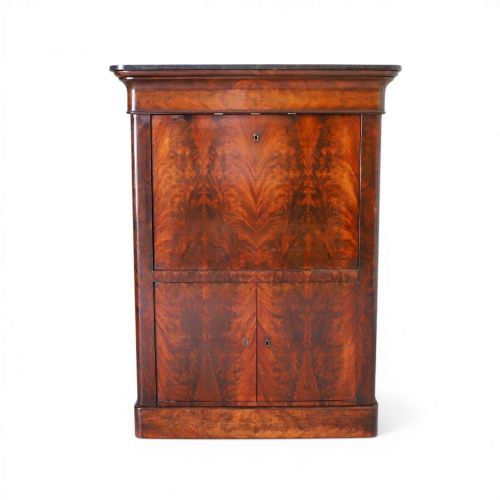
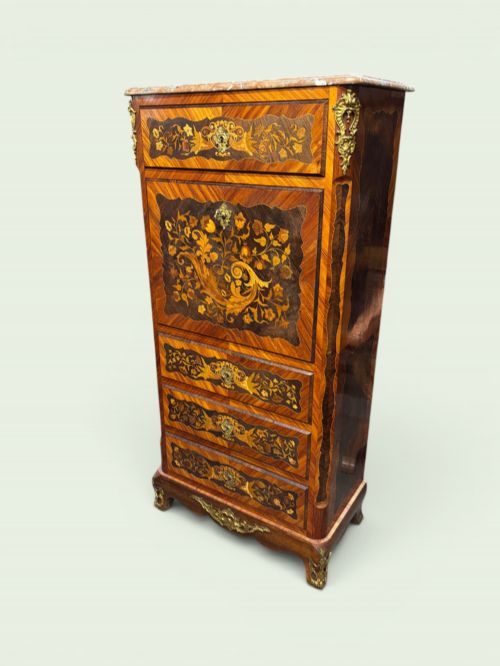
Most examples found here date from the nineteenth century, reflecting French, Biedermeier, and English stylistic influences. These pieces range from restrained mahogany models to ornate marquetry cabinets adorned with marble tops.
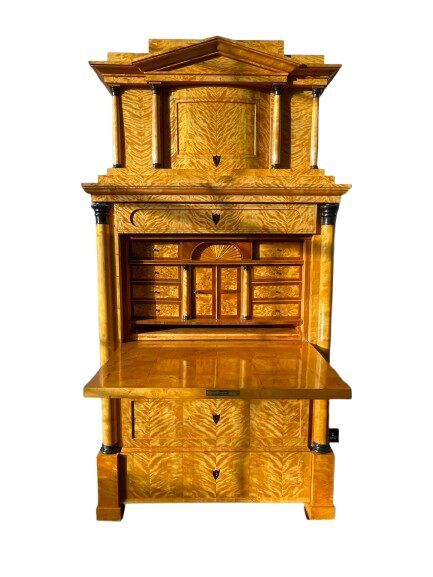
The form prioritises floor space efficiency while offering substantial storage in lower drawers and upper compartments. The drop-front flap opens to reveal nested small drawers and pigeonholes suitable for correspondence.
Assessing Quality
The distinction between tiers of quality rests upon the precision of the veneer work and the integration of secondary timbers. Superior pieces display continuous grain matching across the fall front and drawer facades, whereas lesser items show abrupt grain transitions.
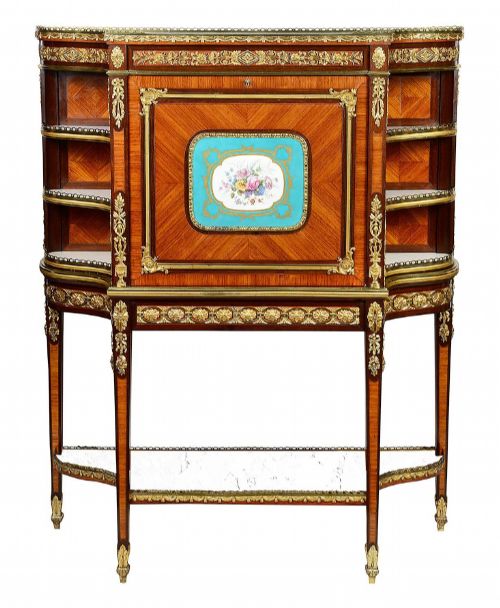
Bronze ormolu mounts and brass hardware signal the grade of a piece through their weight, crispness of chisel work, and secure seating against the wood. Castings with soft definition and poor alignment indicate mass production rather than bespoke workshop execution.
The sophistication of the internal fit-out dictates the overall stature of the cabinet. Elaborate secret drawer mechanisms and finely figured secondary interior woods separate standard utility pieces from high-status reception furniture.
Listings feature nineteenth-century mahogany, walnut, and rosewood examples alongside eighteenth-century Dutch marquetry pieces.
Gillows·Maison Krieger·Blake, London·Adriano Brambilla
The Bureau a Abattant Glossary
- Abattant
- A falling front or drop-down flap on a piece of furniture that serves as a writing surface when lowered.
- Escritoire
- A writing cabinet or desk, often used interchangeably with bureau.
- Marquetry
- Decorative veneer work forming pictures or patterns from pieces of wood, shell, or ivory.
- Ormolu
- Gilt bronze ornamentation applied to furniture mounts, feet, and keyplates.
- Parquetry
- Geometric mosaic woodwork used for floors or cabinet surfaces.
- Secretaire
- A desk containing drawers, pigeonholes, and a concealed writing flap.
Bureau a Abattant: Frequently Asked Questions
What is a bureau a abattant?
A bureau a abattant is a tall upright cabinet featuring a hinged writing flap that pulls down for use. It combines the utility of a desk with the vertical storage capacity of a chest.
Inside the drop front, makers typically included small drawers and pigeonholes for letters and stationery. Below the writing surface, several horizontal drawers provide additional enclosed storage.
How do I use a drop front desk?
To use the desk, you unlock the fall front panel and lower it until it rests horizontally, supported by internal mechanisms or stays. This creates a flat writing surface above the lower drawers.
When finished writing, you lift the panel back into the vertical position and lock it to secure the internal compartments and hide your papers.
Where were these cabinets placed in a home?
Historically, these pieces served in studies, drawing rooms, and private chambers where floor space was at a premium. Their vertical height allowed owners to store writing materials and household documents without occupying a large footprint.
Today, they function well in living rooms or bedrooms as statement storage items that double as functional writing desks.
How can I tell the period of a cabinet?
Dating relies on examining the timber veneers, hardware styles, and structural joinery methods. Nineteenth-century examples often feature mahogany or rosewood with neoclassical or revival motifs.
Earlier pieces from the eighteenth century typically display intricate floral marquetry and softer hand-cut dovetails, while later nineteenth-century versions incorporate machine-cut elements and heavier ormolu mounts.