


Brown Yew Wood Chairs
These brown yew wood chairs offer rich timber tones and robust vernacular forms built to last generations.
Brown Yew Wood Chairs
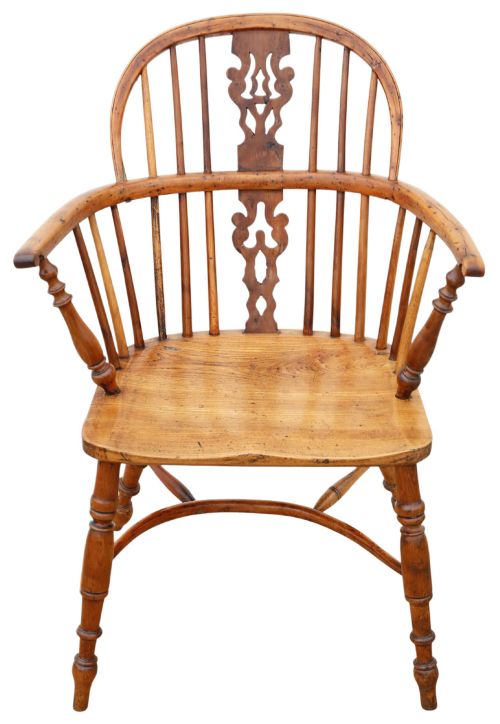
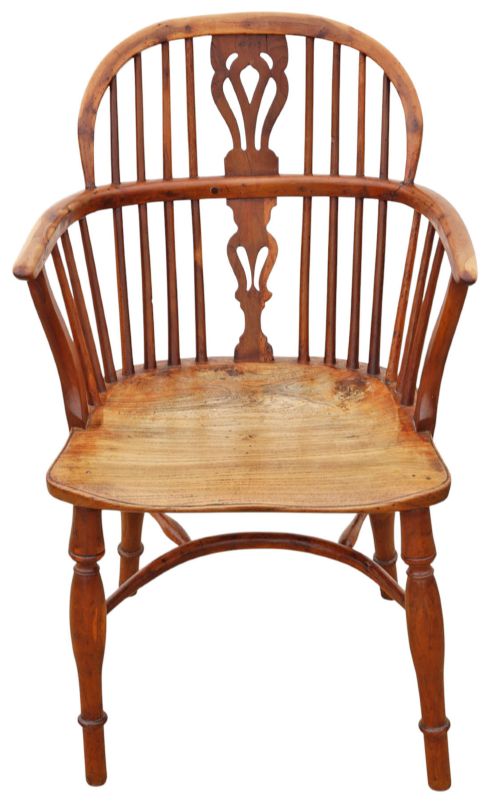
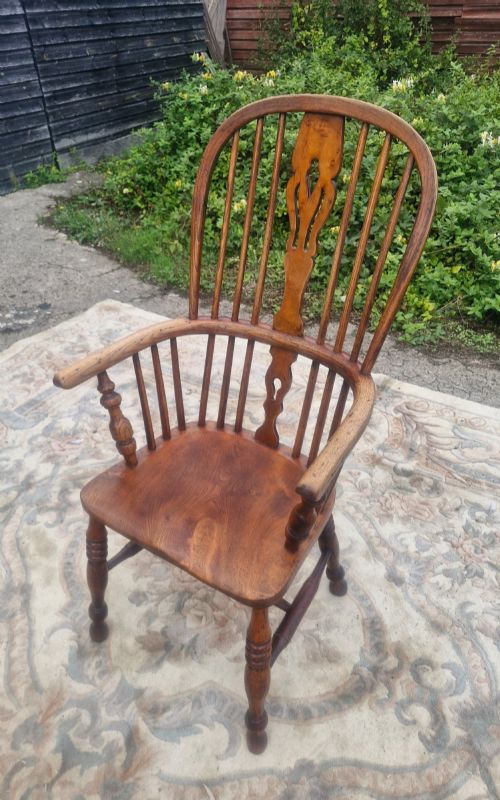
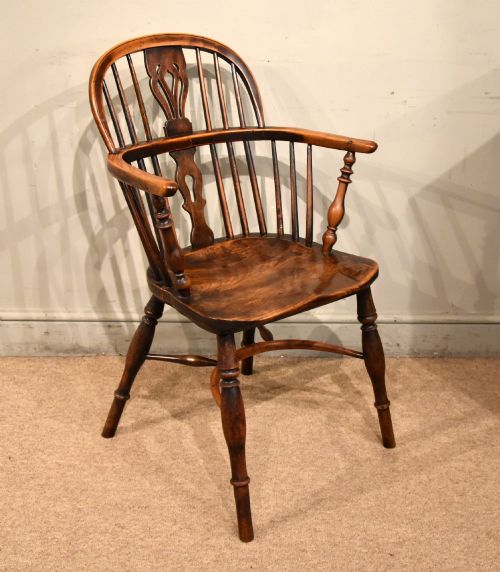
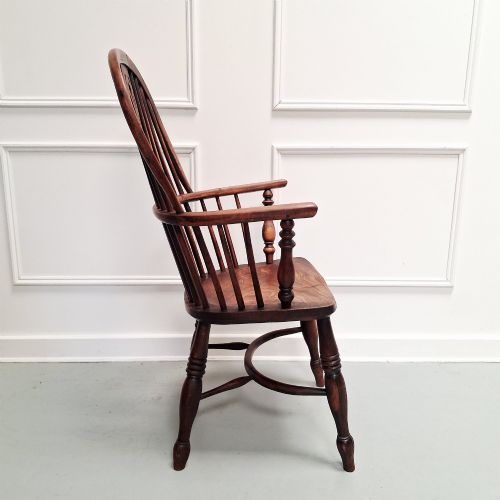
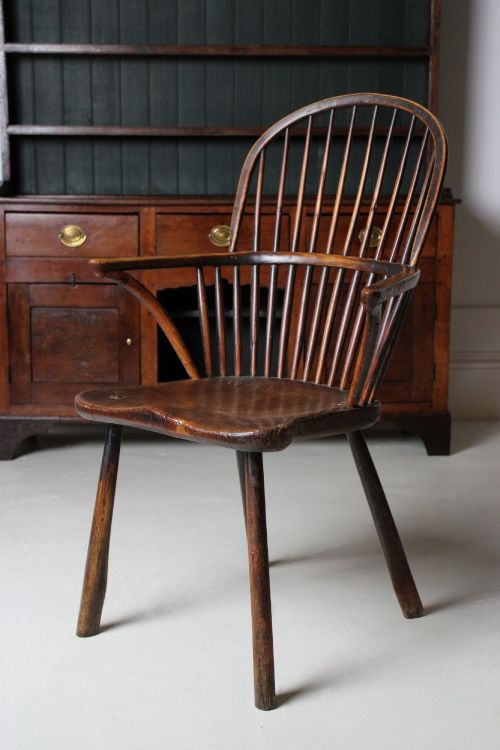
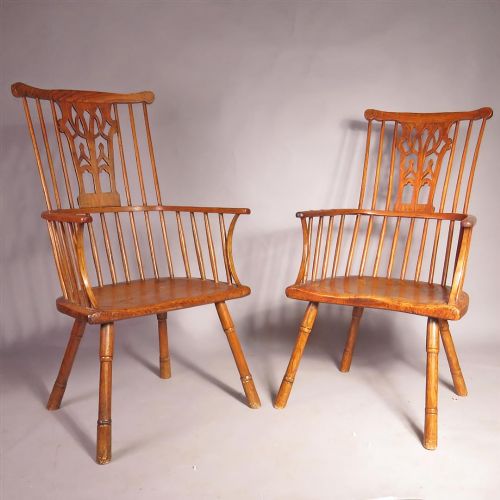
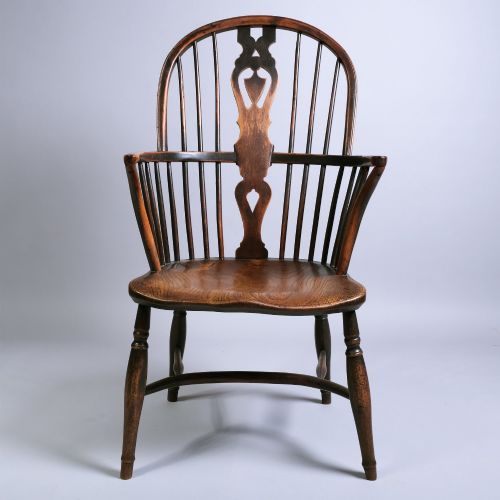
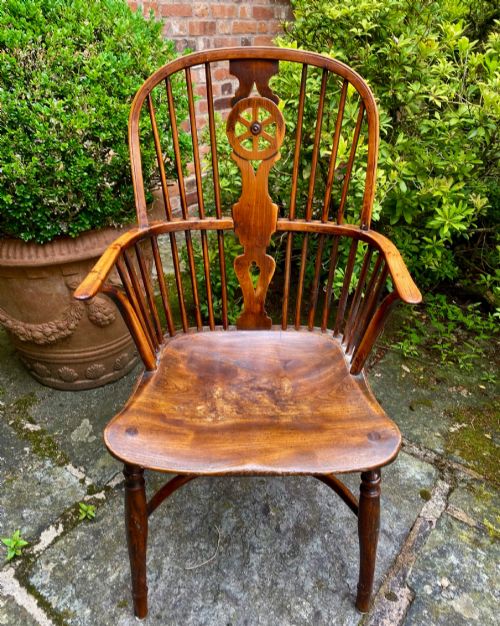
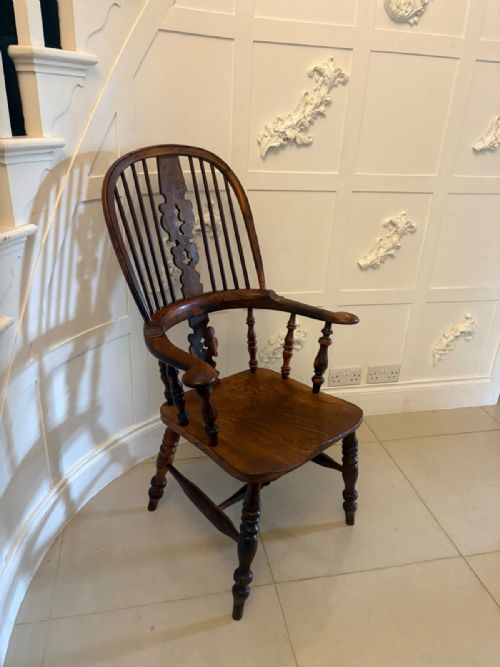
When searching for brown yew wood chairs, a buyer encounters traditional seating largely rooted in English regional country craftsmanship. These pieces span the eighteenth and nineteenth centuries, taking forms such as Windsor armchairs, low backs, hoop backs, and comb backs.
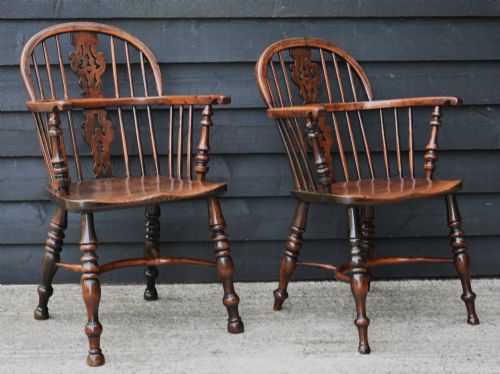
The selection on this page relies heavily on regional vernacular expressions, including pieces stamped by makers or identified with specific origins like the Thames Valley. They appear as single armchairs, matched pairs, or larger sets intended for dining and parlor use.
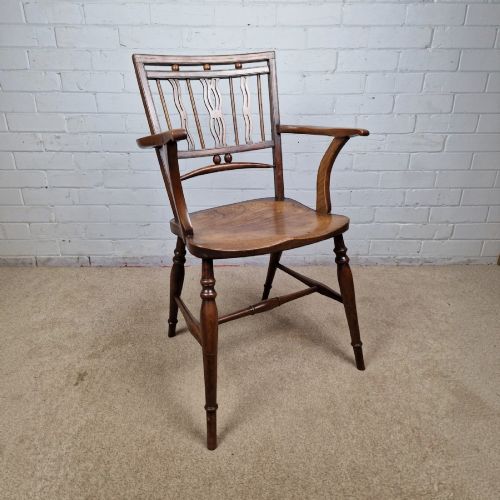
Mendlesham chairs and Captains chairs also surface within these listings, showing the breadth of vernacular design. The common thread is the combination of sturdy timber construction and comfortable, ergonomic seating shapes.
Materials and Construction Techniques
Makers utilised yew wood predominantly for its striking grain and durability, frequently pairing it with solid elm for seats and additional timbers like ash, beech, and fruitwood for spindles and legs. This multi-wood construction allowed craftsmen to match the specific properties of each tree to the structural demands of the chair.
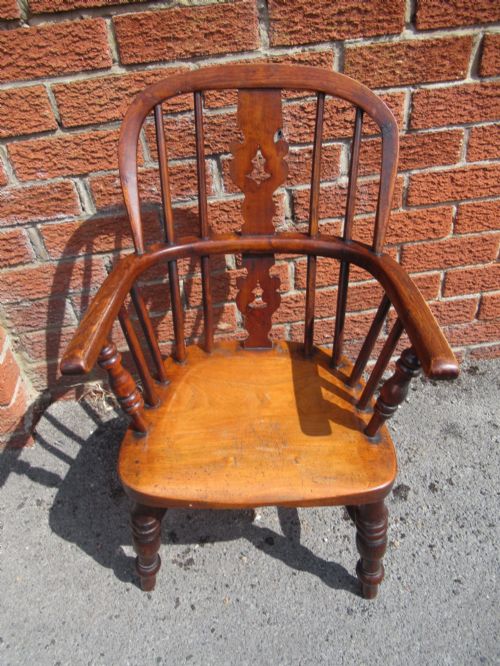
Some diminutive armchairs were built specifically for children, scaling down full-sized Windsor designs with charming accuracy.
Assessing Quality and Character
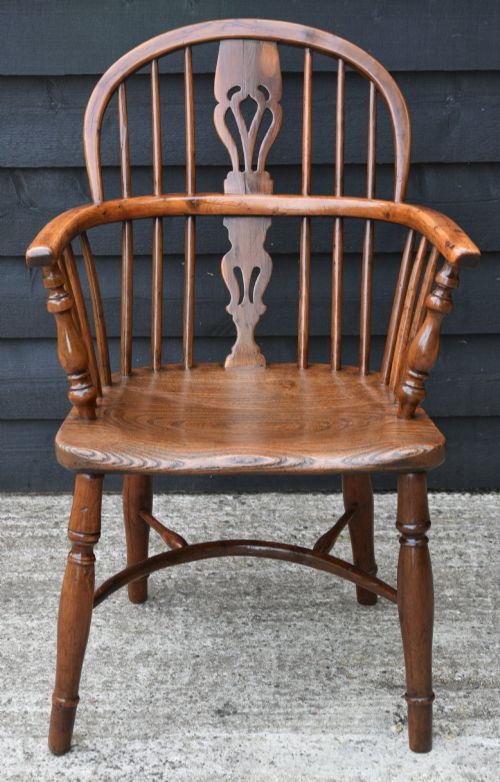
Quality rests in the figuring of the wood, particularly the depth and richness of the yew grain across the back splats and arms. Pieces featuring burr yew or highly patterned timber command greater visual presence.
Proportion and structural integrity define the higher tiers of these chairs, visible in balanced hoop backs, well-turned spindles, and original stretchers. The skill of the regional maker shows in the comfort of the sculpted seat and the crispness of the turning.
J Spencer·Rockley Maker
The Brown Yew Wood Chairs Glossary
- Windsor Chair
- A wooden chair constructed with a thick solid timber seat into which the legs and back spindles are separately bored. They often include a bowed backrest for added support.
- Crinoline Stretcher
- A curved, horsehoe-shaped underframe stretcher that links the legs of a Windsor chair to provide extra rigidity. It is typical of many eighteenth and nineteenth century regional examples.
- Hoop Back
- A single continuous piece of steam-bent wood forming the top rail and arms of an armchair. This technique provides both tensile strength and a smooth silhouette.
- Broad Arm
- A chair design featuring wide, flat wooden armrests often shaped for writing or extra comfort. These are frequently found on Thames Valley and Yorkshire regional variations.
- Splat
- A central vertical piece of wood set within the back of a chair. In these pieces, it often displays distinct figuring or a burr yew grain.
Brown Yew Wood Chairs: Frequently Asked Questions
What is a Windsor chair?
A Windsor chair is a form of seating built around a solid wooden seat rather than a framed skeleton. The legs and back components are fitted directly into bored holes.
This method creates a sturdy, resilient structure that defined much of English country furniture production during the Georgian and Victorian periods.
How do I identify yew wood?
Yew wood is characterised by a dense, highly varied grain pattern that shifts between warm amber, deep brown, and reddish hues. It often incorporates knots and swirling figures.
When polished, the timber displays a rich depth that sets it apart from simpler woods like beech or plain elm.
Where were these chairs made?
These chairs originated across various English regions, with notable production centres in the Thames Valley and Yorkshire. Local craftsmen utilised accessible regional timbers.
As a result, construction methods and exact chair profiles often reflect the specific traditions of the workshop's geographic location.
How do I care for antique wood chairs?
Maintain these chairs by keeping them away from direct heat sources and dramatic humidity fluctuations, which can cause timber to split. Regular dusting with a soft cloth preserves the finish.
Occasional application of appropriate wax feeds the antique surface without building up excessive residue.