



Brown Woven Textile
These items of brown woven textile offer tactile depth and historic character, bringing nomadic artistry and traditional craftsmanship directly into modern interiors.
Brown Woven Textile
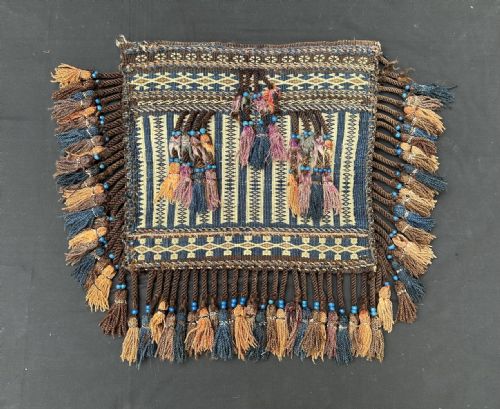
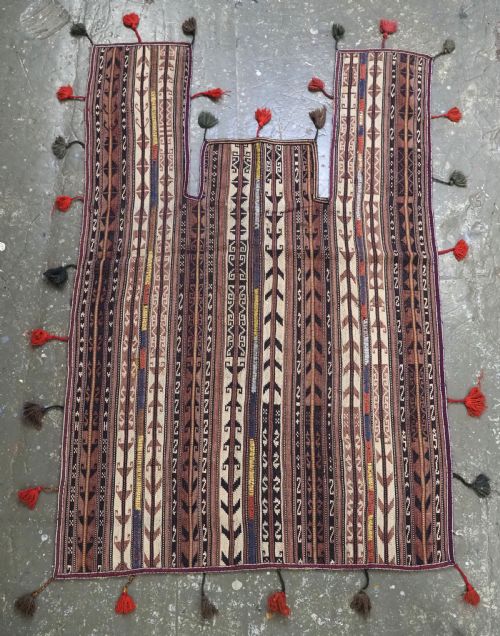
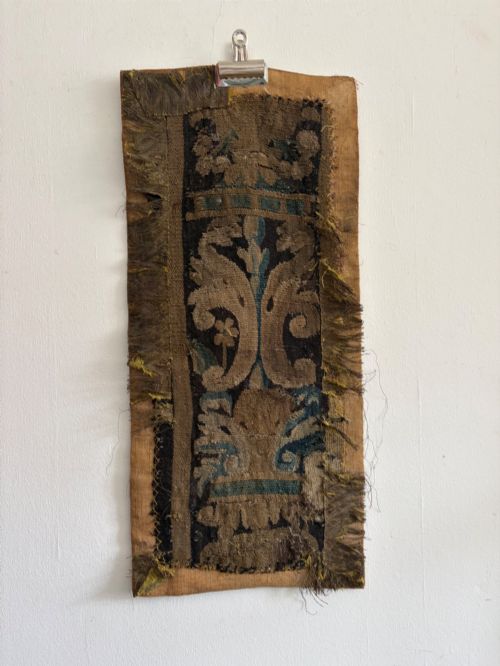
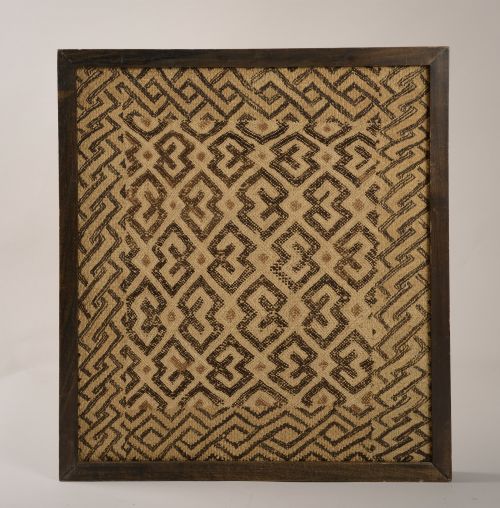
A brown woven textile search reveals a diverse selection of utilitarian tribal items, storage bags, and decorative wall hangings originating from Central Asia, Persia, and beyond. These pieces span from the eighteenth century through the early twentieth century, encompassing works created by nomadic and village communities.
Buyers frequently encounter tribal storage bags, horse blankets, tent bands, and flatwoven kilims rendered in earthy brown tones. These textiles served practical functions within tribal daily life before transitioning into collectible wall art and interior accents.
The material record includes regional formats such as Turkmen torbas, Persian achehs, and Anatolian embroidered panels. Each object reflects the specific utilitarian traditions and aesthetic vocabulary of its maker's tribe.
Materials and construction
Construction relies primarily on wool, cotton, hand-spun wool, and raffia, often dyed using natural colourants to produce deep, enduring brown hues. These organic fibres provide the structural integrity found in heavy storage bags, tent bands, and flatwoven rugs.
Weaving techniques range from intricate banded flatweaves and embroidered cicim panels to tapestry weaves and pile knots. Artisans utilised traditional upright or horizontal looms to produce dense, durable textiles designed for rigorous everyday use.
Even a fifty-foot tent band had to fit neatly on a camel.
Factors determining quality
Quality rests upon the fineness of the weave, the clarity of tribal design elements such as guls and lattice patterns, and the overall structural preservation of the textile. Pieces retaining original backs, complete sets, and untouched edges demonstrate superior craftsmanship and survival.
The depth and nuance of natural dyes elevate certain examples, creating rich patinas that synthetic alternatives lack. Artisanal precision in geometric symmetry and balanced proportions further distinguishes exceptional tribal weaving from standard utilitarian output.
The Brown Woven Textile Glossary
- Torba
- A small Turkmen storage bag traditionally used inside a yurt for household possessions. These bags often feature distinct gul motifs and banded flatweave designs.
- Kilim
- A flatwoven carpet or textile produced without a pile by tightly interlacing warp and weft threads. This technique creates a lightweight, reversible fabric with sharp geometric patterns.
- Mafrash
- A rectangular storage sack used by nomadic groups for bedding and clothing during seasonal migrations. Pairs of these bags were frequently loaded onto pack animals.
- Cicim
- An embroidered tapestry technique where decorative supplementary threads are brocaded onto a plain-weave foundation. This method produces textured patterns across the surface of rugs and panels.
- Gul
- A medallion or repeating primary motif utilised in carpet and textile designs across Central Asian tribes. Each pattern often identifies the specific clan or weaving group.
Brown Woven Textile: Frequently Asked Questions
How were storage bags used?
Nomadic groups utilised storage bags inside tents and during migrations to organise bedding, clothing, and household goods. Their sturdy construction protected contents from dust and moisture.
Over time, many of these utilitarian containers became valued decorative items for home interiors.
How do I care for antique textiles?
Antique textiles require gentle handling, protection from direct sunlight, and regular inspection for dust. Vacuuming with a mesh screen covering the nozzle helps maintain fibre integrity without causing damage.
Professional conservation cleaning is recommended when dealing with fragile historical pieces or delicate natural dyes.
How are periods identified?
Dating relies on material analysis, dye characteristics, structural wear patterns, and stylistic comparison with documented tribal weaving traditions. Natural dyes and hand-spun wools typically point towards earlier production phases.
Structural details, such as the presence of original backs and specific regional motifs, assist in narrowing down the era of manufacture.