





Framed Textile Wall Decor
Framed textile wall decor brings texture and historical narrative into a room, offering everything from delicate needlework to bold woven panels.
Framed Textile Wall Decor
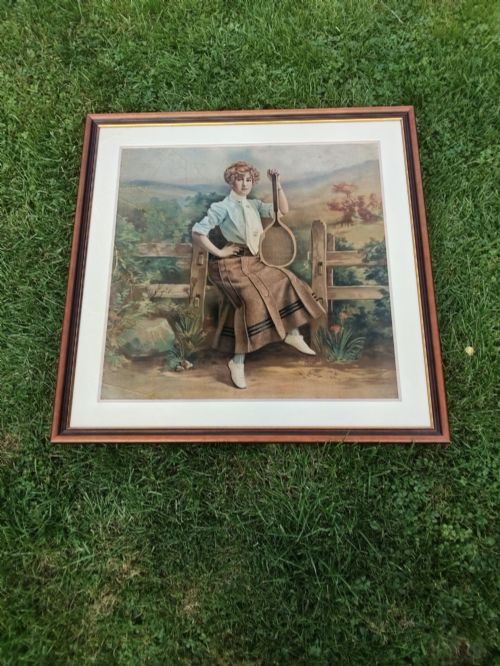
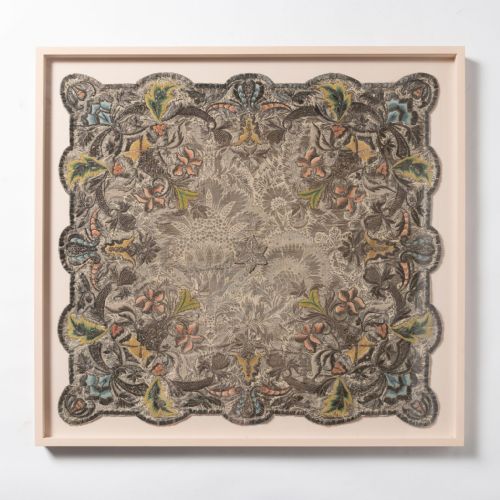
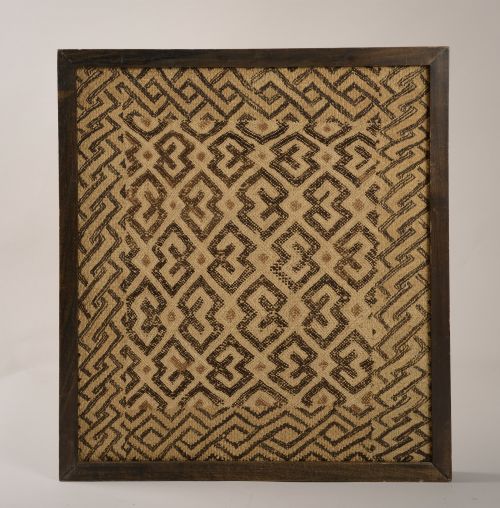
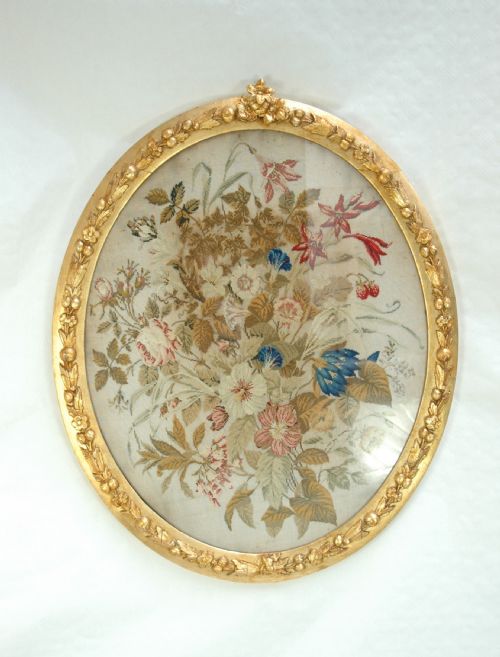
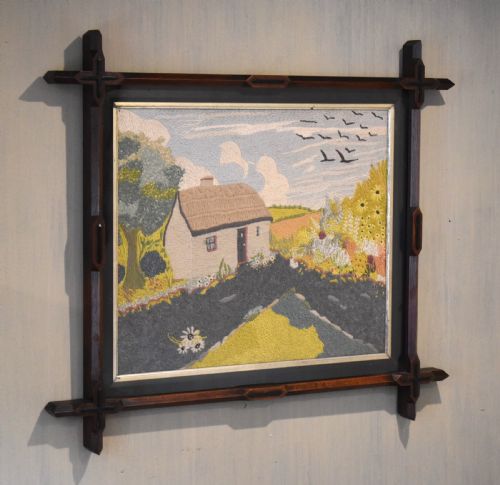
When you search for framed textile wall decor, you are looking at fabric works preserved behind glass within wooden frames, spanning several centuries of domestic and global craftsmanship. The pieces available here range from detailed Victorian needlework pictures of animals and floral scenes to early twentieth-century African raffia cloths and Chinese embroideries.
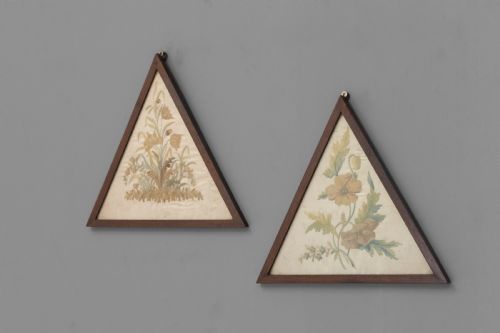
The selection includes eighteenth-century framed panels and nineteenth-century French tapestries depicting historical figures like Napoleon at Pont d'Arcole. You will frequently encounter pairs of circular floral needlework pictures alongside Arts and Crafts period textile art and wall tapestries.
How they were made
These pieces rely on natural materials such as wool, silk, cotton, canvas, and thread worked by hand into canvas or base fabrics. Raffia is also utilised in specific regional pieces like Kuba cloth.
Makers set these textiles within protective wooden frames, frequently behind glass to preserve the delicate fibres and threads from environmental damage over the decades and centuries.
Framed Textile Wall Decor Retail Price Guide 2026
Typical asking prices for framed textile wall decor among the pieces listed under this phrase on Sellingantiques today, from the lower quarter to the upper quarter. They describe what is for sale here now, not the wider market.
Listings span from the eighteenth century to the mid-twentieth century, featuring wool, silk, cotton, canvas, and raffia.
What varies in quality
Quality rests in the intricacy of the needlework or weaving and the fidelity of the depiction, such as the detailed rendering of garden birds and mandarin ducks in Chinese embroideries. The survival condition of the wool, silk, or thread dictates the visual strength of the piece.
The sophistication of the original composition and the harmony between the textile and its wooden frame separate standard decorative items from finer historical examples.
The Framed Textile Wall Decor Glossary
- Needlework
- Stitched decoration created with a needle and thread upon a ground fabric. This encompasses various forms of embroidery seen in Victorian and Arts and Crafts pieces.
- Tapestry
- A form of textile art woven by hand on a loom rather than embroidered with a needle. Historical examples often depict figures or scenic narratives.
- Kuba cloth
- Textile made from raffia palm fibre originating from Central Africa. These are known for their geometric patterns and textured surfaces.
- Embroidery
- The art of decorating fabric using a needle to apply thread or yarn. Silk and wool threads create varied textures and visual depth in historical panels.
Framed Textile Wall Decor: Frequently Asked Questions
How do I hang textile wall art safely?
Mount the wooden frame securely using appropriate wall fixings that match the weight of the piece and the glass.
Keep the textile out of direct sunlight to prevent the wool, silk, or cotton threads from fading over time.
What periods do these textiles cover?
The pieces span multiple centuries, including eighteenth-century panels, nineteenth-century Victorian needlework, and early twentieth-century works up to the nineteen-forties.
Styles range from English Country House and French Baroque to Traditional African and Chinese traditions.
Are these pieces one-off originals?
Hand-stitched and woven textiles are inherently unique items created by individual makers rather than mass-produced factory goods.
Pairs do exist, such as matching floral needlework pictures or companion Chinese embroideries of birds and ducks.