


Brown Wool Tribal Runner
A brown wool tribal runner brings centuries of nomadic weaving traditions into a modern hallway with rich, earthy tones and intricate geometric motifs.
Brown Wool Tribal Runner
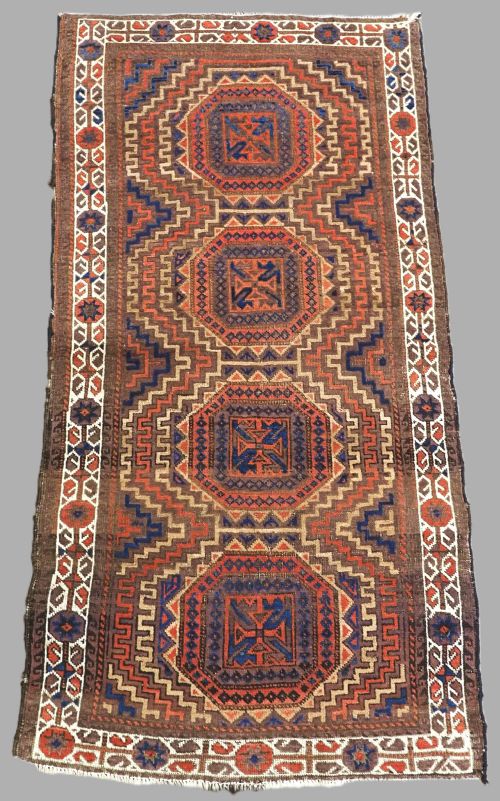
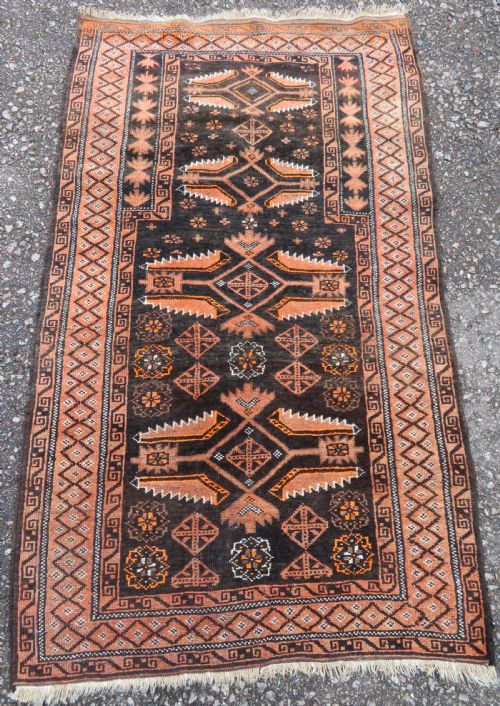
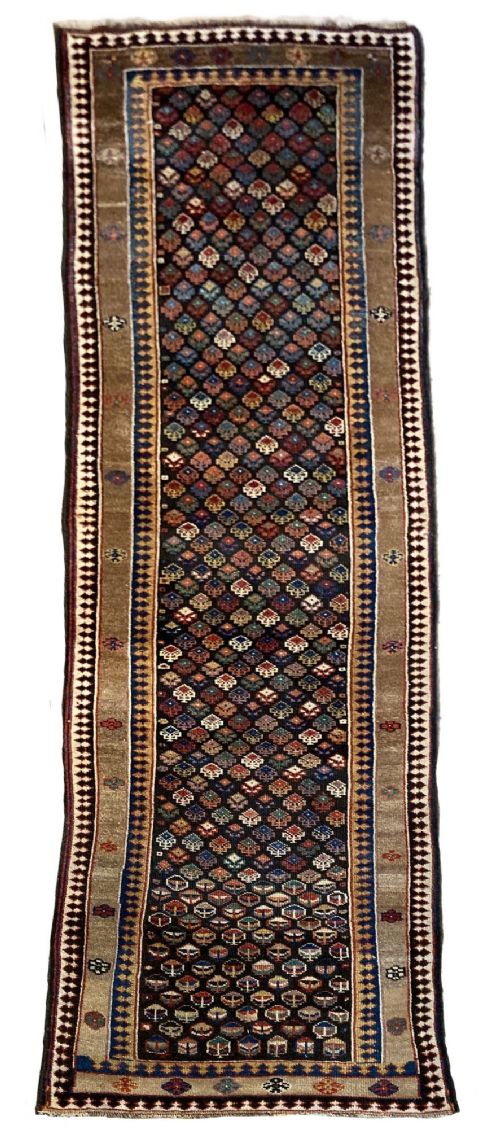
A brown wool tribal runner is a narrow, elongated textile traditionally woven by nomadic and village groups across Persia, Afghanistan, and Central Asia. These functional floor coverings display repeating geometric motifs, tribal guls, and field patterns rooted in specific regional heritage.
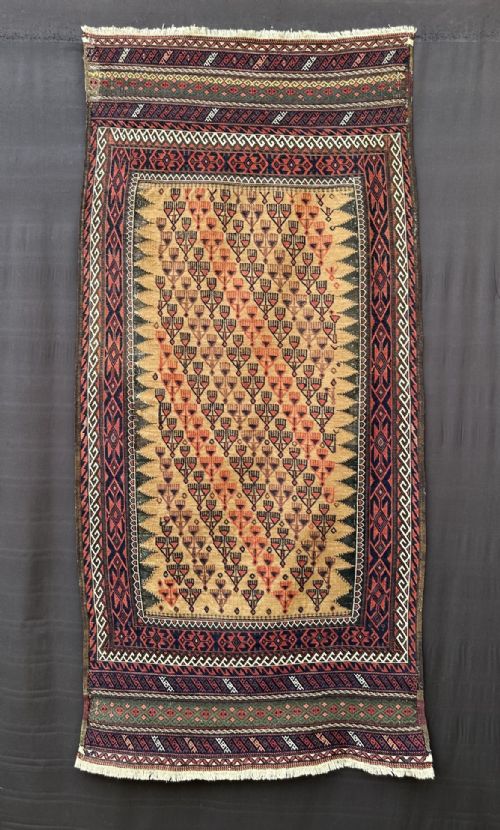
The pieces available on this page span from the late nineteenth century through the early twentieth century, encompassing works by Kurdish, Baluch, Turkmen, and Qashqa'i weavers. While many examples take the classic long format suitable for corridors, the selection also includes related runner rugs, long rugs, and joined flatweaves.
Makers often utilised durable formats designed for nomadic daily life, incorporating heavy pile or flatwoven structures that could withstand constant foot traffic. Each runner reflects the aesthetic vocabulary of its specific tribe, balancing practical utility with deeply symbolic tribal iconography.
How They Were Made
Weavers constructed these textiles primarily from hand-spun wool and natural dyes, frequently incorporating cotton foundations and occasional details in goat hair or camel wool. The reliance on hand-spun materials yields natural variations in texture and tone across the surface of each piece.
Production techniques range from knotted pile construction to flatwoven kilim structures and mixed techniques, with some larger utilitarian pieces woven in separate strips and joined together. Natural dyeing methods produced deep browns, reds, and earth tones that have mellowed gracefully over decades of age.
Listings feature pieces spanning the late nineteenth century to the 1930s, constructed from hand-spun wool, camel wool, and natural dyes.
What Varies in Quality
Quality in these runners rests upon the integrity of the materials and the precision of the weave, distinguishing everyday utility items from exceptionally fine tribal work. Dense knots or tightly beaten flatweave structures indicate a higher degree of weaver skill and greater long-term durability.
The depth and permanence of the natural dyes also divide the range, as skilful dyeing creates rich patination that improves with age. Additionally, the clarity of the tribal motifs and the preservation of original kilim ends and borders separate standard village pieces from superior examples.
The Brown Wool Tribal Runner Glossary
- Gul
- A medallion or repeating primary motif frequently found in Turkmen and Baluch weaving. These octagonal or polygonal designs often identify the specific tribe or clan of the weaver.
- Kilim
- A flatwoven textile produced without a pile by tightly interweaving warp and weft strands. These pieces are lightweight and often used for floor coverings or storage bands.
- Pushti
- A small mat or face piece, traditionally used for kneeling or as a small furnishing. They share the structural qualities and design motifs of larger tribal rugs in a compact format.
- Sofreh
- A spreading cloth used for dining or food preparation among nomadic tribes. These utilitarian textiles often display striking geometric fields framed by bold tribal borders.
- Warp
- The stationary vertical threads stretched across a loom that form the structural foundation of the rug. The visibility and tension of the warp contribute to the overall rigidity and handle of the textile.
Brown Wool Tribal Runner: Frequently Asked Questions
Where were these runners made?
These runners originate from nomadic and village communities across Persia, Afghanistan, and Central Asia. Distinct tribal groups such as the Baluch, Kurdish, and Turkmen produced them for daily domestic use.
The geographical origins often dictate the specific palette, structural materials, and geometric vocabulary found within the weave. Borderland regions between Persia and Afghanistan yielded particularly diverse styles reflecting multiple cultural influences.
How do I care for a wool runner?
Maintaining a antique wool runner requires gentle vacuuming without a beater bar to protect the hand-spun pile and fragile flatwoven ends. Professional cleaning tailored to antique textiles preserves the natural lanolin in the wool and prevents dye bleeding.
Placing the runner on a breathable underlay prevents slipping and reduces friction against hard floors. Keeping the textile out of direct, harsh sunlight safeguards the natural dyes from fading over time.
What is a tribal gul?
A gul is a repeating, often octagonal medallion motif deeply embedded in the design traditions of Central Asian and Turkmen weavers. These motifs served as tribal insignia, passing down visual history and clan identity from generation to generation.
Within a runner composition, guls anchor the field pattern and create rhythm along the length of the corridor. Their specific geometry and coloration help experts attribute pieces to particular tribes.
How do I date an old runner?
Dating relies on examining the material characteristics, including the use of hand-spun wool, early natural dye palettes, and structural wear patterns. Subtle irregularities in the weave and abrash in the wool often point to nineteenth or early twentieth-century production.
Comparative analysis with documented tribal pieces from periods like the 1880s or 1920s helps narrow down the era. Original surviving kilim ends and selvedges also provide clues regarding the age and untouched state of the textile.