





Ethnic Woven Wall Textile
These ethnic woven wall textile pieces are tribal and indigenous works brought indoors as striking art.
Ethnic Woven Wall Textile
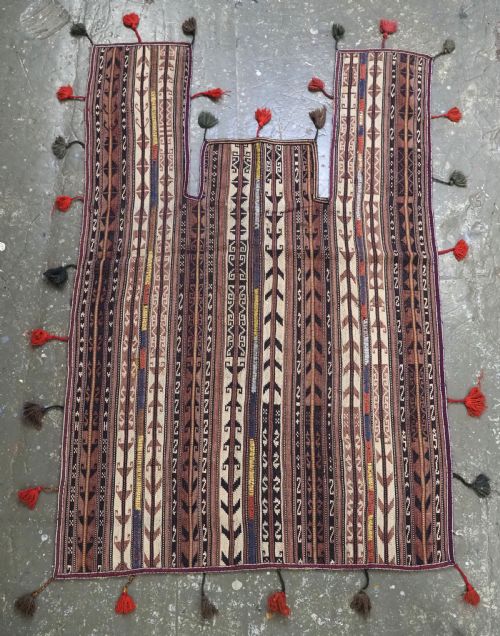
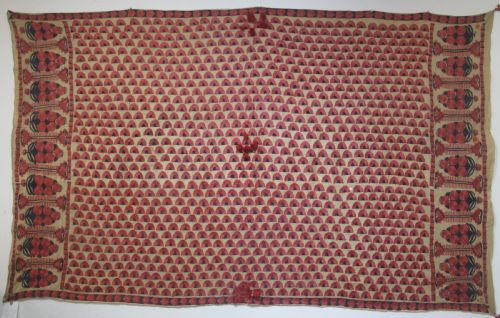
When you search for an ethnic woven wall textile, you are looking at utilitarian objects from nomadic and indigenous cultures repurposed for display. These pieces range from ceremonial horse blankets and tent bands to storage bags and embroidered shawls.
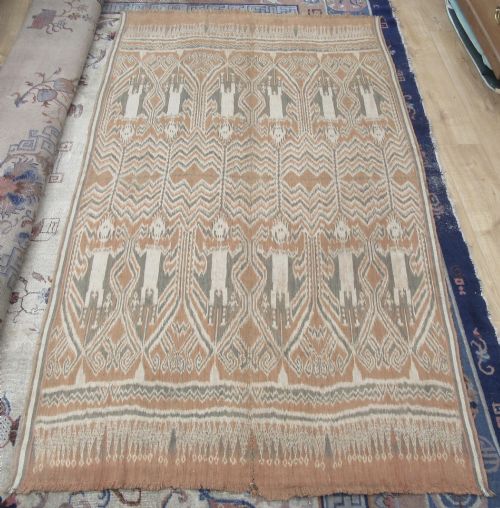
The selections span the late nineteenth century through to the mid-twentieth century. Geographic origins stretch across Central Asia, Pakistan, Persia, Indonesia, and Central Africa.
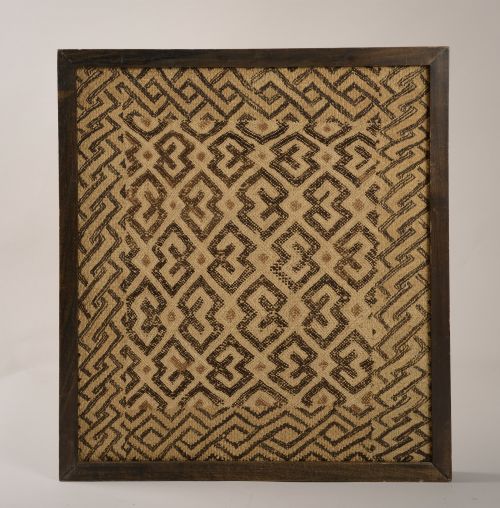
You are most likely to encounter Central Asian tribal weavings, such as Turkmen and Uzbek panels, alongside traditional African raffia tapestries and Kuba cloth.
Materials and construction
The makers utilised natural fibres including wool, hand-spun wool, cotton, handspun cotton, silk thread, and raffia. These organic materials reflect the local environment and pastoral or agricultural resources of each region.
Construction techniques include flat-weaving, embroidery, and looped or stitched raffia work. Wooden components and glass elements occasionally appear as structural supports or decorative beads.
A fifty-foot Turkoman yurt band waits here to wrap around an entire nomadic dwelling.
Assessing quality and condition
Quality rests in the tightness of the weave, the complexity of the traditional tribal patterns, and the vibrancy or depth of the natural dyes. Bold graphic designs and intricate embroidery distinguish superior examples.
Condition varies according to the original utilitarian function of the object, as pieces subjected to nomadic daily life naturally show more wear than ceremonial or wall-specific items.
The Ethnic Woven Wall Textile Glossary
- Kilim
- A flat-woven carpet or tapestry lacking a pile. This technique produces a smooth surface with sharp geometric patterns.
- Kap
- A small Turkmen storage bag or face-bag. These pieces often feature intricate guls and tribal motifs.
- Ikat
- A dyeing technique where yarns are tie-dyed before weaving. This creates characteristic feathered edges along the design motifs.
- Kuba cloth
- A textile from Central Africa made from raffia palm fibre. Artisans weave, cut, and embroider the panels into geometric compositions.
- Torba
- A small Turkmen wall hanging traditionally used inside a yurt. They display horizontal rows of repeating tribal symbols.
Ethnic Woven Wall Textile: Frequently Asked Questions
How do I hang a heavy textile safely?
Mount the textile using a fabric sleeve sewn to the back and a padded wooden batten. This distributes the weight evenly across the entire top edge.
Avoid using direct nails or clips that pinch and strain the antique fibres over time.
Are these pieces meant for daily floor use?
While items like horse blankets and saddle-bags began as functional nomadic gear, their age and delicate fibre state make them unsuitable for heavy foot traffic today.
Displaying them vertically as wall art preserves the remaining structure and prevents further abrasion.
How do I identify a Turkmen tribal piece?
Turkmen pieces frequently display deep red grounds and octagonal geometric medallions known as guls. Specific tribal sub-groups like the Yomut or Teke show distinct variations in these border and field motifs.
Examining the knotting density and wool quality helps pinpoint the regional origin within Central Asia.