


Brown Wooden Tripod Stand
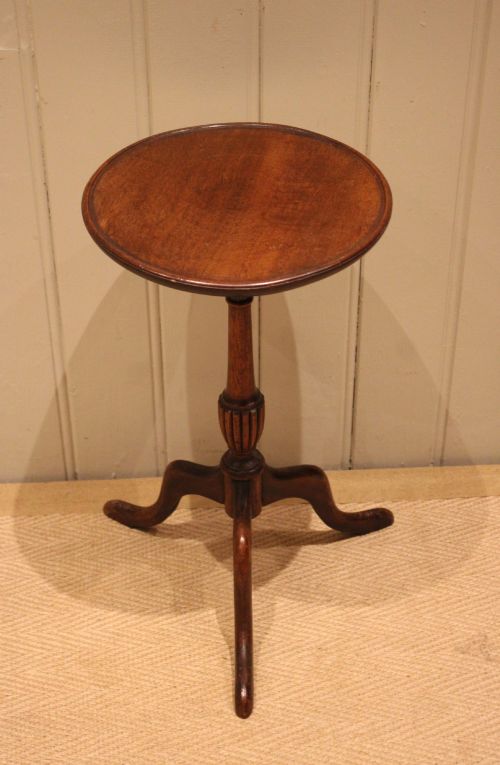
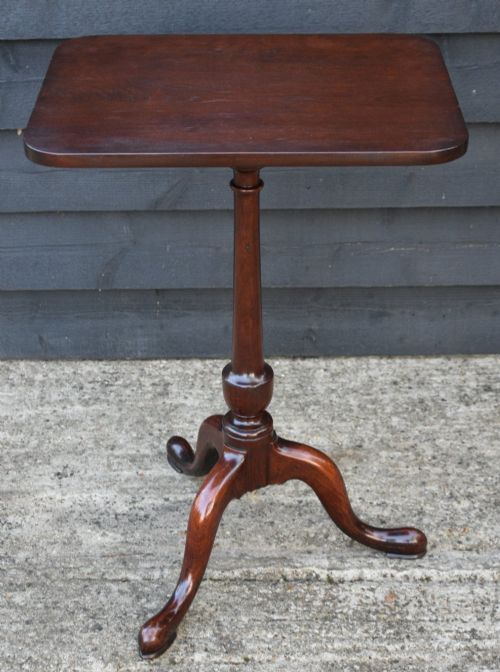
A brown wooden tripod stand provides a stable three-legged base for displaying lamps, plants, and small objects in any room.
Brown Wooden Tripod Stand
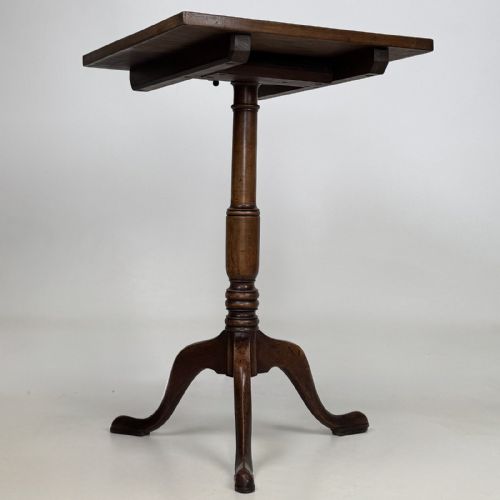
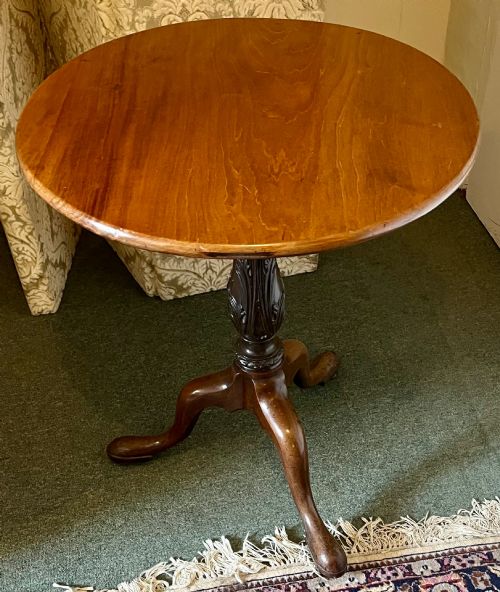
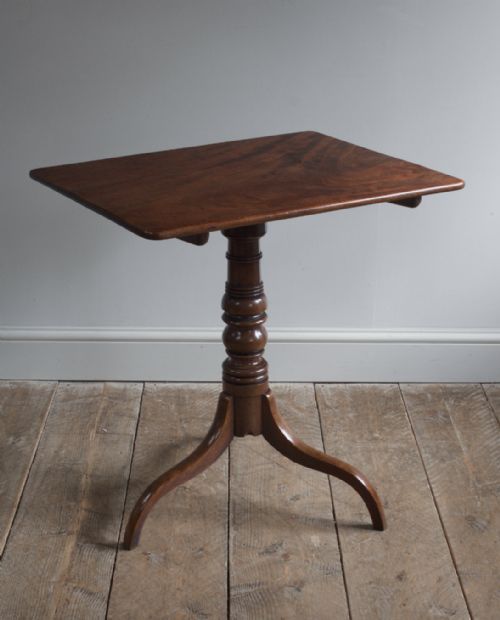
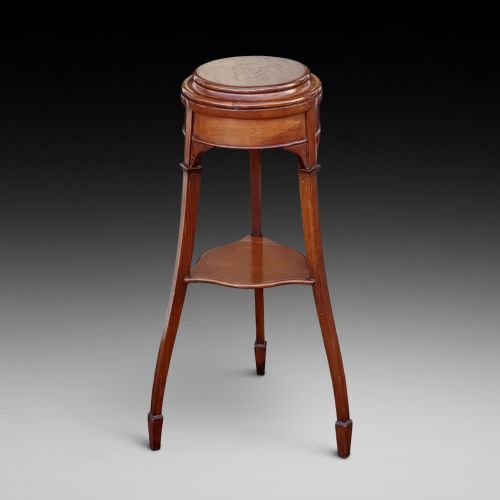
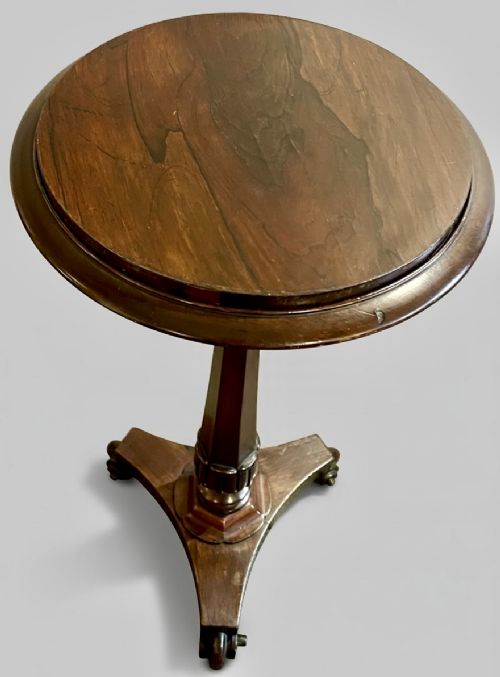
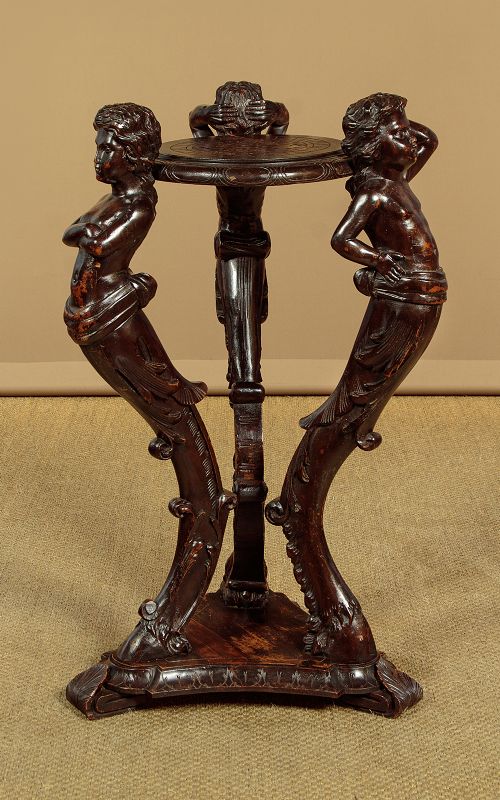
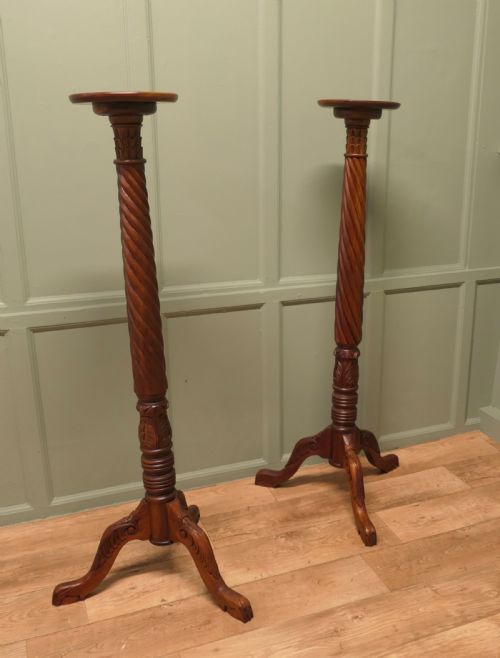
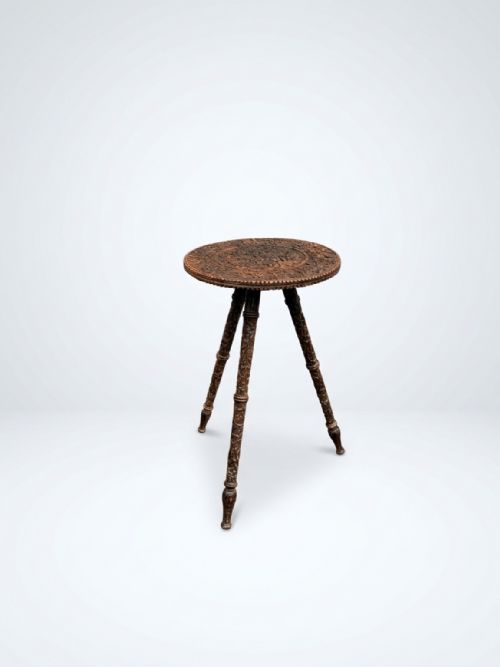
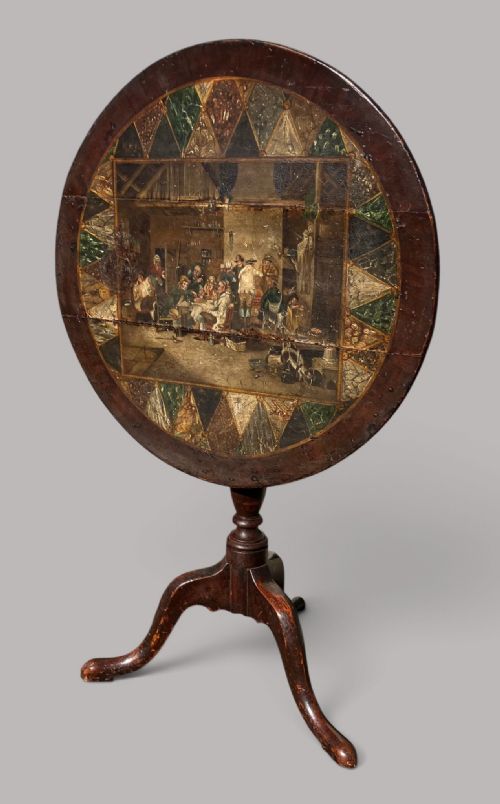
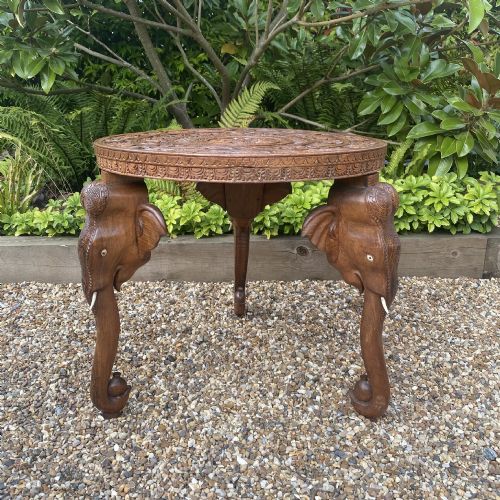
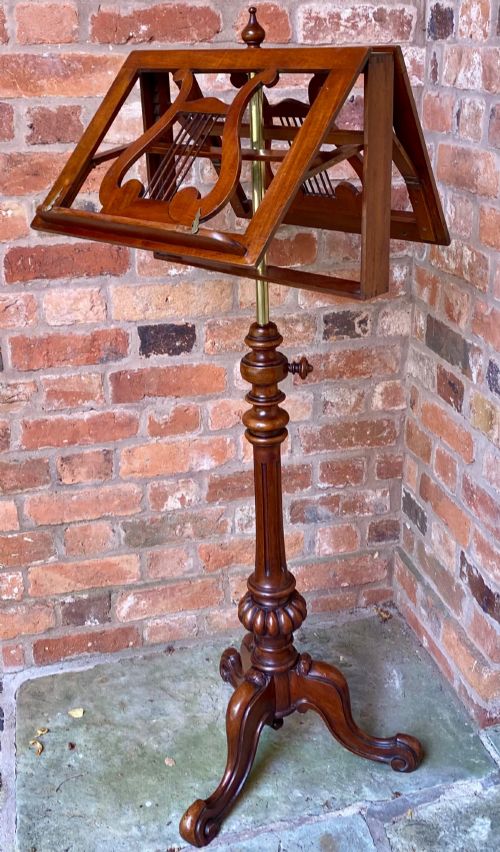
A brown wooden tripod stand brings together utility and decorative presence through a compact three-legged footprint. These items span periods from the Georgian era through to the Edwardian period, appearing in forms such as wine tables, lamp tables, plant stands, and torchieres.
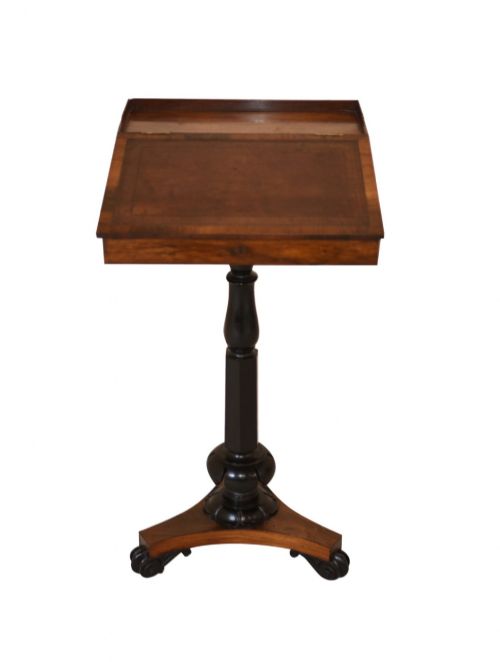
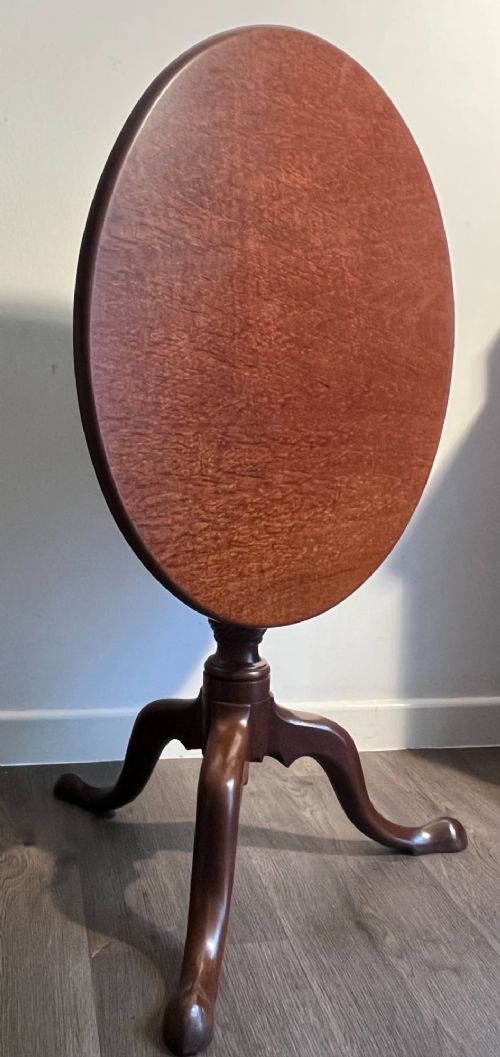
The most common version met on this page is the mahogany or oak tilt-top table, often originating from the nineteenth century. Alongside these, buyers find occasional tables, reading stands, and plant pedestals utilising various hardwoods.
Makers and craftsmen of the past produced these stands for specific domestic tasks, from holding evening drinks to supporting botanical displays in parlours. Their survival across centuries demonstrates their enduring versatility within traditional and modern interiors alike.
How they were made
Cabinet makers utilised dense timbers such as mahogany, walnut, oak, fruitwood, and rosewood to construct these stable three-legged supports. Turning lathes shaped upright columns and slender legs, while hand-carving added detail to pedestals and table edges.
Many examples incorporate clever mechanical solutions, including tilt-top mechanisms with catch locks and removable tops for ease of storage. Joinery techniques ensured that three legs maintained firm contact with the floor without introducing unwanted wobble.
Brown Wooden Tripod Stand Retail Price Guide 2026
Typical asking prices for brown wooden tripod stand among the pieces listed under this phrase on Sellingantiques today, from the lower quarter to the upper quarter. They describe what is for sale here now, not the wider market.
Listings feature timbers including mahogany, walnut, oak, fruitwood, rosewood, and yew across multiple centuries of craftsmanship.
What varies in quality
The refinement of the timber selection and the crispness of any carved enrichment set finer pieces apart from utilitarian workshop output. Grain matching across circular tops and the proportional balance between the central shaft and the splayed legs indicate the maker's skill.
Original mechanisms, such as working tilt-top catches and well-fitted brass hinges or pivots, elevate a piece above later replacements. The integrity of the original polish and surface finish preserves the character of the wood over generations.
The Brown Wooden Tripod Stand Glossary
- Tilt-top
- A tabletop hinged to the central pillar so it can be flipped vertically when not in use. This clever mechanism allowed tables to be stored flat against a wall to save floor space in smaller rooms.
- Torchere
- A tall ornamental stand designed specifically to hold a candle, lamp, or vase. These slender stands often feature decorative carved columns and elevated platforms.
- Tripod base
- A support structure resting on three distinct legs radiating from a central pillar. This arrangement guarantees stability on uneven historic floors.
- Pad foot
- A rounded, swelling foot found at the base of cabriole legs on Georgian furniture. It rests softly on the floor without sharp edges.
- Bobbin turned
- Furniture legs or supports shaped on a lathe into a series of rounded, spool-like spheres. This decorative turning style appears frequently on nineteenth-century vernacular pieces.
Brown Wooden Tripod Stand: Frequently Asked Questions
What is a tripod stand used for?
These versatile stands served numerous domestic purposes in historic homes, primarily holding portable lighting, small reading materials, or drinking vessels near seating areas. Their compact footprint made them ideal for placing beside chairs or in corners where larger furniture would not fit.
Today, they function brilliantly as accent surfaces for house plants, table lamps, or decorative ornaments. The tilt-top varieties also offer the unusual benefit of folding away flat when floor space is needed.
Are tilt-top tables stable?
When the original wooden catch and under-block mechanism remain intact and well-adjusted, a tilt-top table provides reliable stability for everyday items. The three-legged base naturally accommodates minor variations in floor level without rocking.
Over time, wear to the pivot pin or locking wedge can introduce movement, though traditional furniture repairs easily correct this issue.
Where should I place a torchere stand?
Torchere stands excel in empty corners, narrow hallways, or flanking larger furniture items where vertical height adds balance to a room. Their elevated platforms draw the eye upward and showcase trailing plants, sculptures, or decorative urns.
Because of their tall, slender proportions, placing them away from heavy household traffic ensures they remain secure and undisturbed.