



Brown Wooden Tea Cart
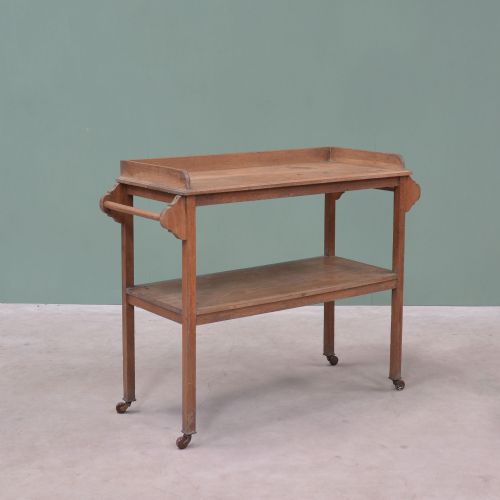
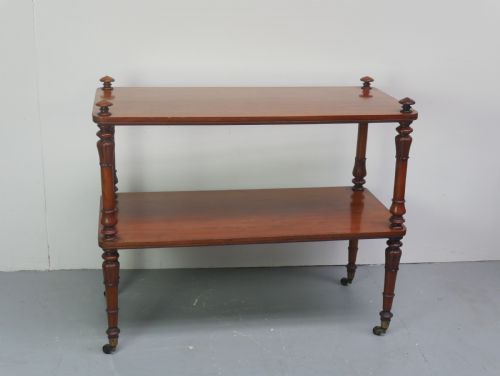
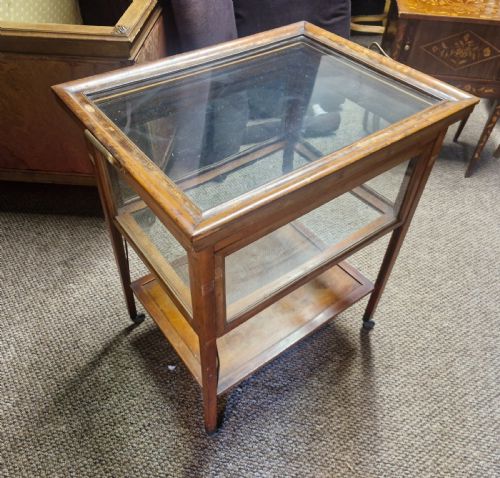
A brown wooden tea cart brings mobile hospitality into your home, offering tiered shelving and fitted trays for serving afternoon tea or drinks.
Brown Wooden Tea Cart
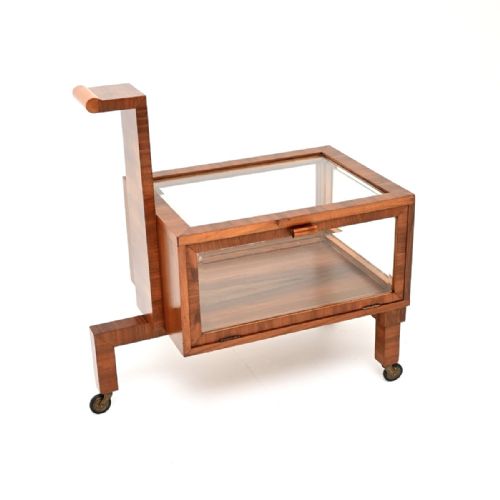
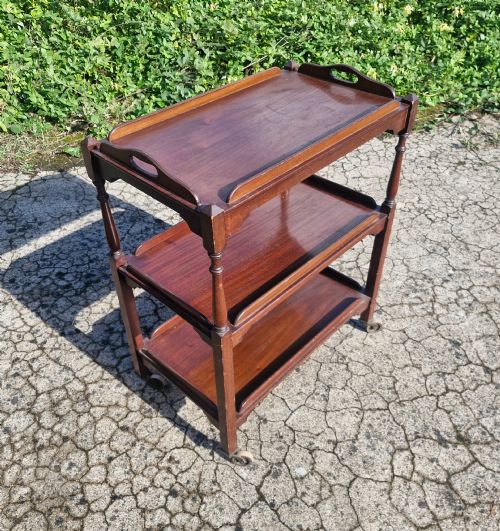
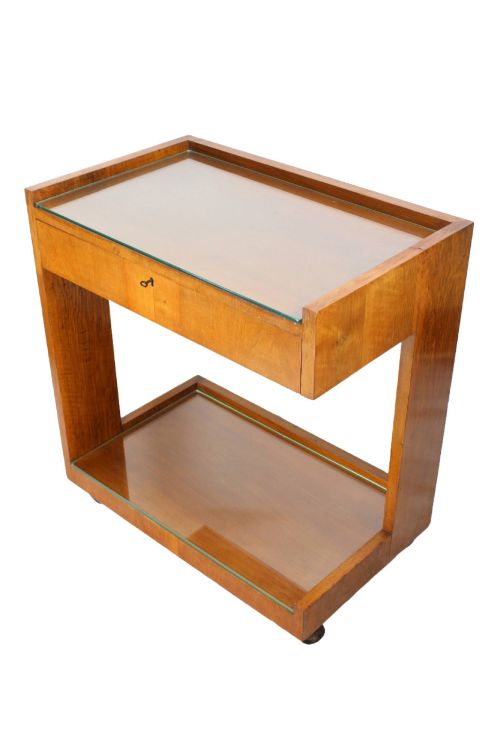
When you search for a brown wooden tea cart, you encounter practical mobile furniture designed for serving refreshments. The pieces on this page span several decades, featuring forms such as tea trolleys, drinks trolleys, bar carts, and serving trolleys.
The most common versions you will meet date from the Edwardian era through to the Art Deco period, alongside occasional examples from the Victorian and Georgian periods. These items typically include two tiers, drop sides, wheels or castors, and frequently incorporate a removable carrying tray for convenience.
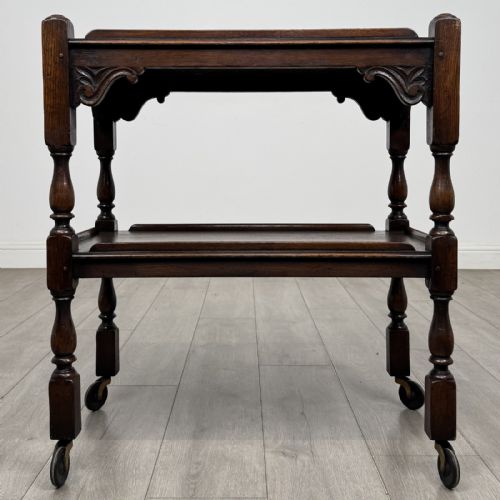
The range of styles includes Edwardian elegance, Jacobean Revival carving, Art Deco curves, and Anglo-Indian craftsmanship. Woods such as mahogany, oak, and walnut predominate, often paired with glass, brass, metal, or veneer to create functional household pieces.
How they were made
Makers constructed these trolleys primarily using solid hardwoods and veneers such as mahogany, oak, and walnut. Timber selection dictated the structural integrity of the frame, while decorative touches like inlay, carving, and polished finishes enhanced the appearance.
Functional elements such as brass castors, metal wheels, and glass inserts appear regularly to facilitate movement and service. Removable trays, drop leaves, and folding mechanisms required precise joinery to ensure everyday utility.
Brown Wooden Tea Cart Retail Price Guide 2026
Typical asking prices for brown wooden tea cart among the pieces listed under this phrase on Sellingantiques today, from the lower quarter to the upper quarter. They describe what is for sale here now, not the wider market.
One exceptional piece pairs sturdy cane-bound beech with the industrious workshop output of Lusty of Leicester.
What varies in quality
The standard of timber and veneer work marks the primary distinction between standard utility items and finer examples. Richly figured walnut, detailed carved oak in the Jacobean style, or precise inlaid mahogany indicate higher workshop ambition.
The complexity of the mechanism influences quality, such as smoothly operating drop-leaf supports, folding tops, and securely fitted removable trays. Robust construction on the castors and wheels ensures the trolley moves smoothly without wobble.
Lusty of Leicester
The Brown Wooden Tea Cart Glossary
- Drop leaf
- A hinged section of a tabletop that can be folded down to save space or raised up to extend the surface area. This mechanism frequently appears on tea trolleys to accommodate serving trays.
- Castor
- A small wheel mounted on a swivel assembly attached to the legs of furniture. These allow the trolley to be easily wheeled across a room.
- Removable tray
- A fitted serving board that lifts off the top tier of the trolley. It allows hosts to carry cups and glasses independently from the main wheeled frame.
- Barley twist
- A type of turning shaped like a spiral or helix, commonly found on the wooden legs and supports of Jacobean Revival and early twentieth-century trolleys.
- Veneer
- A thin layer of choice wood glued to a base panel to provide a decorative surface. Walnut veneer is particularly common on Art Deco serving carts.
Brown Wooden Tea Cart: Frequently Asked Questions
What is a brown wooden tea cart used for?
These pieces function primarily as mobile serving stations for afternoon tea, cakes, and drinks. They allow hosts to transport glassware, bottles, and crockery from the kitchen to sitting areas with ease.
Many examples feature drop sides or removable trays that double the usable surface area during gatherings. Their wheeled design makes them adaptable companions for entertaining in various rooms.
How do I identify an Edwardian tea trolley?
Edwardian trolleys often feature lighter mahogany frames, sometimes decorated with inlay or silver-plated fittings. They date from the early twentieth century and prioritise refined domestic utility.
Look for slender turned supports and clear glass or wooden tiers designed for polite afternoon hospitality.
What is the difference between an Art Deco and a Jacobean Revival trolley?
Art Deco trolleys from the 1930s embrace streamlined curves, circular shapes, and figured walnut veneers. They reflect a modern, geometric aesthetic popular in the interwar period.
Jacobean Revival pieces lean towards traditional dark oak, heavy framing, and decorative turning such as barley twist legs. They evoke seventeenth-century craftsmanship adapted for Edwardian and later twentieth-century homes.
Are the trays on these trolleys removable?
Many listings feature a lift-off or removable carrying tray on the top tier. This design lets you load cups or glasses in the kitchen and place the entire tray onto the trolley frame.
Checking the description confirms whether a specific trolley includes this detachable feature.
How do I care for a wooden tea cart?
Protect the polished wooden surfaces by using coasters for drinks and avoiding excessive moisture. Dust the frame regularly with a soft cloth to maintain the finish of walnut, oak, or mahogany.
Period castors and wheels benefit from occasional gentle cleaning to ensure they continue to roll smoothly across carpets and floors.