



Brown Wooden Silver Chest
A brown wooden silver chest is a sturdy storage piece designed to protect precious metalware, offering timeless utility and classic craftsmanship.
Brown Wooden Silver Chest
A brown wooden silver chest provides robust accommodation for heavy flatware and valuable table service items. These examples emerge from periods spanning the Georgian era through to the early twentieth century.
The typical form encountered here is constructed from dense timbers like oak or mahogany, often reinforced with metal bands for secure transit. Many examples survive from Victorian workshops alongside earlier Georgian and Edwardian iterations.
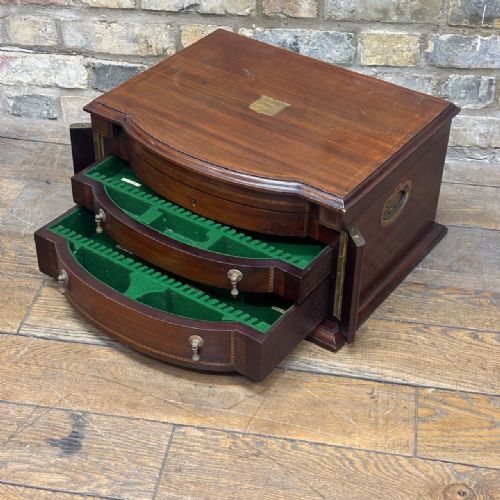
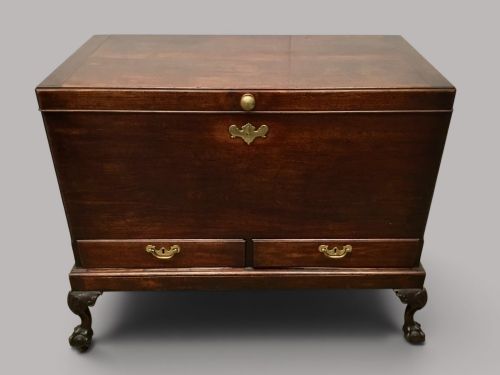
Buyers seeking a brown wooden silver chest will find robust shipping trunks, fitted cutlery canteens, and occasional chests mounted on original stands. These objects reflect the domestic organisation required in large historical households.
Materials and construction
Constructors relied on solid oak and mahogany to bear the considerable weight of heavy metal contents. Iron banding and brass fittings added structural integrity to corners and lids subjected to heavy maritime or domestic travel.
Internal arrangements frequently incorporate baize linings to cushion delicate flatware against the timber walls. Selected pieces introduce wood inlay and satinwood detailing to elevate the visual refinement of the exterior.
Brown Wooden Silver Chest Retail Price Guide 2026
Typical asking prices for brown wooden silver chest among the pieces listed under this phrase on Sellingantiques today, from the lower quarter to the upper quarter. They describe what is for sale here now, not the wider market.
Listings feature oak, mahogany, and iron materials across Victorian, Georgian, and Edwardian periods.
Judging quality
Distinctions in quality rest upon the selection of timber and the integrity of original mounts rather than mere age. Pieces featuring intact internal fitted trays and original metal hardware command greater architectural clarity.
The sophistication of the joinery distinguishes standard utility trunks from superior presentation examples intended for prominent domestic placement. Original stands and sophisticated wood inlay further elevate the refinement of specific pieces.
Walker & Hall
The Brown Wooden Silver Chest Glossary
- Canteen
- A fitted box or cabinet designed specifically to hold a set of cutlery or flatware. These interiors often feature multiple tiered trays lined with baize.
- Tantalus
- A locking beverage cabinet that displays decanters while preventing unauthorised access to the contents. This form typically dates from the Edwardian period.
- Baize
- A coarse woolen material resembling felt, traditionally used to line the interior compartments of storage chests. It protects stored silver from scratching.
- Inlay
- A decorative technique where contrasting pieces of wood are inserted into the primary timber surface to create patterns. Satinwood is frequently utilised for this purpose.
Brown Wooden Silver Chest: Frequently Asked Questions
What were silver chests used for?
These chests served as secure receptacles for storing valuable family silver, plate, and flatware when not in use. Their heavy timber construction and metal hardware protected contents from theft and tarnishing during transport or storage in large estates.
Over time, many households adapted them into general storage trunks or decorative furniture pieces. Their robust internal compartments made them versatile for holding various domestic valuables.
How do I date a wooden chest?
Dating relies on examining the timber species, construction methods, and hardware styles characteristic of specific historical periods. Georgian and Victorian examples exhibit distinct joinery techniques and proportions that signal their era of manufacture.
Hardware such as iron straps, brass handles, and internal baize fittings provide further clues to age. Makers' marks or stamps, when present, offer definitive chronological markers.
Are these chests suitable for modern homes?
Their substantial proportions and rich timber finishes allow these chests to function effectively as coffee tables or blanket boxes in contemporary spaces. The fitted interiors provide practical organisation for modern accessories and linens.
Placing them in living areas or bedrooms adds traditional character while offering concealed storage. The durable construction ensures they withstand daily domestic interaction.
What is the difference between an oak and a mahogany chest?
Oak chests generally date from earlier periods and display a pronounced grain pattern associated with utilitarian strength and rugged shipping use. Mahogany examples often appear in refined furniture forms, sometimes featuring polished surfaces and decorative inlay.
Both timbers provide exceptional durability but serve different aesthetic roles within domestic interiors. Mahogany pieces frequently align with formal dining or reception rooms.