
Brown Wooden Press
A brown wooden press is a substantial storage piece or functional screw-press built to organise linens, garments, or books with traditional joinery.
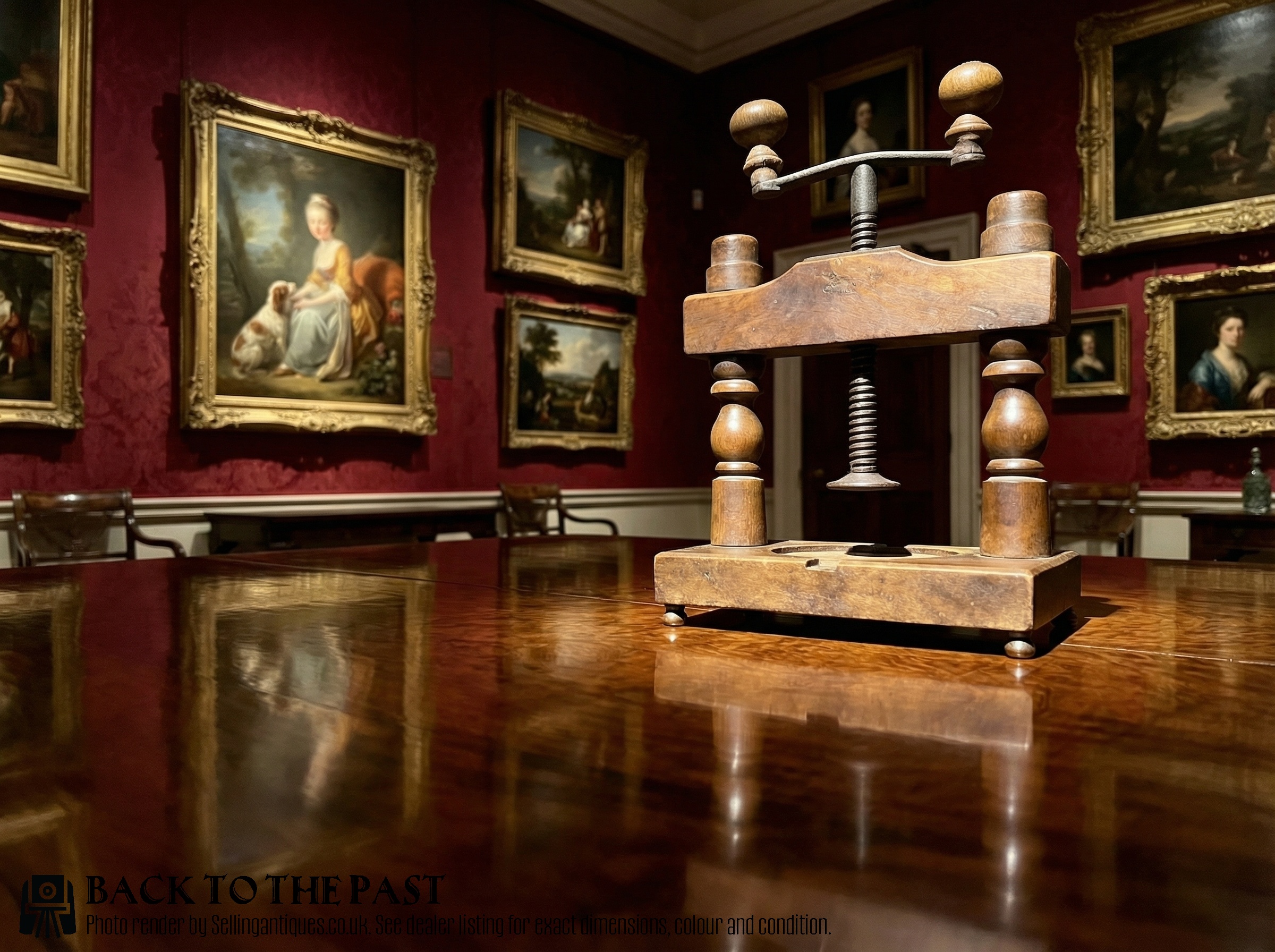
Brown Wooden Press
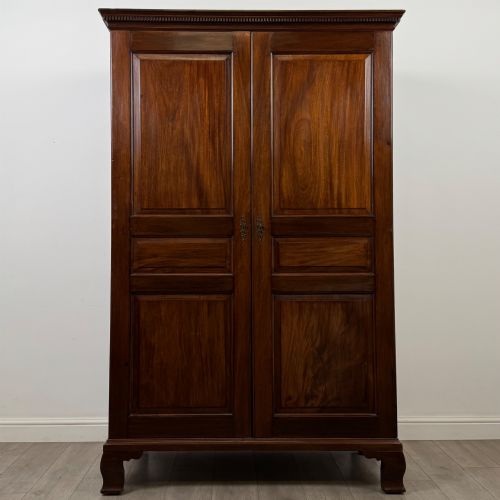
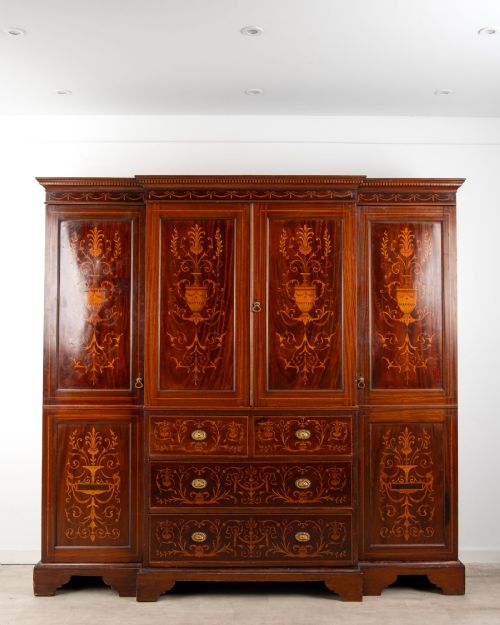
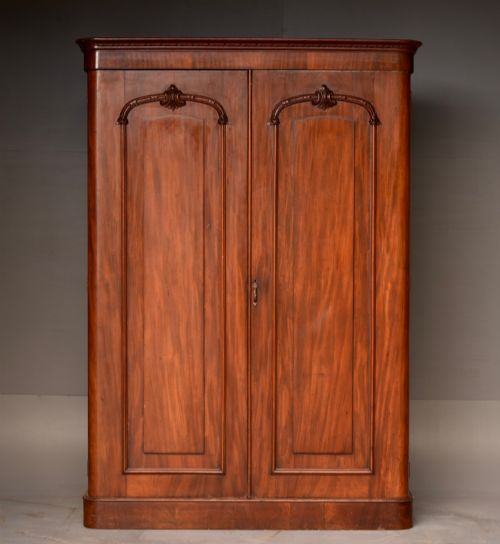
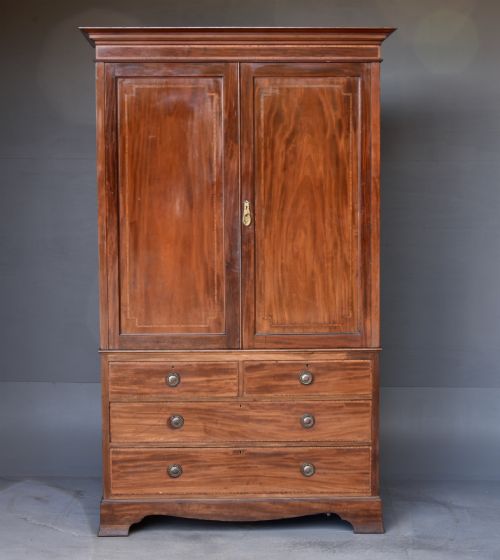
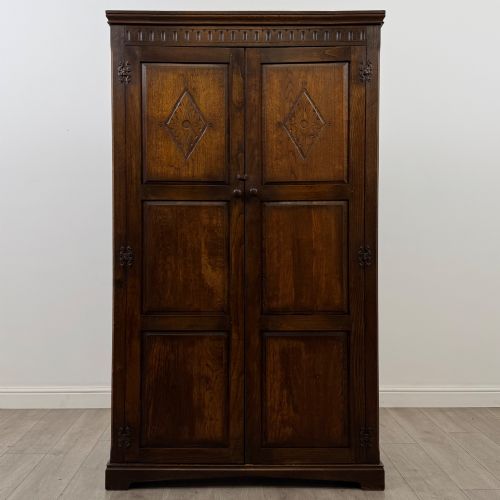
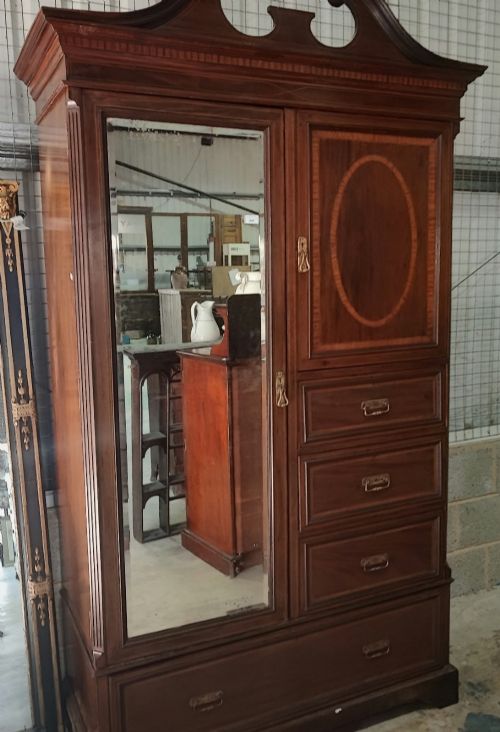
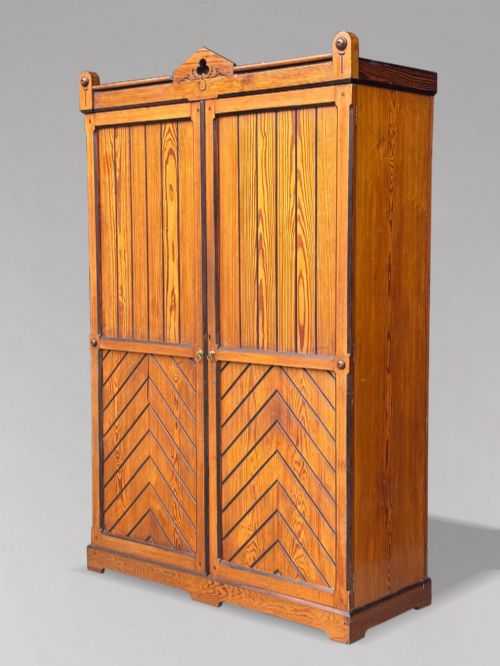
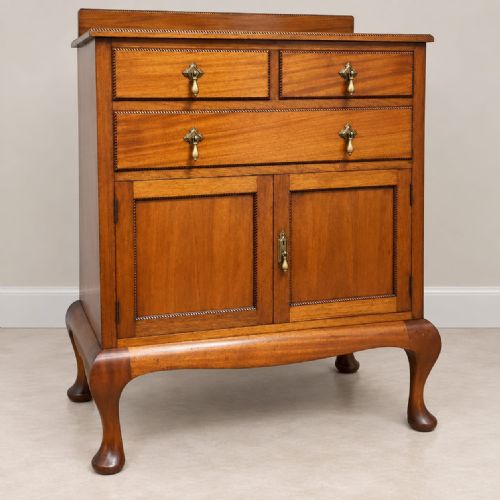
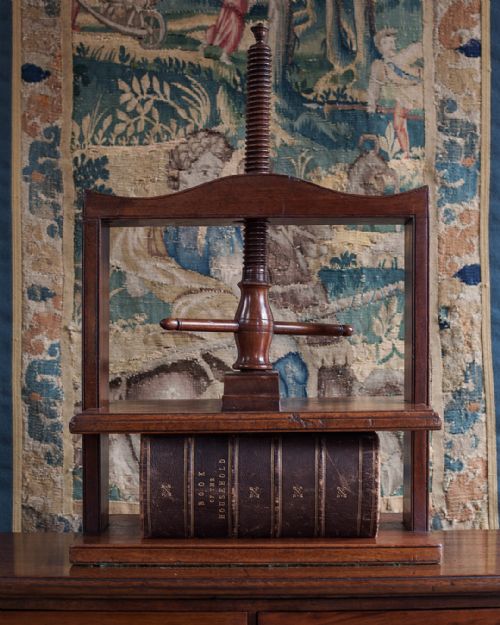
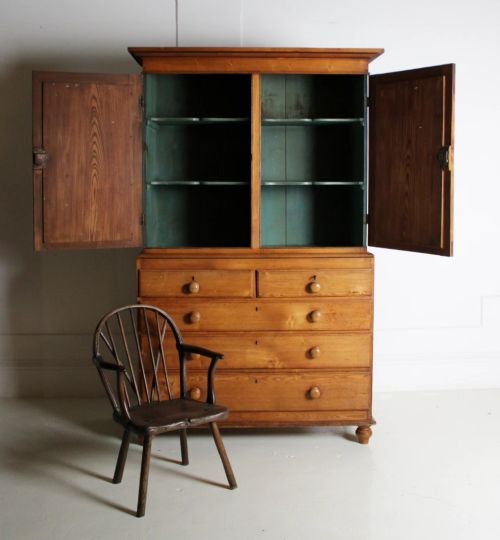
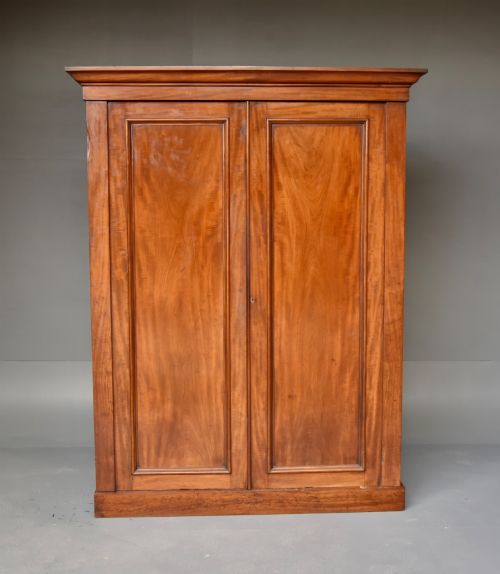
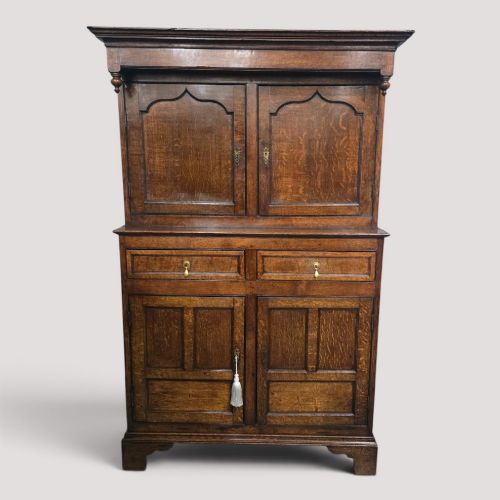
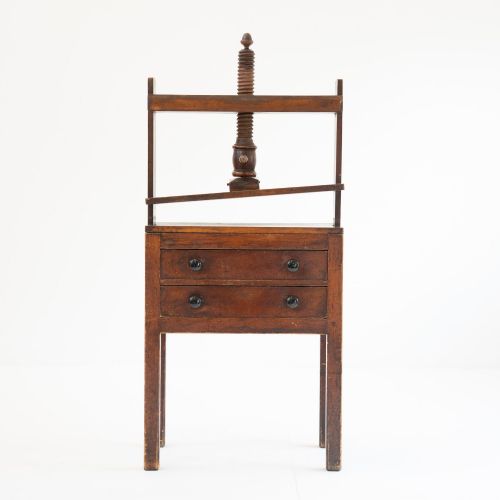
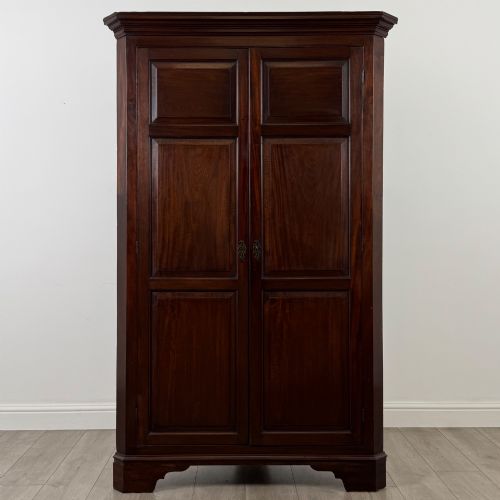
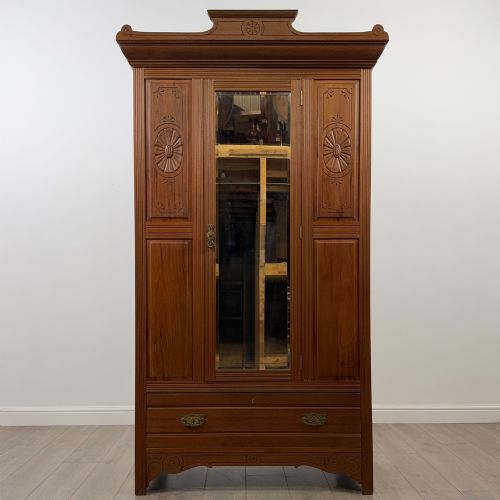
When you search for a brown wooden press, you encounter large storage furniture and mechanical tabletop presses spanning several historic eras. The selection comprises substantial Georgian, Victorian, and Edwardian linen presses, wardrobes, compactums, and bookpresses.
Judging quality in wooden presses
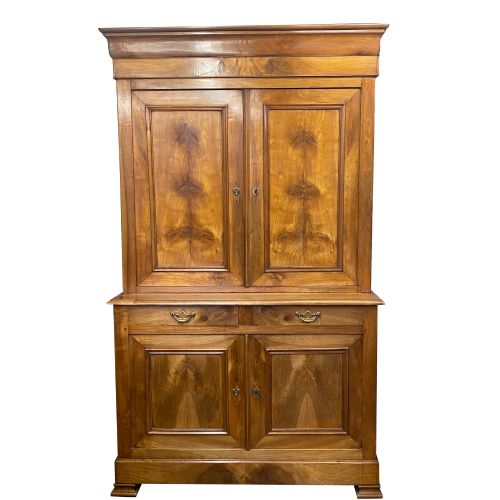
The calibre of a brown wooden press depends upon the selection of timber grain, the crispness of any inlaid decoration, and the integrity of the internal fittings. Superior examples display carefully matched flame veneers or precise marquetry, whilst simpler utility pieces rely on straightforward solid boards.
Mechanical and structural condition dictates the standing of functional presses and large wardrobes alike. Original brass handles, smoothly running drawers, intact internal sliding trays, and fully operational wooden or brass screw mechanisms separate exceptional pieces from altered or heavily restored equivalents.
Among the heavy oak cupboards and wardrobe frames, the occasional tabletop book press or pocket snuff box quietly reminds us of bygone desks.
maples & co·Edwards and Roberts·Johnston’s of London·S & H Jewell·Heals
The Brown Wooden Press Glossary
- Compactum
- A large fitted wardrobe combining hanging space, drawers, and shelving within a single multi-door carcass. This form became particularly popular during the Edwardian period.
- Linen Press
- A tall storage cupboard featuring sliding trays in the upper section for folded textiles, positioned above a chest of drawers. Georgian and Victorian examples are frequently constructed from mahogany or oak.
- Bookpress
- A mechanical device featuring a heavy wooden screw mechanism used to flatten paper, bind books, or press documents. Tabletop versions usually sit upon a stable wooden base.
- Marquetry
- The art of applying decorative veneer pieces to a wooden structure to create pictorial designs or geometric patterns. It appears frequently on finer Georgian furniture.
- Flame Mahogany
- A veneer cut from the fork of a mahogany tree where the branches meet the trunk, producing a distinctive flickering flame-like pattern. Cabinet makers reserved this timber for principal display surfaces.
Brown Wooden Press: Frequently Asked Questions
What is a brown wooden press used for?
These items served various domestic and practical functions depending on their form. Large linen presses and compactums stored folded textiles, bedlinen, and garments in period bedchambers.
Smaller tabletop bookpresses provided the mechanical pressure required for bookbinding or flattening paper documents in an office or library setting.
How do I date a wooden press?
Dating relies upon examining construction methods, timber choices, and stylistic details. Georgian pieces often display clean classical lines and solid mahogany boards, whilst Victorian and Edwardian examples might incorporate burr veneers or heavier carved mouldings.
Internal elements such as drawer dovetails and backboards offer further clues regarding the manufacturing period.
Will a large linen press fit in a modern room?
Many antique linen presses and wardrobes were built as substantial two-part pieces to facilitate movement through houses. The upper cupboard typically lifts off the lower drawer base on larger examples.
Careful measurement of ceiling height and doorway clearance remains essential before placing a tall wardrobe or press in a contemporary home.
How do I care for antique mahogany and oak?
Timber furniture requires stable environmental conditions away from direct heat sources and strong sunlight to prevent wood from drying and splitting. Regular dusting with a soft, dry cloth preserves the finish.
Applying occasional traditional beeswax helps nourish the grain without building up heavy chemical residues on the antique surface.